

COPYRIGHT © 2022 COFF International Co., ltd. ALL RIGHTS RESERVED

Proper storage after fermentation is essential for preserving the taste, clarity, and stability of hard cider. Factors such as oxygen exposure, temperature fluctuations, and sanitation can all affect the final product, making proper storage practices just as important as the fermentation process itself.
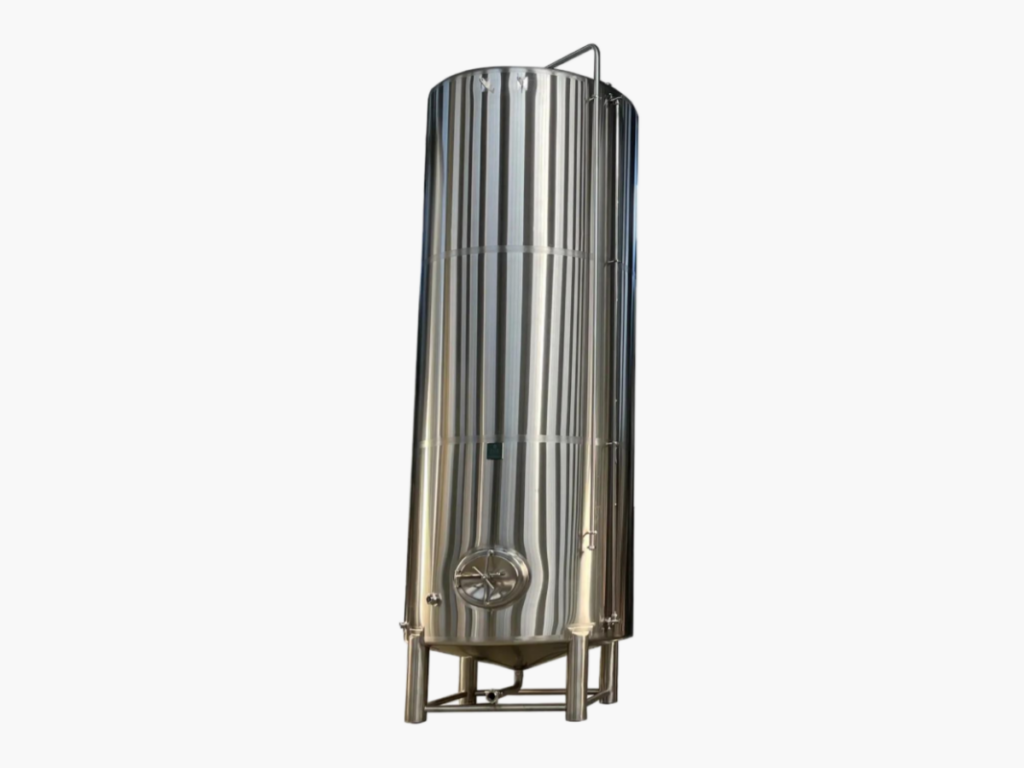
From small-scale batches to commercial production, many cider makers rely on stainless steel cider tanks for safe and consistent storage. This guide explores the best ways to store hard cider after fermentation, covering storage vessels, temperature control, and practical tips for maintaining cider quality over time.

The container you choose directly impacts cider’s quality and shelf life. Four main options are commonly used:
| Container Type | Advantages | Disadvantages | Best For |
|---|---|---|---|
| Stainless Steel | Airtight, non-reactive, easy to clean, long-lasting | Higher upfront cost | Bulk long-term storage |
| Glass Bottles | Classic appearance, preserves flavor well | Fragile, heavy | Bottled finished cider |
| Plastic | Inexpensive, lightweight | Can absorb flavors, less oxygen barrier | Short-term storage, beginners |
| Oak Barrels | Adds complex vanilla and wood flavors | High maintenance, expensive | Specialty aged ciders |
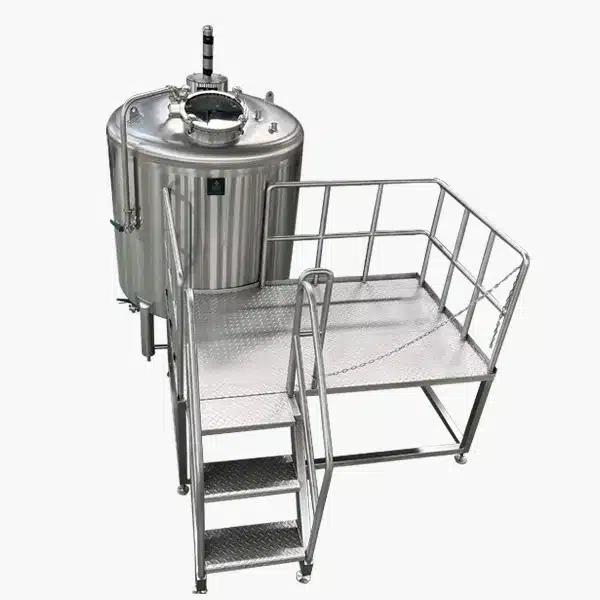
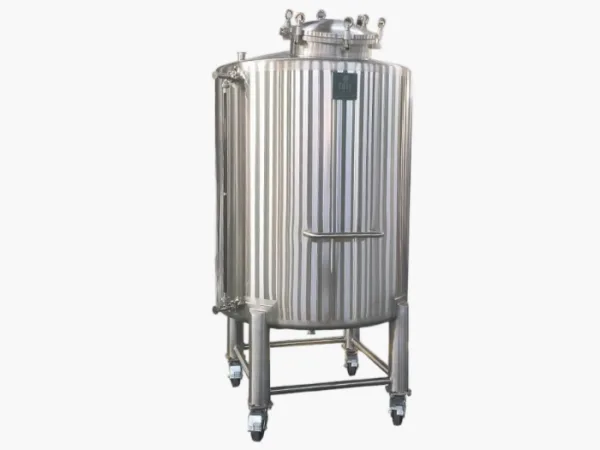
Stainless steel is the gold standard for commercial and serious home cider makers. It is completely non-reactive with cider’s acids and alcohol, prevents oxidation, and inhibits bacterial growth. High-quality seamless stainless steel tanks with smooth interiors are easy to clean and sanitize, ensuring no residual flavors carry over between batches.
Glass is the most popular choice for bottling finished cider. It does not react with the cider and allows you to see the clarity and color. Use dark amber or green glass to protect cider from UV light damage, which can cause off-flavors.
Food-grade plastic containers are affordable and easy to use for beginners. However, they are more permeable to oxygen than glass or stainless steel, making them only suitable for short-term storage (up to 3 months).
Proper preparation before bottling is just as important as storage itself.
Sanitation is the single most important step in preventing spoilage. All equipment that will touch the cider – including tanks, bottles, caps, siphons and funnels – must be thoroughly cleaned and sanitized.
After primary fermentation is complete:
Follow these steps for safe, successful bottling:
💡 Pro Tip: Minimize splashing during siphoning to reduce oxygen exposure, which causes stale, cardboard-like off-flavors.
Store cider in a cool, dark place with a consistent temperature of 50-55°F (10-13°C). Avoid:
Maintain 60-70% humidity if using corked bottles. Too much humidity can cause mold growth on corks, while too little can dry them out and allow air to enter.
Aging can mellow sharp flavors and add complexity to cider. Over time, phenolic compounds break down, creating smoother, more rounded flavors.
Cider can spoil if not stored properly. Discard any cider that shows these signs:
| Spoilage Type | Signs | Cause |
|---|---|---|
| Sulfury | Smells like rotten eggs or burnt matches | Excess sulfur dioxide during fermentation |
| Moldy/Musty | Smells stale, earthy or like compost | Mold growth from poor sanitation |
| Mousey | Tastes like wet fur or rodent cage | Bacterial contamination |
| Oily/Ropy | Slimy texture or shiny appearance | Lactobacillus infection |
Proper post-fermentation storage is essential for preserving the flavor, aroma, and overall quality of hard cider. By selecting suitable storage vessels, maintaining strict sanitation standards, and controlling temperature and oxygen exposure, cider makers can protect their product and extend its shelf life for months or even years.
COFF specializes in manufacturing stainless steel cider tanks and fermentation equipment for craft cideries, beverage producers, and commercial cider operations. Designed for durability, hygiene, and efficient temperature management, our tanks help support consistent product quality from fermentation through storage. Contact our team to learn more about our custom cider tank solutions and complete cider production equipment for your business.
Properly stored bottled hard cider will stay fresh for 1-2 years. Higher-alcohol ciders can age for 3-5 years. Always check for signs of spoilage before drinking.
Yes, food-grade plastic containers are suitable for short-term storage (up to 3 months). For long-term storage, use stainless steel or glass for better flavor preservation.
Stainless steel is non-reactive, airtight and easy to clean. It prevents oxidation and bacterial growth, preserving cider’s fresh flavor for longer.
Refrigerate opened cider and consume within 3-5 days. Seal the bottle tightly with its original cap or a wine stopper to minimize oxygen exposure.
Yes, cider can spoil due to bacterial or yeast contamination, oxidation or improper storage. Always inspect cider for off smells, tastes or appearance before drinking.