
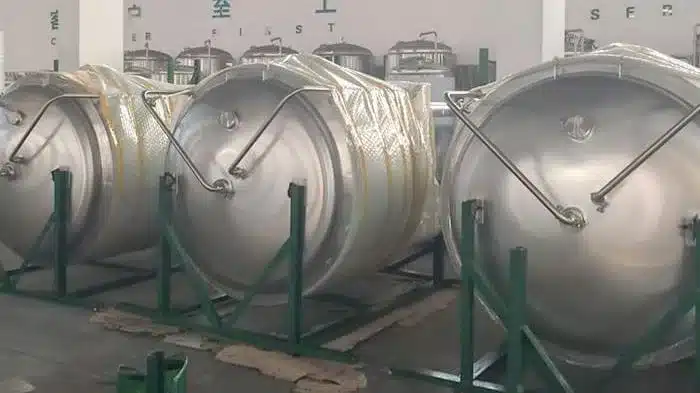


COPYRIGHT © 2022 COFF International Co., ltd. ALL RIGHTS RESERVED

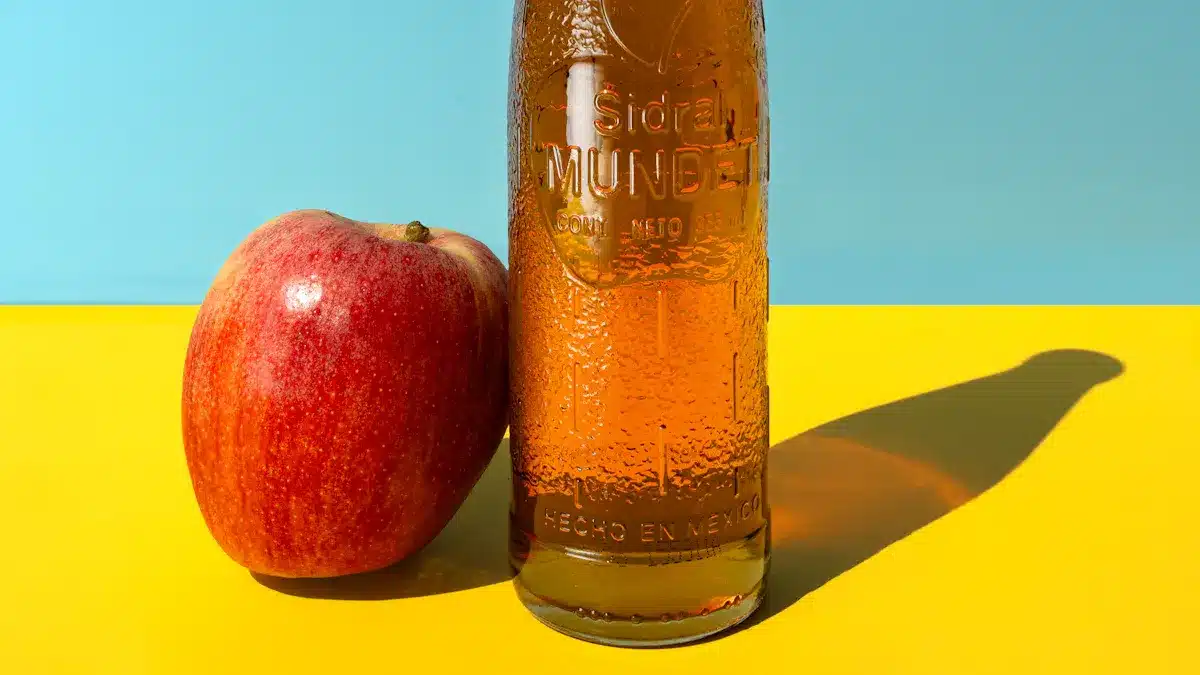
Apple cider does not have a strict federal rule in the U.S., which can create confusion for both buyers and makers. A cider tank manufacturer might utilize equipment such as a beer tank or a milk tank, but the processes and regulations surrounding cider production differ significantly. The quality of the stainless steel cider tank plays a crucial role in determining the final drink’s quality. Buyers appreciate clear labels to ensure they know exactly what type of cider they are purchasing.
There are no strict federal rules for apple cider. This makes things confusing for buyers and makers. Clear labels help people make good choices.
Standards of identity keep food safe and honest. They help buyers trust what they buy. These rules stop false claims.
Stainless steel cider tanks are very important for good cider. They help control the temperature. They also keep cider fresh and safe.
Clear labels on cider help people choose wisely. Always look for the ingredients, alcohol levels, and warnings.
People like different kinds of cider. Buyers should pick flavors and styles they enjoy. There are choices for low-alcohol and special blends.

A standard of identity sets rules for food names. These rules say what must be in a food to use a certain name. The U.S. Food and Drug Administration makes these rules. This helps people know what they are buying. The rules make sure apple cider meets set standards. The label tells buyers what the product is. It also lists the needed ingredients.
Food labels help people pick the right foods. Labels show ingredients, nutrition facts, and allergens. Knowing this helps families avoid foods that may cause problems. Labels help people trust the makers. Clear labels let people compare products. This helps them choose what is best for them.
Food and drink labels teach people about common words and symbols.
Good labels show what is in the food and how healthy it is.
Labels should be easy to read and understand.
Nutrition labels show important nutrients and serving sizes. They also show calories. This helps people watch what they eat. Ingredient lists show what is in each food. This is important for people with allergies or special diets.
Standards of identity help keep food safe and honest. These rules protect buyers from false claims and unsafe foods. Producers must follow strict labeling rules. Every bottle of apple cider must meet these rules. This helps buyers know what they are getting.
Apple cider labels have special rules for safety and freshness. The table below shows some key rules for apple cider labels in the U.S.:
Requirement | Description |
|---|---|
Warning Labels | Unpasteurized cider needs a warning about harmful bacteria. |
Labeling Responsibility | Makers, sellers, and stores must use correct labels. |
Specific Language | The warning must say: ‘WARNING: This product has not been pasteurized and, therefore, may contain harmful bacteria that can cause serious illness in children, the elderly, and persons with weakened immune systems.’ |
Label Placement | Warning labels must be on the main panel, info panel, or a sign for this year only. |
Freshness Description | Pasteurized cider cannot be called ‘fresh’ by FDA rules. |
Standards of identity and label rules keep food safe and honest. These rules make sure apple cider is labeled the right way. Buyers get what they expect. Producers must follow these rules to keep people healthy and build trust. Standards of identity also stop confusion. This helps people pick products with confidence.
Cider makers in the U.S. must follow many rules. Two main groups check these rules. The Alcohol and Tobacco Tax and Trade Bureau (TTB) is in charge of cider with more alcohol. The Food and Drug Administration (FDA) checks cider with less alcohol.
TTB makes rules for cider with more alcohol.
FDA checks cider with less alcohol.
Both groups make sure tanks and tools are safe.
Cider tanks must be clean and safe for food. The FDA says all tanks and tools must be washed and sanitized. Makers must look at tanks before using them. They must clean every part that touches cider each day. Tubes and racks must be safe for food. These rules help keep cider safe for everyone.
Hard cider has special rules. The TTB says hard cider is a wine made from apples or apple juice. Hard cider must have less than 8.5% alcohol. The TTB also limits bubbles in hard cider. The FDA checks hard cider with less than 7% alcohol.
Aspect | TTB Definition | FDA Definition |
|---|---|---|
Alcohol Content Threshold | Less than or equal to 8.5% ABV | Regulates hard ciders with ABV below 7% |
Carbonation Level | Max 0.64 grams of CO2 per 100 ml | Not specified |
Governing Body | TTB for ABV 7% and above; FDA for below 7% | FDA for hard ciders below 7% |
Cider, hard cider, and apple wine are not the same. Cider can have different amounts of alcohol. Hard cider must have less than 8.5% alcohol. Apple wine has more alcohol than hard cider. Makers must register as bonded wineries if they make hard cider. The TTB taxes hard cider based on bubbles. These rules help keep cider making safe and fair.
Note: When cider makers follow these rules, their cider is safe and good. Buyers can trust the cider they drink.
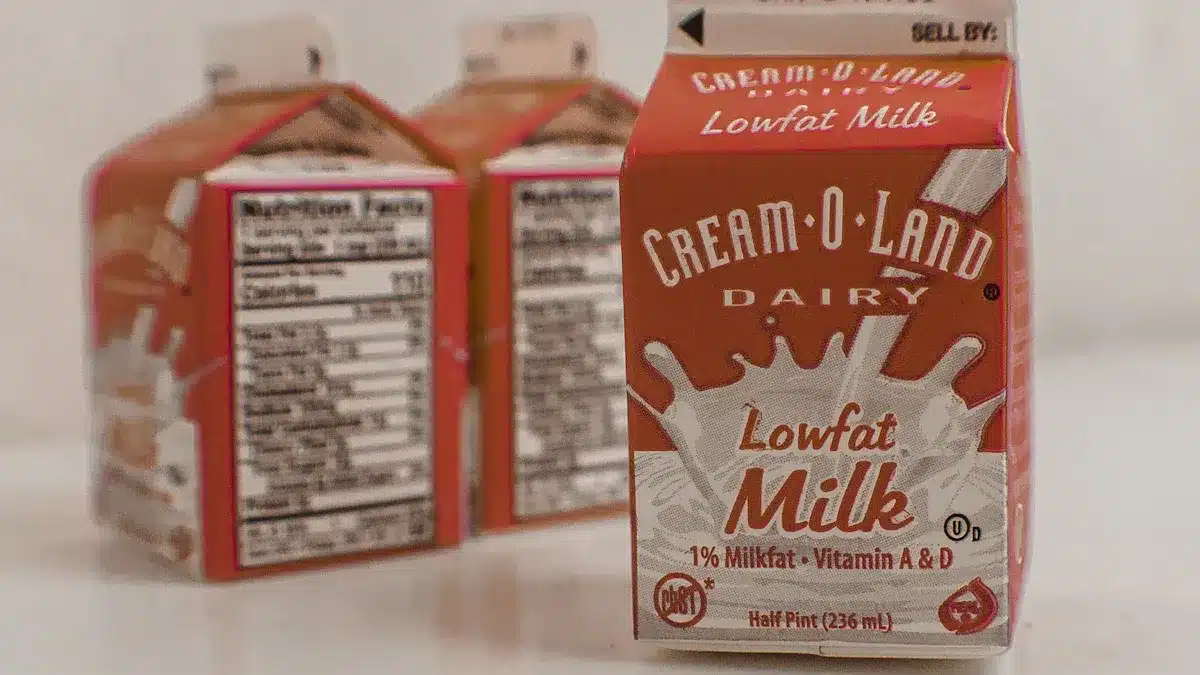
Cider makers use different ways to follow label rules. They want buyers to trust their drinks. Good labels help brands get noticed. Labels can change what people buy. Most cider makers show ingredients and nutrition facts. They also list alcohol by volume. These things help buyers know what they are drinking. They also help makers follow the rules. Hard cider labels need a health warning if there is at least 0.5% alcohol. Makers must list allergens and special ingredients for hard cider with less than 7% alcohol. A Certificate of Label Approval is needed to sell cider in other states. Some states let makers skip this step for local sales.
Common marketplace practices include:
Using labels that are clear and easy to read.
Picking simple styles with clean lines and big text.
Using label materials that are good for the planet.
Making labels that look old or vintage for nostalgia.
Adding colors, fonts, and pictures that fit the brand.
These ways help cider makers follow label rules. They also help them connect with buyers.
Cider is made in different ways in different places. Northern French cider, called cider, tastes balanced and has bitter notes. Spanish cider, called ciders, is sour and poured in a special way. English cider is dry and sometimes aged in oak barrels. These things change how makers label their cider. They also change how buyers think about each drink.
Aspect | Impact on Consumer Perception |
|---|---|
Apple Varieties | People use apple types to pick cider. They remember what they liked before. |
Production Methods | Fermentation details attract buyers who want new flavors. |
Sensory Descriptors | Labels that match events help sell cider and make drinking fun. |
Different ways of making cider mean different label rules. They also change what buyers expect.
Cider makers have many problems with label rules. Every label is a legal paper. The COLA process checks if labels are right. Makers must follow TTB and FDA rules. These rules are not always the same. Rules change often and can be hard to understand. Hard cider labels need exact words and formats for warnings. Makers must not use names that trick buyers. They must use the right category names for their drinks. Net contents must be shown in a certain way. Imported cider must say where it comes from.
Common labeling challenges include:
Figuring out hard government rules written in tough words.
Managing bubbles and alcohol levels for the right group.
Making sure flavor names and formulas are approved.
Avoiding mistakes in needed statements and health claims.
Keeping up with rule changes and stopping wrong labels.
Cider makers must learn about label rules. This helps them avoid breaking rules and keeps their cider legal.
A stainless steel cider tank is important in making cider today. Many cider makers use these tanks to make, age, and store cider. The COFF cider tank shows how new tools help meet more demand. Stainless steel cider tanks let makers control how cider ferments. Makers can change the temperature with cooling systems inside the tank. This helps every batch of cider taste the same. The tank keeps air out, so the cider stays fresh. Stainless steel cider tanks work for big or small batches. Producers can make a little or a lot without switching tanks.
Feature | Description |
|---|---|
Controlled Fermentation | Makers use cooling systems to keep fermentation steady and reliable. |
Durability | Stainless steel cider tanks resist corrosion and last for many years. |
Oxygen Protection | Airtight tanks stop oxygen from spoiling the cider. |
Temperature Regulation | Makers set exact temperatures for each stage of production. |
Sanitary Environment | Smooth surfaces make cleaning easy and keep the cider safe. |
Flavor Preservation | Stainless steel does not change the taste of cider. |
Stainless steel cider tanks help makers create good cider. The smooth surface stops stuff from sticking inside. Cleaning the tank is quick and easy. This keeps bad germs away from the cider. Makers know each batch will be safe to drink. Stainless steel cider tanks do not soak up flavors, so the cider tastes pure. The tanks stop air from getting in, so the cider keeps its smell and taste. These things are very important for special ciders.
Stainless steel cider tanks make cleaning and care simple.
The smooth inside keeps the tank clean for making cider.
Producers do not worry about old tanks changing the taste.
Stainless steel cider tanks are great for controlling temperature.
Makers keep the same conditions for every batch.
This means the cider tastes the same each time.
Feature | Stainless Steel Tanks | Traditional Methods |
|---|---|---|
Durability | High | Moderate (3-5 years) |
Corrosion Resistance | Yes | No |
Maintenance | Easy | Difficult |
Flavor Absorption | No | Yes |
Temperature Control | Precise | Limited |
Producers who buy stainless steel cider tanks get better results. They save time and money. The tanks help keep cider safe and tasty for everyone.
People want cider to taste the same every time. They look for drinks that stay fresh and have a steady flavor. Makers use different apples and ways to make cider, so the taste can change. The table below shows what can change cider quality:
Concern Type | Description |
|---|---|
Raw Materials | Using apples of different quality can make cider taste different. |
Fermentation Process | Changing how cider ferments can change its flavor and sourness. |
Production Methods | Making cider in different ways can change health benefits and quality. |
People notice when cider tastes different. They may stop buying from brands that do not keep the taste steady. Hard cider has these problems too. Makers must follow rules to keep cider good.
Clear labels help people trust cider and hard cider. Standards of identity make sure drinks use the right ingredients and methods. These rules help people feel safe about what they drink. Without standards, people may not know what is in the bottle. They might not trust the label. Makers who follow the rules earn trust from buyers. Honest labels show what is inside and how it was made.
Tip: Always read the label for alcohol level, ingredients, and warnings. This helps you pick cider that is right for you.
People want cider and hard cider that fit their tastes and beliefs. Many buyers like drinks with special flavors, earth-friendly packaging, and local apples. People who care about health look for cider with less alcohol or no alcohol. Fancy ciders made with craft methods are popular. Makers sell to adults aged 30 to 45 who care about quality. They use social media and events to show their cider.
Flavor diversification: Special mixes with tropical fruits, herbs, and spices.
Sustainability: Earth-friendly packaging and local apples.
Low-ABV and non-alcoholic options: Choices for people who want healthy drinks.
Premiumization: Fancy ciders made with care.
People also pick cider by how sweet it is. Surveys say 37% like semi-sweet cider, 28% like dry cider, and 26% want sweet cider. Buyers should look for clear labels, steady taste, and drinks that match what they like.
Apple cider and hard cider have different rules in the U.S. The FDA checks ciders with less than 7% alcohol. The TTB is in charge of ciders with more than 7% alcohol. Clear labels help people pick safe and good drinks. People should look for flavor, how many ways they can use it, and a balanced taste. The table below shows what people like most:
Flavor Characteristic | Consumer Preference |
|---|---|
Fruity | High preference |
Sweet | Positive taste perception |
Tropical Fruit Aroma | Popular sensory attribute |
Tip: Always read the label and choose cider that fits your taste.
Apple cider has little or no alcohol. Hard cider has alcohol because it is fermented. People drink apple cider like juice. Hard cider is a drink with alcohol.
The FDA does not make all apple cider get pasteurized. If cider is not pasteurized, it needs a warning label. This label tells people there could be harmful bacteria.
Stainless steel tanks keep cider safe and fresh. These tanks do not rust and are easy to clean. Makers can control the temperature for better fermentation.
Buyers should look at the label for ingredients, alcohol, and warnings. They can check for clear labels and steady taste. The table below shows what to look for:
Feature | What to Check |
|---|---|
Ingredients | Listed clearly |
Alcohol Level | Shown on label |
Warning Labels | Present if needed |