

COPYRIGHT © 2022 COFF International Co., ltd. ALL RIGHTS RESERVED

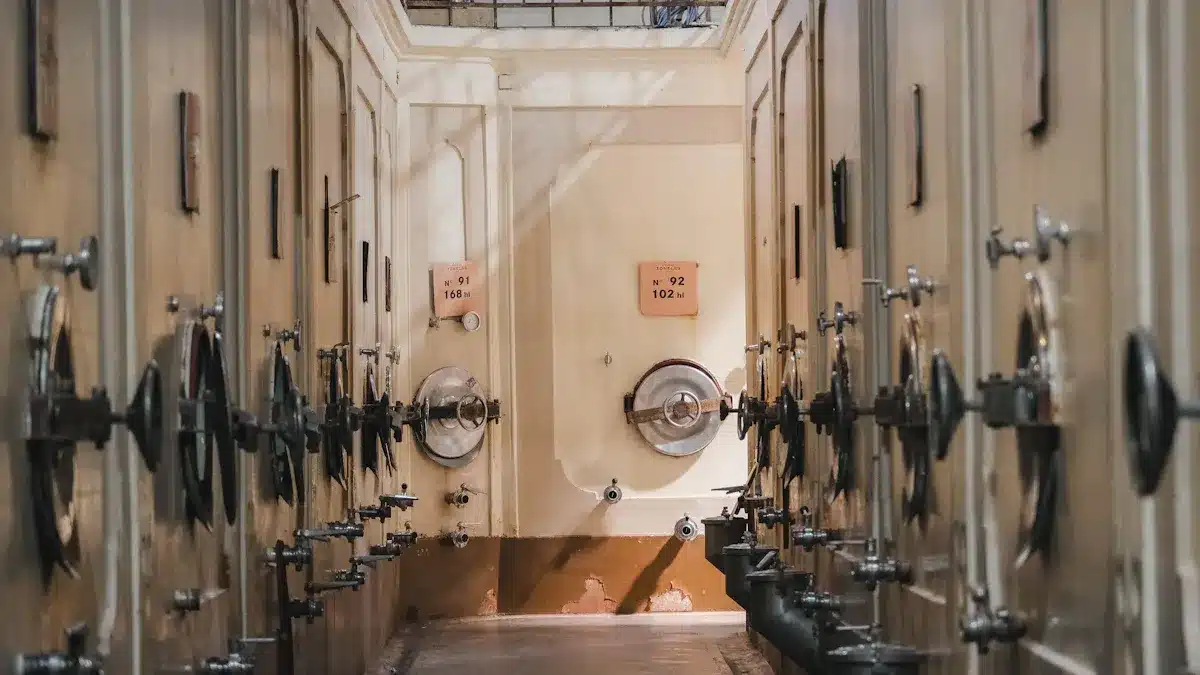
The time it takes to ferment 5 gallons of beer depends on the beer type. Ales usually finish fermenting in 2 to 5 days. But brewers say to wait two weeks for better beer. Lagers need 2 to 3 weeks to ferment. After that, lagers need more time to condition. The COFF beer tank has special cooling jackets and a conical bottom. These features help keep the right temperature and collect yeast well. Things like beer style, yeast strain, and temperature affect how long fermentation takes. Making beer at home with a fermentation tank or cider tank is different from using cosmetic processing tanks. Beer needs careful control during brewing.
Beer Type | Fermentation Time |
|---|---|
Ale | 2-5 days (recommended 2 weeks) |
Lager | 2-3 weeks (plus conditioning) |
Ales usually ferment in 2 to 5 days, but waiting 2 weeks makes the flavor better.
Lagers need 2 to 3 weeks to ferment, and then more time to condition.
Keeping the right temperature is very important. It changes how healthy the yeast is and how fast fermentation happens.
Using a COFF beer tank keeps the temperature steady. It also makes it easier to take out the yeast.
Checking gravity readings is the best way to know when fermentation is done.
When brewers make beer, they often start with ales. Ales are popular because they ferment quickly. For 5 gallons of beer, the typical fermentation duration for ales in a beer tank is 2 to 5 days. Many brewers wait 7 to 10 days to let the flavors develop. Some even wait two weeks for the best taste. The table below shows the usual time to ferment 5 gallons of beer:
Beer Type | Fermentation Time |
|---|---|
Ales | 2-5 days (recommended 7-14 days) |
Lagers | 2-3 weeks (plus conditioning) |
A COFF beer tank helps make beer by keeping the temperature steady. The cooling jackets in the fermentation tank keep the yeast happy. The yeast works best when the temperature stays the same. The conical bottom in the fermentation tank collects yeast and makes it easy to remove. This design helps the beer brewing process go smoothly.
The use of conical bottom tanks can affect fermentation time by allowing for faster fermentation and conditioning, particularly under pressure. This is especially beneficial for lagers, as higher pressure can reduce the production of off-flavors and esters, leading to a more efficient fermentation process.
When brewers ferment 5 gallons of beer, they want to avoid problems. They need to make sure the wort has enough air for the yeast. They also need to keep the pitching temperature just right. If the temperature is too high, the yeast can die. If the temperature is too low, the yeast works slowly. Brewers should not rely only on airlock bubbles to check if the beer is done. They should use a hydrometer to measure the gravity. This helps them know when the beer fermentation time is complete.
Lagers take longer to ferment than ales. For 5 gallons of beer, the primary fermentation in a beer tank lasts 2 to 3 weeks. After this, lagers need more time to condition. The total time to ferment and condition lagers can be 2 to 4 months. Lagers ferment at cooler temperatures, usually between 45º and 55ºF. This slow process gives lagers a clean taste.
Primary fermentation for lagers usually lasts 2-3 weeks.
After primary fermentation, lagers need several weeks to months for conditioning.
The total fermentation and conditioning process can take 2-4 months.
COFF beer tanks have cooling jackets that help keep the temperature low and steady. This is important for lagers. The cooling jackets in the fermentation tank remove heat made by the yeast. They keep the temperature between 7 and 13 degrees Celsius. This helps the yeast make clean flavors and aromas. If the temperature changes too much, the yeast can make unwanted flavors. The COFF beer tank helps brewers control the brewing process and make beer with a smooth taste.
When brewers make beer, they need to watch for common problems. They should not bottle the beer too early. If they do, the beer can become too fizzy. They should always check the gravity to make sure fermentation is done. Using a COFF fermentation tank helps brewers avoid these problems and make great beer every time.
The kind of beer changes how long it takes to ferment. Each beer style uses its own ingredients and recipe. Some beers have more malt or sugar. This gives yeast more food and makes fermentation take longer. Other recipes have less sugar, so yeast finishes faster. Brewers pick yeast strains that fit the beer style. For example, some yeast can finish fermenting faster.
Using more yeast can make fermentation go faster, but brewers must watch the temperature to stop bad flavors.
Fast yeast strains like Windsor or BRY-97 can make fermentation shorter.
Slowly raising the temperature from 50 to 70°F can speed up fermentation without hurting the beer.
Fermenting under pressure, like at 15 psi, lets brewers use warmer temperatures and still get good flavors.
The COFF beer tank helps with these changes. Its cooling jackets keep the temperature steady, which is important for every beer style. The conical bottom collects yeast, so it is easy to remove and keeps the brewing process clean.
Yeast is a living thing in the brewing process. Each yeast strain works best at certain temperatures. If the temperature is too high or too low, fermentation can slow down or even stop. Brewers must watch the temperature closely to keep yeast healthy and working. Good temperature control makes better beer.
Environmental Factor | Description |
|---|---|
Ambient Temperatures | Yeast needs the right temperature range to ferment well. Extreme temperatures can cause problems. |
Material Storage Conditions | Yeast, grain, and hops must stay fresh and cool to avoid trouble during fermentation. |
Lack of Sanitation | Dirty tanks can cause contamination and ruin the beer. |
Outside Contamination | Air can bring wild yeast or bacteria that mess up fermentation. |
Brewers use different ways to help yeast work well. They add oxygen to the wort before adding yeast. They use the right amount of yeast for the beer style. They add nutrients to keep yeast healthy. They control the temperature at the start of fermentation. Each yeast strain may need a different plan to make the best flavors.
COFF beer tanks help with these steps. The cooling jackets keep the temperature in the right range. The conical bottom collects yeast and makes cleaning easy. These features help brewers control how long beer ferments and make the brewing process better.
Tip: Clean equipment and steady temperatures help every batch of beer ferment well.
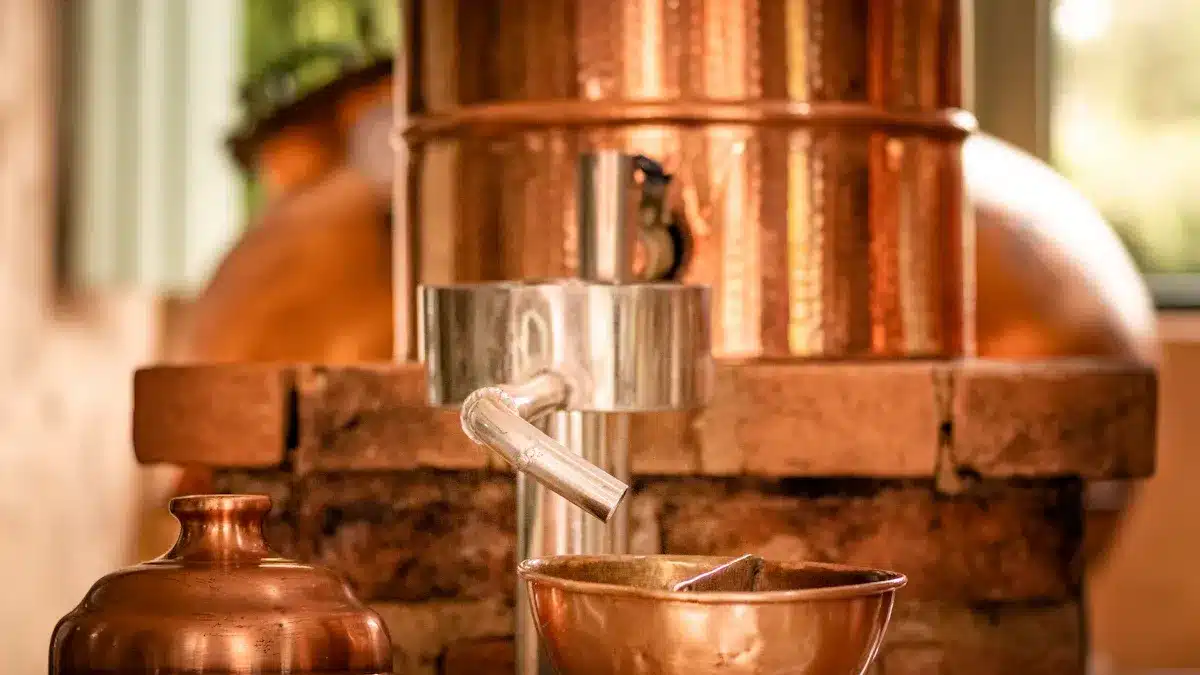
Brewers can look for different signs to see if fermentation is happening. When fermentation is active, bubbles move in the airlock. This means yeast is making carbon dioxide by eating sugars in the wort. Foam called krausen forms on top of the beer. The beer’s color might change, and it can look cloudy. These things show that yeast is busy.
COFF beer tanks help brewers spot these signs. The tanks have clear ports so brewers can look inside. They do not need to open the tank. This keeps the beer safe from air and germs. The tanks also have a CIP system. CIP means Clean-In-Place. This system makes cleaning simple and keeps the tank ready for new beer. Brewers can use these features to check the beer without stopping fermentation.
Some new beer tanks use sensors to watch fermentation. These sensors can measure gas flow or pressure. They help brewers know when fermentation slows down. Brewers use this information to decide when to check the beer with other tools.
Brewers use gravity readings to see if fermentation is done. Before fermentation, the wort has high specific gravity. This is because it has a lot of sugar. As yeast works, the gravity number drops. When the gravity stays the same for two days, fermentation is probably finished.
Here is an easy way to check if beer is done:
When bubbling stops for a day or two, take a gravity reading.
Wait 24 hours and take another reading.
If both readings are the same, fermentation is likely finished. If the final gravity is 1.000 or less, the beer is done. If it is 1.020 or higher, wait a few more days and check again.
The difference between the first and last gravity readings shows how much sugar the yeast used. This also helps brewers know the alcohol level in the beer. Studies show that higher starting gravity means yeast has more work. This can leave more sugar in the beer. Tracking these numbers helps brewers know how long beer stays in the tank and how good the beer is.
COFF beer tanks can make this easier. Some tanks have tools that measure oxygen and temperature. Automated controls keep the beer at the right temperature. Data logging lets brewers watch trends over time. These features help brewers check fermentation and make sure every batch is the same.
Feature | Impact on Fermentation Monitoring |
|---|---|
Inline measurement | Makes checking oxygen and temperature more accurate |
Automated controls | Gives steady responses to fermentation changes |
Data logging | Helps track and study fermentation trends |
Tip: Always use clean tools when taking gravity readings. This keeps the beer safe and helps get the best results from every batch.
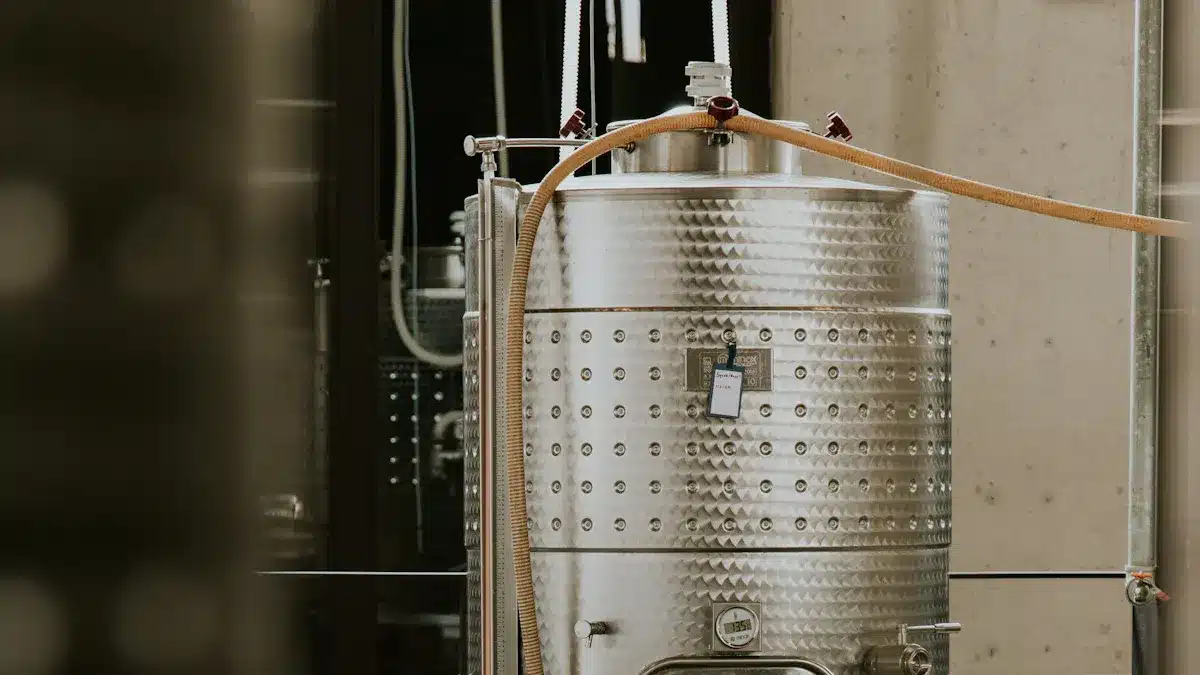
After fermentation, beer needs more time to get better. This step lets flavors grow and bad tastes go away. Brewers move beer to a clean tank or leave it in the same beer tank for conditioning. They usually cool the beer to between 10 and 15 degrees Celsius. This cooler temperature helps yeast drop to the bottom and makes the beer clear. Some beer styles, like lagers, need more time to condition. Lagers can take weeks or even months. Ales do not need as much time, often just one or two weeks.
During conditioning, brewers try not to change the temperature. They keep the beer at the same temperature to keep yeast healthy. This step is very important in making beer. COFF beer tanks help by keeping the temperature steady and making cleaning easy. These things help brewers make beer that looks clear and tastes smooth. Brewers also use filters and other steps to make the beer better before putting it in bottles or cans.
Tip: Keeping the temperature the same during conditioning stops bad flavors and gives the beer a clean taste.
Carbonation makes beer fizzy and gives it a nice feel in your mouth. Brewers can carbonate beer by letting it happen naturally or by adding carbon dioxide. How long carbonation takes depends on the way they do it. Normal carbonation takes about two to three weeks. Some brewers use faster ways, like raising the pressure, so carbonation can be done in about one week. The table below shows how long it takes to carbonate 5 gallons of beer:
Method | Time Required |
|---|---|
Standard carbonation | 2 to 3 weeks |
Initial carbonation | About 1 week |
Fast method (high pressure) | Shorter than 1 week |
After carbonation, brewers put beer into bottles, cans, or kegs. Each way can change how the beer tastes at the end. Cans keep beer safe from light and air, so the flavor stays fresh. Bottles also keep beer fresh but must be stored the right way. The way beer is packaged can change how people enjoy it. COFF beer tanks make it easy to move beer to bottles, cans, or kegs, which helps both home brewers and big breweries.
Brewers often wonder, “how long does it take to make beer?” and “how long does it take to brew beer?” The answer depends on how long fermentation, conditioning, and packaging take. Taking good care of beer after fermentation helps it taste great every time.
Fermenting 5 gallons of beer in a COFF beer tank takes about 5 to 10 days for ales. Lagers need about 7 to 10 days to ferment. Many things can change how fast fermentation goes:
The yeast strain and temperature control can make fermentation faster or slower.
Good tanks keep the beer safe and stop germs from getting in.
Watching the beer closely helps it taste good and look clear.
Step | Benefit |
|---|---|
Using finings | Makes the beer look clearer |
Cold crashing | Helps the yeast fall to the bottom |
Tracking analytics | Shows if there are problems |
Taking your time and being careful at every step makes the beer better each time.
Tank size does not change the fermentation time for 5 gallons of beer. Yeast activity and temperature control matter more. COFF beer tanks help keep the right conditions for any batch size.
Opening the tank can let in air and germs. This can spoil the beer. COFF beer tanks have clear ports so brewers can check progress without opening the tank.
Ales ferment best at 65–72°F. Lagers need cooler temperatures, usually 45–55°F. COFF beer tanks use cooling jackets to keep these temperatures steady.
Brewers check the gravity with a hydrometer. If the reading stays the same for two days, fermentation is done. Bubbles in the airlock may slow down, but gravity readings give the best answer.
A conical bottom collects yeast and sediment. This design makes it easy to remove waste and keeps the beer clear. COFF beer tanks use this feature for better results.