


COPYRIGHT © 2022 COFF International Co., ltd. ALL RIGHTS RESERVED

Stainless steel wine tanks are the main choice for wine fermentation. They are very clean, strong, and can be used in many ways. Winemakers sometimes use glass, plastic, and oak containers for other reasons. Each type of container works for certain batch sizes, costs, and wine types. NB COFF is a reliable stainless steel tank manufacturer.
Winemakers need to pick a wine tank or container that fits their goals and what they have.
Stainless steel tanks are the best choice for winemakers. They are easy to clean. They last a long time. They help control temperature well.
Oak, glass, and plastic have their own special benefits. These materials change the taste of wine. They work better for different types of wine.
It is important to control oxygen during fermentation. Stainless steel lets you manage oxygen very well. Oak gives wine more flavor by letting in some air.
Money matters when picking a container. Stainless steel tanks cost more at first. They save money in the long run. Plastic and glass are cheaper for people just starting out.
Picking the right container depends on how much wine you make. It also depends on the kind of wine and your winemaking skills. These things change how fermentation works.
The material of the container affects how wine is made. Stainless steel, oak, glass, and food-grade plastic all have special benefits. Stainless steel does not rust and is easy to clean. It does not change how the wine tastes. Oak barrels give the wine wood flavors and let in some air. Glass containers are good for small batches and testing new ideas. Food-grade plastic is light and cheap, so beginners like it. Some winemakers use containers made from more than one material to get extra benefits.
Container Type | Key Characteristics |
|---|---|
Stainless Steel | Does not rust, easy to clean, keeps temperature steady, does not change wine flavor. |
Oak Barrels | Adds wood flavor, lets in air, makes wine more complex, used for a long time in winemaking. |
Glass Containers | Does not react with wine, good for small batches and testing, often used in big bottles. |
Food-grade Plastic | Light, cheap, good for small batches, sometimes used instead of other materials. |
Mixed-material Containers | Uses more than one material, may have special coatings to help wine. |
Oxygen is important when making wine. Stainless steel tanks let winemakers control how much oxygen gets in. Oak barrels let in a little air, which can make wine taste smoother and more interesting. Clay amphorae also let in a small amount of air, which changes how wine tastes and feels. Glass and plastic containers keep air out, so the wine stays fresh.
A good wine container should be easy to clean and last a long time. Stainless steel tanks need to be cleaned right after use so stuff does not build up. High-pressure water and steam work best for cleaning. Passivation is a special cleaning step that helps stainless steel not rust. Glass containers do not react with wine, but they can break easily. Oak barrels need careful cleaning so mold does not grow. Plastic containers can get scratched, which makes cleaning harder.
The shape and material of the container change how wine tastes. Oak barrels give wine wood flavors and let in air to make tastes more complex. Stainless steel tanks keep the wine’s taste pure and help control temperature. Clay and amphorae give wine earthy flavors. Glass and plastic do not add flavors, so the wine tastes clean and fresh.
Winemakers need to think about price and how easy it is to find each container. Stainless steel tanks cost a lot at first but last many years. Oak barrels are expensive and need to be replaced after a few uses. Glass containers are cheap for small batches but not for big ones. Plastic is the cheapest but does not last as long. Here are some usual prices:
Small variable capacity wine tank: $985 – $1,650
Stainless steel cube tank (1500L): $3,300
Floating lid wine tanks (800L-5000L): $3,800
Plastic (HDPE): $50 – $500
Tip: Pick a container based on your goals, budget, and the kind of wine you want to make.
Glass carboys are used by people making small amounts of wine. They have many good points:
Glass does not react with wine or add chemicals.
The smooth surface is easy to clean and stops bacteria from hiding.
Glass carboys keep air out, so wine stays fresh.
They last a long time if you are careful.
But glass carboys are heavy and can break. Winemakers need to be careful when using them.
Stainless steel wine tanks are the main choice for big wineries. These tanks have many benefits:
The smooth surface does not hold dirt and is easy to clean with hot water or steam.
They do not rust or wear out, so they last a long time.
Some tanks have cooling jackets to control temperature.
They are strong and do not need much care.
COFF is a top brand for these tanks. Their tanks use strong stainless steel and smart designs. COFF tanks have important safety certificates and help wineries with support. Many winemakers pick stainless steel tanks for clean wine, steady temperature, and long use.
Food-grade plastic containers are good for beginners and people who want to save money. The table below shows how plastic compares to other choices:
Container Type | Advantages | Disadvantages | Best For | Key Considerations |
|---|---|---|---|---|
Plastic Buckets and Bins | Cheap, light, easy to use | Can get scratched, wine may spoil | Saving money, red wine | Clean well, not for aging |
Glass Carboys | Strong, keeps air out, easy to see inside | Heavy, can break | Small batches, white wine | Be careful when moving |
Stainless Steel Tanks | Does not react, keeps air out, easy to clean, controls temperature | Costs more, may need cooling jackets | High quality, long use | Keeps grape taste |
Plastic containers are good for short wine making. They must be cleaned well because scratches can hold germs. They are not good for keeping wine a long time.
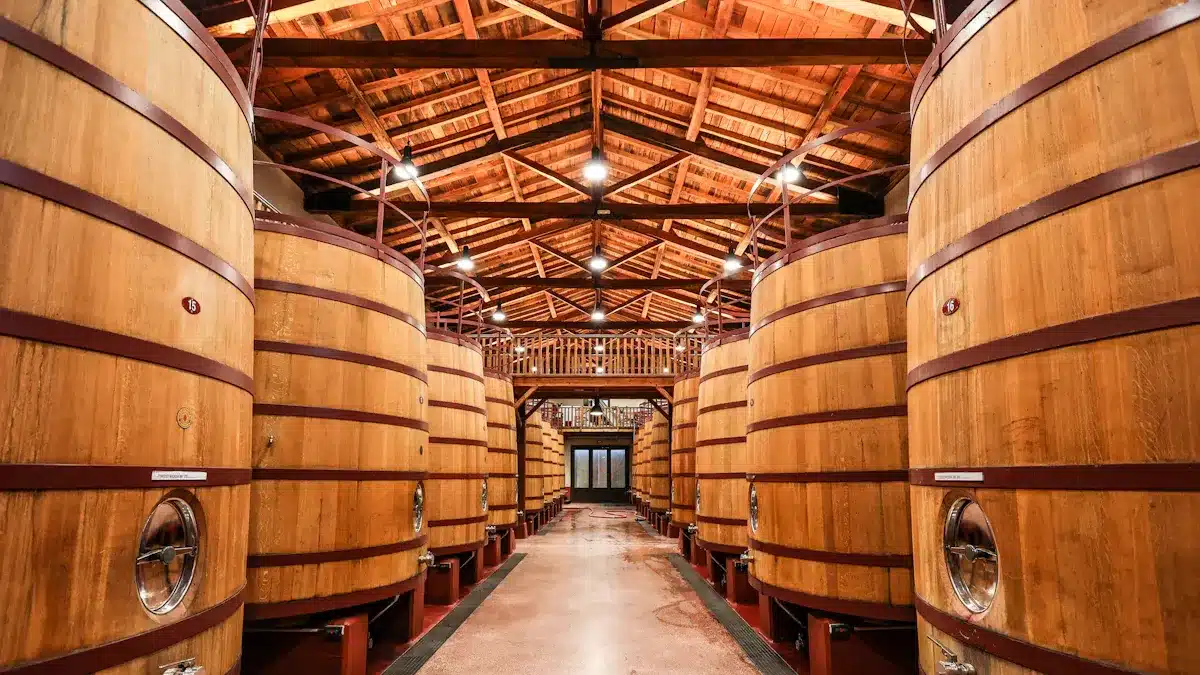
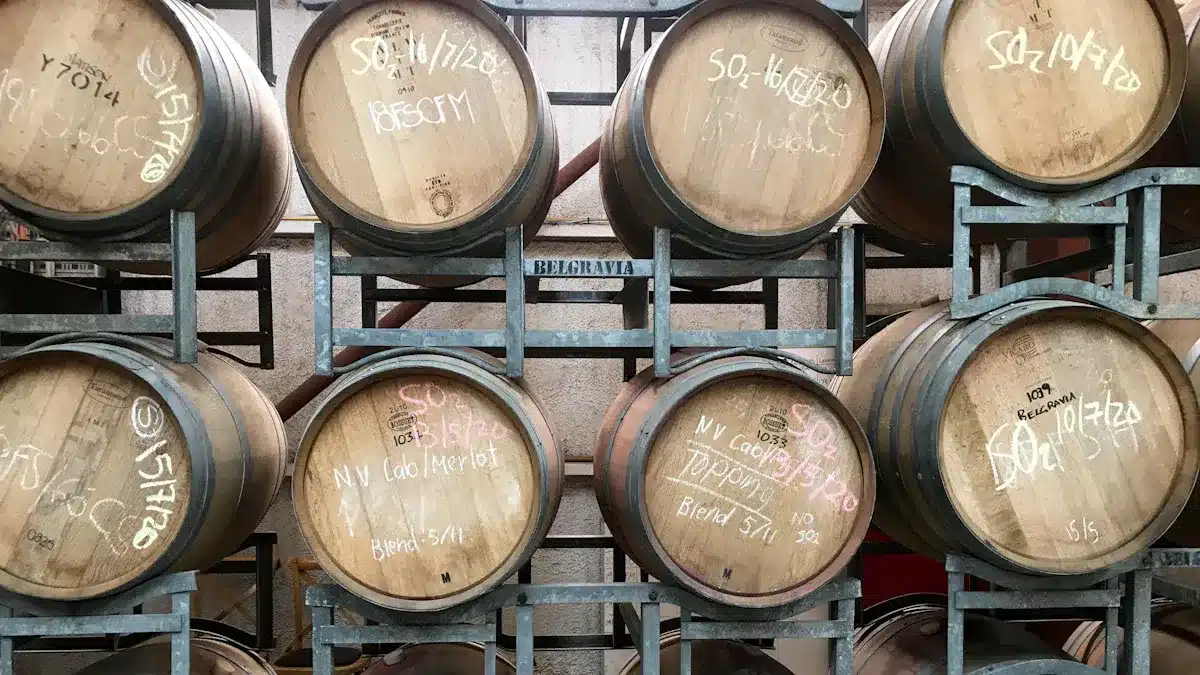
Oak barrels have been used for wine for many years. They have special benefits:
Oak gives wine new flavors and smells, like spice and fruit.
The barrel lets in a little air, which helps make wine taste better.
Many winemakers use oak barrels to age wine, not just to make it.
Oak barrels cost more than other containers. The price depends on the kind of oak and how the barrel is made. Barrels can only be used a few times before they stop adding flavor.
Tip: Every container has good and bad points. Winemakers should pick the right one for their wine, money, and how much wine they make.
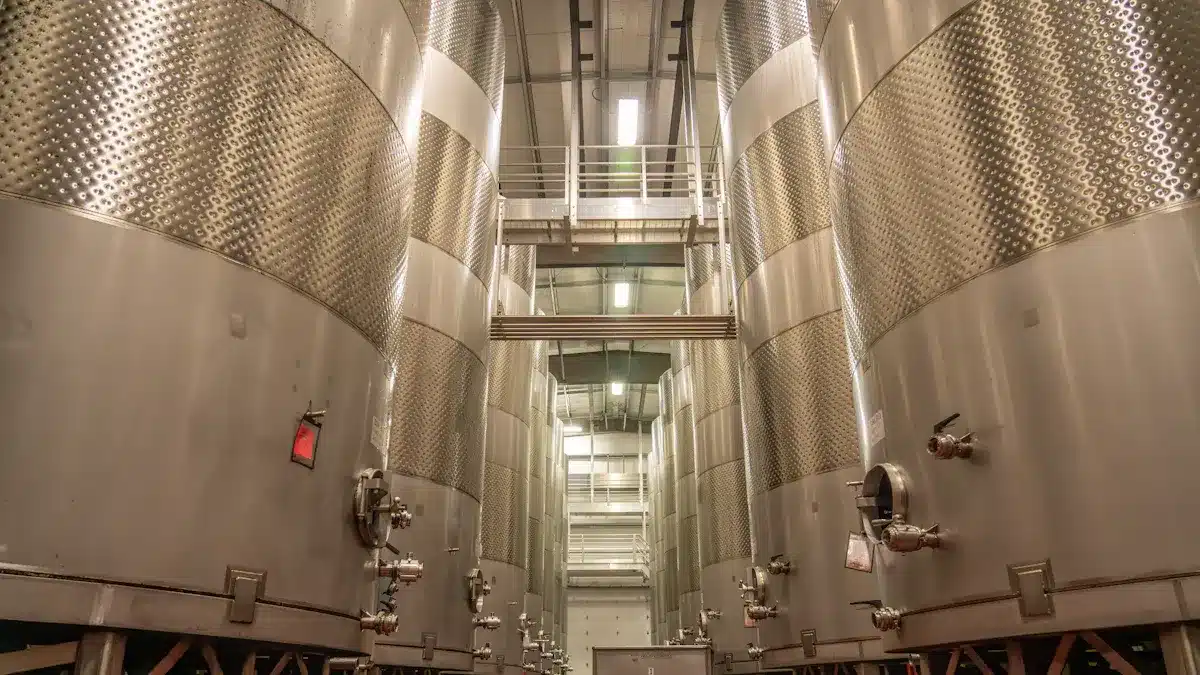
Stainless steel wine tanks are very popular with winemakers. These tanks have many good points that help make great wine.
Superior Hygiene: Stainless steel has a smooth surface. It is not porous, so cleaning is easy. Bacteria cannot hide in the tank. Wood lets germs form hard-to-clean spots, but stainless steel does not. A clean tank keeps wine tasting fresh.
Evidence | Description |
|---|---|
Non-porous surface | Stainless steel stops germs from hiding, so cleaning is easy. |
Biofilm removal | Spoilage germs can be cleaned away, unlike in wood. |
Consistency in flavor | Clean tanks keep wine flavors true and fresh. |
Temperature Stability: Stainless steel tanks keep the temperature steady. This helps wine get its best flavors. Many tanks have cooling jackets or special systems. Oak barrels and plastic containers cannot control temperature as well.
Steady temperature control
Helps wine taste its best
Stops sudden changes that hurt wine
Flavor Neutrality: Stainless steel does not add flavors to wine. The grape’s natural taste stands out. Winemakers can make crisp wines that show the grape’s real flavor.
Durability and Cost-Effectiveness: Stainless steel tanks last for years. They do not rust or soak up flavors. Winemakers can use them many times without leftover tastes.
Easy Maintenance: The smooth surface makes cleaning quick. Regular cleaning keeps the tank working well. Winemakers check for scratches or dents to keep it safe.
Certifications and Global Reputation: Top brands like COFF have important certificates. These show they care about safety and quality.
Certification/Standard | Description |
|---|---|
ISO9001-2005 | Quality management systems |
ISO14001-2015 | Environmental management systems |
OHSAS18001-2007 | Health and safety standards |
EU CE | European safety standards |
COFF wine tanks come with help from engineers and experts. Wineries all over the world trust COFF for strong tanks and good support.
Stainless steel wine tanks help winemakers make clean, fresh, and high-quality wine every time.
Some winemakers have questions about stainless steel tanks. Here are common worries and how companies fix them:
Concern | Solution |
|---|---|
Lack of flavor contribution | Winemakers can use oak barrels after to add flavors. |
Installation challenges | Companies give special tools and help for setup. |
Oxygen management | Tanks can use micro-oxygenation to soften wine. |
Stainless steel tanks do not add flavors like oak. Winemakers can move wine to oak barrels after if they want those tastes. Big tanks can be heavy and hard to set up, but companies like COFF help with equipment. Some winemakers worry about oxygen. Modern tanks let winemakers control oxygen so wine develops well.
Stainless steel tanks work for most wines, but other containers are useful too. Winemakers sometimes pick glass, plastic, or oak for special reasons.
Oak barrels: These add flavors like vanilla and spice. They also make wine softer and more complex. Red wines and some Chardonnays age in oak.
Glass: Glass does not react with wine and keeps air out. It is good for small batches and testing, but it is heavy and can break.
Plastic: Plastic is light and cheap. Many home winemakers use it for small batches. It can scratch easily and may let in air.
Winemakers pick containers based on wine style, batch size, and budget. Stainless steel is best for crisp white wines that need freshness. Oak is better for red wines that need more flavor.
Tip: The best container depends on the wine you want to make and the tools you have. Stainless steel wine tanks give the most control and cleanliness, but other choices can help make special wines.
Winemakers pick containers based on how much wine they make. Small batches use glass carboys or food-grade plastic bins. Big wineries use stainless steel wine tanks for lots of wine. The right tank size helps control fermentation and stops spills. The table below lists important things to think about for batch size:
Factor | Description |
|---|---|
Material Types | Different materials change wine flavor and quality. |
Tank Sizes | Size matches batch, grape type, and fermentation style. |
Temperature Control | Proper size helps keep temperature steady. |
Maintenance | Clean tanks stop contamination and off-flavors. |
Design Features | Special features improve winemaking efficiency. |
Tip: Winemakers should leave space for foam or cap rise during fermentation to avoid overflow.
Budget is important when picking a wine container. Stainless steel tanks cost more at first but last many years. Glass and plastic containers are cheaper for small batches. Oak barrels add flavor but need to be replaced after a few uses. The table below shows prices for different tank sizes:
Tank Size/Capacity | Material | Price Range (USD) |
|---|---|---|
5 Gallons | Stainless Steel | $150 – $300 |
50 Gallons | Stainless Steel | $1,000 – $2,500 |
500 Gallons | Stainless Steel | $5,000 – $10,000 |
1,000+ Gallons | Stainless Steel | $10,000 and up |
Stainless steel tanks cost more at first. They last long and save money over time.
Different wine styles need different containers. Stainless steel tanks work well for crisp white wines and rosés. Oak barrels are good for red wines and Chardonnays because they add more flavors. Concrete tanks help reds and whites by keeping temperature steady. Clay amphorae let in a little air, which keeps grape flavors pure.
Stainless steel and concrete tanks keep wine flavors clean.
Oak barrels add spice and vanilla notes to reds and some whites.
Clay amphorae work best for natural wines and light reds.
Winemakers with less experience start with simple containers. Food-grade plastic bins are light and easy to use. Beginners should pick BPA-free and food-grade materials. Glass carboys help with small batches and are easy to watch. Experienced winemakers use stainless steel tanks for better control and cleanliness. Oak barrels and concrete eggs need more skill to clean and use.
Beginners should use containers that are easy to clean and carry. Professionals pick advanced tanks for better control.
Stainless steel wine tanks are the most popular choice. They are clean, strong, and easy to control. Glass, plastic, and oak containers are used for some wines and batch sizes. A good wine tank keeps the wine safe and helps keep its taste and smell. Smart tanks with sensors help winemakers make better wine for less money.
Experts from brands like COFF help winemakers pick the right tank.
Picking the right container can make winemaking easier and improve the wine.
Stainless steel wine tanks keep wine clean and safe. They do not rust. They are easy to clean. Many winemakers use them for their strong build and steady temperature control.
Yes, beginners can use glass carboys. These containers work well for small batches. Glass does not react with wine. People must handle them with care because glass can break.
Oak barrels add flavors like vanilla, spice, and toast to wine. They let in a small amount of air. This process makes the wine taste smoother and more complex.
Food-grade plastic containers are safe for short-term wine fermentation. They are light and easy to use. Winemakers must clean them well. Scratches can hold germs, so careful cleaning is important.
Many wineries choose COFF wine tanks for their quality and support. COFF tanks use strong stainless steel. They offer many designs. COFF provides help from engineers and holds important safety certificates.