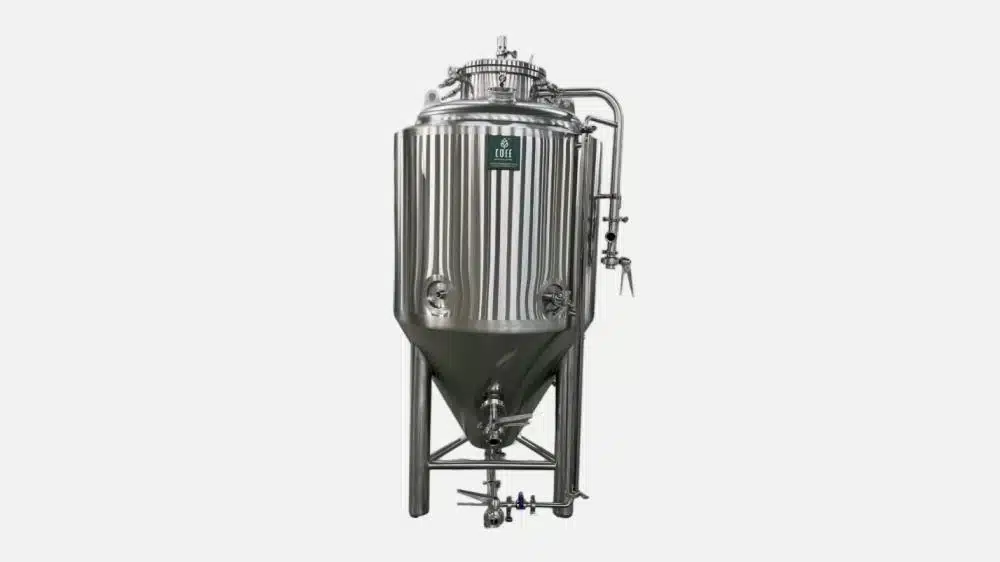


COPYRIGHT © 2022 COFF International Co., ltd. ALL RIGHTS RESERVED

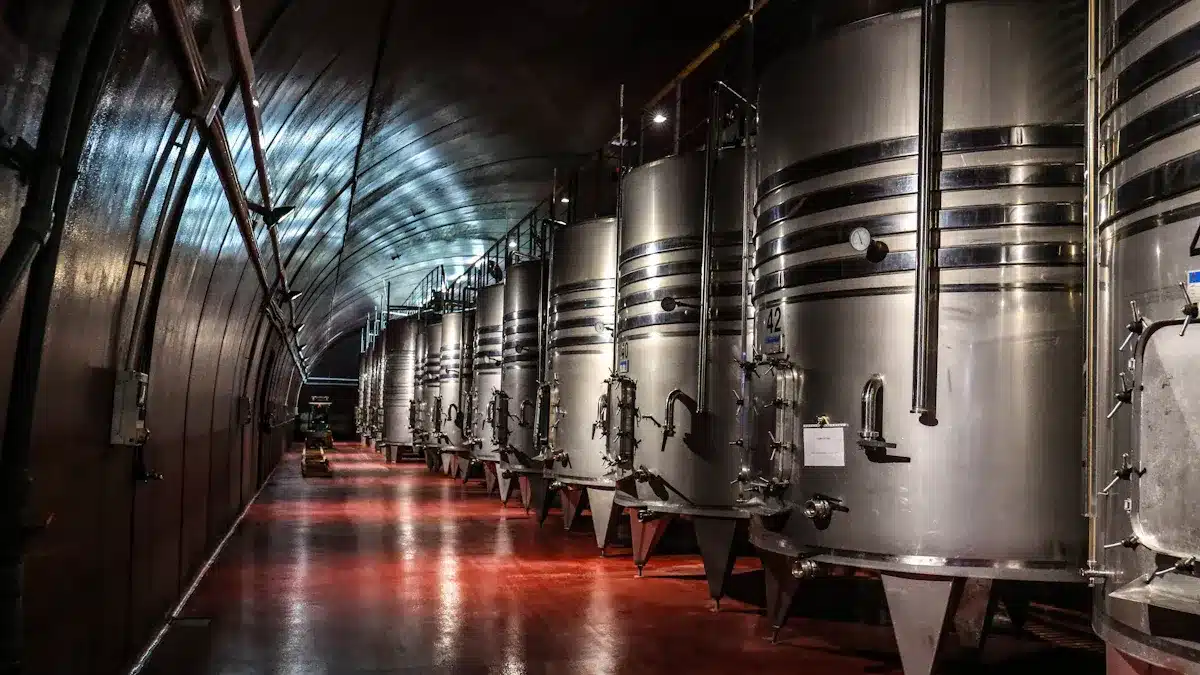
Yes, winemakers can make wine in a stainless steel wine tank. Stainless steel tanks are popular because they do not change the taste. They also help keep everything very clean. Many wineries now use stainless steel wine tanks instead of older types. More people are starting to use them each year. The table below shows how much the market is worth:
Year | Market Value (USD) |
|---|---|
2024 | 2.1 billion |
2033 | 3.5 billion |
COFF is a leading wine tank manufacturer. They also support craft brewing equipment manufacturers. Additionally, they assist those who utilize stainless steel milk tanks.
Stainless steel wine tanks keep the wine’s taste clean. They do not give the wine any strange flavors, so the grape’s real taste stands out.
These tanks are simple to wash and take care of. Their smooth sides stop germs and make cleaning easy, which helps make good wine.
Controlling temperature is a big plus with stainless steel tanks. They let winemakers set the best heat for different kinds of wine.
Buying stainless steel tanks can help save money over time. They last longer than oak barrels and need less work, so they are a smart pick for wineries.
Stainless steel tanks work well for all sizes of wineries. Both small and big wine makers can use them because they are strong and work well for making wine.
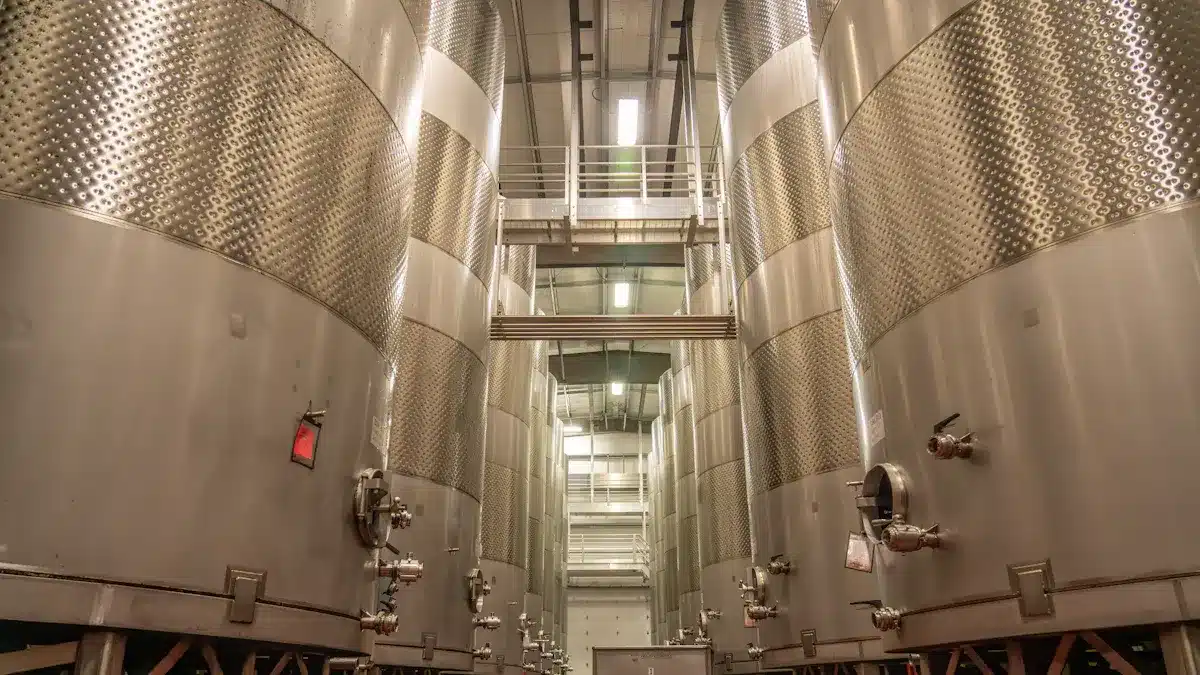
A stainless steel wine tank keeps the wine’s taste unchanged. The tank does not add any flavors to the wine. Winemakers pick stainless steel tanks to keep the taste pure. This helps the wine stay fresh. It is great for fermentation when winemakers want the grape’s real flavor. Many types of grapes do well with this method. The tank helps keep the grape’s true character. It also stops oxygen from getting in. This keeps the wine’s fresh and fruity taste.
Stainless steel wine tanks keep the wine’s fruit taste strong. They do not change the flavor. Winemakers like them because they show the wine’s real taste.
Stainless steel tanks seal tightly. This keeps oxygen out and protects the wine. The wine keeps its bright flavors and does not spoil. The tank’s smooth surface makes cleaning simple. Winemakers find it easy and cheap to clean. COFF wine tanks use strong AISI 304 and 316 stainless steel. These tanks do not rust and can handle chemical cleaners.
“Stainless steel is easy to clean and works with chemical cleaners. So, clean your tanks and enjoy using stainless steel.”
Stainless steel wine tanks last a long time. They can work for 20 to 30 years. They can handle tough conditions. This makes them good for small and big wineries.
Controlling temperature is important during fermentation. Stainless steel wine tanks have cooling systems. These help winemakers set the right temperature. This makes it easier to make different wine styles. COFF has jacketed tanks, variable capacity tanks, and conical bottom tanks. Each type helps with fermentation.
TANK TYPE | DESCRIPTION | IDEAL FOR |
|---|---|---|
Variable Capacity Tank | Lid moves to fit wine and lowers oxidation risk | Red and white wine fermentation |
Jacketed Tank | Double walls help control temperature | Red wine fermentation |
Conical Bottom Tank | Cone bottom makes removing sediment easy | Red wine fermentation |
Good stainless steel wine tanks help control heat when yeast is active. This keeps the wine’s smell and color safe. Sensors and controllers help winemakers set the temperature exactly. This is great for fermentation and makes wine taste the same every time.
Stainless steel wine tanks have many good points for winemakers. Many experts pick these tanks because they work well and last long. Here are some main reasons:
Stainless steel tanks keep air out. This stops oxygen from touching the wine. The wine stays fresh and keeps its acid.
Winemakers can stop too much oxidation. This keeps the fruit flavors strong and clear in the wine.
The tanks are smooth and not porous. This makes them easy to clean and sanitize. It also lowers the chance of bad germs or microbes.
Stainless steel tanks are tough and last many years. They do not rust or take in flavors. Winemakers can use them again and again without old tastes mixing in.
These tanks help control the temperature during fermentation. This saves the wine’s smell and keeps its true taste.
Stainless steel does not change the wine’s flavor. The grape’s real taste is easy to notice in the wine.
Over time, stainless steel tanks cost less than oak barrels. They last longer and need less fixing.
Tip: Stainless steel wine tanks help winemakers make clean, fresh wine that tastes the same every time.
Stainless steel tanks are great, but there are some problems too. The table below lists some common issues:
Drawback Description |
|---|
They cost more at first than other tanks, but last longer. |
They do not add flavor, so winemakers may need oak aging. |
Big tanks can be hard to set up and may need special tools. |
Not much oxygen gets in, so winemakers might use micro-oxygenation. |
Some studies say making stainless steel tanks uses more energy than making concrete tanks. This means they can cause more pollution when made. But, since they last a long time and can be recycled, this can help balance things out later.
A clean wine fermentation vessel is very important. It helps make good wine. Before using a stainless steel tank, winemakers must clean and sanitize it well. This keeps out bad germs and keeps the wine’s taste pure.
Step-by-step cleaning and sanitizing process:
Rinse the tank with warm water to get rid of dirt. Look at the bottom and check all gaskets.
Wash the tank with an alkaline detergent. Run the cleaner through the spray ball for 10 to 20 minutes. Scrub the valves and the sample port.
Rinse with an acid solution like citric or nitric blends. This makes the tank shiny and helps stop rust.
Sanitize the tank with a food-grade sanitizer like peracetic acid. Let it sit for at least 10 minutes. Drain the tank but do not rinse if the sanitizer says so.
Seal the tank to keep out dust and fruit flies. If you want a cold soak, cool the tank to 10°C before filling.
Tip: Do not use bleach or chlorinated cleaners. These can make the wine smell bad. Always use gentle alkaline cleaners and food-safe sanitizers for stainless steel fermentation.
Check and take care of the fermenter often. This stops hygiene problems and rust. COFF’s team gives help and advice to winemakers. They help keep the stainless steel tank working well and make sure wine is made safely.
After cleaning, the winemaker can start making wine. The steps below show how to ferment wine in a stainless steel tank for the best taste and quality.
Steps to start fermentation:
Fill the wine fermentation vessel with must or juice. Make sure all valves are closed. Some winemakers use gas to push out oxygen.
Add yeast to start fermentation. Pick yeast that fits the wine style you want.
Set the right temperature for the wine type. Use the tank’s temperature control system to keep it steady.
A good stainless steel fermenter lets the winemaker control the process. This helps keep the wine’s natural acid and flavors. COFF gives full solutions and support to winemakers. They help pick the right fermenter and make good wine every time.
Note: Check the wine every day and test it. This helps find problems early.
Controlling temperature is a big plus with stainless steel fermentation. A temperature system lets the winemaker change the inside of the fermenter. This keeps the wine safe from bad reactions and keeps the taste good.
Stainless steel tanks give great temperature control. This is important for fermentation.
Little oxygen keeps the wine fresh and fruity.
The airtight wine fermentation vessel keeps the acid and taste pure.
Aspect | Stainless Steel Tanks | Traditional Oak Barrels |
|---|---|---|
Temperature Control | Excellent | Limited |
Preservation of Flavors | Yes | Yes, but with oak |
Consistency in Quality | High | Variable |
COFF’s fermenters have special temperature control parts like jacketed walls and sensors. These help winemakers control fermentation and make good wine. COFF’s team gives advice and help from picking a fermenter to keeping it working for many years.
COFF’s support team helps winemakers with cleaning, fixing, and temperature control. This makes sure the wine is always good and safe.
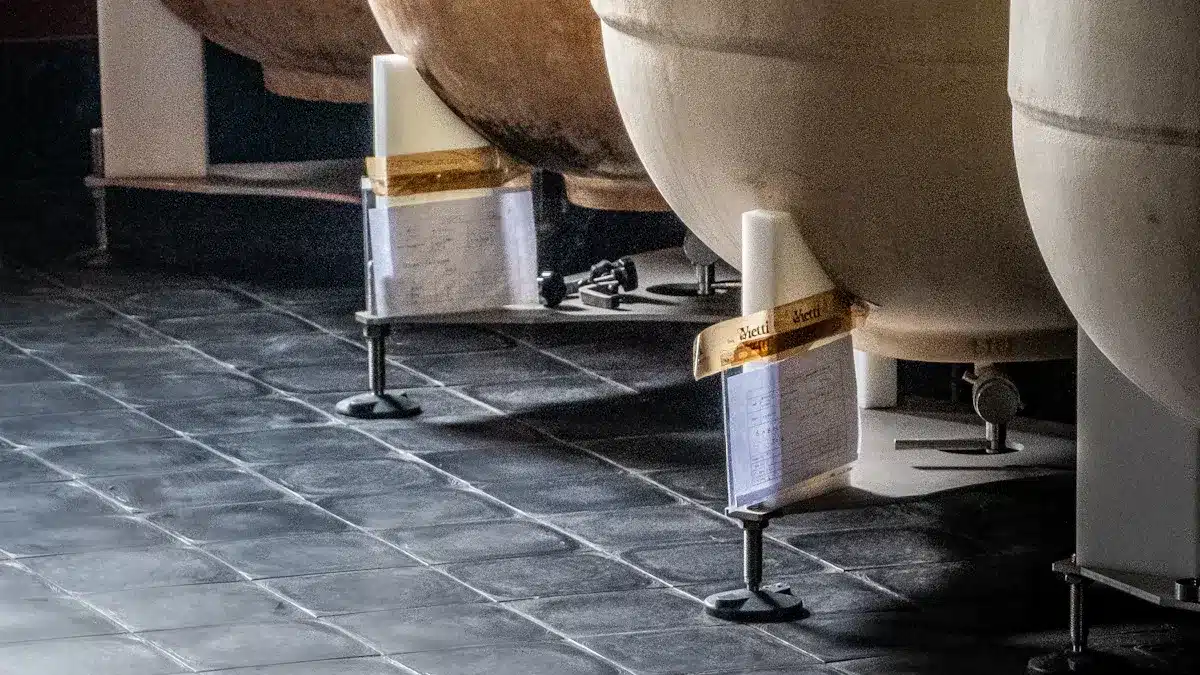
The tank you use changes wine’s taste and smell. Stainless steel tanks keep the fruit’s real taste. They do not add new flavors or smells. Oak barrels give wine flavors like vanilla and clove. Concrete tanks let in some oxygen. This makes the wine softer but does not add flavor. The table below shows how each tank affects taste and smell:
Tank Type | Flavor Impact | Aroma Impact |
|---|---|---|
Stainless Steel | Keeps wine fresh and sour, no new flavors | Keeps grape’s natural smell |
Oak | Adds vanilla, clove, and spice | Gives woody and spicy smells |
Concrete | Shows grape taste, makes wine softer | Keeps wine fresh, lets in some oxygen |
A study showed wines in oak barrels had more smell compounds. These included terpenes and eugenol, which make spicy smells. Wines from stainless steel tanks did not have these woody or spicy smells. So, the tank you pick changes the wine’s final smell.
Different tanks are best for certain wine types. Stainless steel tanks work well for crisp white wines and rosés. They help keep the wine fresh and sour during fermentation. Oak barrels are good for strong red wines and complex white wines. Concrete tanks are best for wines that show the grape’s true taste. The table below shows which tank fits each wine style:
Vessel Type | Characteristics | Best Suited Wine Styles |
|---|---|---|
Stainless Steel | Neutral, airtight, keeps grape taste | Crisp whites, rosés |
Oak | Adds flavors, lets in oxygen | Strong reds, complex whites |
Concrete | Softens sour taste, keeps grape taste | Wines with pure grape taste |
Winemakers think about price and care when picking tanks. Stainless steel tanks cost more at first but last 20 to 30 years. They are easy to clean and do not rust. Oak barrels cost less to buy but need to be replaced often. Concrete tanks cost a medium amount and need special care. The table below compares cost and care:
Material Type | Typical Lifespan (Years) | Maintenance & Replacement Costs Over 10 Years |
|---|---|---|
Stainless Steel | 20-30+ | Low, easy to clean, rare replacement |
Oak Barrels | 3-5 | High, needs lots of care and replacing |
Concrete Tanks | ~10 | Medium to high, needs special cleaning |
Stainless steel tanks cost more at first but need less care.
Oak barrels need more care and cost more over time.
Concrete tanks need special cleaning and fixing.
Buying good tanks can save money by stopping spoilage and making cleaning easier. Stainless steel tanks are a smart choice for long-term use.
Experts say stainless steel tanks keep wine fresh. These tanks do not change the wine’s taste. Wines show the real flavor of the grapes. Many winemakers use stainless steel for white wines. It helps keep the wine’s natural acid. Some people think stainless steel makes wine taste like metal. Others think only big wineries use these tanks. These ideas are not true. Stainless steel tanks work for small and big wineries. They help keep the wine’s flavor pure.
Scenario | Advantages |
|---|---|
Small-batch production | You can change the amount to stop spoilage. This keeps the wine good. |
Large-scale production | The tanks are strong and last long. They are great for big wineries. |
Temperature-sensitive wines | You can set the temperature for special wines like whites. |
Experimental blends | You can try new ways and make different wines. |
COFF makes strong stainless steel tanks for all winemakers. Winemakers should think about what they want and what they have before picking a tank.
Stainless steel does not make wine taste like metal.
Stainless steel tanks work for all winery sizes.
A stainless steel wine tank can last over 20 years. Many winemakers use these tanks for decades because they resist rust and damage. Regular cleaning helps keep the tank in good shape.
Small wineries can use stainless steel tanks. COFF offers tanks in many sizes, including options for small batches. These tanks help small producers make high-quality wine with easy cleaning and control.
Stainless steel tanks do not change the flavor of wine. The tanks keep the grape’s natural taste. Winemakers choose stainless steel when they want pure fruit flavors without extra notes.
Winemakers should rinse the tank with warm water, use an alkaline cleaner, and finish with a food-safe sanitizer. Avoid bleach. Cleaning keeps the tank safe for fermentation and storage.
Stainless steel tanks are easy to maintain. The smooth surface helps prevent stains and buildup. Winemakers can clean them quickly and check for problems with simple tools.