


COPYRIGHT © 2022 COFF International Co., ltd. ALL RIGHTS RESERVED

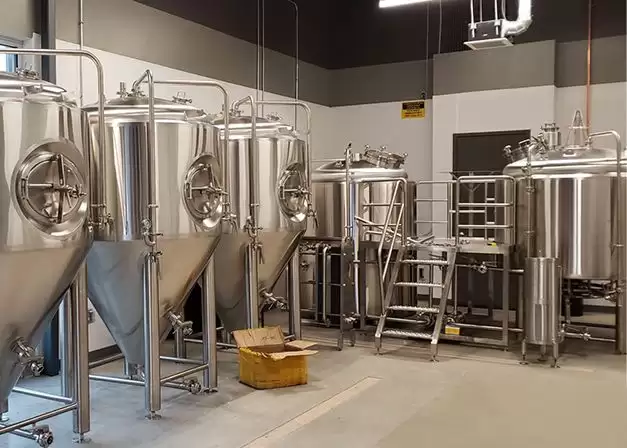
Dairy grade stainless steel milk tanks ensure the safety of milk and dairy products. They are made of special stainless steel material to guarantee hygiene and safety. This special material does not stain or rust. The smooth surface of these dairy-grade stainless steel tanks prevents bacteria and dirt from adhering. They comply with HACCP and FDA standards to ensure food safety. These dairy-grade stainless steel tanks are easy to clean and disinfect, and the milk tanks manufacturefd from this material help ensure milk safety and maintain hygiene throughout the dairy processing process.

Dairy tanks use food-grade stainless steel to keep milk safe. Makers pick certain stainless steel grades for their special traits. The most used grades are 304, 316, and 2205. Each grade has its own strength and rust protection.
| Stainless Steel Grade | Corrosion Resistance | Best Use Case |
|---|---|---|
| 304 | High | Most food and beverage products |
| 316 | Very High | Salty, acidic, or harsh environments |
| 430 | Moderate | Dry foods, low-risk liquids |
304 food-grade stainless steel is good for most dairy jobs. It does not rust or stain, so milk stays safe. 316 food-grade stainless steel works better in salty or sour places. It is best for tough cleaning jobs. 2205 food-grade stainless steel is even stronger and fights rust more. It fits hard dairy work.
Stainless steel grades help dairy tanks last longer and stay safe. Food-grade stainless steel can handle daily use and cleaning. It stops germs and keeps things clean. The dairy company has produced storage tanks that are durable and require less maintenance.
The finish on food-grade stainless steel helps keep dairy clean. Smooth surfaces make it hard for germs and dirt to stick. Tanks with shiny finishes help keep milk safe.
| Surface Roughness (microns) | Bacteria Type | Biofilm Density Comparison (S. aureus vs E. coli) |
|---|---|---|
| 2.687 ±0.014 | E. coli, S. aureus | Similar attachment rates |
| 0.95 ±0.092 | S. aureus more intense | 1.2 times denser than E. coli after 3 hours |
| 0.63 ±0.087 | S. aureus faster | 1.4 times faster than E. coli |
| 0.16 ±0.018 | E. coli, S. aureus | Equal attachment, lower density than 0.63 microns |
| <0.5 | All bacteria | Reduced attachment and contamination |
Tanks with less than 0.5 microns roughness have fewer germs stick. This lowers the chance of milk getting dirty and keeps food safe. Dairy workers pick food-grade stainless steel with smooth finishes to protect milk.
Design is important for cleaning dairy tanks. Food-grade stainless steel tanks have smooth, solid surfaces. These surfaces stop germs from building up and make cleaning simple. Many tanks use smart cleaning systems like CIP.
| Feature | Description |
|---|---|
| CIP (Cleaning-in-Place) systems | Cleans tanks automatically to meet strict cleaning rules. |
| Non-porous and easy to clean | Stops germs from building up and helps strong cleaning. |
| Compatible with food-grade finishes | Makes sure surfaces are smooth and meet safety rules. |
Automatic cleaning systems help keep tanks clean every time. They lower the risk of germs spreading and use cleaning supplies better. Dairy workers save time and money while keeping tanks very clean.
Food-grade stainless steel tanks use the right metal, smooth finish, and smart design. These things keep milk safe, help with cleaning, and let dairy companies follow safety rules.
Dairy processing requires strict food safety regulations. Bacteria can make milk and dairy products unsafe, and these bacteria can form communities called biofilms, which develop when bacteria attach to surfaces. This frequently occurs on food processing equipment. Stainless steel tanks effectively address this problem; their smooth surfaces prevent bacteria from attaching, and the tanks have no pores, so bacteria cannot hide or multiply.
Stainless steel tanks do not rust, so milk stays safe. Dairy plants use checks like metal detectors to keep food safe.
Dairy grade stainless steel milk tanks keep milk safe. They block bacteria and metal from getting into the milk. This helps dairy plants stay safe and trustworthy.
Food safety laws say dairy plants must use approved equipment. These rules protect people and keep quality high. Dairy grade stainless steel milk tanks follow tough rules in the US and Europe.
| Standard | Description |
|---|---|
| FDA | Makes sure no bad stuff gets into food. |
| NSF | Sets cleaning rules for food equipment. |
| EU Regulation | Stops harmful things from moving into food. |
| ISO 22000 | Needs food safety plans and HACCP. |
| ASTM | Gives details for stainless steel. |
| 3-A Sanitary | Wants smooth, clean designs for dairy tanks. |
Dairy companies use stainless steel tanks to follow these rules and keep food safe.
Dairy grade stainless steel milk tanks last much longer than other tanks.
| Tank Type | Average Lifespan |
|---|---|
| Dairy Grade Stainless Steel | 30 years or more |
| Standard Painted Steel | 7 to 15 years |
| Poly Tanks | 3 to 5 years |
Dairy plants do these things to keep tanks working well:
Proper maintenance of milk storage tanks ensures milk safety and guarantees the smooth operation of the factory. Therefore, stainless steel milk storage tanks are the ideal choice for the long-term safe storage of milk.
Dairy processors rely on the 3-A Sanitary Standards to keep milk safe. These rules tell how to make and build equipment. Every dairy grade stainless steel milk tank must follow these rules for good hygiene and easy cleaning.
| Requirement Type | Details |
|---|---|
| Accepted Materials | Must be suitable for sanitary application, durable, and nontoxic as per the FD&C Act. |
| Benchmark Material | AISI 300 Series Stainless Steel or equivalent corrosion-resistant metals. |
| Fabrication Criteria | Must be cleanable, free from imperfections, and meet specific surface finish requirements. |
| Surface Finish | Generally equivalent to or smoother than 32 µin. (0.8 µm) Ra, free from pits and crevices. |
| Minimum Radii | Normative minimum radius of ¼ in. or 1/8 in. for product contact surfaces. |
| Cleaning Compatibility | Must allow for both manual and CIP cleaning methods. |
The 3-A standard specifies that storage tanks must be made of materials that will not rust or react with milk. The tank surface must be smooth, without pits or cracks, to prevent bacterial growth and facilitate cleaning. The standard also requires that tanks have rounded corners, as sharp corners can accumulate milk and bacteria, while rounded corners help maintain cleanliness. Furthermore, the tanks must be compatible with both manual and automatic cleaning methods.
Dairy companies pick tanks that meet 3-A Sanitary Standards to keep their milk and customers safe.
The U.S. Food and Drug Administration (FDA) and other agencies establish regulations to ensure the safety of dairy products everywhere. These regulations cover aspects such as materials, design, and cleaning. Stainless steel storage tanks must use food-grade metal to prevent harmful chemicals from contaminating the milk. The FDA inspects the tanks to ensure they do not contain toxic components and that they remain clean during use.
Other countries have similar regulations. The European Union requires that storage tanks prevent any harmful substances from entering the food. The ISO 22000 standard stipulates that dairy processing plants must develop food safety plans and control various hazards. The NSF standard focuses on cleaning and sanitation.
Dairy processing companies that comply with these regulations demonstrate their commitment to safety and quality. Choosing certified storage tanks, such as those from COFF, can help companies comply with all regulations and provide consumers with safe and fresh milk.
Dairy grade stainless steel dairy equipment uses higher-quality materials. Manufacturers select stronger stainless steel, such as 304 and 316 grade stainless steel. These grades of stainless steel are less prone to rust and are more durable, which helps ensure the safety of the milk. Ordinary dairy storage tanks may use lower-strength stainless steel and may not have a sufficiently smooth surface, making them unsuitable for dairy processing.
| Stainless Steel Grade | Corrosion Resistance | Durability |
|---|---|---|
| 304 | Excellent | Good |
| 316 | Enhanced | Better |
Dairy grade stainless steel dairy equipment has a smooth surface that is less likely to harbor dirt and bacteria, making it difficult for bacteria and contaminants to adhere. Ordinary dairy storage tanks may have rough surfaces or welds where milk can easily accumulate.
Dairy grade stainless steel dairy equipment has a smooth surface that is less likely to harbor dirt and bacteria, making it difficult for bacteria and contaminants to adhere. Ordinary dairy storage tanks may have rough surfaces or welds where milk can easily accumulate.
Dairy grade stainless steel dairy equipment excels in safety and hygiene. These tanks do not allow bacteria or dirt to hide or grow, and they do not rust. Therefore, milk can remain safe for extended periods, and cleaning is easy, contributing to overall cleanliness and hygiene.
Using ordinary dairy tanks for storing milk can be risky. Non-dairy grade tanks may not be sufficiently clean. This can lead to bacteria, viruses, or fungi entering the milk. Harmful bacteria such as Salmonella and E. coli can cause illness, and some spoilage bacteria may not be killed during pasteurization. It is difficult to comply with safety regulations when using these tanks. Experts advise against using non-dairy grade tanks unless there is no other option.
Dairy grade stainless steel dairy equipment is crucial for ensuring milk safety. It prevents bacterial growth, is easy to clean, and complies with safety regulations. Choosing the right tanks ensures fresh and safe milk, benefiting everyone.

Dairy farmers use safe milk storage tanks to store freshly milked milk. Food-grade stainless steel storage tanks keep the milk cool and clean. These tanks prevent bacteria from growing in the milk. Dairy farmers rely on these tanks to ensure the milk remains fresh before it leaves the farm.
Milk needs to be kept at a low temperature to stay fresh. Modern milk storage tanks are equipped with special cooling systems. These systems can quickly cool the milk and maintain a low temperature. This saves energy and reduces costs. Automatic control systems help reduce electricity consumption. The storage tanks also have insulation layers that keep the milk cool for longer periods.
Modern milk cooling tanks consume less energy and ensure milk safety. They help dairy companies save costs and protect milk quality.
Dairy processing plants use stainless steel tanks in many stages of production. These tanks are used for storing milk and play a role in pasteurization, mixing, and transportation. Stainless steel tankers transport milk from farms to the factory. These tanks help keep the milk fresh at every stage and effectively prevent bacterial growth.
| Application Type | Description |
|---|---|
| Milk Tanks | Keep milk cold until it is delivered. |
| Stainless Steel Tankers | Move dairy products safely and cleanly. |
| Vats & Churns | Used to make cheese, butter, and other dairy foods. |
| Maturation and Storage Tanks | Hold processed foods like yogurt, cream, and ice cream. |
COFF Company manufactures high-quality milk storage tanks for the dairy industry. Their tanks are made from certified food-grade stainless steel. Each tank features excellent insulation and an efficient cooling system.
COFF allows customers to customize the size, shape, and features of their tanks to meet their specific needs. Small farms can choose smaller tanks with simpler functions, while large factories can opt for tanks equipped with automatic cleaning and specialized control systems.
| Feature | Small Farms | Large Processing Plants |
|---|---|---|
| Tank Capacity | Small sizes for less milk | Big sizes for lots of milk |
| Tank Shape | Custom shapes for small spaces | Standard shapes for big factories |
| Optional Features | Level indicators | CIP systems, advanced controls |
| Compliance Standards | General food safety | ASME and strict safety rules |
COFF tanks help all dairy businesses, from small farms to big factories.
Dairy processors use specialized fermentation tanks. These tanks allow for temperature control and maintain hygiene. Yogurt and cheese require a stable environment to ensure proper flavor and texture. Stainless steel tanks meet these requirements.
Mixing tanks are used to blend cream, butter, and other dairy products. These tanks have smooth surfaces for easy cleaning. They are also equipped with powerful motors for mixing. This ensures product safety and consistency.
Dairy grade stainless steel storage tanks are crucial to every stage of the dairy industry. COFF provides high-quality solutions for all dairy needs.
The special features of dairy-grade stainless steel storage tanks lie in their cleanliness, rust resistance, and durability. Certified tanks meet stringent safety standards, effectively preventing bacterial growth and ensuring milk quality. When choosing a storage tank, consider the following:
Brands like COFF offer these high-quality features. Their tanks deliver superior performance and a long service life, ensuring milk safety and helping to save costs. Choosing a trustworthy brand means guaranteeing the safety and high quality of dairy products every day.
Dairy grade storage tanks are made of food-grade stainless steel. The tank surface is smooth and easy to clean. It complies with strict safety and hygiene regulations. This helps keep milk fresh and safe.
Experts recommend cleaning the tank after each use. Frequent cleaning prevents bacteria from growing in the tank. Many tanks are equipped with automatic cleaning systems, making cleaning quick and thorough.
COFF milk storage tanks use high-quality stainless steel and efficient refrigeration technology. Customers can choose the appropriate features based on their needs. These tanks offer superior performance and help ensure milk safety. COFF tanks help dairy companies comply with safety regulations and maintain milk quality.
Yes. Dairy grade storage tanks from trusted brands like COFF meet FDA, 3-A, and international standards. These standards ensure that the tanks are safe, hygienic, and compliant with national laws and regulations.