

COPYRIGHT © 2022 COFF International Co., ltd. ALL RIGHTS RESERVED


You protect your oil heated brewhouse by practicing regular maintenance and careful brewing equipment maintenance. Check heating surfaces and oil lines often for leaks or stains, especially at joints or valves. Fires, explosions, or burns happen when upkeep falls short, as seen in recent oil and gas sector reports. Diagnosing heating inefficiencies and troubleshooting common issues early helps you keep brewing safe and efficient.
You keep your oil heated brewhouse safe by practicing regular cleaning of heating surfaces. Dust, oil residue, and brewing byproducts build up quickly. These deposits lower heating efficiency and increase the risk of contamination. You should wipe down surfaces daily and schedule deep cleaning every week. Use soft brushes and approved cleaning agents to avoid scratching stainless steel. Regular cleaning helps you spot early signs of wear and supports brewing equipment maintenance. You protect your brewing process and keep your equipment working well.
Tip: Set a cleaning schedule and mark each task on a checklist. This helps you remember every step and keeps your oil heated brewhouse running smoothly.
You prevent contamination by sanitizing oil tanks and lines. Oil tanks and lines can trap bacteria, yeast, and other contaminants. You should flush tanks and lines with hot water before starting deep cleaning. Use sanitizers that target both organic and inorganic buildup. Deep cleaning of tanks and lines stops contamination from spreading to your brewing batches. You also reduce the risk of equipment damage and keep your brewing safe. Filter and pump maintenance supports this process by removing trapped particles and keeping oil flow steady.
You achieve the best results with COFF cleaning products. These products are designed for deep cleaning and regular cleaning in oil heated brewhouse systems. COFF cleaning agents remove tough residues and help prevent contamination. You can compare COFF products to other cleaning agents using the table below:
| Cleaning Agent | Effectiveness for Oil Heated Brewhouse Maintenance |
|---|---|
| COFF Products | High-quality tools designed for optimal maintenance |
| Caustic Soda | Effective for heavy grease removal |
| Peracetic Acid | Good for sanitation and disinfection |
| Phosphoric/Nitric Acid | Useful for mineral deposits removal |
You choose COFF cleaning products for deep cleaning because they support regular maintenance and protect your brewing equipment. You keep your oil heated brewhouse free from contamination and maintain high brewing standards.
You keep your oil heated brewhouse running smoothly by checking oil levels often. Low oil levels can cause heating problems and increase the risk of contamination. You should look at the oil gauge before each brewing session. If the oil drops below the safe mark, you add more to reach the recommended level. This simple step supports brewing equipment maintenance and helps you avoid sudden breakdowns. You protect your brewing process and keep your equipment safe.
Tip: Record oil levels in a logbook. This habit helps you spot patterns and catch leaks early.
You test oil quality to prevent contamination in your oil heated brewhouse. Oil can pick up water, dust, or brewing byproducts over time. These contaminants lower oil quality and can damage your equipment. You use test strips or send samples to a lab to check for signs of degradation. If you find contamination, you clean the system and replace the oil. Testing oil quality helps you catch problems early and keeps your brewing safe.
| Oil Quality Test | What It Detects | How Often to Test |
|---|---|---|
| Visual Check | Color, cloudiness | Weekly |
| Lab Analysis | Water, particles | Monthly |
| Test Strips | Acidity, breakdown | Monthly |
You maintain high oil quality by replacing oil at intervals set by the manufacturer. Old oil loses its ability to protect and heat your system. You follow these guidelines to keep your oil heated brewhouse safe. Having a reliable manufacture is also essential to ensure your equipment performs efficiently and lasts longer.
Regular oil changes help you avoid contamination and support long-term brewing equipment maintenance. You keep your brewing process efficient and safe by following these steps.
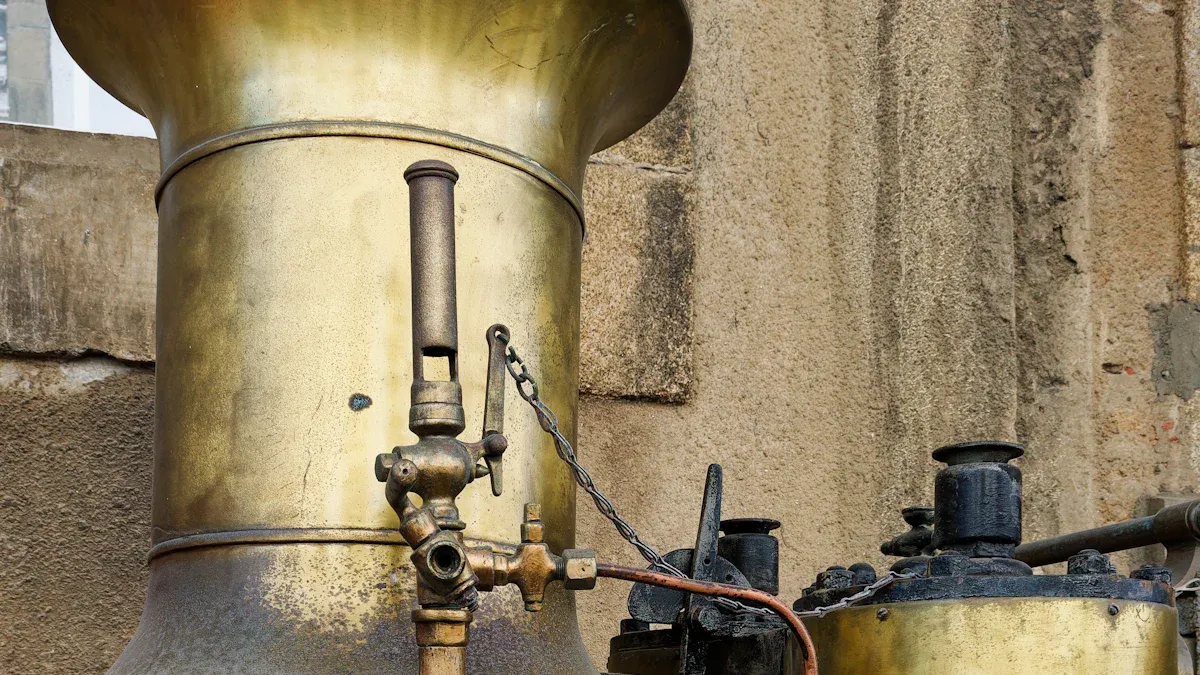
You protect your oil heated brewhouse by inspecting for oil leaks every week. Early detection helps you avoid safety risks and costly repairs. You look for fluid leaks, oil stains, or puddles near pipe joints, valves, and seals. These signs show that seals or components might be damaged. You use a visual inspection checklist to make sure you do not miss any trouble spots. Regular maintenance keeps your brewing equipment safe and supports brewing equipment maintenance.
| Early Warning Sign | What It Means |
|---|---|
| Fluid leaks | Seals or components could be damaged, which affects safety. |
| Oil stains or puddles | Indicates potential leaks near pipe joints, valves, or seals, which can lead to safety risks and equipment damage. |
Tip: Record each inspection in your logbook. This habit helps you track changes and spot patterns over time.
You check pipes and tanks for corrosion during every maintenance session. Corrosion weakens metal and can cause leaks or heating problems. You look for rust, discoloration, or rough spots on stainless steel surfaces. You pay close attention to areas near joints and welds. Corrosion prevention starts with early detection and cleaning. You remove any buildup and apply protective coatings if needed. You keep your brewing process safe and efficient.
You use your visual inspection checklist to make sure you cover all areas. Regular checks help you avoid unexpected breakdowns and support brewing equipment maintenance.
You use COFF leak detection tools for accurate results. These tools help you find hidden leaks that you might miss during a visual inspection. You follow the manufacturer’s instructions for each tool. COFF leak detection tools work well with oil heated brewhouse systems and support regular maintenance. You improve safety and protect your brewing process. You keep your equipment in top condition and avoid costly repairs.
Note: Always test leak detection tools before each use to make sure they work properly.
You keep your oil heated brewhouse safe by testing safety valves and pressure relief devices. These devices protect your brewing system from dangerous pressure build-up. You follow ASME standards, which say the operating pressure for pressure relief valves should stay at least 10% below the set pressure for Section VIII valves and at least 3% below for Section I valves. This helps the valves work correctly during brewing. You use routine checks to spot problems early and avoid emergencies.
| Boiler Type | Testing Frequency |
|---|---|
| High-pressure steam boilers > 15 psi | Manually checked every 6 months, pressure tested annually |
| High-pressure steam boilers > 400 psi | Pressure tested every 3 years or as determined by testing history |
| Low-pressure steam boilers < 15 psi | Manually checked quarterly, pressure tested annually |
| High-temperature hot water boilers > 160 psi | Pressure tested annually |
| Hot water heating boilers | Manually checked quarterly, pressure tested annually |
You check valves and devices on schedule. You record each maintenance task in your logbook. You follow the National Board Inspection Code and local rules for testing frequency. Regular maintenance keeps your brewing equipment maintenance plan strong and supports safe heating.
You inspect emergency shutoff procedures and systems to keep your brewing area safe. You identify issues before they cause harm. You use routine checks to make sure all emergency shutoff procedures work as planned. You look at automated systems, shutdown devices, and communication protocols.
| Key Components | Description |
|---|---|
| Automated Systems | Use of sensors and algorithms for quick shutdowns |
| Emergency Shutdown Devices | Valves that isolate sections to contain hazards |
| Communication Protocols | Established protocols for timely information dissemination |
| Training and Drills | Regular sessions to prepare personnel for emergencies |
You train your staff on emergency shutoff procedures. You run drills to help everyone respond quickly during an emergency. You document each inspection for insurance and regulatory needs. You follow NFPA and OSHA safety regulations. You reduce downtime and protect your property.
Tip: Schedule routine checks for emergency shutoff procedures every month. This keeps your brewing system ready for any emergency.
You verify fire suppression equipment as part of your regular maintenance. You check fire extinguishers, sprinkler systems, and alarms. You make sure each device works and meets fire prevention measures. You inspect equipment for damage or expired parts. You replace anything that does not meet safety standards. You keep your brewing area safe and lower the risk of fire.
You use a checklist for each inspection. You record the date and findings. You include fire suppression checks in your overall maintenance plan. You protect your oil heated brewhouse and support safe brewing.
You keep your oil heated brewhouse safe by providing proper ventilation in the boiler room. Good ventilation helps you control temperature and remove harmful fumes. You create two openings, one near the ceiling and one near the floor. Each opening should have at least 1 square inch of net free area for every 1,000 BTUs per hour. You also provide 4 to 6 square inches of unrestricted airflow for every boiler horsepower. These steps help you maintain efficient air flow and support regular maintenance. You reduce the risk of overheating and keep your brewing equipment maintenance plan strong.
Tip: Mark ventilation openings on your maintenance checklist. This helps you remember to inspect them during each maintenance session.
You protect your health by monitoring for oil fumes and carbon monoxide in your brewing area. Oil fumes and carbon monoxide can cause serious health problems. You install detectors to alert you if levels rise. Symptoms of carbon monoxide poisoning include headaches, dizziness, nausea, confusion, fainting, shortness of breath, and fatigue. Prolonged exposure can be fatal. Minor effects include rapid breathing and headaches. Major concerns involve heart damage and brain dysfunction. You check detectors during every maintenance session to keep your brewing safe.
Note: Always test carbon monoxide detectors before each brewing cycle. This simple step supports your overall maintenance plan.
You improve air quality by cleaning air filters on a regular schedule. Clean filters help your ventilation system work better and keep your brewing area safe. You change air filters at least once every three to four months. In areas with heavy machinery and dust, you change them more often. Clean filters improve HVAC performance, extend equipment lifespan, and reduce energy consumption. You also keep utility bills lower and prevent high maintenance costs. You include air filter checks in your brewing equipment maintenance routine.
Tip: Write filter change dates in your maintenance logbook. This helps you track when to replace them and keeps your oil heated brewhouse running smoothly.
You keep your brewing process safe and efficient by calibrating temperature and pressure controls. Accurate controls help you maintain the right conditions for each batch. If you notice temperature or pressure readings that do not match your set points, you should check the sensors. Use a reference thermometer or pressure gauge to compare readings. Adjust the controls until the readings match the reference tools. This step supports your maintenance plan and helps you avoid problems with heating or brewing quality.
Tip: Mark calibration dates on your maintenance checklist. This habit helps you remember when to check your controls.
You rely on automation systems to keep your oil heated brewhouse running smoothly. These systems control heating, timing, and other key steps. You should test automation systems often to make sure they work as expected. Run a test cycle and watch for any errors or delays. If you find a problem, reset the system and test again. Accurate automation supports brewing equipment maintenance and helps you produce consistent results.
You get the best results by using COFF calibration kits. These kits include tools for checking and adjusting temperature and pressure controls. Follow the instructions in the kit for each step. COFF calibration kits help you complete maintenance tasks quickly and accurately. You keep your brewing equipment in top shape and reduce the risk of breakdowns. Reliable calibration supports safe brewing and helps you meet high standards.
Note: Store your COFF calibration kit in a clean, dry place. This keeps your tools ready for your next maintenance session.
You keep your oil heated brewhouse safe by scheduling annual servicing with certified technicians. These experts know how to spot problems before they become serious. You should always choose technicians who meet strict requirements. Look for these qualifications:
You trust certified technicians to check your heating system, valves, and controls. They use their experience to find hidden issues. Routine inspections by professionals help you avoid costly repairs and keep your brewing equipment maintenance plan strong. Scheduled professional maintenance also supports safe brewing and keeps your equipment running smoothly.
Tip: Book your annual inspection at the same time each year. This habit helps you remember and keeps your maintenance on track.
You improve safety and efficiency by keeping clear records of every maintenance task and inspection. Good documentation helps you track the history of your equipment and spot wear patterns. You can use modern software or mobile apps to make this process easier. Here are some best practices for documentation:
| Best Practice | Description |
|---|---|
| Maintain detailed records | Track equipment history and ensure timely maintenance. |
| Use real-time data capture | Use mobile apps for immediate documentation of findings and issues. |
| Document sanitation processes | Record every step of sanitation for quality and compliance. |
You should update your records after every routine inspection or repair. This habit helps you stay organized and supports your brewing equipment maintenance plan. Good records also make annual servicing easier for technicians. You keep your oil heated brewhouse safe and ready for every brewing session.

You build a safe brewing environment by focusing on staff training essentials. Training helps your team understand how the oil heated brewhouse works. You teach staff about safe pressure levels and proper water monitoring. You explain how heating and fuel combustion affect brewing. Staff learn to spot hazards such as steam leaks and overheating. You show them how contamination can spread if they miss warning signs. Training also covers emergency shutdown procedures and evacuation plans. You make sure everyone knows how to respond quickly if something goes wrong. Regular training supports maintenance and keeps your brewing equipment maintenance plan strong.
Tip: Use hands-on demonstrations and clear instructions. Staff remember safety steps better when they practice them.
You keep your team ready for emergencies by running response drills. Drills help staff react fast if contamination or equipment failure happens. You schedule drills based on your environment’s risk level. In a high-risk oil heated brewhouse, you run drills every quarter. This routine helps staff remember emergency steps and supports maintenance. You use a table to plan your drill schedule:
| Frequency | Environment Type |
|---|---|
| Quarterly | High-risk environments (e.g., oil and gas sectors) |
| Bi-Annual | Medium-risk industries (e.g., food processing) |
| Annual | Low-risk work sectors (e.g., office environments) |
You record each drill in your maintenance log. Staff learn how to contain contamination and shut down systems safely. You improve brewing safety and reduce risks.
You keep training materials up to date to prevent contamination and support maintenance. You review manuals and safety guides after each equipment upgrade. You add new steps if brewing processes change. You include recent examples of contamination and emergency responses. Staff use updated materials to learn best practices for brewing equipment maintenance. You encourage questions and feedback during training sessions. This habit helps your team stay alert and ready for any emergency.
Note: Schedule reviews of training materials every six months. Updated guides help staff remember the latest safety and maintenance steps.
You keep your oil heated brewhouse running smoothly when you have the right spare parts on hand. If a part fails during brewing, you can replace it quickly and avoid long delays. Some parts wear out faster because of frequent use or exposure to heat. You should always keep these essential items in stock:
These parts play a key role in heating and moving fluids. If you run out of them, your brewing process may stop. You support brewing equipment maintenance by checking your spare parts shelf every week.
Tip: Store spare parts in a clean, dry place. Label each item clearly so you can find it fast during maintenance.
You want your maintenance routine to be reliable. Using COFF replacement parts helps you reach this goal. COFF designs parts that fit perfectly with your brewing system. You get consistent quality and long-lasting performance. When you use COFF parts, you reduce the risk of breakdowns and keep your oil heated brewhouse safe. You also make sure your brewing equipment maintenance plan works as expected.
Note: Always check the part number before ordering. This step helps you avoid mistakes and keeps your maintenance on track.
You need a good system to track your spare parts. Effective inventory tracking helps you know what you have and what you need to order. This approach prevents overstocking and reduces costs. You can use real-time tracking to see your stock levels at any time. Automated alerts tell you when to reorder. Data analysis helps you decide how many parts to keep on hand.
You keep your maintenance team ready for any repair. You avoid delays and keep your brewing process efficient.
You improve energy efficiency in your oil heated brewhouse by insulating oil lines and tanks. Insulation keeps heat inside the system and stops energy loss. When you wrap pipes and tanks with high-quality insulation, you help the oil stay at the right temperature. This step lowers fuel use and supports regular maintenance. You also protect your brewing process from temperature swings. Insulation helps you maximize efficiency and keeps your brewing equipment maintenance plan strong.
Tip: Check insulation for cracks or gaps during each maintenance session. Replace damaged sections to keep heat in and energy costs down.
You track energy use to find ways to save power in your brewing area. Use meters to measure how much energy your heating system uses each day. Write down the numbers in a logbook. Look for patterns that show when energy use goes up. If you see a spike, check your equipment for problems. Regular monitoring helps you spot leaks, worn parts, or poor insulation. You use this information to plan maintenance and keep your oil heated brewhouse running smoothly.
You boost energy savings by upgrading to high-efficiency COFF components. These parts help your system hold heat better and use less fuel. When you install COFF components, you get steady temperature control and lower operational costs. You also reduce thermal loss and improve overall brewing quality. The table below shows how COFF components impact energy consumption:
| Benefit | Impact on Energy Consumption |
|---|---|
| Heat retention | Reduces fuel requirements |
| Thermal loss minimization | Lowers operational costs |
| Consistent temperature control | Lowers energy consumption by 15% or more per batch |
You choose COFF components to maximize efficiency and support your maintenance plan. Upgrading helps you save money and keep your brewing equipment maintenance routine effective. You protect your brewing process and make sure your oil heated brewhouse stays safe and efficient.
You keep your oil heated brewhouse safe and efficient when you follow a regular maintenance routine. Proactive care helps you avoid costly breakdowns and keeps brewing equipment maintenance simple. You protect your brewing process by checking heating systems and consulting professionals for complex issues. Use reliable COFF products to support your brewing and keep your equipment in top condition.
You should clean your oil heated brewhouse every week. Daily wipe-downs help prevent buildup. Deep cleaning once a week keeps your equipment safe and efficient.
You may see cloudy oil, strange smells, or particles in the oil. These signs mean you need to test and possibly replace the oil to protect your brewing process.
Staff training teaches your team how to spot hazards and respond to emergencies. Well-trained staff help prevent accidents and keep your brewing area safe.
You inspect joints, valves, and seals for oil stains or puddles. Use leak detection tools for hidden leaks. Record findings in your maintenance log.
You should shut down the system right away. Call a certified technician for repairs. Do not restart brewing until the valve works properly.