


COPYRIGHT © 2022 COFF International Co., ltd. ALL RIGHTS RESERVED

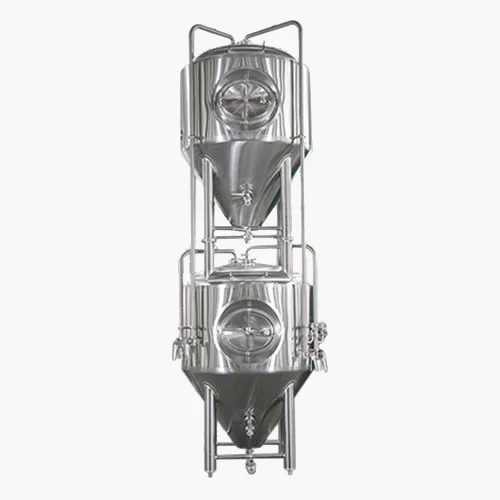
For centuries, oak barrels were the undisputed standard for wine aging. But today, stainless steel tanks have become a staple in wineries worldwide—from small boutique vineyards to large commercial producers.
The choice is not about which method is “better”—it’s about what style of wine you want to make. In this guide, we’ll break down the key differences between stainless steel and oak aging, the unique advantages of stainless steel tanks, and which wine styles benefit most from this modern technique.
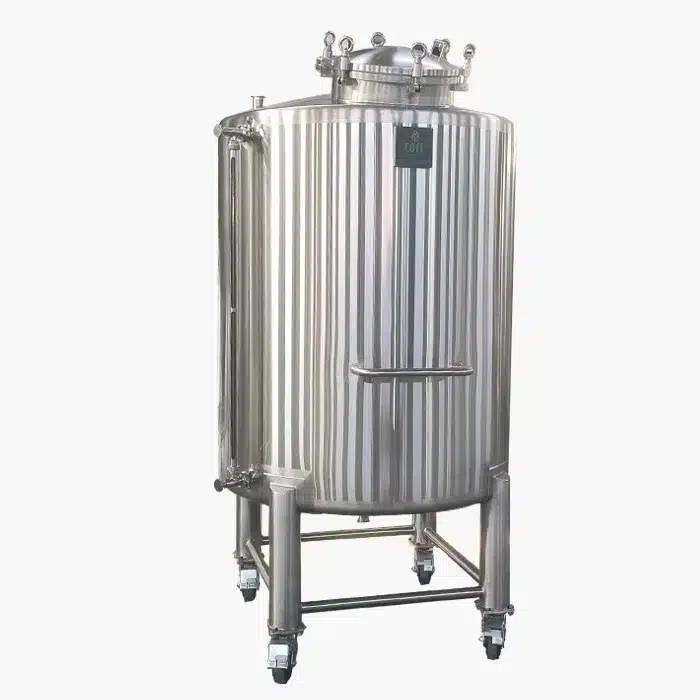
The most fundamental difference is how each container affects the wine’s taste:
| Aging Method | Flavor and Aroma Characteristics |
|---|---|
| Stainless Steel Tanks | Preserves pure grape flavors; produces fresh, bright, fruity wines |
| Oak Barrels | Adds vanilla, spice, toast, and creaminess; creates richer, more layered wines |
Stainless steel is completely inert—it does not react with wine or add any flavors of its own. This allows the unique character of the grape variety and terroir to shine through. Oak barrels, by contrast, impart complex flavors and tannins as the wine interacts with the wood.
Oxygen plays a critical role in wine aging, and the two methods offer very different levels of oxygen interaction:
| Feature | Oak Barrels | Stainless Steel Tanks |
|---|---|---|
| Oxygen Ingress | 20–30 mg/L/year (new barrels) | Near-zero |
| Micro-oxygenation | Natural, gradual | None (unless artificially added) |
| Tannin Evolution | Softens tannins over time | Tannins remain unchanged |
| Aroma Development | Builds complexity and tertiary notes | Preserves primary fruit aromas |
Oak barrels allow slow, controlled oxygen exposure (called micro-oxygenation), which softens harsh tannins and develops nutty, earthy tertiary aromas. Stainless steel tanks create an airtight environment, locking in fresh fruit flavors and bright acidity.
Not all wines are suited to the same aging technique:
| Wine Style | Best Suited for Stainless Steel | Best Suited for Oak Barrels |
|---|---|---|
| Crisp Whites | Sauvignon Blanc, Riesling, Pinot Grigio | Oaked Chardonnay |
| Rosés | All dry rosé styles | Rarely used |
| Light Reds | Gamay, young Pinot Noir | Cabernet Sauvignon, Merlot, Syrah |
| Sparkling Wines | Base wines for sparkling production | Reserve sparkling wines |
Pro Tip: Many winemakers use a hybrid approach. They might age 70–90% of the wine in stainless steel to preserve fruit, then blend in 10–30% of oak-aged wine to add subtle complexity and structure.
This is the single biggest reason winemakers choose stainless steel. The inert material does not add any vanilla, toast, or spice flavors, allowing the natural characteristics of the grape to take center stage.
Wines aged in stainless steel retain bright, vibrant fruit notes—think citrus and tropical fruit in Sauvignon Blanc, or red berry and cherry in Pinot Noir. They also maintain higher acidity, giving the wine a crisp, refreshing finish.
Modern stainless steel tanks feature integrated cooling jackets and glycol systems that allow winemakers to control temperature to within 0.5°C (1°F). This level of precision is impossible with oak barrels.
Consistent temperature is critical for:
Stainless steel has a smooth, non-porous surface that does not absorb wine or harbor bacteria. Oak barrels, by contrast, are porous and can retain residual wine, yeast, and bacteria even after cleaning—leading to spoilage and off-flavors over time.
Stainless steel tanks can be completely sanitized using Cleaning-In-Place (CIP) systems in just a few hours. They do not require re-coopering, re-toasting, or replacement every 3–5 years like oak barrels.
While stainless steel tanks have a higher upfront cost, they offer dramatic savings over the long term:
| Cost Factor | Stainless Steel Tank | Oak Barrel |
|---|---|---|
| Upfront Cost | Higher | Lower |
| Lifespan | 30+ years | 3–5 years |
| Annual Maintenance | Very low | Very high |
| Replacement Cost | None | $200–$800 per barrel every 3 years |
| Total Cost Over 30 Years | Significantly lower | 3–5x higher |
Stainless steel tanks are incredibly versatile. They can be used for fermentation, aging, blending, and storage. Winemakers can easily adjust temperature, add or remove lees, and perform other operations without transferring the wine.
This versatility also leads to greater consistency. Unlike oak barrels, which vary widely in quality and flavor contribution, stainless steel tanks deliver identical results every time.
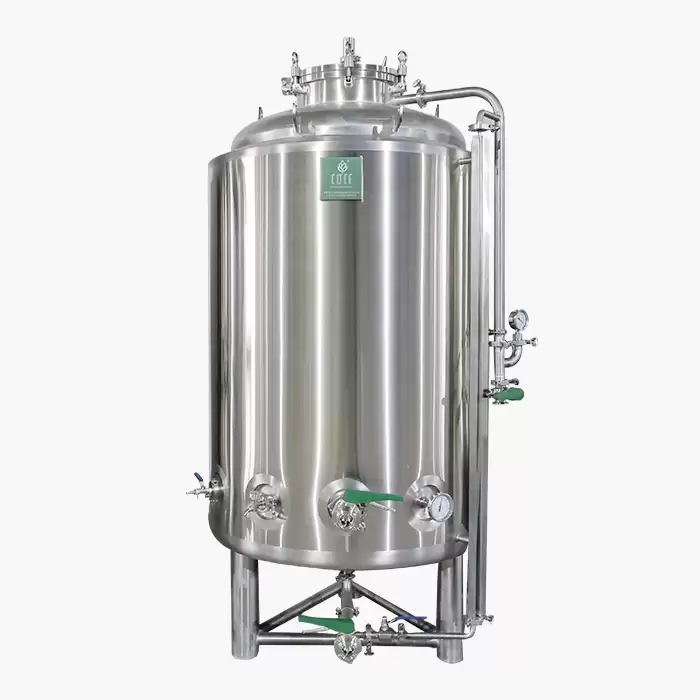
When selecting a stainless steel tank for your winery, look for these key features:
COFF manufactures high-quality stainless steel wine tanks designed specifically for the winemaking industry. Our tanks are made from certified food-grade 304 stainless steel and feature precision glycol cooling systems for exact temperature control. We offer custom sizes from 100L to 100,000L with a wide range of options including floating lids, cone bottoms, and integrated CIP systems.
Stainless steel tanks have revolutionized winemaking by giving winemakers unprecedented control over the aging process. They preserve the pure, fresh flavors of the grapes, offer precise temperature control, and are far more hygienic and cost-effective than oak barrels.
While oak barrels will always have an important place in winemaking for adding complexity and structure, stainless steel tanks are the best choice for wines that prioritize fruit expression and consistency. Most modern winemakers use both methods to create wines that are both fresh and layered.
For wineries looking to produce high-quality, modern wines, stainless steel tanks are an essential investment. COFF stainless steel wine tanks are engineered to meet the exacting standards of the wine industry, helping winemakers produce exceptional wine vintage after vintage.
Crisp white wines like Sauvignon Blanc, Riesling, and Pinot Grigio benefit the most, as stainless steel preserves their bright fruit flavors and acidity. Dry rosés and light reds like Gamay and young Pinot Noir also excel in stainless steel.
Stainless steel has a smooth, non-porous surface that does not absorb wine or harbor bacteria. It can be completely sanitized using CIP systems, eliminating the risk of spoilage and off-flavors that are common with old oak barrels.
Yes. Modern stainless steel tanks feature integrated glycol cooling jackets that allow winemakers to control temperature to within 0.5°C (1°F). This precision ensures consistent fermentation and aging results.
No. Stainless steel is completely inert and does not react with wine. It will not add any flavors or aromas, allowing the natural character of the grape to shine through.
Absolutely. While they have a higher upfront cost, stainless steel tanks last 30+ years and require minimal maintenance. Over their lifetime, they are 3–5 times more cost-effective than oak barrels, which need to be replaced every 3–5 years.
Yes, this is the most common approach in modern winemaking. Most winemakers age the majority of the wine in stainless steel to preserve fruit flavors, then blend in 10–30% of oak-aged wine to add subtle complexity and structure.