

COPYRIGHT © 2022 COFF International Co., ltd. ALL RIGHTS RESERVED

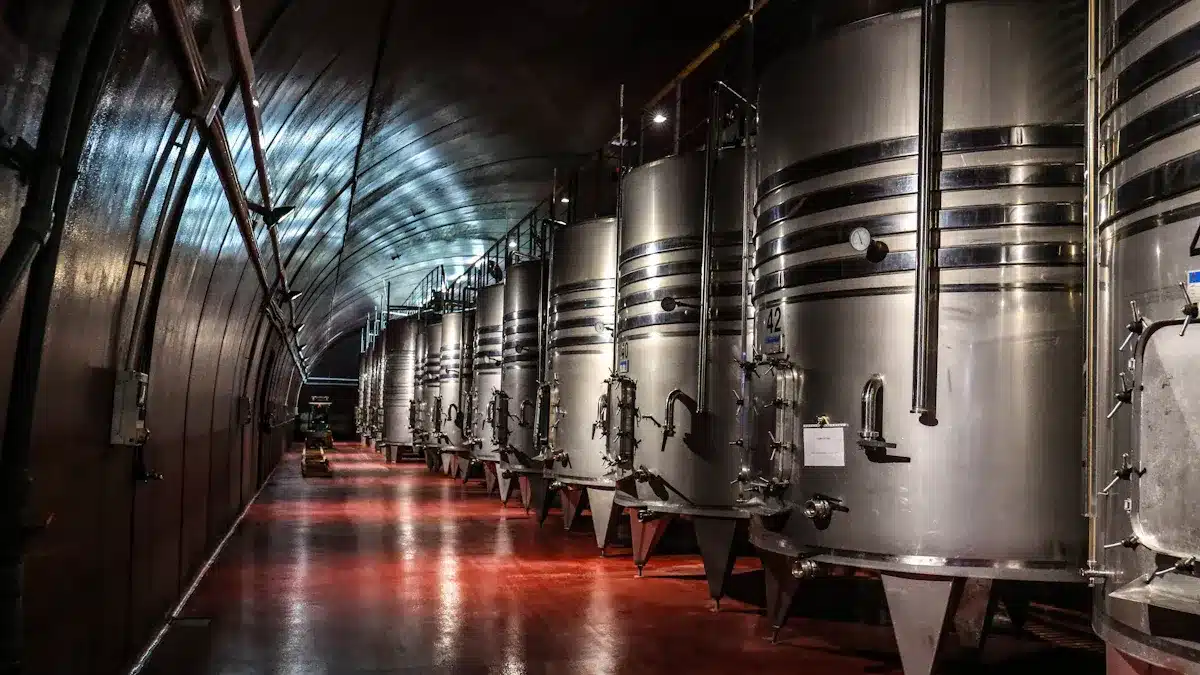
If you work in the dairy industry or use stainless steel milk tanks, this question comes up often. Stainless steel is the global standard for milk storage, yet concerns about corrosion and food safety still persist.
The reality is straightforward: milk does not corrode food-grade 304 stainless steel under normal operating conditions. The material’s passive chromium oxide layer protects it from lactic acid, ensuring safe, stable storage. Corrosion only occurs under specific conditions, such as improper cleaning, chemical exposure, or prolonged contact with spoiled milk. Proper material selection and maintenance eliminate these risks and ensure long-term performance.
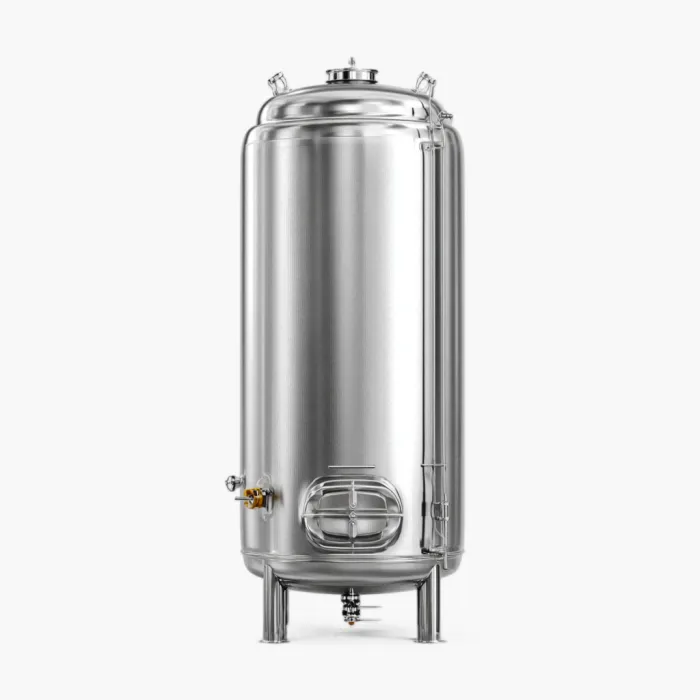
No, milk does not damage stainless steel under normal conditions. Fresh milk has a neutral pH of 6.7, making it only slightly acidic, which isn’t enough to break down the protective oxide layer of 304 stainless steel.
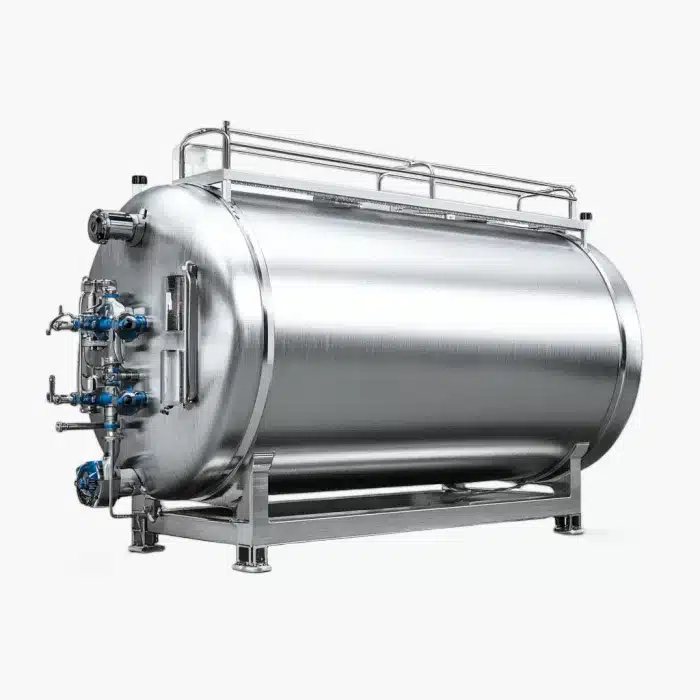
304 stainless steel (also known as SUS304) is the industry standard for dairy equipment. It’s highly resistant to lactic acid—the primary acid in milk—and won’t rust, leach metals, or alter the taste of milk. COFF uses only certified SUS304 stainless steel in all our milk, juice, and beverage tanks to ensure safety and longevity.
While 304 stainless steel tanks are highly resistant to milk, corrosion can still occur under extreme or improper conditions:
| Type of Corrosion | Cause |
|---|---|
| Pitting Corrosion | Caused by chlorine-based cleaners or high chloride levels |
| Crevice Corrosion | Occurs in tight gaps where milk or cleaning solution becomes trapped |
| Uniform Corrosion | Long-term exposure to highly acidic spoiled milk (pH < 4.5) |
| Biological Corrosion | Caused by bacterial biofilms forming on unclean surfaces |
Critical Safety Warning: Never use chlorine bleach or chlorine-based cleaners on stainless steel. Chlorides destroy the chromium oxide passive layer and cause rapid, irreversible pitting corrosion. Always use food-grade, non-chlorinated cleaners specifically designed for stainless steel.
Stainless steel’s corrosion resistance comes from a thin, invisible layer of chromium oxide that forms naturally on its surface. This layer acts like armor, blocking acids, water, and contaminants from reaching the underlying metal.
When the layer is scratched or damaged, it automatically repairs itself in the presence of oxygen. This self-healing property is what makes stainless steel so durable and ideal for food contact applications.
Milk contains lactic acid, but 304 stainless steel is specifically formulated to resist this type of acid. Laboratory tests have confirmed that 304 stainless steel shows no measurable corrosion after continuous exposure to fresh milk at refrigeration temperatures (4°C / 39°F).
The smooth, non-porous surface of stainless steel also prevents bacteria from adhering and growing, making it the most hygienic material for dairy processing.

Proper handling and maintenance are essential to preserve the integrity of stainless steel and ensure long-term performance in dairy applications. While milk itself does not cause corrosion under normal conditions, improper cleaning, chemical exposure, and poor maintenance practices can lead to damage over time. The following best practices help eliminate these risks.
Timely cleaning is the most important step in preventing residue buildup and bacterial growth.
Milk becomes significantly more acidic as it spoils, increasing the risk of corrosion under prolonged exposure.
Routine inspection and maintenance help identify early signs of damage and extend equipment lifespan.
Material selection directly determines corrosion resistance and food safety compliance.
So, can milk corrode stainless steel? The answer is a definitive no—when using food-grade 304 stainless steel and following proper maintenance procedures. The natural chromium oxide layer protects the metal from lactic acid, ensuring long-term safety and performance.
The key to preventing corrosion is simple: clean and dry your tanks immediately after use, avoid chlorine-based cleaners, and perform regular maintenance. By following these steps, your stainless steel milk tanks will provide decades of reliable service.
For the highest quality and most reliable stainless steel dairy tanks, choose COFF. Our products are engineered to meet the strictest standards of the food and beverage industry.
Yes, milk can safely stay in a SUS304 stainless steel tank overnight if kept at 4°C (39°F) or below. Always clean and sanitize the tank thoroughly before refilling.
No. High-quality 304 stainless steel is completely inert and will not react with milk. It will not alter the taste, smell, or nutritional content of milk.
Tanks should be cleaned and sanitized after every use. For tanks that are used daily, a full CIP cycle is recommended every 24–48 hours.
SUS304 (AISI 304) is the best and most widely used grade for milk storage. It offers excellent corrosion resistance to lactic acid and meets all global food safety standards.
Small areas of rouge can be removed with a food-grade gel derouging product. After cleaning, perform a passivation treatment to restore the protective oxide layer. For extensive corrosion, contact a professional stainless steel maintenance service.