


COPYRIGHT © 2022 COFF International Co., ltd. ALL RIGHTS RESERVED

In most cases, primary fermentation takes about 5–14 days, followed by another 1–4 weeks of secondary fermentation to improve clarity and flavor. The exact timeline can vary depending on factors like yeast, temperature, sugar content—and the type of fermentation vessel you use.
Whether you’re using a glass carboy, plastic bucket, or a dedicated cider fermentation tank, each setup can influence how efficiently fermentation progresses.
Here’s what to expect at each stage, what can affect the timeline, and how to tell when your cider is actually ready to bottle.
Primary fermentation is the most active stage, where yeast converts sugars in apple juice into alcohol and carbon dioxide. Most 5-gallon batches finish this step in 5–14 days, depending on yeast strain, temperature, and initial sugar content.
Signs primary fermentation is complete:
After primary fermentation finishes, transfer the cider to a clean, airtight container for secondary fermentation. This step takes 1–4 weeks (some craft cider makers wait even longer for enhanced flavor).
Secondary fermentation:
During this stage, you will see very little airlock activity. The cider will continue to clear, and the flavor will mellow significantly.
Critical Safety Warning: Bottling cider before fermentation is complete is the #1 cause of dangerous bottle bombs. These can explode with enough force to cause serious injury and property damage. Never rely solely on airlock activity to determine if fermentation is finished.
To bottle safely:
Waiting an extra 3–7 days after readings stabilize is always safer than bottling too early.
The yeast you choose plays a major role in how quickly your cider ferments and how it ultimately tastes. Different strains vary in speed, alcohol tolerance, and flavor profile.
Here are a few examples of commonly used or experimental yeast strains:
| Yeast Strain | Characteristics | Alcohol Tolerance |
|---|---|---|
| Wyeast 3787 Trappist High Gravity | Fruity and spicy notes; relatively fast fermentation | ~12%+ ABV |
| WLP300 Hefeweizen Ale | Banana and clove aromas; performs well at warmer temperatures | ~8–10% ABV |
| Wyeast 5112 Brettanomyces bruxellensis | Complex, earthy, “funky” profile; very slow secondary fermentation (months) | ~12%+ ABV |
While these strains can be used for unique or experimental cider styles, most cider makers prefer dedicated cider or wine yeasts for more predictable results.
Fast-acting cider yeasts can complete primary fermentation in as little as 5–7 days, while slower or specialty strains may take 2 weeks or longer.
Temperature is the second most important factor. Yeast works best within a narrow range:
Consistent temperature is just as important as the temperature itself. Rapid temperature swings can stress yeast and cause stuck fermentation. COFF cider tanks with integrated cooling jackets maintain perfectly steady temperatures, ensuring consistent results batch after batch.
Higher sugar levels give yeast more to process, which can slow fermentation down. Fresh, unpasteurized apple juice usually ferments more smoothly because it naturally contains nutrients that support yeast activity. In contrast, concentrated juice often needs added nutrients to keep fermentation on track.
The type of fermentation vessel affects both fermentation speed and cider quality:
| Material | Oxygen Exposure | Effect on Cider Quality |
|---|---|---|
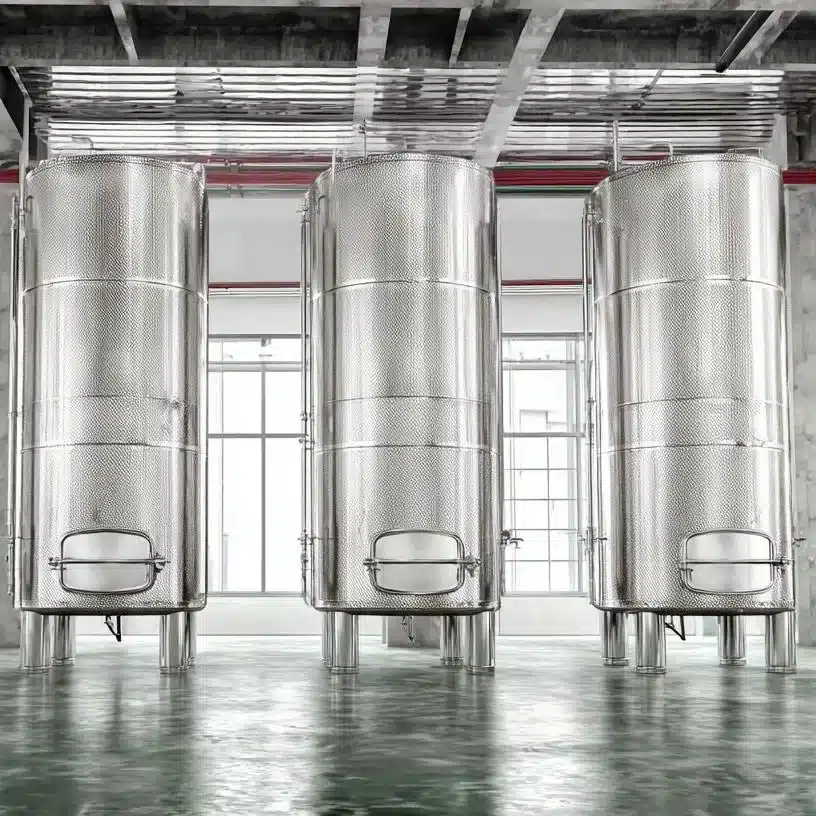
| Stainless Steel | Minimal | Preserves bright, fresh fruit flavors; easy to clean and sanitize |
| Plastic | Low | Affordable, but can scratch and harbor bacteria over time |
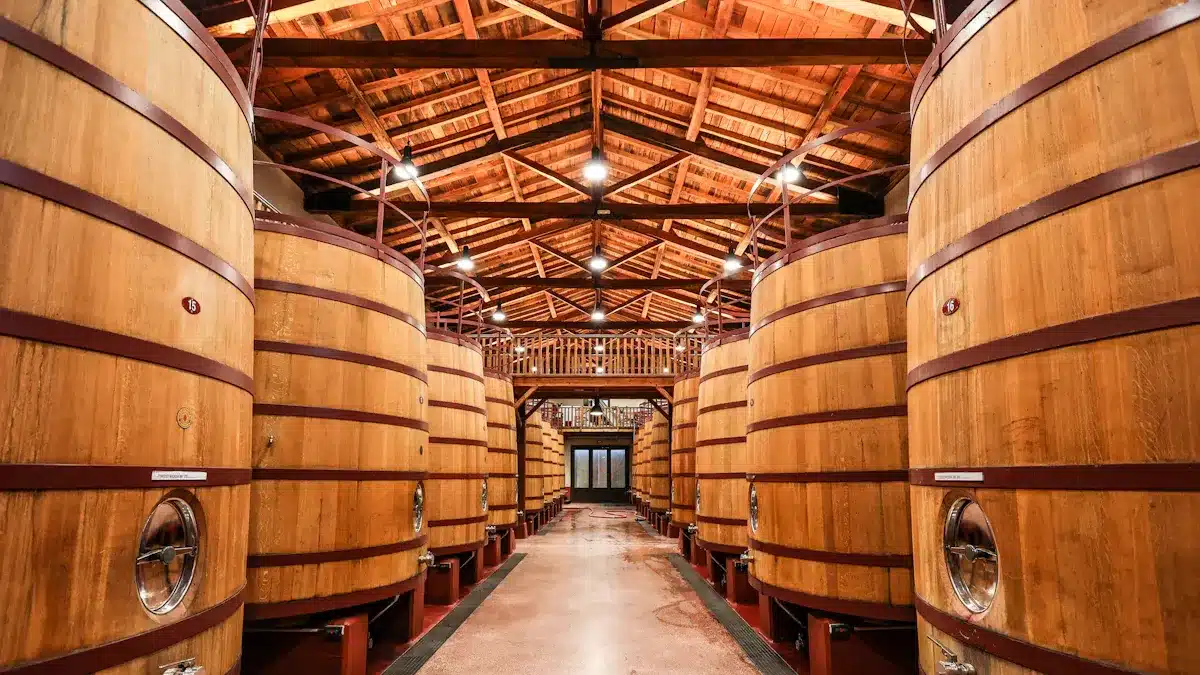
| Oak | Moderate | Adds vanilla and woody notes; ideal for aged ciders |
| Clay | High | Softens tannins and adds complexity |
Stainless steel tanks like COFF cider fermenters provide the best balance of oxygen control, temperature stability, and ease of maintenance.
Airlock bubbles are a quick way to tell if fermentation is active. At peak activity, you might see bubbles forming every second or two, but this will slow down as fermentation progresses.
That said, airlock activity isn’t a reliable way to tell when fermentation is finished. Changes in temperature can cause bubbling even when no fermentation is taking place, so it’s always best to confirm with a hydrometer.
A hydrometer measures the specific gravity of the cider, which tells you how much sugar remains. This is the only 100% reliable way to confirm fermentation is finished.
How to use a hydrometer:
Sanitation is one of the most important parts of making good cider. Even a small amount of unwanted bacteria or wild yeast can lead to off-flavors or spoilage.
To avoid this, make sure all equipment that touches your cider is properly sanitized, use food-grade sanitizers designed for brewing, and keep your fermentation area clean and dry. It also helps to wash your hands thoroughly before handling any equipment.
Rushing the fermentation process is the most common mistake new cider makers make. Check your cider regularly for signs of spoilage (unusual odors, mold, or excessive cloudiness), but resist the urge to bottle early.
Good things come to those who wait—extra time in secondary fermentation will almost always result in a better-tasting cider.
Using a well-designed fermentation vessel can make cider making more consistent and easier to manage, especially when it comes to temperature control and sanitation.
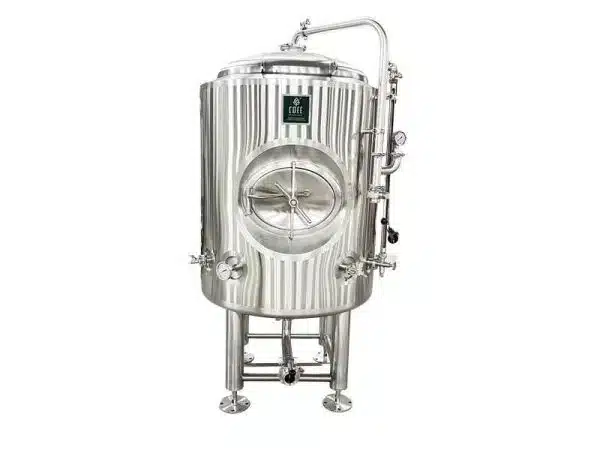
Stainless steel fermenters are a popular option for both beginners and experienced makers. Models with features such as cooling jackets, airtight seals, and conical bottoms can help improve fermentation stability, reduce oxygen exposure, and simplify sediment removal. They are also generally easier to clean and maintain compared to basic setups.
For example, some stainless steel cider tanks (such as those from COFF) offer these features across a range of sizes, from small 5-gallon batches to larger-scale production.
Fermenting 5 gallons of cider takes approximately 2–6 weeks total: 5–14 days for primary fermentation and 1–4 weeks for secondary fermentation. The exact timeline depends on yeast strain, temperature, and juice quality.
The most important rule is to be patient and always use a hydrometer to confirm fermentation is complete before bottling. With the right equipment and proper technique, anyone can make delicious, high-quality hard cider at home.
For consistent, professional results every time, consider upgrading to a COFF stainless steel cider fermenter. Its precise temperature control and oxygen protection will help you make better cider with less effort.
You can speed up fermentation by using a fast-acting yeast strain, maintaining a consistent temperature of 65–68°F, and adding yeast nutrient. Never raise the temperature above 75°F, as this will produce off-flavors.
Stainless steel tanks like the COFF cider fermenter are the best choice. They are easy to clean, provide excellent temperature control, and prevent oxygen exposure that can spoil your cider.
Sour or off-flavors are almost always caused by poor sanitation or excessive oxygen exposure. Always sanitize all equipment thoroughly and use an airtight fermentation vessel.
Yes, food-grade plastic buckets work well for beginners. However, they can scratch and harbor bacteria over time, and they do not allow for temperature control. Stainless steel tanks are a better long-term investment.
If fermentation stops early, first check the temperature and adjust to 60–68°F. Gently stir the cider to rehydrate the yeast, or add a small amount of yeast nutrient. If these steps don’t work, you may need to pitch a fresh batch of yeast.