
COPYRIGHT © 2022 COFF International Co., ltd. ALL RIGHTS RESERVED


Setting up a brewery requires careful planning and investment in the right equipment to produce high-quality beer consistently. From small craft operations to large commercial facilities, understanding what equipment a brewery needs is crucial for success. This comprehensive guide covers all essential brewing equipment, from raw material preparation through packaging, helping you make informed decisions about your brewery setup.
Understanding the brewing process is essential before selecting equipment. Each step requires specific machinery designed to handle particular aspects of beer production, from grain preparation to final packaging.
The brewing process begins with raw material preparation, primarily focusing on malt and water quality. Selecting the right malt and ensuring proper grain preparation is fundamental to producing excellent beer. High-quality malt must be properly stored and ground to the correct consistency using specialized milling equipment.
Water treatment is equally important, as water comprises approximately 90% of beer. The mineral content, pH levels, and purity directly impact flavor profiles and brewing efficiency. Professional breweries invest in comprehensive water treatment systems to achieve consistent results.
During mashing, crushed malt combines with hot water in the mash tun, converting starches into fermentable sugars. Temperature control is critical throughout this process, typically maintaining ranges between 148°F and 158°F depending on the desired beer style. Modern oil-heated brewhouse systems provide precise temperature control and energy efficiency.
Lautering separates the liquid wort from spent grain solids. This process requires specialized filtering equipment with false bottoms or filter plates to achieve clear wort while maximizing sugar extraction efficiency.
The boiling stage serves multiple purposes: sterilizing the wort, extracting hop flavors and aromas, and concentrating the liquid through evaporation. Professional boiling kettles feature powerful heating elements and efficient vapor condensation systems to manage energy consumption and maintain consistent boiling intensity.
Hop addition timing affects beer characteristics significantly. Early additions contribute bitterness, while late additions provide aroma and flavor complexity. Advanced brewhouses include automated hop dosing systems for precise timing and quantities.
Rapid wort cooling prevents contamination and prepares the liquid for yeast addition. Modern craft brewery equipment includes efficient plate heat exchangers or tube-in-tube coolers that quickly reduce wort temperature from boiling to fermentation temperatures.
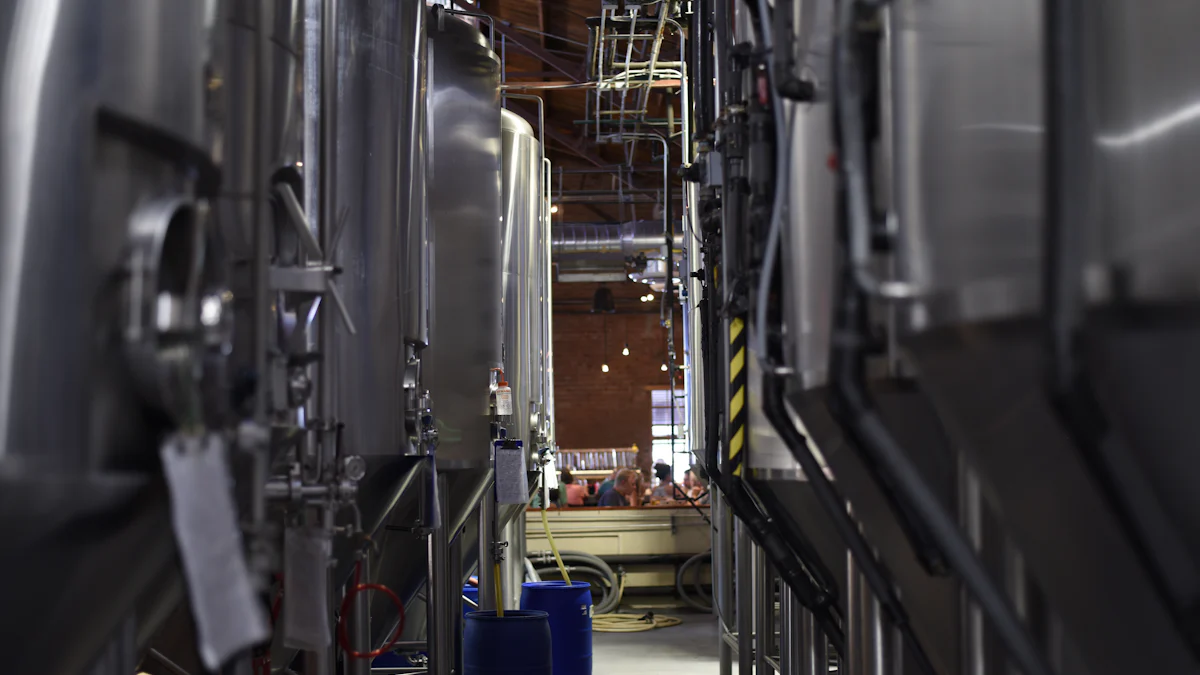
Fermentation vessels are where yeast converts sugars into alcohol and carbon dioxide. Temperature control during fermentation is crucial for yeast health and flavor development. Professional fermentation systems include glycol cooling jackets and automated temperature monitoring.
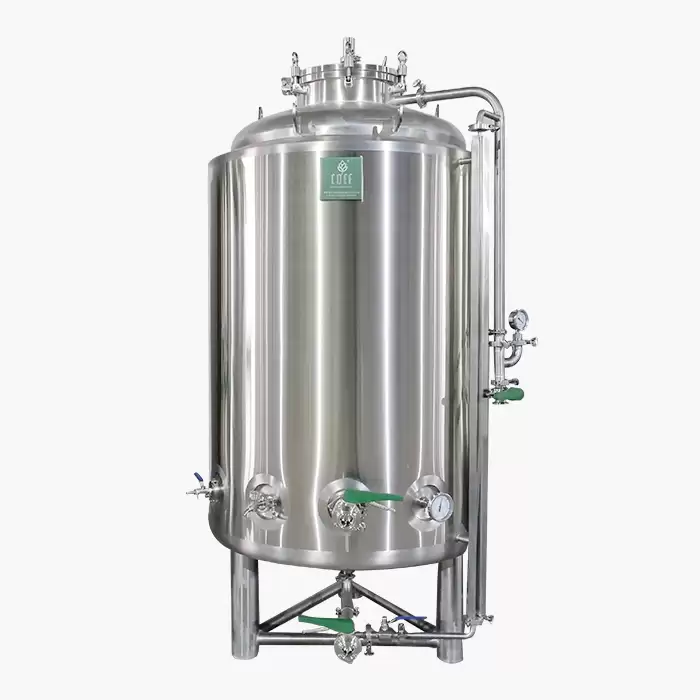
After primary fermentation, beer undergoes maturation in bright beer tanks where flavors develop and clarification occurs. This stage may last several days to weeks, depending on beer style and desired characteristics.
Filtration removes remaining yeast and particulates, creating crystal-clear beer. Professional breweries utilize various filtration methods, including diatomaceous earth filters, plate filters, or membrane filtration systems.
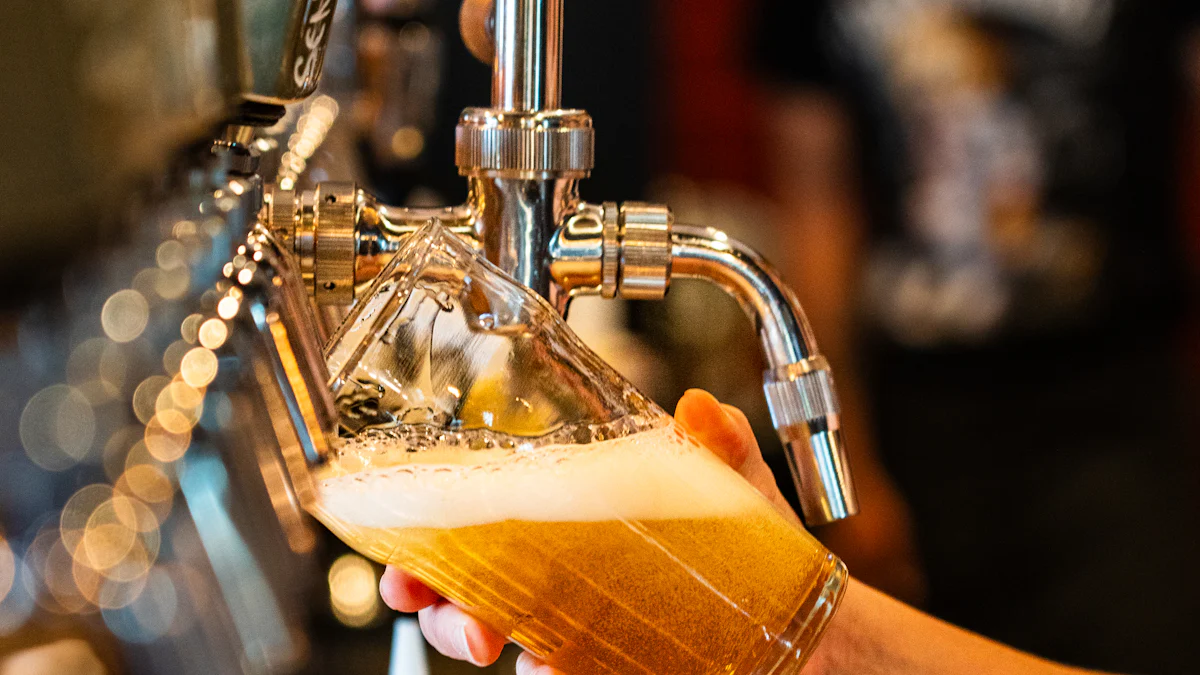
The final stage involves transferring finished beer to bottles, cans, or kegs while maintaining product quality and preventing contamination. Professional packaging lines include counter-pressure filling systems, carbonation control, and quality monitoring equipment.
The milling system crushes malted grains to expose starches for efficient sugar extraction during mashing. Professional mills feature adjustable roller gaps, dust collection systems, and capacity ratings suited to brewery production volumes.
| Mill Type | Capacity (lbs/hr) | Best For | Key Features |
|---|---|---|---|
| Two-Roller Mill | 200-2000 | Small to medium breweries | Simple operation, consistent crush |
| Four-Roller Mill | 1000-5000 | Large commercial operations | Superior husk preservation, higher efficiency |
| Hammer Mill | 500-3000 | High-throughput operations | Fast processing, uniform particle size |
The brewhouse represents the heart of any brewery operation. Modern brewhouse systems typically include mash tuns, lauter tuns, boiling kettles, and whirlpools. Advanced systems integrate automation for recipe control, temperature management, and process monitoring.
For craft brewers looking to scale operations, scaling from 1-15 bbl systems requires careful consideration of brewhouse capacity, energy efficiency, and future expansion needs.
Oil-heated systems offer superior temperature control and energy efficiency compared to direct-fired alternatives. These systems provide even heat distribution, precise temperature management, and reduced maintenance requirements.
Efficient cooling systems rapidly reduce wort temperature from boiling to fermentation levels, typically 65-75°F for ales and 45-55°F for lagers. Professional heat exchangers recover energy by preheating incoming water with hot wort, improving overall brewery efficiency.
Key components include:
Fermentation vessels are critical for beer quality and production consistency. Stainless steel fermentation tanks offer superior durability, sanitation, and temperature control capabilities compared to alternative materials.
Modern fermentation systems include:
For home brewers transitioning to commercial operations, understanding different fermentation vessel types helps make informed equipment decisions.
Professional filtration systems ensure beer clarity and shelf stability. Options range from simple plate filters to sophisticated membrane filtration systems. Advanced filtration equipment provides consistent results while minimizing beer loss and maintaining flavor integrity.
Clean-in-place (CIP) systems automate cleaning and sanitization processes, ensuring consistent hygiene standards while reducing labor requirements. Professional CIP systems include chemical dosing pumps, temperature control, and programmable cleaning cycles.
Packaging equipment varies significantly based on brewery size and distribution needs. Options include manual bottling systems for small operations to high-speed automated lines for large commercial breweries. Key considerations include filling accuracy, contamination prevention, and production capacity.
Nano breweries focus on small-batch production with minimal space requirements. Small-scale brewing equipment typically includes:
| Equipment | Capacity | Estimated Cost | Key Features |
|---|---|---|---|
| Brewhouse System | 1-3 BBL | $15,000-$35,000 | Manual operation, electric heating |
| Fermentation Tanks | 2-6 tanks | $8,000-$20,000 | Basic temperature control |
| Cooling System | 1/2-1 HP | $3,000-$8,000 | Glycol chiller, basic controls |
| Packaging | Manual | $2,000-$5,000 | Counter-pressure filler |
Microbreweries represent the sweet spot for craft brewing operations, offering production flexibility while maintaining quality focus. Choosing microbrewery equipment requires balancing capacity, automation, and budget considerations.
For those considering 5bbl brewing systems, this capacity provides excellent flexibility for recipe development while supporting small-scale commercial distribution.
Regional breweries require robust equipment capable of consistent high-volume production. These operations typically feature automated brewhouses, multiple fermentation vessels, and professional packaging lines.
Large commercial operations demand industrial-grade equipment with extensive automation, quality monitoring systems, and high-speed packaging capabilities. Commercial brewing equipment costs vary significantly based on capacity and automation levels.
Before contacting manufacturers, clearly define production goals, beer styles, and capacity requirements. Consider future expansion plans when sizing equipment to avoid costly upgrades. Craft brewery equipment for small breweries should balance current needs with growth potential.
Research manufacturer backgrounds, industry experience, and customer references. Established manufacturers like Ningbo Coff Machinery bring extensive experience in brewing equipment design and manufacturing, with proven track records serving breweries worldwide.
Key evaluation criteria include:
Quality construction ensures equipment longevity and consistent performance. Stainless steel brewing equipment offers superior durability, corrosion resistance, and sanitation capabilities compared to alternative materials.
Ningbo Coff Machinery utilizes 100% stainless steel 304 construction with 2B finish, ensuring premium quality and longevity. Our manufacturing processes include TIG welding, laser welding on dimple jackets, and strict quality control following ISO9001 standards.
Comprehensive after-sales support is crucial for brewery success. Look for manufacturers offering installation assistance, training programs, and ongoing technical support. Coff provides technical support for installation and maintains local support networks in 18 countries worldwide.
While initial equipment cost is important, consider total cost of ownership including energy efficiency, maintenance requirements, and operational reliability. Understanding craft beer production costs helps evaluate equipment value propositions.
Choose equipment designed for future expansion and system integration. Modular designs allow capacity increases without complete system replacement. Consider compatibility between different equipment components and automation systems.
| Consideration | Startup Brewery | Expanding Brewery | Established Brewery |
|---|---|---|---|
| Primary Focus | Basic functionality, budget-conscious | Scalability, automation | Efficiency, consistency |
| Equipment Priority | Essential systems only | Modular expansion capability | Premium features, integration |
| Support Needs | Training, installation | Technical guidance | Ongoing optimization |
Selecting the right brewery equipment requires careful consideration of production goals, quality requirements, and budget constraints. Whether establishing a nano brewery or expanding commercial operations, partnering with experienced manufacturers ensures access to quality equipment and ongoing support.
Ningbo Coff Machinery specializes in comprehensive brewing solutions, from individual components to complete brewery systems. Our vertically integrated manufacturing processes, quality materials, and extensive experience serving breweries worldwide make us an ideal partner for your brewing equipment needs.
For personalized equipment recommendations and technical consultation, contact our team at sxn@nbcoff.com or +86 13819801855. Visit our facility at No. 12, Meilin Road, Yuyao, Ningbo City, Zhejiang Province, or explore our complete equipment catalog at nbcoff.com.
With proper equipment selection and reliable manufacturing partners, your brewery can achieve consistent quality, operational efficiency, and sustainable growth in the competitive craft brewing market.