


COPYRIGHT © 2022 COFF International Co., ltd. ALL RIGHTS RESERVED

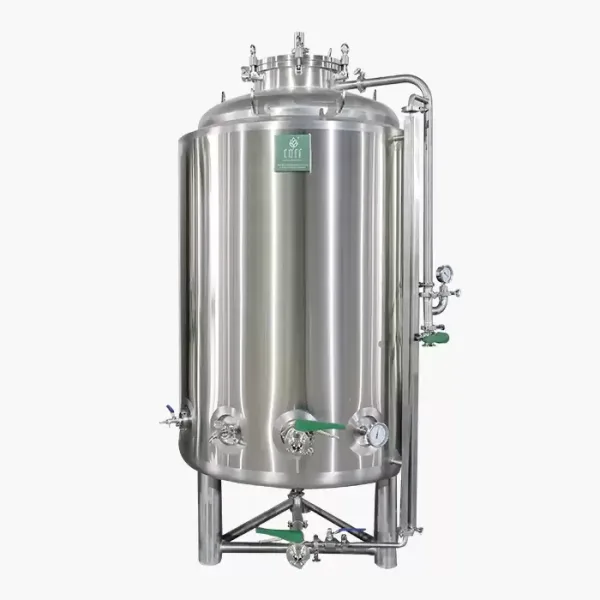
316 stainless steel is considered the best stainless steel material for water tanks. Many companies choose it because it is rust-resistant, ensuring safe and uncontaminated water. Even in hard water environments, this stainless steel keeps water clean and fresh, and has a long service life. COFF, a trusted brewing equipment company, uses only certified stainless steel to ensure the high quality and safety of its products.
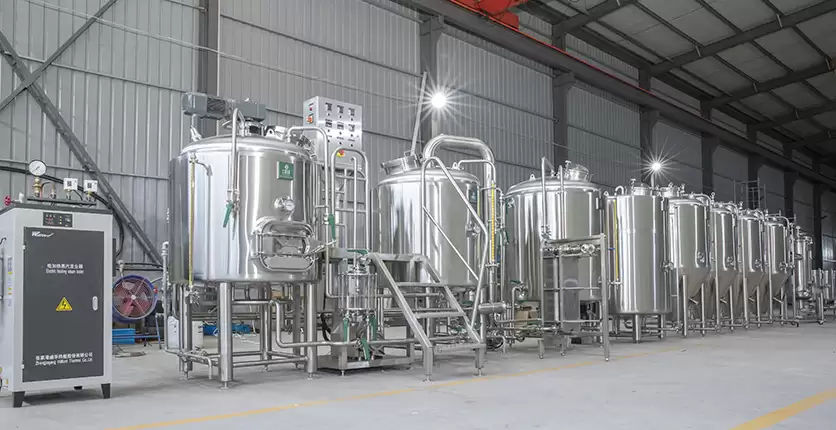
316 stainless steel water tanks are not prone to rusting in water. Even in water with high salinity or hardness, they remain robust and durable, making them an ideal choice for water tanks. The molybdenum element in 316 stainless steel helps prevent rust and corrosion, making it ideal for industrial stainless steel water tanks. While 304 stainless steel water tanks rust faster in water containing high levels of sodium chloride (NaCl), 316 stainless steel water tanks are less prone to rusting. This exceptional corrosion resistance protects the stainless steel water tank from damage and extends its service life. Water tanks made of 316 stainless steel maintain clean and safe water quality and function normally even in harsh environments. Because they are rust-resistant, they require less frequent maintenance and eliminate concerns about rust. Many companies choose 316 stainless steel water tanks as their water storage containers. They offer strong protection and a long service life.
Tip: Choosing a 316 stainless steel water tank as your water storage container can save on maintenance costs and extend the tank’s lifespan.
316 stainless steel water tanks are safe for storing drinking water. These water tanks effectively prevent harmful substances from entering the water, making them ideal for storing drinking water. The lining, piping fittings, and valves of stainless steel water tanks must be made of safe materials. Tests show that stainless steel water tanks do not degrade water quality. With proper maintenance, stainless steel water tanks can last for more than 30 years.
The lifespan of 316 stainless steel water tanks depends on their grade, wall thickness, and maintenance. Stainless steel water tanks do not rust, thus maintaining fresh and safe water quality for extended periods. Industrial-grade stainless steel water tanks are more robust and durable, suitable for high-intensity working environments. Stainless steel water tanks effectively prevent dirt and bacterial contamination, ensuring safe drinking water. They also help maintain cleanliness.
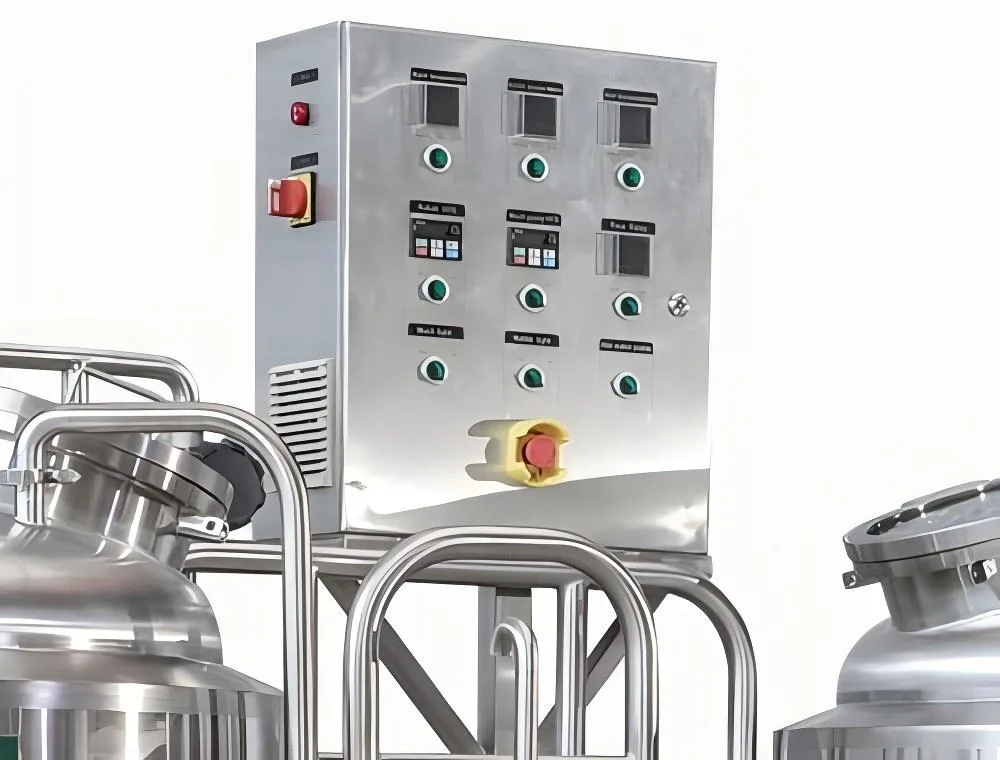
316 stainless steel water tanks meet important water storage tank standards. These standards ensure that stainless steel water tanks are safe, robust, and suitable for drinking water. The bodies that develop these standards require stainless steel water tanks to adhere to rigorous processes. COFF uses certified stainless steel tank materials and employs optimal manufacturing processes. Their industrial stainless steel tanks undergo rigorous testing to ensure superior performance. Stainless steel tanks must meet the standards of agencies such as AWWA, NSF, EPA, and FDA. These standards demonstrate that stainless steel tanks are harmless to water and food safety.
| Regulatory Body | Key Standards |
|---|---|
| AWWA | D100 specifications |
| NSF | NSF 61 certification |
| EPA | Safe Drinking Water Act |
| FDA | Food safety regulations |
| Local Health Departments | Regional health codes |
| Certification Standard | Description |
|---|---|
| AWWA D103-09 | Lists what is needed to design, build, check, and coat tanks for drinking water. |
| FDA Certification | Makes sure materials are safe for food. |
| ISO 9001 | Shows the company follows good quality rules. |
COFF stainless steel tanks meet these standards. This helps people feel confident when choosing stainless steel water tanks. COFF industrial-grade stainless steel tanks utilize safe materials and advanced processes, making them more robust and durable.
Note: When purchasing stainless steel water tanks, always check their certification information. Certified stainless steel tanks are safe, reliable, and durable.
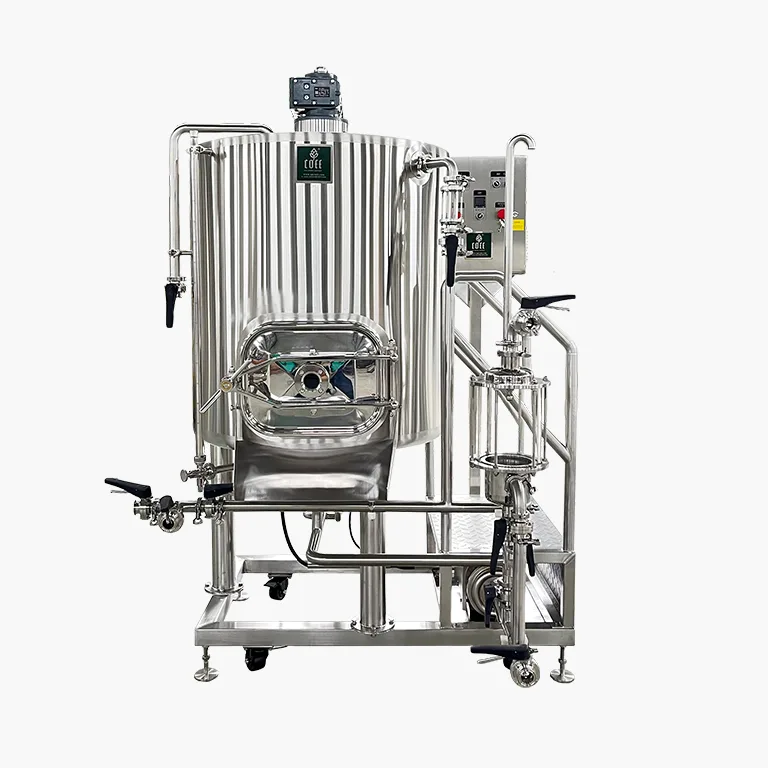
Both 304 and 316 stainless steel are used to manufacture water tanks. Their biggest difference lies in their composition. 316 stainless steel contains molybdenum, which helps it resist rust better, especially in saline environments. Therefore, 316 stainless steel water tanks are more suitable for harsh environments.
304 stainless steel contains more chromium, which also helps resist rust, but not as much as 316 stainless steel under harsh conditions. 316 stainless steel also contains more nickel, which makes its rust resistance even better. The following table briefly lists their main characteristics:
| Property | 304 Stainless Steel | 316 Stainless Steel |
|---|---|---|
| Chromium Content | 18.0 – 19.5% | 16.5 – 18.5% |
| Nickel Content | 8.0 – 10.5% | 10.0 – 13.0% |
| Molybdenum Content | N/A | 2% |
| Corrosion Resistance | Good | Excellent (especially in chloride environments) |
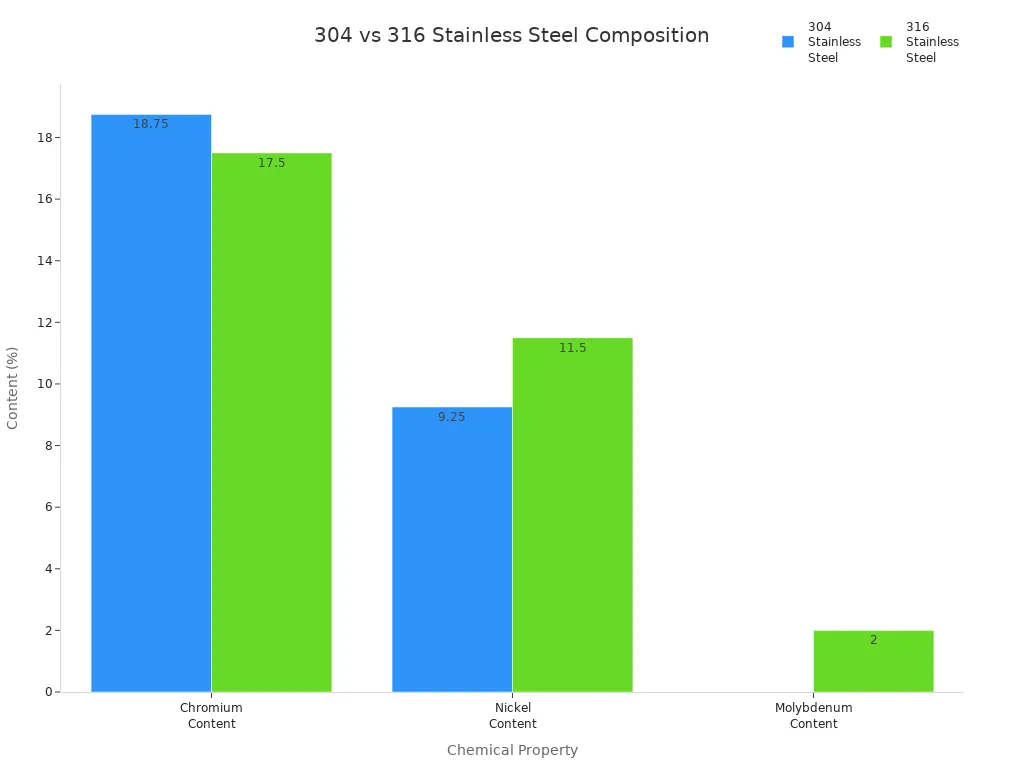
Both types of tanks are suitable for cold water environments. However, in environments containing strong chemicals, 316 stainless steel tanks perform better.
Tip: If your water contains salt or chemicals, please choose a 316 stainless steel storage tank for optimal safety.
304 stainless steel storage tanks are suitable for many water treatment applications. They have good rust resistance and are commonly used in factories and power plants. These tanks can withstand high pressure and heavy loads.
304 stainless steel water tanks are also suitable for food and beverage applications. Their smooth surface effectively prevents bacterial growth and keeps the water clean. They can store hot or cold water, making them versatile.
Applications of 304 stainless steel water tanks include:
304 stainless steel water tanks are best suited for storing clean water or water free of high salt content or strong chemicals.
You should choose between 304 and 316 stainless steel water tanks based on your specific needs. Each type has its advantages and disadvantages.
Pros of 304 Stainless Steel Tanks:
Cons of 304 Stainless Steel Tanks:
Pros of 316 Stainless Steel Tanks:
Cons of 316 Stainless Steel Tanks:
316 stainless steel water tanks are more expensive due to their superior rust resistance. Many companies choose 316 stainless steel water tanks for safety and lifespan considerations.
Note: If you need a water tank for treating poor water quality, 316 stainless steel water tanks are the best choice.
When choosing a stainless steel water tank, both price and maintenance need to be considered. 316 stainless steel water tanks are more expensive than 304 stainless steel tanks. However, the higher price brings better rust resistance and a longer lifespan.
The level of maintenance required for a water tank depends on its material. 316 stainless steel water tanks should be checked regularly for rust, especially at seams and welds. Repair costs can be high if rust is found. Fiberglass reinforced plastic (GRP) water tanks require less maintenance as they do not rust or peel. Most stainless steel water tanks require regular cleaning. This keeps the water clean and safe, which is crucial for water treatment and the food and beverage industry.
Tip: Buying a 316 stainless steel water tank can save on maintenance costs and ensure your water safety in the long term.
Ensuring water safety is paramount. Stainless steel water tanks must meet stringent regulations to ensure water quality meets drinking and food safety standards. Agencies such as the FDA, NSF International, EPA, and ASME have established regulations for water tanks in municipal water supply systems. The table below lists the inspection items for each agency:
| Regulatory Body | Requirement |
|---|---|
| FDA | Ensuring materials that come into contact with food and beverages are safe and clean. |
| NSF International | Inspecting water tanks to ensure they meet food and beverage supply standards. |
| EPA | Establishing drinking water cleanliness standards to prevent contamination. |
| ASME | Establishing regulations for pressurized water tanks to ensure their safety and robustness. |
Water tanks that meet these regulations help ensure safe and clean water for everyone.
You can customize stainless steel water tanks to meet different water needs. Top companies allow you to choose steel grades, tank bottom shapes, fittings, coatings, and insulation. The table below lists some options:
| Customization Option | Description |
|---|---|
| Material Selection | Pick the right stainless steel grade for your needs. |
| Tank Bottom Types | Choose different shapes for draining or mixing. |
| Fittings and Connections | Add special ports, nozzles, or mixers for your job. |
| Interior Coatings | Use coatings inside to stop rust and make the tank last longer. |
| Insulation Options | Add insulation or jackets to keep things hot or cold. |
When purchasing stainless steel tanks, quality is paramount. COFF uses advanced technologies such as CNC cutting, TIG welding, polishing, and rigorous testing to ensure the superior quality of every tank. You should choose an experienced company with excellent after-sales service. Choosing a trusted brand like COFF means your tanks can ensure safe water quality and long-term stable operation in water treatment, food and beverage, and other industries.
316 stainless steel is ideal for water tanks. It is rust-resistant and keeps clean. It performs exceptionally well in harsh environments where other metals fail. Experts say it is ideal for the food and chemical industries because it ensures water purity.
| Key Property/Application | Description |
|---|---|
| Corrosion Resistance | Stops rust and damage in tough places. |
| Suitability for Hygienic Standards | Used in food and medicine jobs for safety. |
| Applications | Good for chemical, sea, and salty water tanks. |
Savvy buyers follow these recommendations: Choose robust and durable steel to extend the life of your tank. Inspect the tank regularly to detect problems early. Ensure the tank size meets your needs.
Some people choose the wrong steel or ignore weather factors. These can both lead to problems. Purchasing from a trusted brand like COFF can help you avoid these mistakes. It ensures the safety of your water and extends the life of your tank.
316 stainless steel is less prone to rust and more corrosion-resistant than other types of stainless steel. The molybdenum element helps protect the tank from salt and chemicals. Many experts consider 316 stainless steel the best choice for safe water storage and its durability.
304 stainless steel is suitable for clean, cold water and ensures water safety in most cases. However, if the water contains salt or chemicals, 316 stainless steel offers better protection.
Frequent cleaning keeps water fresh and safe. Most companies recommend cleaning the tank every six months. COFF recommends developing a cleaning schedule for best results.
COFF water tanks are made of certified stainless steel. They strictly adhere to regulations from the FDA, NSF, and other agencies. People trust COFF as a safe water storage material.
Stainless steel water tanks are easy to maintain. Regularly check for rust and clean them. 316 stainless steel water tanks are easier to maintain than other types of water tanks. Choosing a COFF water tank helps simplify maintenance and ensures its proper functioning.