


COPYRIGHT © 2022 COFF International Co., ltd. ALL RIGHTS RESERVED


Distilleries rely on three primary types of stills to produce spirits: pot stills, column stills, and hybrid stills. All designs work on the same fundamental principle — heating fermented wash to vaporize alcohol, then condensing the vapor back into liquid — but they differ dramatically in flavor output, production efficiency, and operating style.
Pot stills create rich, congener-heavy spirits like whiskey and brandy through batch distillation. Column stills run continuously to produce ultra-pure, high-proof neutral spirits for vodka and gin. Hybrid stills combine both designs to give craft distilleries the flexibility to make multiple spirit styles on a single system.
Below, we break down how each type works, their key characteristics, and which style fits different distillery operations.

Pot stills are the oldest and most traditional distillation design, used for centuries to make full-flavored aged spirits.
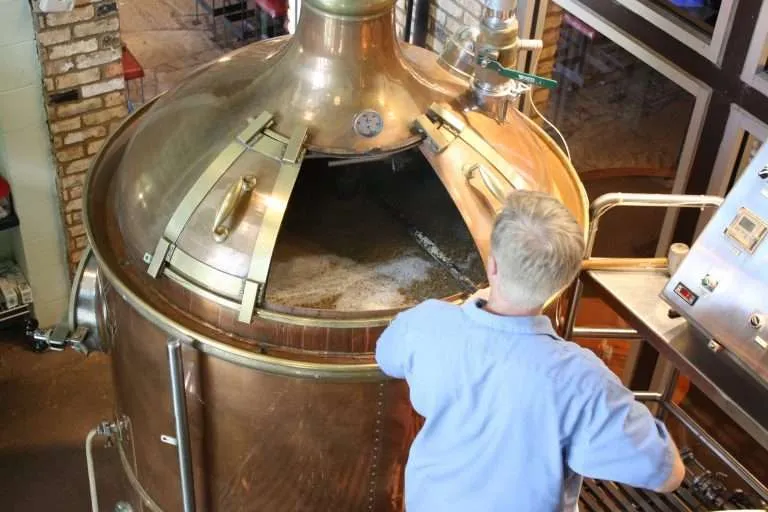
Pot stills operate one batch at a time. Fermented wash is loaded into a large copper kettle, then heated from below. As the liquid heats up, alcohol (which boils at a lower temperature than water) vaporizes first, rising up through the still’s neck and into a condenser, where it cools back into liquid distillate.
The shape of the still’s neck and head impacts flavor: taller, wider necks create more surface area for vapor contact and reflux (re-evaporation of condensed liquid), resulting in a smoother, more refined spirit. Shorter necks retain more heavy flavor compounds.
Copper is the universal material for pot stills because it binds with sulfur compounds in the vapor, removing harsh, rotten-egg off-flavors and leaving a cleaner, smoother spirit.
💡 Regulatory Note: Many protected spirit designations — including Cognac and Malt Scotch Whisky — legally require pot still distillation to preserve traditional flavor profiles.

Column stills (also called continuous stills or Coffey stills) are the industry standard for large-volume, high-proof spirit production.
Instead of processing one batch at a time, column stills run nonstop. Fermented wash is continuously pumped into the top of a tall vertical tower, while steam rises from the bottom. Inside the column are dozens of perforated plates or trays. As steam bubbles up through the liquid on each plate, alcohol vaporizes and rises to the next plate, while water and heavier compounds fall downward.
This repeated vaporization-condensation cycle (called reflux) happens on every plate, creating extremely efficient separation. Most industrial column systems use two towers:
More plates equal higher purity. High-end neutral spirit columns can produce alcohol up to 95.6% ABV (the azeotrope of ethanol and water).

Hybrid stills combine a pot still kettle with a mounted rectification column, giving distillers the ability to switch between pot-style and column-style distillation on the same equipment.
A hybrid still’s core feature is a diverter valve system that redirects vapor flow:
Most hybrid systems also include a dephlegmator (reflux condenser) at the top of the column, which lets distillers fine-tune reflux level and spirit character in real time. Many units also feature automated PLC controls and CIP (clean-in-place) compatibility for efficient batch turnover.
| Category | Pot Still | Column Still | Hybrid Still |
|---|---|---|---|
| Operation Mode | Batch | Continuous | Batch, switchable modes |
| Flavor Profile | Rich, full, high congeners | Clean, neutral, low congeners | Adjustable from rich to clean |
| Typical Max Proof | 60–70% ABV | 95%+ ABV | 70–96% ABV |
| Production Volume | Low to medium | Very high | Medium, flexible |
| Labor Requirement | High, manual operation | Low, highly automated | Medium |
| Upfront Cost | $15,000 – $150,000+ | $100,000 – millions | $50,000 – $500,000+ |
| Best For | Full-flavored aged spirits, craft batches | Large-scale neutral spirits, bulk production | Multi-style craft distilleries |
Selecting the best still comes down to three core factors:
Copper reacts with sulfur compounds present in fermented wash, binding them to the interior walls of the still and removing harsh, unpleasant aromas from the final spirit. This chemical reaction is why copper stills produce smoother, cleaner-tasting spirits than stainless steel alternatives.
A hybrid still lets a single piece of equipment produce both full-flavored pot-still spirits and clean, high-proof column-style spirits. This gives craft distillers the flexibility to expand their product line without investing in multiple separate still systems.
Column stills use a series of internal plates where rising steam meets falling liquid. Alcohol vaporizes and moves up to the next plate again and again, getting more pure with each cycle. This repeated distillation (reflux) creates extremely high-proof, neutral alcohol in a single continuous pass.
Yes. Many large-scale bourbon and American whiskey producers use column stills for initial distillation, then often run the spirit through a pot still for a second distillation to add flavor character. All-bourbon column stills are also common for value-priced whiskey products.
There is no universal “best” still — each design serves a specific purpose. Pot stills are irreplaceable for traditional, full-flavored aged spirits, column stills dominate large-scale neutral spirit production, and hybrid stills offer the best of both worlds for growing craft operations.
The right choice depends on your core spirit style, production volume targets, and long-term brand goals. For most new craft distilleries, a well-sized hybrid still offers the most flexibility to experiment and grow over time.