Table of Contents
The Science Behind Beer Flavors
Beer’s flavor profile is a complex interplay of over 800 detectable compounds created through:
- Maillard Reactions: Develop toasty/nutty notes during malting
- Hop Isomerization: Creates bitterness and floral aromas
- Yeast Metabolism: Produces esters (fruity) and phenols (spicy)
- Fermentation Byproducts: Diacetyl (buttery) or acetaldehyde (green apple)
Professional brewers control these reactions using precision brewing equipment to achieve consistent flavor profiles.
What Does Root Beer Taste Like?
Traditional root beer is a non-alcoholic beverage with:
- Primary Flavors: Wintergreen, vanilla, anise, and sarsaparilla
- Mouthfeel: Creamy texture with moderate carbonation
- Sweetness Level: High (20-30g sugar per serving)
- Modern Variations: Alcoholic craft versions with bourbon or birch notes
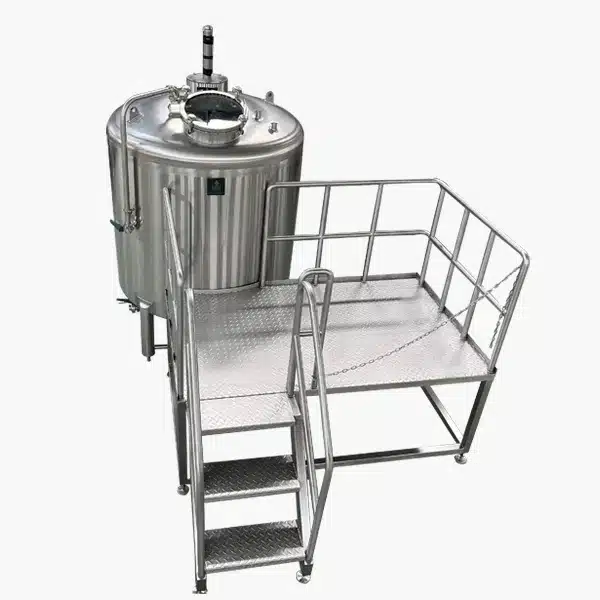
Commercial producers achieve consistent flavor using temperature-controlled infusion tanks for herb extraction.
What Does Guinness Beer Taste Like?
This iconic Irish stout features:
- Flavor Notes: Coffee, dark chocolate, and caramelized malt
- Mouthfeel: Creamy nitrogen-induced texture with silky finish
- Bitterness: 40-45 IBU (moderate for a stout)
- Special Characteristic: Distinctive sour note from roasted unmalted barley
Brewers replicate the signature cascade effect using specialized nitrogen infusion systems.
What Does Ginger Beer Taste Like?
Modern alcoholic ginger beer differs from traditional soft drinks:
- Flavor Profile: Spicy ginger heat balanced with citrus notes
- Sweet-Tart Balance: Varies from dry (0-5g sugar) to sweet (20g+)
- Alcohol Content: Typically 4-7% ABV
- Craft Innovations: Hibiscus-infused or barrel-aged variations
Commercial producers use precision fermentation tanks to control ginger’s pungent compounds.
What Does Birch Beer Taste Like?
This regional specialty offers:
- Primary Flavor: Wintergreen/methyl salicylate from birch bark
- Color Variants: Red (sweeter) vs. Brown (more earthy)
- Comparison: Less sweet than root beer with distinctive “woody” finish
- Craft Applications: Used in beer cocktails and barrel-aged blends
Extracting delicate birch flavors requires low-temperature infusion systems.
Craft Revolution: IPA Flavor Spectrum
India Pale Ales have evolved into distinct substyles:
| Style |
Flavor Profile |
Bitterness (IBU) |
Notable Examples |
| West Coast IPA |
Pine/resin with crisp malt backbone |
60-80 |
Lagunitas, Stone IPA |
| New England IPA |
Juicy tropical fruit with hazy body |
40-60 |
Tree House, Trillium |
| Brut IPA |
Champagne-like dryness with hop aromatics |
20-40 |
Social Kitchen |
| Black IPA |
Roasted malt with citrus hop contrast |
50-70 |
Firestone Walker Wookey Jack |
Brewing these requires specialized dry-hopping systems for aroma preservation.
How Brewing Techniques Shape Taste
Water Chemistry Adjustments
Mineral profiles dramatically affect flavor perception:
- Burtonization: Adding gypsum for crisp hop bitterness
- Pilsen Soft Water: Enhances malt delicacy in lagers
Temperature Control
- Ale fermentation: 18-22°C (64-72°F)
- Lager fermentation: 7-13°C (45-55°F)
Commercial brewers maintain precision using glycol-cooled fermenters.
Flavor Optimization Techniques
Off-Flavor Solutions
- Diacetyl (Buttery): Extended diacetyl rest at 15°C (59°F)
- Light-Struck (Skunky): Brown glass bottles or hop extracts
- Astringency: Proper sparging temperature control
Flavor Enhancement
- Dry-hopping during active fermentation (biotransformation)
- Oak aging in spirit barrels
- Brettanomyces secondary fermentation
Brewing Equipment Solutions
Coff Machinery provides specialized systems for flavor-focused brewing:
Advanced Fermentation Systems
- Glycol-jacketed conical fermenters (±0.3°C control)
- Integrated thermowells with PT100 sensors
- Dry-hop dosing ports with purging capability
Precision Brewhouses
- Step-infusion mash tuns with rakes
- Whirlpool kettles with trub separation
- Variable-speed centrifugal pumps
Explore our commercial brewing systems for flavor-critical applications.
Flavor Pairing Guide
| Beer Style |
Perfect Food Pairings |
Glassware |
| Root Beer |
Burgers, vanilla ice cream |
Frosted mug |
| Guinness |
Oysters, chocolate desserts |
Nonic pint |
| Ginger Beer |
Sushi, spicy Asian cuisine |
Copper mug |
| West Coast IPA |
Spicy wings, sharp cheddar |
Tulip glass |
Beer Flavor FAQs
Why does Guinness taste different in Ireland?
Freshness, serving temperature (6°C/43°F), and nitrogen mix (75/25 vs 70/30) create noticeable differences.
Is root beer alcoholic?
Traditional versions aren’t, but craft alcoholic root beers (4-7% ABV) are increasingly popular.
Why are IPAs so bitter?
High alpha-acid hops and extended boiling isomerize more bitter compounds.
Can I brew ginger beer without alcohol?
Yes – through natural fermentation stopping at 0.5% ABV or pasteurization.
Expert Brewing Support
Coff Machinery designs equipment for precise flavor development:
- Customizable brewhouses for specific beer styles
- Sanitary 304 stainless steel construction
- Turnkey installations with 3-year warranty
Contact our flavor specialists:
Email: sxn@nbcoff.com
Phone: +86 13819801855
Address: No. 12, Meilin Road, Yuyao, Ningbo City, Zhejiang Province
View our commercial brewing portfolio
Submit technical queries via our contact form for flavor optimization solutions.