


COPYRIGHT © 2022 COFF International Co., ltd. ALL RIGHTS RESERVED


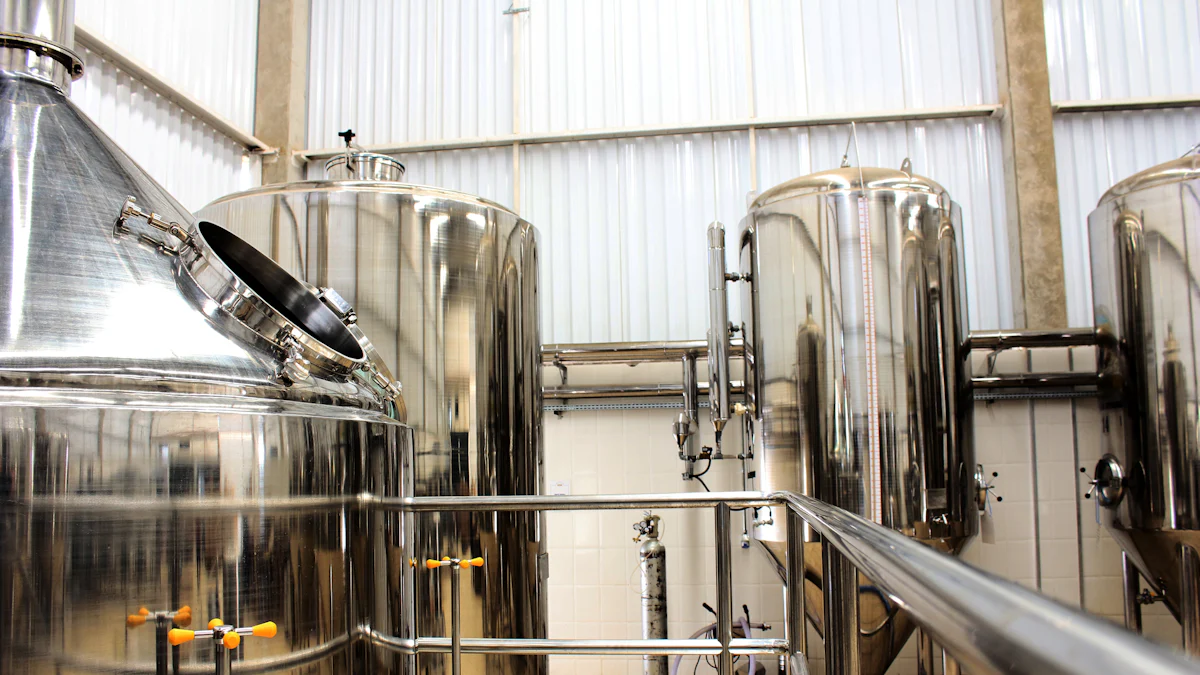
You know that feeling when you step into a backyard and spot a set of shining beer stills? Instantly, you sense stories waiting to be told. Beer stills often become the heart of gatherings, where home distillers share laughs, swap tips, and celebrate small victories. In the U.S. alone, there are thousands of licensed craft distilleries. Check out these numbers:
| State | Number of Licensed Craft Distilleries |
|---|---|
| California | 225 |
| Top Ten Total | Over half of U.S. distilleries |
Every backyard has the chance to turn simple brewing into something legendary.

When you look at beer stills, you see more than just metal and pipes. You see a gateway to creativity and tradition. Many people start with beer stills because they already have some brewing gear at home. You might have a fermenter or a mash tun from making beer or wine. That makes the jump to distilling feel natural.
Here are a few reasons why beer stills stand out in the home distilling movement:
Beer stills also come in different sizes and prices. Take a look at this table to see how accessible they can be:
| Copper Still Size | Material | Approximate Price | Alcohol Yield |
|---|---|---|---|
| 1 Gallon | 100% copper | $149 | 3-5 cups |
| 5 Gallon | 100% copper | $249 | 1-1.5 gallons |
| 10 Gallon | 100% copper | $374 | 3-3.5 gallons |
These options make it easy for you to try distilling without a huge investment.
You join a long line of makers when you start distilling at home. Many home distillers use traditional techniques that have stood the test of time. For example:
Even with all this tradition, you see new ideas popping up. The craft distilling and craft beverage industry keep pushing boundaries. People experiment with new recipes and equipment. But you should know that home distilling faces strict laws in many places. In the U.S. and Canada, you need permits, and the rules can limit how openly you share your creations. Still, the craft spirits industry keeps growing, and you can find inspiration from both old and new ways of making spirits.
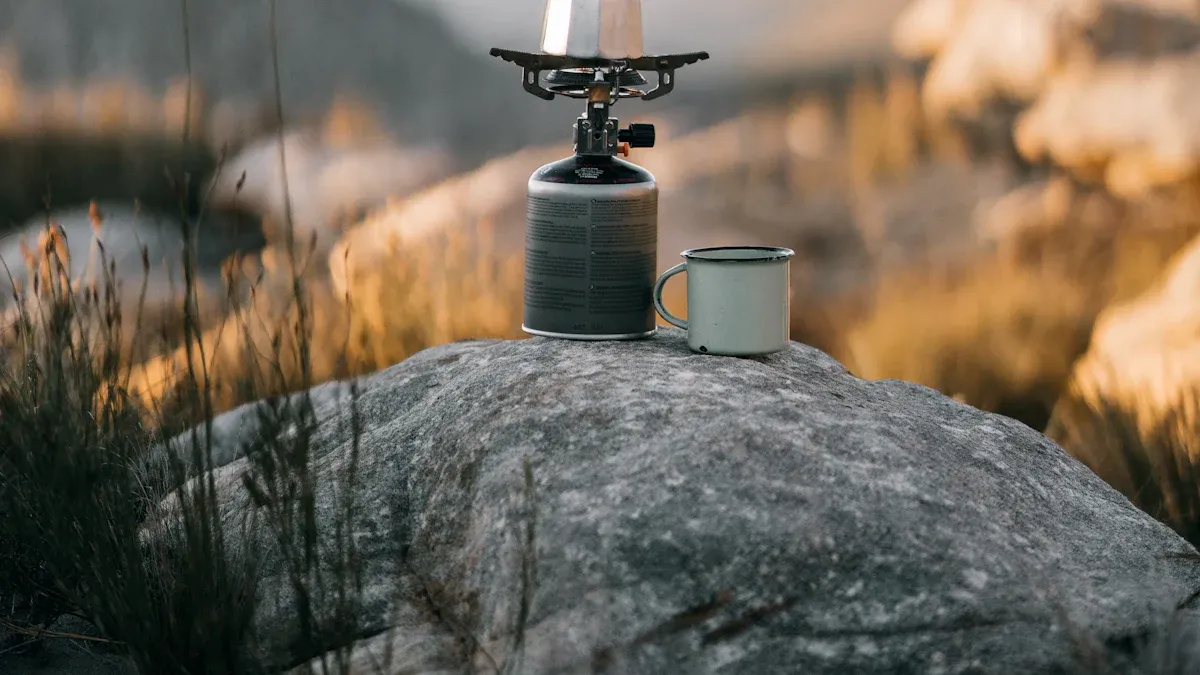
You never forget your first successful batch. Many home distillers describe this moment as a mix of nerves, excitement, and relief. Imagine standing by your beer still, watching the first drops come out. You might feel your heart race. Ryan Friesen, a craft distiller, remembers feeling nervous before his first run. When the first clear spirit appeared, he felt a wave of relief. Tasting that first new make brought tears to his eyes. He thought about the two years of hard work and all the late nights. You might feel exhausted, but the pride and joy make it all worth it.
Some distillers say they cried tears of joy after their first batch. They remember the doubts and the hard work. When you finally taste your own spirit, you realize you have created something special. That first batch becomes a story you tell for years.
Every home distiller faces challenges. You might worry about technical problems or legal risks. Many people start with homemade beer stills built from hardware store parts. These can be tricky and sometimes unsafe. Fire hazards from open flames or propane tanks are real. You also need to watch out for toxic “heads” in the spirit. If you do not separate them, you risk poisoning.
Legal issues can be even tougher. In the United States, federal law bans distilling spirits at home. You cannot run a still in your house, shed, or yard. If you break the law, you could face big fines or even jail time. Some distillers spend years and lots of money trying to get permits. Many give up because the process is so hard.
But legendary home distillers find ways to overcome these obstacles. Here are some strategies they use:
| Strategy Category | Description |
|---|---|
| Mash Techniques | Use sour mash or sweet mash methods to control bacteria and improve flavor. |
| Still Design Adaptations | Modify stills, like the Coffey still, to boost efficiency and manage proof. |
| Temperature & Pressure Control | Carefully control heat and pressure to keep good flavors and remove bad ones. |
| Cultural & Ritual Practices | Follow rituals or superstitions to stay focused and show respect for the craft. |
You might hear stories about Glen Price, who started making moonshine in a horse barn in West Virginia. He used a 10-gallon still and pure white corn. His moonshine became so popular that it reached government buildings. Even with the risk of getting caught, he kept going. With help from a government ally, he turned his operation into a legal family business. His story shows how home distilling can move from secret craft to respected tradition.
You do not have to distill alone. Home distillers often build strong communities. You might share tips, swap recipes, or help each other fix equipment. Jack “Mimm” McClure, a famous bootlegger from Georgia, became a legend for his generosity. He traded moonshine for goods and helped his neighbors. People still tell stories about him hiding his stills under a church to avoid the law. Even though his recipe is lost, his legend lives on at family gatherings and around campfires.
Today, online forums and social media help spread these stories. You can join groups, ask questions, and share your own experiences. Sometimes, a story or a special label, like the “winking monk,” becomes a fun hunt for everyone. People love to share these legends, turning them into shared rituals. Social media and forums help you connect with other craft distillers, no matter where you live. You become part of a bigger story, one that keeps growing with every new batch.
Have you ever wondered what happens when a beer still becomes more than just a tool? Sometimes, it turns into a family treasure. You might see a father teaching his daughter how to run the still, or a grandmother sharing her secret mash recipe with her grandson. These moments create a bond that lasts for years. When you pass down a still, you pass down stories, skills, and a sense of pride.
Many famous breweries around the world started as family businesses. They kept their traditions alive by handing down their equipment and knowledge from one generation to the next. Take a look at some well-known examples:
| Country | Brewery/Family Name | Generations Involved | Notable Details |
|---|---|---|---|
| USA | Anheuser-Busch, Coors, D.G. Yuengling | 4 to 6+ generations | Yuengling is the oldest US brewery; Coors family adapted through Prohibition; daughters now involved |
| Canada | Molson, Labatt | Multiple generations | Molson and Coors merged, linking two family breweries cross-border |
| UK | Fuller, Smith and Turner, Shepherd Neame | 3 to 5 generations | Shepherd Neame controlled by three families; Fuller intertwined histories since 1845 |
| Germany | Schlenkerla (Graser/Trum), Pinkus Müller | 6 generations | Matthias Trum (14th brewer) grew up in brewery; Barbara Müller 6th generation brewer |
| Belgium | Lindemans, Dubuisson, Bosteels | 6 to 8 generations | Lindemans 8th generation; family members worked from childhood; Dubuisson modernized brewery |
| Australia | Coopers Brewery | 5 generations | Brothers Tim and Glenn continue family legacy in science and business roles |
| Thailand | Boon Rawd Brewery | 3 generations | Founded 1933, now globally distributing Singha beer under third generation |
You can see that some families have kept their brewing traditions alive for over a hundred years. Kids often start helping out in the brewery when they are young. They learn by watching and doing. Over time, they pick up the tricks of the trade. Some families faced tough times, like Prohibition in the United States. Instead of giving up, they found new ways to keep their businesses going. They made malted milk or near-beer until the laws changed.
Modern distillers often go to school to learn more about science and business. They bring new ideas to the family business. Sometimes, family members disagree about how to run things. Maybe one person wants to keep everything the same, while another wants to try something new. Even with these challenges, the family keeps working together. More women are now leading breweries and distilleries, showing that tradition can grow and change.
When you pass down a beer still, you give your family a piece of history. You also give them a chance to make new memories. Maybe your child will remember the first time they helped you clean the still or watched the first drops of spirit flow. These moments become stories that your family will tell for years.
Tip: If you want your still to last for generations, take good care of it. Clean it after every use. Teach your family how to use it safely. Write down your favorite recipes and keep them in a safe place. You never know—your still might become a legend in your own backyard.
You might think making great spirits is all about fancy equipment or secret recipes. The truth is, legendary distillers say patience and curiosity matter most. You learn by trying new things and waiting for the right moment. Here are some lessons you can use:
Patience is your best friend in home distilling. Spirits need time to mature and develop rich flavors. Rushing can ruin a batch, so let nature do its work.
Many beginners make mistakes, like skipping yeast nutrients or misreading hydrometers. You might want to run your still too hot or skip testing with water. Take notes and learn from each batch. Even the best craft distillers started as beginners.
Safety should always come first. Beer stills can be dangerous if you don’t treat them with respect. Here’s what experienced distillers recommend:
Common accidents happen when pressure builds up or when you use unsafe materials. Fires can start if you ignore leaks or leave the still unattended. Electrical hazards are also a risk if you use heating elements without safety devices. Always keep your workspace clean and well-lit.
Respect your beer still, and it will reward you with safe, delicious spirits for years to come.
You want your home distilling journey to start strong. Picking the right beer still makes a big difference. Many home distillers look for a still that is safe, easy to use, and built to last. COFF stands out as a top choice for both beginners and experienced makers. You get quality materials, smart design, and helpful safety features.
When you choose a beer still, think about these important factors:
Here’s a quick look at popular brands:
| Brand | Material Options | Safety Features | Beginner Friendly | Notable Models |
|---|---|---|---|---|
| COFF | Copper, Steel | Yes | Yes | Beginner Kit, Pro Series |
| Brewhaus | Copper, Steel | Yes | Some | Essential Extractor |
| Mile Hi Distilling | Copper, Steel | Yes | Yes | Dual Purpose Still |
| Northern Brewer | Steel | Some | Yes | Small Batch Still |
| Clawhammer Supply | Copper | Some | Yes (DIY) | DIY Still Kit |
Tip: Start with a still that matches your goals. COFF’s beginner kits make it easy to learn, while their pro models let you grow your skills.
You can turn your home distilling into a story worth sharing. Every batch you make adds a new chapter. Here’s how you can create a story that others will remember:
You can join online groups, post videos, or write about your experiences. Many home distillers love to teach others and swap ideas. They share tips, equipment reviews, and even host meetups. This helps everyone learn and grow together.
“The story is the thing. Once you have the story, all the pieces need to fit within the story to build that unique visitor experience.”
Your story can inspire others to start their own journey. You might even become a legend in your own backyard.
You hold the power to turn a simple beer still into a legend. Stories like Anchor Distilling show how passion and creativity inspire new home distillers every day. When you share your own journey, you help build a community that values tradition and innovation. Tales of unique ingredients, like Jimmy Red corn, connect people and spark pride. Every backyard can become a place where memories and traditions grow.
Your story could be the one that inspires the next generation of home distillers. 🍻
You should rinse your still with warm water right after each batch. Use a soft brush for tough spots. Avoid harsh chemicals. Dry all parts before storing. This keeps your still in top shape and ready for your next project.
Home distilling spirits is not legal without a federal permit. You can make beer and wine for personal use, but spirits require special approval. Always check your local and state laws before you start distilling.
You need heat-resistant gloves, safety goggles, and a fire extinguisher nearby. Work in a well-ventilated area. Always check for leaks before you start. Safety first—never leave your still unattended.
You can use a beer still for both, but you must clean it well between uses. Some people keep separate equipment for beer and spirits to avoid flavor mixing. If you want the best results, consider dedicated gear for each.