
COPYRIGHT © 2022 COFF International Co., ltd. ALL RIGHTS RESERVED


A cannabis extractor in 2025 handles the complex process of separating valuable compounds from cannabis plants. They use advanced machines to create pure oils and concentrates for medical and recreational use. The cannabis industry depends on skilled extraction technicians to keep up with growing demand and new technology. As extraction methods improve, these technicians must master safe lab practices and scientific principles. COFF leads the way by providing high-quality equipment and driving innovation in cannabis extraction.
A cannabis extractor works as a specialist who separates valuable compounds from cannabis plants. This role requires deep knowledge of chemistry, machinery, and safety. The extraction technician uses advanced equipment to turn raw cannabis into extracts like oils and concentrates. These products serve both medical and recreational markets. The cannabis extraction technician must understand how to operate machines, follow strict procedures, and maintain high standards for purity and safety.
Extraction technicians play a key part in the cannabis industry. They help companies meet demand for safe, consistent, and high-quality extracts. Their work supports product development and ensures that consumers receive reliable cannabis products. Many extraction technicians use equipment from COFF, a company known for its innovation and quality in extraction technology.
Extraction technicians handle many important tasks each day. Their responsibilities focus on safety, quality, and efficiency. The cannabis extractor must follow strict rules to protect themselves, their coworkers, and the environment. Here are the main duties of a cannabis extraction technician:
Note: Extraction technicians must stay updated on new regulations and technology. They often adopt automation and AI tools to improve precision and efficiency in extraction processes.
Extraction technicians ensure that every batch of cannabis extracts meets strict standards for purity and potency. They help companies comply with laws and protect consumers. Their work supports the growth and reputation of the cannabis industry. Many rely on COFF’s advanced equipment to achieve these goals.
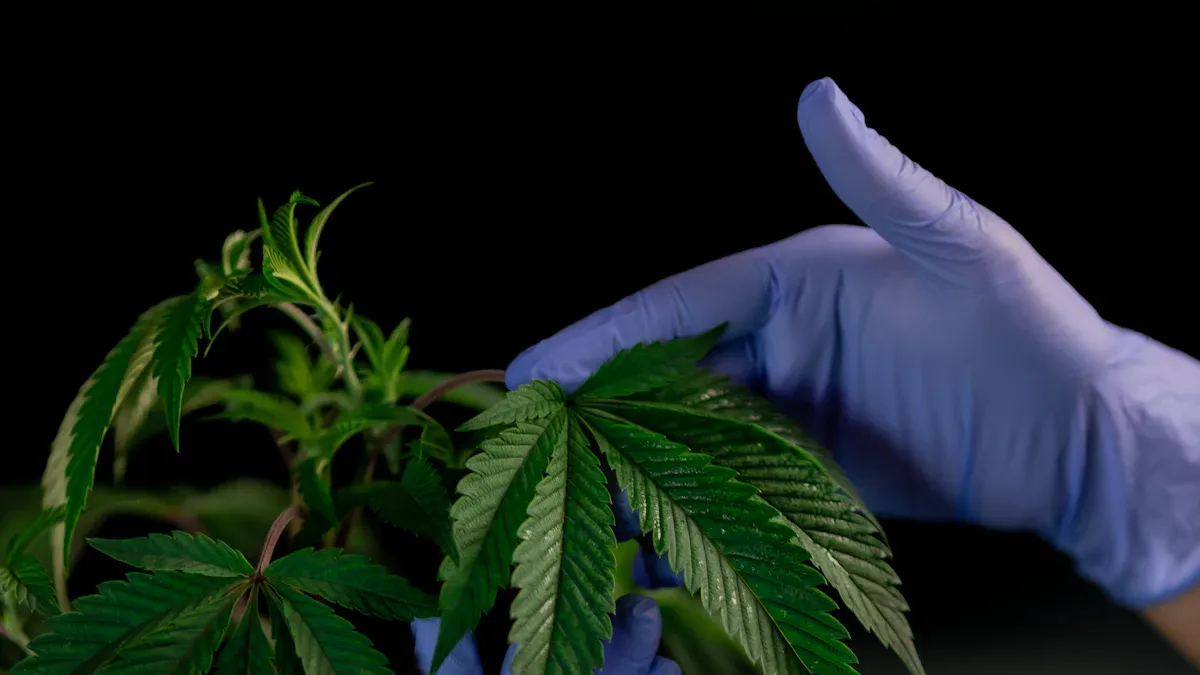
A cannabis extraction technician follows a clear and organized workflow each day. This workflow helps keep the lab safe and efficient. The technician starts by checking that all equipment meets safety standards and that the workspace is clean. They separate the lab into different zones for raw material storage, extraction, and post-processing. This setup prevents cross-contamination and keeps the processes smooth.
Tip: Many labs use automation software to help manage these steps. This reduces human error and increases productivity.
A cannabis extraction technician works with a team of experts in chemistry, engineering, and law. They make sure every batch of extracts meets strict quality standards. The technician also prepares for inspections from local authorities to keep the lab running smoothly.
Safety is the top priority for every extraction technician. The lab uses strict safety protocols to protect workers and the environment. Many incidents in cannabis labs come from chemical exposure, fire, or equipment failure. The technician must stay alert and follow all safety rules.
Note: Extraction technicians must update their training often. They learn new cannabis extraction procedures and safety rules as the industry changes.
A cannabis extraction technician helps create a safe workplace by following these protocols every day. They protect themselves, their coworkers, and the quality of the cannabis extracts. COFF supports labs by providing reliable extraction equipment that meets the highest safety standards.
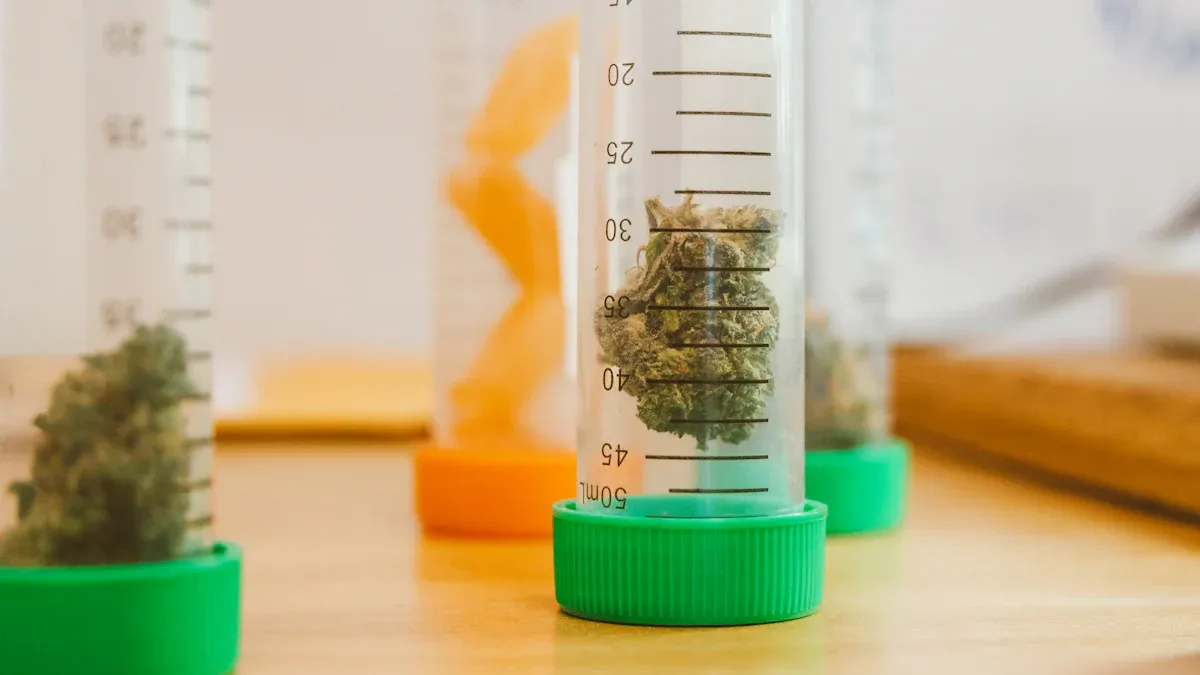
Extraction machines play a central role in the cannabis industry. In 2025, labs use several types of extraction machines to separate valuable compounds from cannabis plants. The most common types include CO2 extraction, solvent extraction, hydrocarbon extraction, mechanical separation, cold pressed extraction, and rosin pressed extraction. CO2 extraction leads the market because it produces high-purity oils with very little solvent left behind. This method allows technicians to adjust settings and create custom cannabinoid and terpene profiles. Many companies choose CO2 extraction for wellness and therapeutic products.
Solvent extraction and hydrocarbon extraction remain important for certain products. Mechanical separation and cold pressed extraction offer options for those who want solvent-free extracts. Labs also use ethanol extraction and steam distillation for specific needs. The choice of extraction machine depends on the product, safety needs, and local rules. Extraction machines must meet strict standards to ensure safety and product quality.
Tip: CO2 extraction is growing fast because it meets global quality and safety standards. Labs can use it to make products that pass tough regulations.
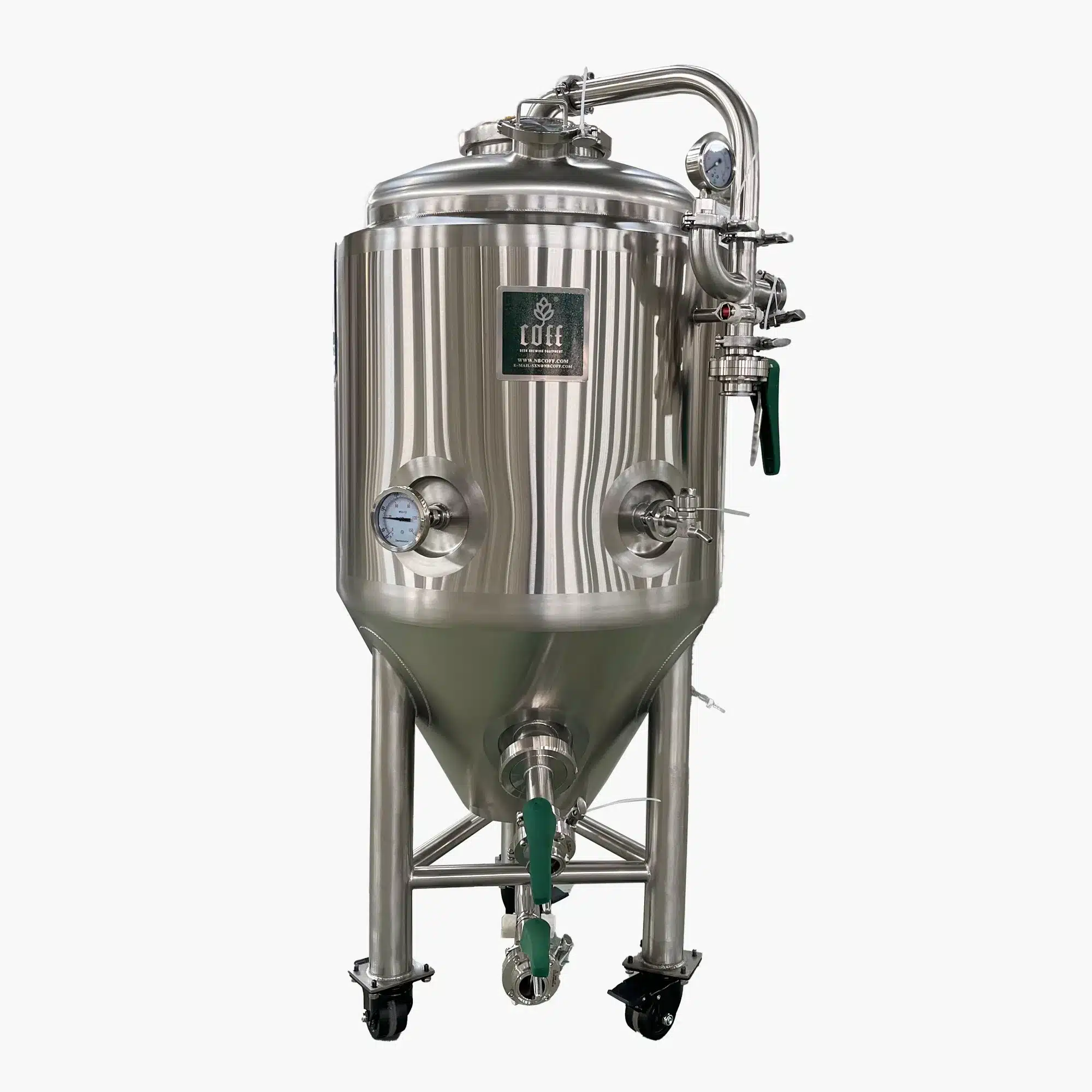
COFF stands out as a leader in extraction equipment. The company designs and builds high-quality extraction and brewing machines for the cannabis industry. COFF uses advanced stainless steel and precise engineering to make machines that last. Their extraction equipment meets the needs of both small labs and large factories.
COFF’s machines carry important certifications that show their commitment to safety and quality. These include ASME and AS1210, which are recognized in the US, Canada, and other major markets. The table below shows some key certifications for extraction equipment:
| Certification | Description | Region(s) |
|---|---|---|
| ASME | Pressure vessel safety and design standard | US |
| AS1210 | Pressure vessel safety and design standard | Australia |
| CE Marking | Health, safety, and environmental compliance | Europe |
| UL Certification | Equipment safety for hazardous and non-hazardous areas | US, Canada |
COFF’s global reputation comes from a focus on innovation, customer service, and reliable extraction results. Many labs trust COFF to help them meet strict extraction standards and deliver high-quality products to the market.
Extraction technicians need a strong set of technical skills to succeed in the cannabis industry. They must understand how to extract cannabinoids and terpenes from raw cannabis. This process creates concentrates for products like tinctures, vapes, and edibles. The growing demand for oils and edibles means that skilled technicians are more important than ever.
Key technical skills include:
Extraction technicians who master these skills can optimize equipment, prevent heat damage, and produce high-quality cannabis extracts. Many labs rely on COFF’s advanced extraction machines to support these technical needs.
Tip: Employers often look for technicians who can adapt to new technology and follow strict safety protocols.
Most extraction technician roles require at least a high school diploma, but many employers prefer candidates with additional cannabis extraction training. Specialized programs teach cannabis-specific knowledge and hands-on extraction methods.
Several respected programs offer cannabis extraction training and certification:
| Program/School | Focus Area | Delivery Method |
|---|---|---|
| University of Central Missouri | Extraction and Product Development | Online |
| Cannabis Training University (CTU) | Extraction methods, business, facility mgmt | Online |
The University of Central Missouri offers an online program in extraction and product development. Cannabis Training University provides a comprehensive extraction certification as part of its Master of Cannabis Program. This program covers multiple extraction methods and is widely recognized by employers in the US, Canada, and worldwide.
Note: Certification from a respected program helps extraction technicians stand out in the job market and shows a commitment to safety and quality.
Starting a career as a cannabis extraction technician requires a few important steps. Most employers look for candidates who are at least 21 years old and have a high school diploma or GED. Some states require a permit to work at a cannabis extraction facility. Many people begin with hands-on experience through internships or entry-level jobs at licensed cannabis labs. These positions help new technicians learn about lab safety and daily tasks.
Specialized training programs and workshops teach practical skills. Many programs focus on lab safety, extraction methods, and cannabis regulations. Some well-known certifications, like Oaksterdam University’s Cannabis Extraction and Manufacturing Certification, cover topics such as hydrocarbon, ethanol, and CO2 extraction. These programs also teach about solventless methods and manufacturing concepts.
Employers value skills like attention to detail, safety awareness, and problem-solving. A background in chemistry or lab science helps, but it is not required. Networking with professionals and staying updated on industry rules can improve job prospects.
Tip: Many successful technicians start with entry-level roles in extraction, packaging, or quality control before moving up.
Cannabis extraction technicians can grow their careers in several ways. With experience, they may become lead technicians or lab managers. Some move into quality control or research and development. Ongoing education and new certifications help technicians stay current with changing cannabis laws and technology.
Technicians who show leadership and technical skills often get promoted. Many labs, including those using COFF equipment, look for employees who can train others and manage lab operations. Some technicians choose to specialize in advanced extraction methods or product development.
COFF supports career growth by offering training on the latest extraction machines and safety standards. Technicians who learn to use advanced equipment often find more job opportunities and higher pay.
Quality control specialists play a vital role in cannabis extraction labs. They check every step of the process to make sure products meet strict standards. These specialists use several measures to keep the lab safe and the extracts pure.
Quality control teams also follow detailed procedures and keep careful records. The table below shows some common quality control measures in cannabis extraction labs:
| Quality Control Measure | Description |
|---|---|
| Facility and Equipment | Clean, well-maintained spaces and machines protect product quality. |
| Standard Operating Procedures | Clear instructions guide each step for consistency and traceability. |
| Raw Material Verification | Testing ensures only safe, high-quality cannabis enters the process. |
| Laboratory Testing | Checks for potency, purity, and contaminants like heavy metals or microbes. |
| Batch Records and Traceability | Tracks every batch from start to finish for accountability. |
| Packaging and Labeling Compliance | Accurate labels and safe packaging meet legal standards. |
COFF supports labs by providing equipment that meets global safety and quality standards, making it easier for teams to maintain high product quality.
Research and development (R&D) teams drive innovation in cannabis extraction. They test new methods and improve old ones to create better products. R&D specialists look for ways to boost yield, purity, and efficiency.
R&D teams explore different extraction techniques, such as rosin press, solvent-based, and distillation methods. Rosin press extraction uses heat and pressure to pull out cannabinoids and terpenes. Solvent-based extractions use closed-loop systems to get full-spectrum extracts. Distillation creates very pure cannabinoid products, sometimes reaching 99.9% purity.
Scientists in R&D also work to keep delicate terpenes safe during extraction. These compounds give cannabis its smell and effects. By adjusting pressure, temperature, and other settings, R&D teams find the best ways to preserve these qualities.
COFF partners with labs to offer advanced extraction technology. This support helps R&D teams test new ideas and bring high-quality products to market.
Automation shapes the future of extraction in the cannabis industry. Labs now use advanced robotics and computerized controls to improve efficiency and quality. Automated solvent handling systems measure and recover solvents with precision. Real-time temperature and pressure controls help technicians monitor extraction conditions from a distance. These systems keep the process safe and consistent.
Labs also use continuous data logging to track every step. This helps teams find problems quickly and keep each batch of cannabis extract the same. Robotic arms weigh and load cannabis biomass, reducing mistakes and making sure every batch starts the same way. Adaptive control algorithms adjust extraction settings based on the raw material, so product quality stays high.
Some of the latest automation technologies include:
Automation reduces human error and keeps workers safe from dangerous chemicals. It also lowers labor costs and helps labs scale up quickly. COFF supports these trends by offering extraction equipment with the latest automation features.
Automation in cannabis extraction means safer labs, better products, and more efficient operations.
Regulations in the cannabis industry change often. In 2025, new rules affect extraction labs in many states. For example, Montana passed laws about licensing, packaging, and synthetic cannabinoids. Labs must finish applications by set deadlines to keep their licenses. The upcoming Farm Bill may also change hemp extraction rules, especially for products like delta-8 THC.
States have different rules for extraction methods. Some states watch solvent-based extraction closely because of safety risks. Others prefer non-solvent methods like rosin pressing, which do not use chemicals. Labs must follow strict safety and quality testing rules. These include OSHA standards and fire codes.
| Regulatory Focus | Example Requirement |
|---|---|
| Licensing | Complete applications by deadline |
| Safety | Follow OSHA and fire safety codes |
| Extraction Methods | Solvent and non-solvent rules differ by state |
| Quality Control | Regular testing for purity and contaminants |
Regulations help protect consumers and keep the cannabis industry safe. COFF designs extraction equipment that meets global safety standards, making it easier for labs to stay compliant.
COFF helps cannabis extraction technicians build strong careers. The company offers a wide range of training options for both beginners and experienced workers. Many people start with classes like Cannabis 101 or Budtender 101. Others choose laboratory courses such as Formulary 101, Laboratory Assistant, Production Associate, or Extractions 101. These classes teach important skills for working in a lab.
COFF also provides advanced courses. These cover topics like making edibles, tinctures, vape cartridges, and running large-scale operations. The company supports career growth with job placement help, resume building, and communication training. COFF’s programs focus on safety, compliance, and hands-on learning.
COFF’s cannabis extraction training prepares technicians for real-world challenges. The company helps students earn certification and find jobs in the cannabis industry.
COFF’s support does not stop after training. The team offers ongoing education and answers questions about new equipment or rules. This support helps technicians stay up to date and confident in their work.
COFF leads the industry with advanced technology and smart design. The company builds extraction equipment that uses automation and the latest engineering. These machines help labs work faster and safer. Features like automated solvent recovery, real-time data tracking, and easy cleaning systems save time and reduce mistakes.
COFF’s equipment includes:
COFF invests in research and development to meet new trends. The company focuses on sustainability and automation. This approach helps labs lower costs, improve safety, and make high-quality products. Many labs choose COFF because the equipment is reliable, easy to use, and ready for the future.
A cannabis extraction technician in 2025 manages advanced extraction processes, ensures product quality, and follows strict safety protocols. The expanding cannabis market creates strong demand for skilled extraction professionals. Many enter the field from science or manufacturing backgrounds and advance through ongoing training. Choosing certified extraction equipment and trusted training programs, like those supported by COFF, helps technicians succeed. Top programs teach extraction methods, safety, and compliance. Aspiring technicians can explore online courses or reach out to COFF for guidance on starting a rewarding cannabis extraction career.
A cannabis extractor prepares equipment, runs extraction machines, checks product quality, and follows safety rules. They keep the lab clean and record all steps. Their work helps create safe and pure cannabis products.
Strong skills in science, attention to detail, and safe lab practices help technicians. They also need to learn how to use special machines and follow strict rules. Training and certification make a big difference.
Labs choose COFF because the machines are safe, reliable, and easy to use. COFF offers training and support for technicians. Many labs trust COFF to help them meet high standards for quality and safety.
A person can start by finishing high school and taking special training courses. Hands-on experience in a lab helps. Many people begin with entry-level jobs and move up as they learn more.