

COPYRIGHT © 2022 COFF International Co., ltd. ALL RIGHTS RESERVED


Cannabis extraction machine technology drives how companies create cannabis oils and concentrates. These machines control the extraction process, making it safer and more efficient. New methods like ultrasonic and microwave-assisted extraction help preserve quality and improve safety. The global cannabis extraction equipment market has grown quickly, showing the impact of better extraction equipment on the industry.
| Year | Market Size (USD) | CAGR |
|---|---|---|
| 2023 | 4.3 billion | 20.0% |
| 2030 | 15.5 billion |
Better extraction equipment leads to higher quality and more consistent cannabis products.
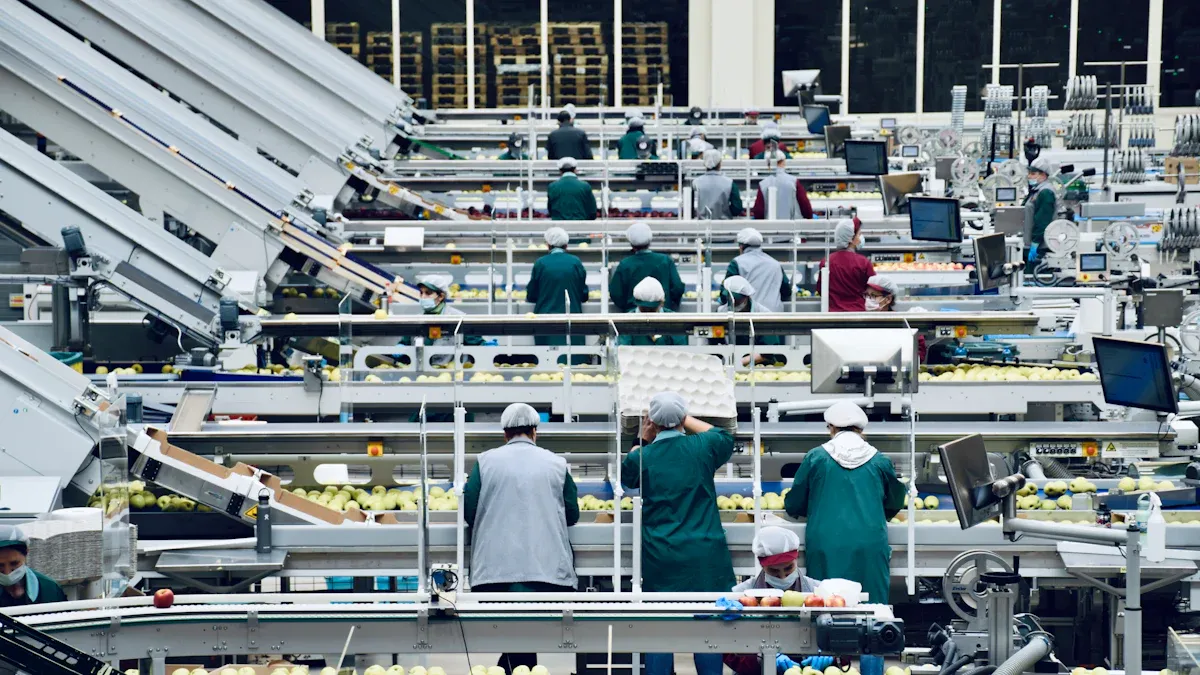
Modern cannabis extraction machine technology has transformed how producers create extracts. The choice of equipment shapes which cannabis extraction methods are possible and how each extraction process works. Machine innovation allows companies to use different methods of producing extracts, each with unique benefits for yield, purity, and product diversity.
Solvent-based extraction methods use chemical solvents to separate cannabinoids and terpenes from cannabis plant material. These methods include butane hash oil (BHO), ethanol, and supercritical CO2 extraction. Each method uses a specific cannabis extraction machine designed for safety, efficiency, and quality.
| Extraction Type | Methods Included | Characteristics and Benefits | Equipment / Machines Used |
|---|---|---|---|
| Solvent-Based Extraction | Ethanol, CO2, Hydrocarbons (e.g., Butane) | Uses solvents to extract cannabinoids; requires safety measures due to flammability. | Closed-loop systems, CO2 extraction machines |
Hydrocarbons like butane and propane are popular solvents because they extract cannabinoids and terpenes efficiently. These machines often use closed-loop systems to contain solvents and prevent leaks. Ethanol extraction is common for both small and large-scale operations. It can extract a wide range of compounds, including cannabinoids and terpenes, but may also pull unwanted plant materials. Supercritical CO2 extraction machines use pressurized carbon dioxide to extract cannabinoids. This method is non-flammable and leaves no solvent residue, making it a clean option.
| Solvent Type | Common Usage | Extraction Efficiency & Characteristics | Pros | Cons |
|---|---|---|---|---|
| Hydrocarbons (Butane, Propane) | Widely used in commercial extraction | High efficiency for cannabinoids and terpenes; low boiling points preserve heat-sensitive compounds | Highly efficient; excellent flavor and aroma retention; relatively low cost | Highly flammable; safety risks; strict regulations; possible residual solvents |
| Ethanol | Popular for small and large scale | Versatile; extracts wide range including polar and non-polar compounds; less selective; can co-extract chlorophyll | GRAS status; full-spectrum extraction; versatile temperature use | Extracts chlorophyll; higher boiling point affects heat-sensitive compounds; less selective |
| CO₂ (Supercritical/Subcritical) | Increasingly popular, especially for CBD | Highly selective; clean extracts; good purity; may be less efficient for some terpenes | Non-flammable; environmentally friendly; minimal residual solvent | High equipment cost; operational complexity; less efficient for some terpenes |
Safety is a top concern in solvent-based extraction. Modern cannabis extraction machines use explosion-proof designs, proper ventilation, and fire suppression systems. Operators wear protective gear, and closed-loop systems help recapture solvents, reducing waste and exposure. Many machines now meet UL and ASME certifications, which help prevent accidents and ensure safe operation.
Recent innovations in solvent-based extraction machines have improved consistency and scalability. Automated controls allow precise management of temperature, pressure, and solvent flow. These features help operators produce consistent extracts and scale up production. Machine learning is also being used to optimize the extraction process, reducing trial and error and improving efficiency.
Solventless extraction methods do not use chemical solvents. Instead, they rely on mechanical or physical processes to separate cannabinoids and terpenes from cannabis. These methods include ice water extraction, rosin pressing, and dry sieve extraction. Each method uses specialized equipment to maximize yield and preserve the natural profile of the plant.
| Solventless Extraction Method | Description | Equipment / Tools Used |
|---|---|---|
| Ice Water Extraction | Uses ice-cold water and agitation to separate trichomes; involves filtering through micron bags. | Buckets, paddles, Osprey machines, micron bags |
| Rosin Pressing | Applies heat and hydraulic pressure to squeeze resinous sap from plant material. | Heat-controlled hydraulic rosin presses |
| Dry Sieve Extraction | Dried cannabis is gently agitated over fine screens to separate trichomes. | Fine screens, agitation tools |
Popular solventless cannabis extraction machines include the Low Temp Industries Mini Osprey for ice water hash and the Triminator TRP Stack Rosin Press for rosin. These machines use precise controls for agitation, temperature, and pressure. This technology helps preserve terpenes and cannabinoids, resulting in pure extracts that reflect the original cannabis plant.
Solventless extraction methods usually produce lower yields than solvent-based extraction methods. However, they preserve more of the plant’s natural compounds and avoid the risk of residual solvents. Many consumers prefer solventless extracts for their purity and natural flavor. These methods are also safer because they do not use flammable or toxic chemicals.
Machine innovation has made solventless extraction more consistent and scalable. Automated rosin presses and programmable agitation systems help producers achieve higher yields and reduce labor costs. Standardized recipes and automation ensure that each batch of extract meets quality standards. Companies can now scale up production to meet growing demand while maintaining product quality.
Note: Both solvent-based and solventless extraction methods play important roles in the cannabis industry. The choice of method depends on the desired extract, production scale, and safety requirements.
Closed-loop hydrocarbon extraction machines play a key role in cannabis processing. These machines keep volatile solvents sealed inside, which reduces the risk of leaks, spills, or explosions. Operators use these systems in explosion-proof labs called C1D1 rooms. These labs have gas detectors, fire suppression systems, and proper ventilation. The machines also use temperature control units to keep the process below -40°C. This helps create cleaner cannabis extracts and lowers hazards. Recovery pumps, such as oil-free gas compressors, safely recover solvents and reduce environmental risks. Staff follow strict safety protocols, including wearing personal protective equipment and regular equipment checks. These steps help prevent accidents and keep cannabis extraction safe and efficient.
Hydrocarbon extraction systems help producers make high-quality extracts from cannabis. These machines control temperature, pressure, and solvent flow with precision. Automated equipment reduces human error and keeps each batch consistent. Operators use advanced filtration and separation to remove unwanted plant materials, fats, and waxes. Purging with heat and vacuum removes any leftover solvents, ensuring safety and purity. Quality control procedures and standardized testing check for potency and purity in every batch. Data logging and process monitoring give real-time feedback, helping staff maintain quality and troubleshoot issues. These systems also preserve terpene profiles, which gives cannabis extracts better flavor and aroma.
Tip: Consistent control of extraction conditions leads to high-quality cannabis extracts with reliable potency.
COFF hydrocarbon extraction machines stand out in the cannabis industry. They produce high-quality extracts with rich terpene profiles, which enhance both flavor and quality. COFF machines efficiently create premium cannabis concentrates such as shatter and wax. Their compact design fits well in smaller operations, while customizable features and scalability support different production needs. COFF ensures all machines meet strict safety standards, providing reliable and safe operation. Durable construction and excellent customer support add further value. These features help producers deliver high-quality cannabis extracts that meet market demands for purity and consistency.
Supercritical CO2 extraction has changed how producers approach cannabis oil extraction methods. This technology uses carbon dioxide under high pressure and temperature to act as a solvent. It pulls out cannabinoids and terpenes from cannabis without leaving harmful residues. Many operators choose this method because it produces a clean, pure extract with fewer impurities than hydrocarbon or solventless methods. CO2 is non-toxic, non-flammable, and safe for the environment. The process allows precise control over temperature and pressure, so operators can target specific compounds in cannabis. This means they can create extracted cannabis oil with high THC content and minimal plant matter. The closed-loop system recycles CO2, making the process sustainable and cost-effective. Supercritical CO2 extraction supports high throughput and scalability, which helps companies meet growing demand for cannabis products.
Tip: Supercritical CO2 extraction methods help preserve heat-sensitive terpenes, giving extracted cannabis oil better flavor and aroma.
COFF supercritical CO2 extractors stand out in the field of cannabis oil extraction methods. These machines feature a fully integrated, factory-tested system that ensures reliable performance. They operate at high working pressures, from 30Mpa to 50Mpa, which helps achieve fast and complete extraction. Digital controls and PID temperature systems give operators precise command over the process. COFF extractors use closed-loop CO2 circulation to minimize waste and protect the environment. The machines include high-pressure and co-solvent pumps, making them suitable for heat-sensitive cannabis materials. Safety features like pressure protection valves and electro-connected gauges keep operations secure. Stainless steel construction adds durability and maintains extract quality. COFF offers multiple sizes, from 1L to 200L, so producers can choose the right model for their needs.
| Feature | COFF Supercritical CO2 Extractors |
|---|---|
| System Integration | Fully integrated, factory-tested |
| Working Pressure | 30Mpa to 50Mpa |
| Control Systems | Digital, with PID temperature control |
| CO2 Circulation | Closed-loop, self-circulating |
| Pumps | High-pressure and co-solvent included |
| Safety Features | Pressure valves, electro-connected gauges |
| Construction | Stainless steel |
| Model Sizes | 1L to 200L, single or multiple setups |
Supercritical CO2 cannabis oil extraction methods allow producers to create a wide range of cannabis products. Operators can fine-tune temperature and pressure to extract specific cannabinoids and terpenes. This flexibility leads to extracted cannabis oil for full-spectrum tinctures, terpene-rich aromatherapy oils, and live resin concentrates. Producers also make topicals, edible ingredients, and skincare products using this method. The ability to combine supercritical and subcritical CO2 extraction expands the types of cannabis extracts available. Companies can offer both high-potency concentrates and flavorful, full-spectrum products. This versatility supports the growing demand for diverse cannabis products and helps maintain high quality in every extracted cannabis oil.
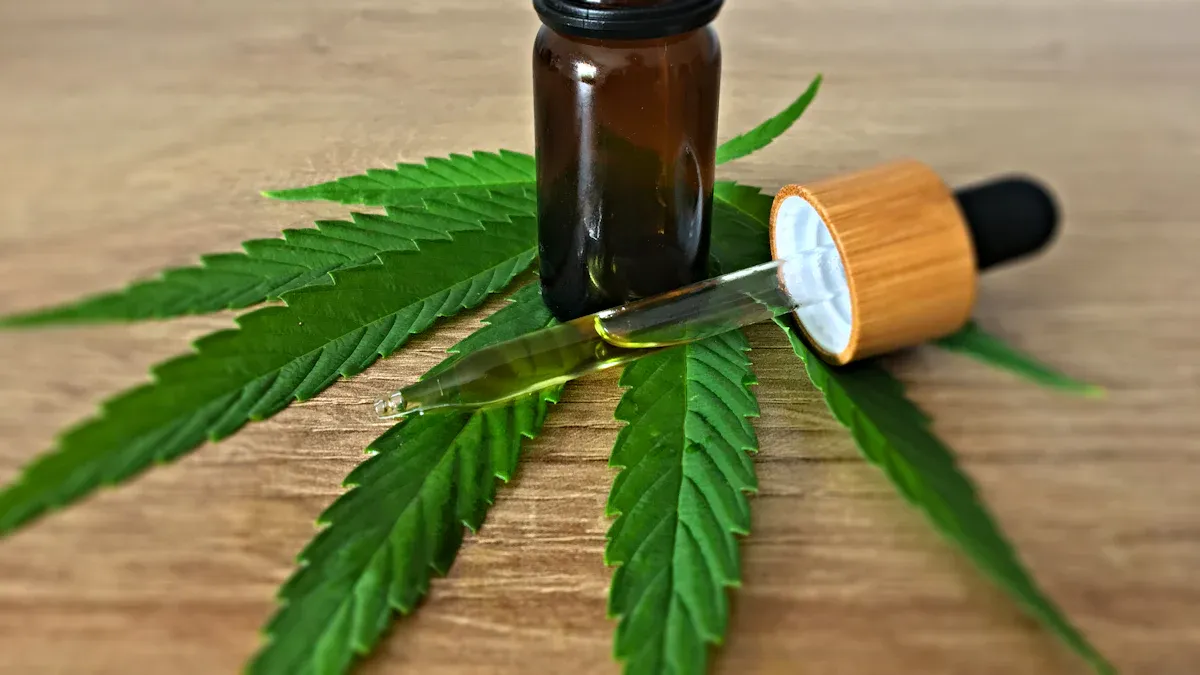
Rosin presses have become a popular choice for producing cannabis concentrates. These machines use heat and pressure to extract oils from cannabis flower, hash, or kief. The process does not require solvents, which helps preserve the plant’s original flavor and chemical profile. Industry experts note that rising consumer demand for terpene-rich, high-quality solventless products has made these methods commercially viable. Manufacturers now develop larger-scale rosin presses, allowing producers to compete with solvent-based methods. The accessibility of rosin presses, from simple home tools to advanced industrial models, supports the growing popularity of solventless extraction methods. Social media trends show increased interest in rosin concentrates, especially in regions where recreational cannabis is legal.
Ice water hash stands out as a natural method for making cannabis concentrates. Producers use fresh frozen cannabis and agitate it in ice-cold water to separate trichomes. Mechanical equipment, such as rotating paddles or specialized machines, improves efficiency and consistency. The final product is a clean concentrate of trichome heads, often freeze-dried into bubble hash. This method avoids harsh chemicals, resulting in a purer and safer product. However, the process can be time-consuming and may require large amounts of plant material for small yields. Mechanical equipment needs investment and operational knowledge but increases throughput. Compared to solvent-based methods, ice water extraction is more natural and safe, though less scalable.
COFF solventless extraction machines offer unique features for cannabis producers. Precision engineering and user-friendly designs make them accessible for small-scale and artisanal operations. Advanced filtration technology produces clean, high-quality cannabis concentrates while preserving natural integrity. Modular designs allow businesses to scale up as needed, which is less common in traditional solventless extraction methods. Automation technology simplifies workflows and enhances scalability, reducing labor intensity. COFF machines include rosin presses, ice water extractors, and dry sifting tools tailored for organic, solvent-free cannabis concentrate production. Safety features, such as explosion-proof components and rigorous testing, ensure compliance with industry standards. Automated cleaning systems reduce downtime and maintain consistent performance, supporting the demand for natural, chemical-free concentrates.
Cannabis extraction machine technology has changed how producers scale their operations. Automation and digital controls allow companies to increase production without losing quality. Many small startups have grown into large producers by using advanced equipment like programmable presses and smart agitators. These machines help achieve higher yields and reduce labor costs. Automation also shortens production time and ensures each batch meets the same standards.
These improvements make it easier for producers to meet the rising demand for cannabis concentrates and extracted cannabis oil.
Safety and compliance are top priorities in cannabis extraction. Extraction methods often use volatile solvents, so machines must meet strict safety rules. Producers follow OSHA standards, use fire suppression systems, and train workers to handle emergencies. Extraction equipment includes solvent recovery systems to protect the environment and lower costs.
These steps help companies stay ahead of changing regulations and keep workers and consumers safe.
New cannabis extraction methods and machines have led to a wider range of products. Non-solvent methods like rosin pressing and ice water hash are popular for making pure, natural concentrates. Supercritical CO2 extraction remains a top choice for high-quality, solvent-free extracted cannabis oil.
The industry now offers oils, tinctures, edibles, topicals, and cosmetics, meeting many consumer needs and preferences.
Cannabis extraction machine technology continues to advance, shaping how producers create a wide range of products. Recent innovations include automation, energy-efficient systems, and eco-friendly methods. These improvements help producers make high-quality products with better purity and safety. Modern equipment also allows for more product variety and consistent results. As technology evolves, both producers and consumers will see more choices and higher standards in cannabis products.
Solvent-based extraction uses chemicals like CO2 or ethanol to pull out cannabinoids. Solventless extraction uses heat, pressure, or water. Solventless methods do not use chemicals. Both methods create cannabis concentrates, but they use different machines and processes.
Closed-loop systems keep solvents contained during extraction. This design improves safety and reduces the risk of leaks or explosions. Producers also recycle solvents, which saves money and helps protect the environment.
Automation controls temperature, pressure, and timing. Machines with automation produce consistent results. Producers can make more products in less time. Automation also helps reduce mistakes and improve safety.
Modern machines use explosion-proof parts, pressure relief valves, and automatic shut-off systems. Many machines have sensors that monitor for leaks or high pressure. These features help keep workers and products safe.
Yes. Extraction machines can create oils, waxes, tinctures, and concentrates. By changing settings or using different methods, producers can make products with different flavors, strengths, and uses.