

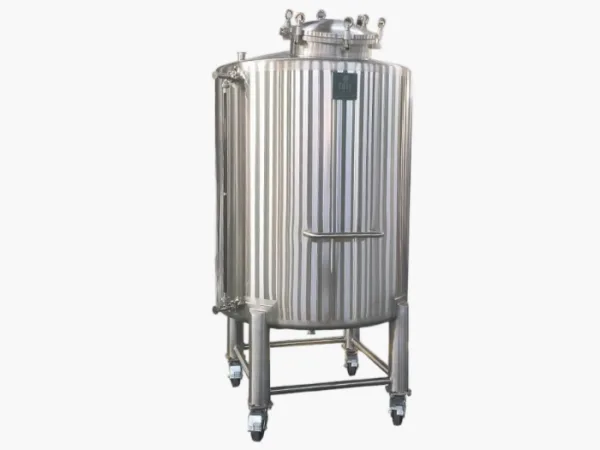

COPYRIGHT © 2022 COFF International Co., ltd. ALL RIGHTS RESERVED


Innovations in cannabis extraction machine design drive major changes in how companies extract valuable compounds from cannabis. Advanced equipment now delivers higher yields, greater safety, and consistent product quality. Industry leaders, including COFF, focus on precision engineering and strict standards to support both large-scale and craft producers.
The table below shows how new cannabis extraction methods and equipment impact efficiency, safety, and quality:
| Evidence Category | Details |
|---|---|
| Extraction Methods | Supercritical CO2, ethanol, hydrocarbon—each offers improved safety and product purity |
| Product Quality Impact | Advanced filtration enables pharmaceutical-grade cannabis extract |
| Safety Enhancements | Closed-loop systems and solvent recovery reduce operational risks |
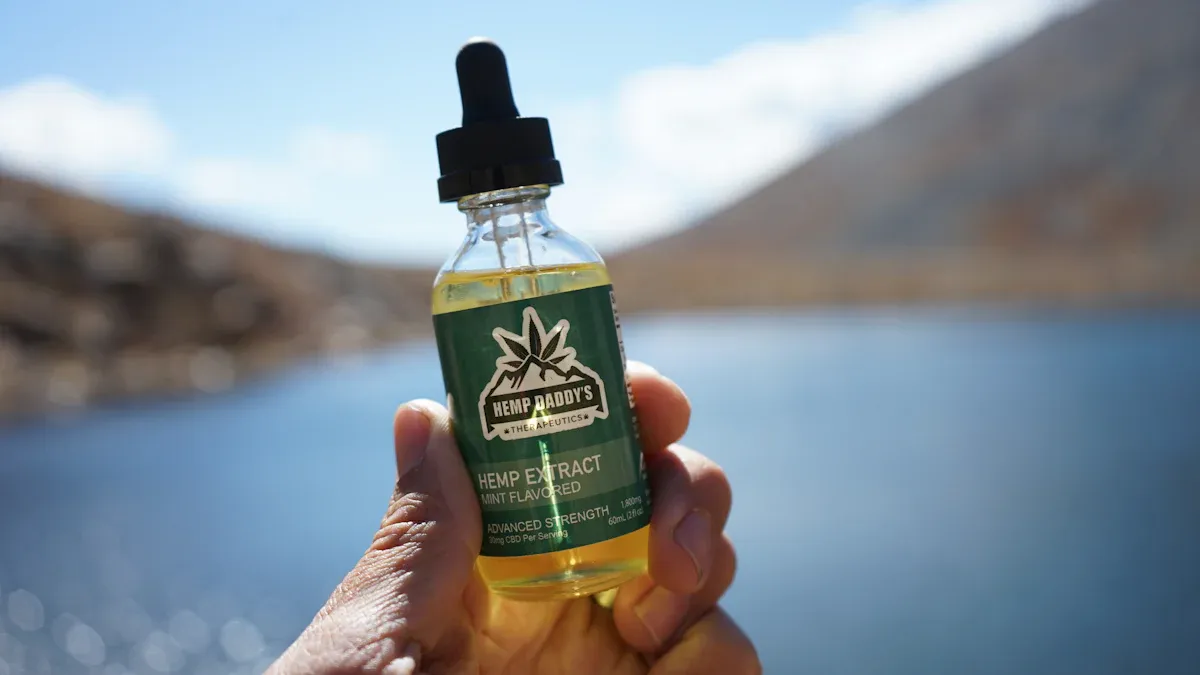
Modern cannabis extraction machines have transformed the extraction process by making it faster, more precise, and more reliable. Companies now use advanced equipment to tailor the extraction process to the specific needs of different cannabis products. For example, CO2 extraction machines allow operators to adjust pressure and temperature, which helps preserve important compounds like cannabinoids and terpenes. These compounds give cannabis its unique effects and flavors.
Recent technological innovations include:
Experts note that these innovations help operators get higher yields and better quality from each batch of cannabis. Automation and real-time monitoring allow for quick adjustments during the extraction process, which leads to consistent results. Modern extraction equipment, such as that produced by COFF, includes features like closed-loop systems and advanced filtration. These features help maintain the purity and potency of cannabis extracts.
A data-driven approach helps operators measure both yield and extraction efficiency. Yield shows how much extract comes from the starting material, but extraction efficiency measures how well the process preserves valuable compounds. By tracking these numbers, companies can improve their products and reduce waste.
Tip: Choosing the right extraction equipment and keeping it clean ensures high-quality extracts and longer machine life.
Safety remains a top priority in cannabis extraction. New cannabis extraction machine designs include many features to protect workers and facilities. These improvements help prevent accidents and ensure safe operation during every step of the extraction process.
Key safety features include:
Facilities also focus on safety through:
COFF designs cannabis extraction machines with these safety features in mind. Their equipment meets strict standards and includes advanced systems to protect both people and products. By combining strong safety measures with efficient extraction process technology, COFF helps companies produce high-quality cannabis extracts while keeping workers safe.
Solvent-based cannabis extraction methods use chemicals to separate valuable compounds from the plant. These techniques include hydrocarbon extraction, ethanol extraction, and CO2 extraction. Each method offers unique benefits and challenges for producing cannabis concentrates.
| Extraction Method | Category | Description & Key Points |
|---|---|---|
| Hydrocarbon Extraction | Solvent-based | Uses butane or propane to dissolve cannabinoids and terpenes. Delivers high efficiency and potent concentrates. Safety measures are important due to flammability. |
| Ethanol Extraction | Solvent-based | Soaks cannabis in ethanol to extract cannabinoids, terpenes, and chlorophyll. This process is cost-effective and scalable but may require extra purification. |
| CO2 Extraction | Solvent-based | Uses supercritical or subcritical CO2 as a solvent. Produces clean, precise extracts with no residual solvents. Needs advanced equipment. |
Solvent-based extraction methods can achieve high yields and strong potency. Hydrocarbon extraction preserves the full spectrum of cannabinoids and terpenes, making it popular for flavorful concentrates. Ethanol extraction works well for large-scale cannabis processing techniques. CO2 extraction stands out for its clean results and ability to target specific compounds.
| Extraction Type | Advantages | Disadvantages | Safety Considerations |
|---|---|---|---|
| Hydrocarbon | High extraction efficiency; preserves full spectrum of cannabinoids and terpenes; versatile | Highly flammable; risk of residual solvents; costly equipment and operation | Requires strict ventilation, fire safety measures, equipment maintenance, and trained personnel |
| Ethanol | Safer solvent than hydrocarbons; versatile; readily available and affordable | Extracts chlorophyll affecting taste; requires additional purification; less efficient yields | Needs adequate ventilation, fire safety measures, careful handling, and PPE use |
Solvent-based extraction methods require careful safety controls. Operators must use proper ventilation and fire safety systems. These extraction techniques also face strict regulations to protect workers and consumers.
Solventless cannabis extraction methods do not use chemicals. Instead, they rely on physical actions like heat, pressure, or agitation to separate cannabinoids and terpenes from the plant. These methods create natural cannabis concentrates with no solvent residue.
| Extraction Method | Process Description | THC Potency | Advantages | Limitations |
|---|---|---|---|---|
| Dry Sieve (Kief) | Physical agitation of dried cannabis against mesh to separate trichomes | 35-50% THC | Simple, produces powder-like concentrate | Labor-intensive, difficult to scale, lower yields |
| Water Extraction (Bubble Hash) | Cannabis immersed in ice water, agitated to separate trichomes, filtered and dried | Up to 60% THC (full-melt grades) | Chemical-free, natural, good terpene retention | Labor-intensive, equipment needed, lower yields, mold risk |
| Rosin Press Extraction | Heat and pressure applied to cannabis or kief to squeeze out oils | Around 60% THC | Preserves flavorful terpenes better than water hash, no solvent residues, simpler equipment | Lower yields than solvent-based, time-consuming, quality depends on starting material |
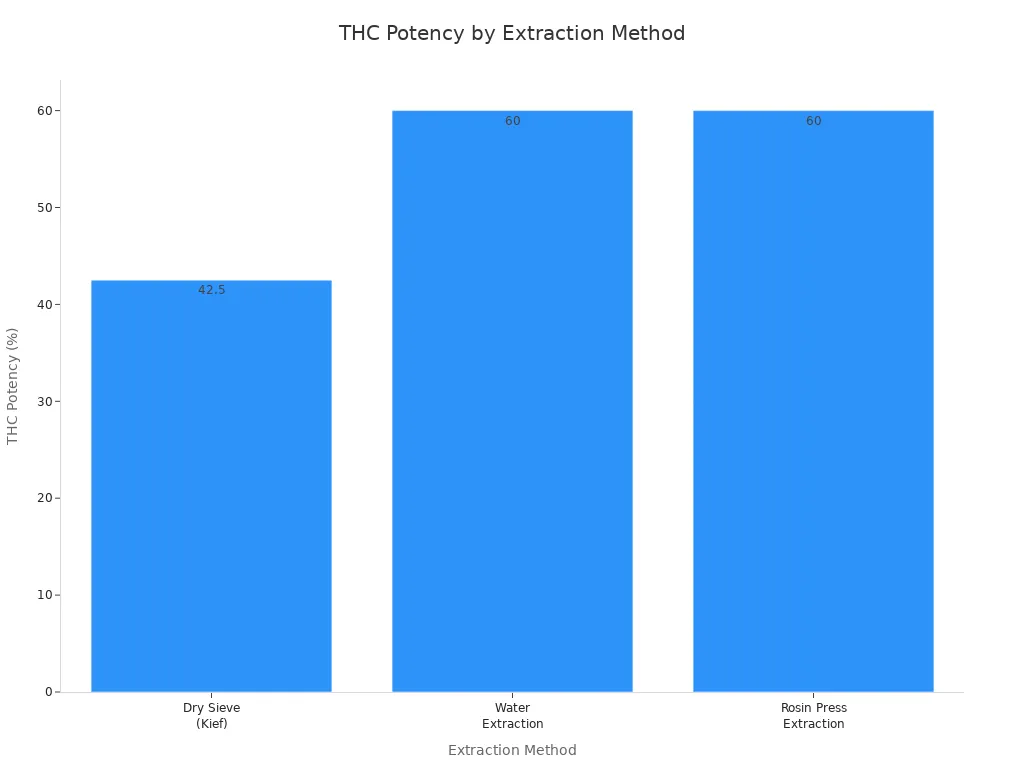
Solventless extraction techniques like rosin pressing and ice water hash produce pure, flavorful concentrates. These methods avoid chemical solvents, making them appealing to consumers who want natural products. However, the extraction process often takes more time and effort. Yields are usually lower than with solvent-based extraction, but the quality of the extract can be very high.
Note: Solventless cannabis extraction methods preserve more terpenes, which gives concentrates better flavor and aroma.
Supercritical CO2 extraction stands out as a leading method in the cannabis industry. This extraction process uses carbon dioxide at high pressure and temperature, turning it into a supercritical fluid. Operators can adjust these settings to target specific compounds in cannabis, such as cannabinoids and terpenes. This control helps produce a pure extract with high yield.
Recent advances in co2 extraction machines include modular designs, faster production rates, and lower operational costs. Companies like COFF focus on equipment that offers scalability and adaptability for different extraction process needs. The “PARALLEL PRO” system, for example, allows users to increase capacity by resizing components, making it cost-effective for growing businesses.
Supercritical co2 extraction provides several advantages:
Note: Supercritical co2 extraction is preferred for pharmaceutical-grade cannabis extracts because it produces clean, safe products.
A table below compares supercritical co2 extraction with other methods:
| Method | Purity | Yield | Residual Solvents | Compound Preservation |
|---|---|---|---|---|
| Supercritical CO2 | Very High | High | None | Excellent |
| Solvent Extraction | Moderate | Moderate | Possible | Fair |
| Steam Distillation | Moderate | Low | None | Poor |
Subcritical co2 extraction uses lower pressure and temperature than the supercritical process. This method is gentler on cannabis material and preserves delicate compounds like terpenes and flavonoids. The extraction process produces aromatic and flavorful extracts, making it ideal for products where taste and aroma matter.
Key benefits of subcritical co2 extraction include:
However, subcritical co2 extraction has some limitations:
| Benefits (Pros) | Limitations (Cons) |
|---|---|
| Preserves terpenes and flavonoids | Lower cannabinoid yields |
| Produces aromatic, flavorful extracts | Longer extraction times |
| Gentler and safer process | Less efficient for high-volume production |
| Equipment is less complex and cost-effective | Extracts a narrower range of compounds |
COFF’s co2 extraction machines support both supercritical and subcritical extraction process options. Their equipment helps producers choose the best method for their cannabis products, balancing purity, yield, and efficiency.
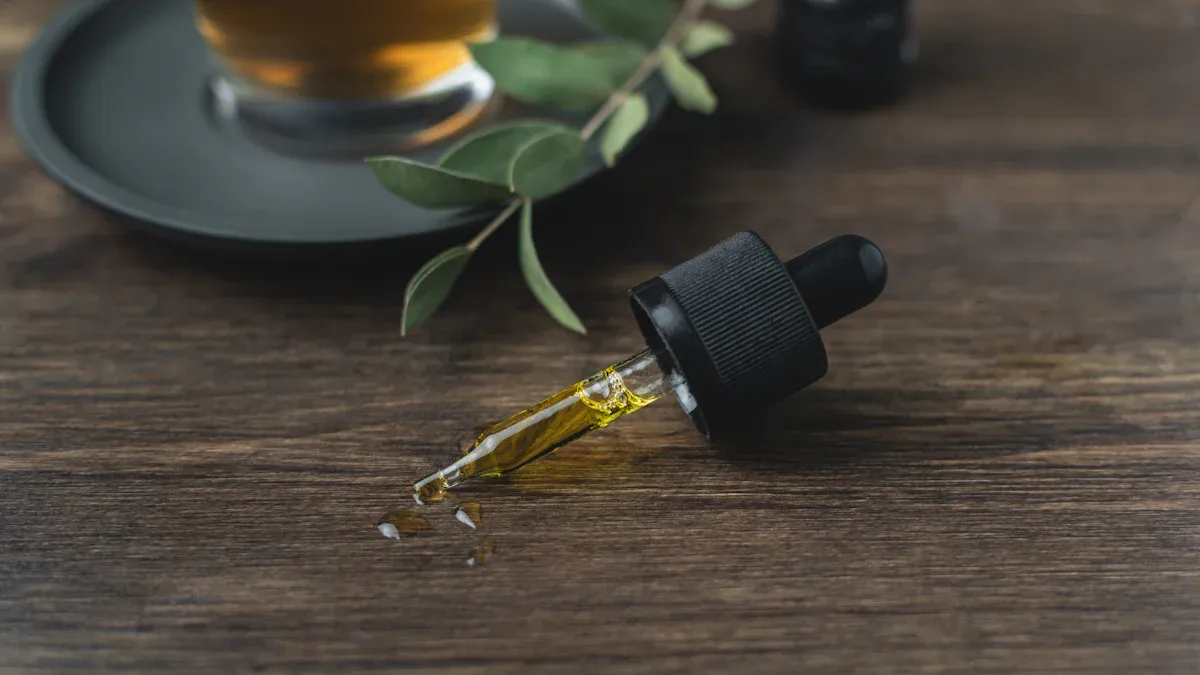
Ethanol extraction stands out as one of the most popular cannabis oil extraction methods. Recent years have seen major improvements in how companies use ethanol extraction to process cannabis. Cold ethanol extraction has become common. This method chills ethanol to about -40°C before use. Cold ethanol helps reduce the extraction of unwanted compounds like chlorophyll and waxes. This leads to better flavor and higher product quality.
Vacuum-assisted ethanol extraction uses vacuum pressure to lower ethanol’s boiling point. This protects delicate terpenes and increases extraction efficiency. Many producers now use continuous-feed centrifuge technology. This equipment allows for automated, scalable extraction. It separates liquids and solids at the same time, which removes the need for extra filtration steps.
Membrane filtration technology has also improved cannabis oil extraction methods. After evaporation, this technology separates the solvent from the extract. It supports continuous processing and helps automate the workflow. These process improvements have led to higher purity, better yields, and more cost-effective operations.
Note: Ethanol extraction remains a top choice for cannabis oil extraction methods because it is affordable, efficient, and easy to scale.
Modern ethanol extraction equipment includes features that boost safety, efficiency, and product quality. Many machines now have automated temperature controls. These controls keep the ethanol cold, which helps maintain extract purity. Some systems use vacuum pumps to protect sensitive compounds during the process.
Continuous-feed centrifuges allow for nonstop cannabis oil extraction methods. This equipment reduces labor and speeds up production. Membrane filtration units help separate the extract from the solvent, making the process cleaner and more efficient.
COFF designs ethanol extraction equipment with these advanced features. Their machines support both small and large-scale cannabis operations. COFF’s focus on quality and innovation helps producers achieve high yields and pure extracts.
| Equipment Feature | Benefit |
|---|---|
| Automated temperature control | Maintains extract purity |
| Vacuum-assisted operation | Preserves terpenes and cannabinoids |
| Continuous-feed centrifuge | Increases throughput and efficiency |
| Membrane filtration | Improves separation and product quality |
Hydrocarbon extraction stands as a leading method for producing high-quality cannabis concentrates. Most producers use butane, propane, or a blend of both in their equipment. These solvents help extract cannabinoids and terpenes from cannabis, creating products like shatter, wax, and diamonds. The industry often refers to this process as bho extraction, which stands for butane hash oil extraction.
The table below compares propane and butane hydrocarbon extraction machines:
| Feature/Aspect | Propane Extraction Machines | Butane Extraction Machines |
|---|---|---|
| Boiling Point | Very low (-42°C), high vapor pressure | Higher (-1°C), lower vapor pressure |
| Vapor Pressure | High, needs careful monitoring | Lower, easier to control |
| Evaporation Rate | Faster, enables quick extraction | Slower, allows better solvent saturation |
| Cooling/Condensing Needs | Complex, costly cooling systems | Less energy needed to condense |
| Extraction Quality | More selective, higher quality with moderate biomass | More soluble, extracts more cannabinoids and terpenes |
| Operating Pressure | Higher, needs complex safety measures | Lower, easier and safer to manage |
| Industry Practice | Often blended with butane (e.g., 70/30) | Widely used, sometimes pure for thorough extraction |
Propane works well for fast hydrocarbon extraction, especially in large-scale cannabis operations. Butane offers a more complete extract, pulling a wider range of cannabinoids and terpenes. Many producers use a 70/30 butane-propane blend to balance speed and quality. Some prefer pure butane for bho extraction when aiming for maximum thoroughness.
Hydrocarbon extraction, especially bho extraction, involves flammable gases. Safety systems in modern equipment protect workers and facilities during every step of the process. COFF designs hydrocarbon extraction equipment with advanced safety features to meet strict industry standards.
Key safety systems include:
Tip: Always follow SOPs and use certified equipment for safe hydrocarbon extraction.
COFF’s hydrocarbon extraction machines support safe and efficient bho extraction. Their equipment helps cannabis producers achieve high yields while maintaining strict safety standards.
Rosin pressing stands out as one of the most popular solventless extraction methods. This process uses heat and pressure to squeeze the extract from cannabis flower or hash. Operators place the material between parchment paper and press it with a heated plate. The extract flows out as a sticky, golden oil. Many people choose rosin pressing because it does not use chemicals. This keeps the concentrates pure and safe.
COFF designs advanced rosin presses for both small and large producers. Their machines offer precise temperature and pressure controls. This helps users get the best yield and quality from their cannabis. Rosin pressing works well for making dabs, vape oils, and other concentrates. Many experts say this method preserves the natural flavor and aroma of the plant.
Tip: Always use fresh, high-quality cannabis for rosin pressing. This improves both yield and taste.
Ice water extraction is another leading solventless extraction method. This process uses ice, water, and gentle stirring to separate trichomes from cannabis. The cold water makes the trichomes brittle. They break off and sink to the bottom. Workers then filter and dry the extract to make bubble hash.
Solventless extraction methods like ice water extraction do not leave any chemical residue. This makes the concentrates clean and natural. Many people enjoy bubble hash for its strong effects and rich terpene profile. COFF offers equipment that supports efficient ice water extraction. Their machines help producers scale up while keeping quality high.
| Method | Main Tool Used | Product Name | Key Benefit |
|---|---|---|---|
| Rosin pressing | Heated press | Rosin | Pure, flavorful oil |
| Ice water extraction | Ice, water, bags | Bubble hash | Clean, natural extract |
Solventless extraction methods give producers a way to make top-quality cannabis concentrates without chemicals. COFF continues to innovate in this area, helping the industry grow with safe and effective equipment.
After extracting cannabis oil, producers use several important steps to improve the quality of their products. These steps help remove unwanted substances and make the extracted cannabis oil safe and pure for use in cannabis concentrates and other products. The main post-extraction processing steps include:
COFF designs extraction equipment that supports each of these steps, helping producers create high-quality cannabis concentrates and products.
Modern extraction equipment, including systems from COFF, helps producers achieve high purity and strong yields in extracted cannabis oil. Closed-loop hydrocarbon systems, supercritical CO2 extraction, and ethanol-based methods all play a role in improving the quality of cannabis products. Closed-loop systems recover over 95% of solvents, making the process safer and more cost-effective. Color Remediation Column (CRC) technology removes impurities, resulting in cleaner and more visually appealing concentrates.
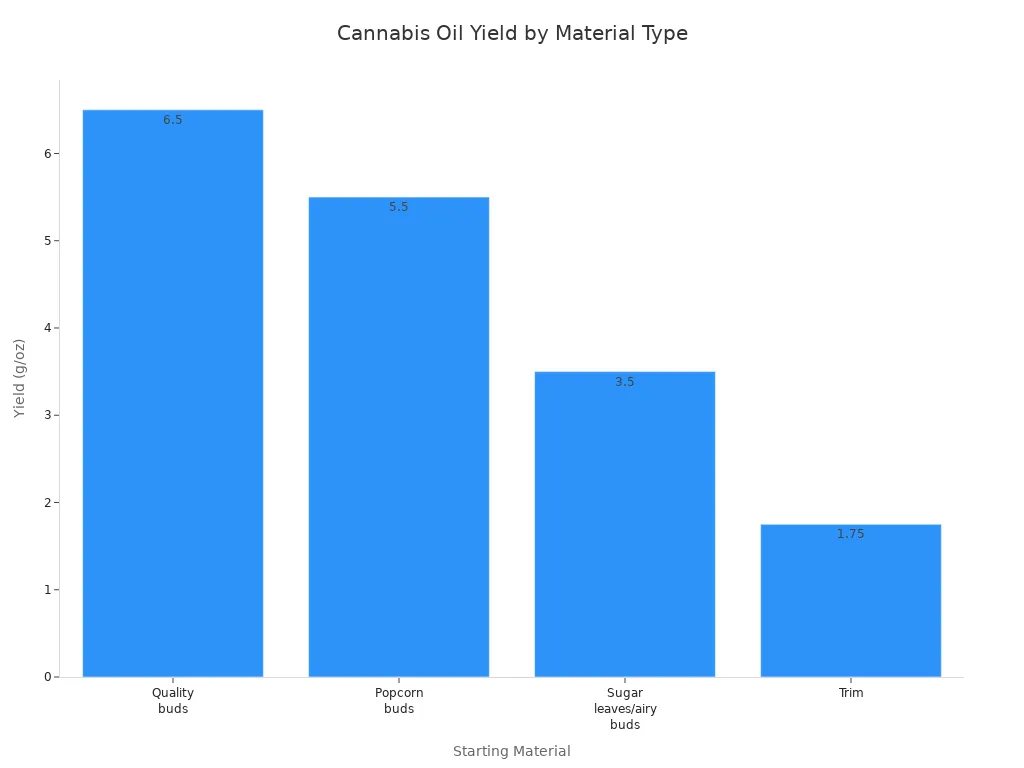
Automation and smart controls in extraction equipment help maintain consistent temperature and pressure. This leads to better repeatability and higher quality in extracted cannabis oil. Producers can achieve yields between 10-30%, depending on the starting material. High-quality buds produce more extract, while trim yields less.
| Starting Material | Yield (grams/oz) | Extraction Efficiency (%) |
|---|---|---|
| Quality Buds | 6-7 | 10-30 |
| Popcorn Buds | <6 | ~10-20 |
| Sugar Leaves/Airy Buds | 3-4 | ~10 |
| Trim | 1.5-2 | ~5 |
COFF’s advanced extraction equipment helps producers meet the growing demand for high-quality, contaminant-free extracted cannabis oil in medical and premium markets.
Selecting the right cannabis extraction machine involves several important steps. Operators must look at both safety and performance when choosing equipment. Here are some key points to consider:
Tip: Early planning and understanding of regulations can make the setup process smoother and safer.
COFF stands out as a leader in cannabis extraction equipment. The company uses high-end stainless steel and advanced engineering to build reliable machines. COFF’s team has over 15 years of experience designing custom systems for the cannabis industry. Their equipment holds important safety and quality certifications, such as ASME, AS1210, and UL. These certifications show that COFF meets strict industry standards.
COFF’s machines include features like automated shutdown systems and strong ventilation. These features help keep workers safe. The equipment also has user-friendly controls and modular parts, making cleaning and upgrades easy. COFF offers fast customer support and training, which helps operators reduce downtime.
Many customers trust COFF because of its focus on quality, safety, and innovation. The company’s commitment to customer service and technical support helps producers run smooth and efficient operations. COFF’s reputation for excellence makes it a top choice for anyone looking to invest in cannabis extraction equipment.
Automation shapes the future of cannabis extraction. Many companies now use automated systems to control temperature, pressure, and solvent ratios. These systems help operators follow strict safety rules and keep product quality high. Robotic arms can move raw materials and finished extracts, reducing the need for manual labor. Real-time monitoring tools track every step, making it easier to spot problems early.
Automated cannabis extraction techniques offer several benefits:
COFF leads the way by offering machines with advanced automation features. Their equipment supports real-time data logging and adaptive controls. These features help producers meet strict regulations and keep up with market demand.
Tip: Automated extraction techniques help companies save money by reducing waste and labor costs.
Sustainability has become a top priority in cannabis extraction technology. Many producers now choose green extraction methods, such as supercritical CO2, to avoid harmful solvents. These methods protect both workers and the environment. Energy-efficient machines use less power and often run on renewable sources like solar or wind.
Companies also focus on reducing waste. They recycle solvents and use closed-loop systems to save water. Some even turn leftover plant material into compost or animal feed. Sustainable sourcing and organic farming support biodiversity and reduce the use of chemicals.
A table below shows common sustainable practices in cannabis extraction:
| Sustainable Practice | Benefit |
|---|---|
| Green extraction methods | Lower environmental impact |
| Energy-efficient equipment | Reduced power consumption |
| Solvent and water recycling | Less waste, lower costs |
| Organic sourcing | Healthier products, biodiversity |
COFF invests in research to improve sustainable extraction techniques. Their machines support water recycling and energy-saving features. By working with industry partners, COFF helps set new standards for eco-friendly cannabis extraction.
Many cannabis producers use advanced extraction machines to improve their products. These machines help companies create safe, high-quality extracts for medical and recreational use.
Producers also use machines for milling, grinding, and post-extraction steps like rotary evaporation and short path distillation. Analytical HPLC systems help check product quality. These tools support efficient, scalable, and reliable cannabis extraction.
Note: Automated and energy-efficient machines help companies meet safety rules and reduce costs while making better products.
COFF stands out as a trusted partner for cannabis extraction equipment. The company designs machines for co2 extraction, ethanol extraction, and hydrocarbon extraction. COFF’s engineers use high-grade stainless steel and advanced controls to build safe and reliable systems. Their machines help producers achieve high yields and pure products.
COFF supports customers with training, fast service, and custom solutions. Many clients report smoother operations and better product quality after upgrading to COFF equipment. For example, a client using COFF’s co2 extraction system increased their output and reduced downtime. Another customer improved safety and efficiency in hydrocarbon extraction with COFF’s automated safety features.
COFF’s commitment to innovation and customer care helps cannabis producers succeed in a fast-changing market.
Innovations in cannabis extraction machines continue to transform methods and raise the standard for quality and safety. Companies now use advanced technologies to create cleaner, more potent products and remove unwanted contaminants. COFF leads the way by providing reliable equipment that supports consistent results. As research and demand for cannabis products grow, new extraction methods and green technologies will help the industry deliver safer, more effective products for a wider range of uses.
COFF uses high-quality stainless steel and advanced engineering. Their machines meet strict safety standards. Customers trust COFF for reliable performance, easy operation, and strong customer support.
Supercritical CO2 extraction often produces the purest oil. This method leaves no solvent residue and preserves important compounds. Many experts choose CO2 for pharmaceutical-grade products.
Automated machines control temperature and pressure. They reduce human error and improve safety. Producers get consistent results and higher yields with less manual work.
Yes. COFF designs machines with user-friendly controls and built-in safety features. New businesses can operate COFF equipment with confidence after basic training.
COFF offers modular systems. Producers can start small and expand as needed. The equipment adapts to different production sizes and goals.