

COPYRIGHT © 2022 COFF International Co., ltd. ALL RIGHTS RESERVED


You might wonder why beer stills matter so much in 2025. Beer stills make home distilling easier than ever. You can find tons of online videos and courses that guide you step by step. Modern beer stills come with electric heating and smart controls, so you spend less time worrying and more time creating. Many home distillers start their journey with beer stills because they are simple to use and easy to find. You see people sharing their home distilling stories online every day. Their passion and creativity inspire others to join the home distilling movement.
When you read about someone’s first batch or see their setup, you realize how beer stills turn home distilling into an exciting journey for everyone.
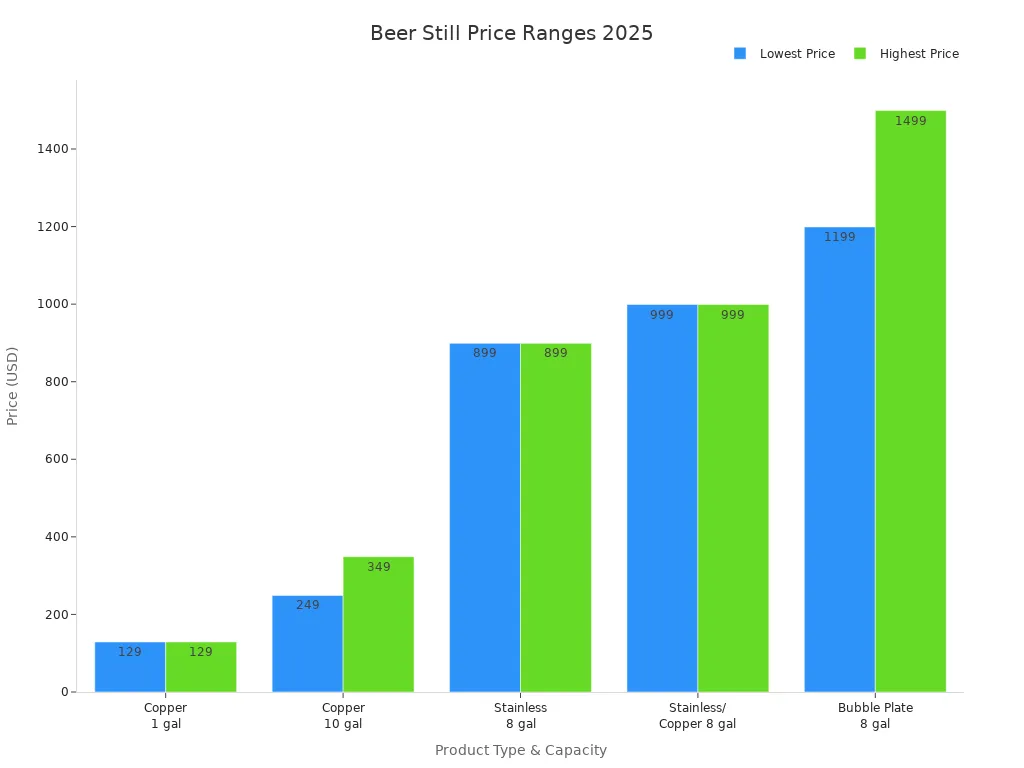
You might think home distilling is expensive, but beer stills make it much more accessible. Today, you can find a wide range of beer stills for every budget and skill level. Many models are affordable, so you can start your journey without breaking the bank. Take a look at some popular options:
| Product Type | Capacity (Gallons) | Material | Price (USD) | Notes |
|---|---|---|---|---|
| Copper Moonshine Pot Still Kit | 1 | Copper | $129.00 | Suitable for micro-batches, DIY kit |
| Copper Moonshine Pot Still Kit | 10 | Copper | $249.00-$349.00 | Larger runs, DIY kit or pre-built |
| Stainless Steel Still | 8 | Stainless Steel | $899.00 | Pre-built, durable, easy to clean |
| Stainless / Copper Still | 8 | Stainless Steel & Copper | $999.00 | Combines benefits of both materials |
| Stainless / Copper Bubble Plate Still | 8 | Stainless Steel & Copper | $1,199.00-$1,499.00 | High efficiency, bubble plate design |
You can also compare prices with other home distilling equipment. Many beer stills and similar kits cost between $90 and $140, making them a smart choice for home distillers. Premium models go up to $300 or more, so you have options for every stage of your journey.
Beer stills open the door to creativity. You get to experiment with recipes, flavors, and techniques. Many home distillers love the hands-on experience of building or customizing their own stills. You can choose different materials, sizes, and even heat sources. This creative freedom lets you shape your spirits and try new ideas.
Modern kits, like the JILLMO Fermentation Kit, come with recipes and tools that support your creativity. You can use heat mats, hydrometers, and pH strips to fine-tune your process. This makes home distilling a fun and creative journey.
Home distilling is not just about making spirits. It’s about building community and sharing stories. You can join online groups, like the Home Distillers Facebook group, where people share advice, recipes, and experiences. Forums such as Reddit’s r/Distilling let you connect with others, ask questions, and learn from their journeys.
When you share your own stories, you help others avoid mistakes and inspire new home distillers. This sense of community makes the journey even more rewarding.
You will find that creativity grows when you connect with others. Sharing stories and tips brings everyone closer, making home distilling a true community adventure.
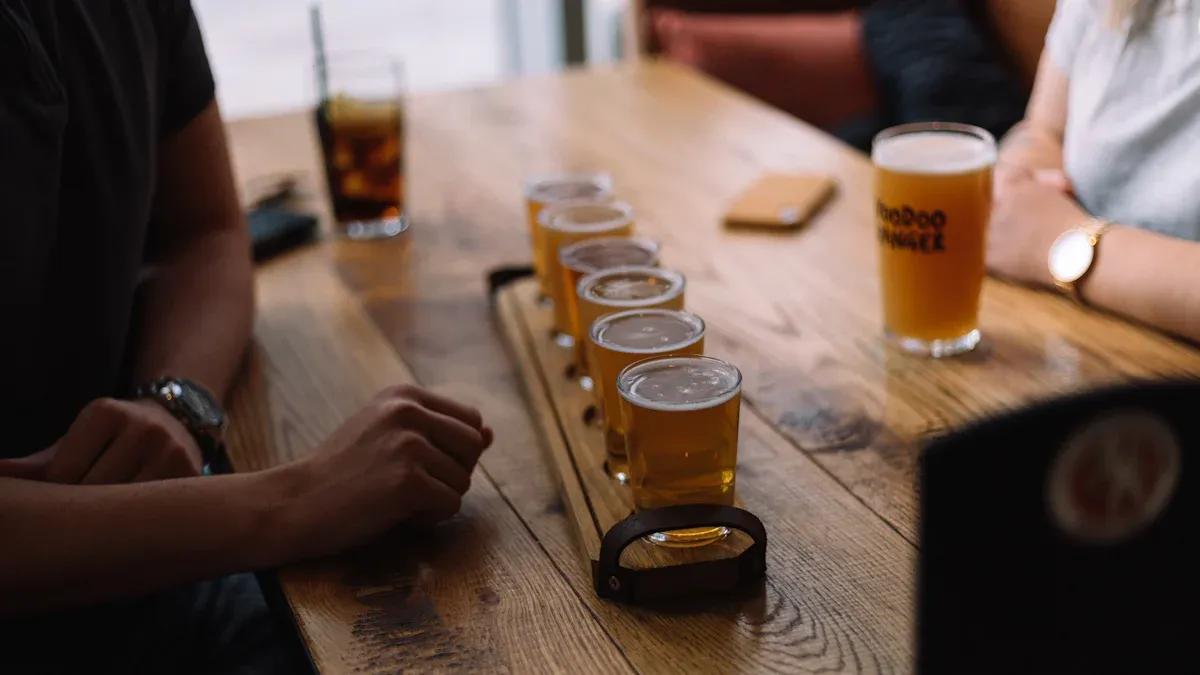
You probably remember your first batch if you have tried home distilling. Many home distillers feel a rush of excitement when they see clear spirit drip from their beer stills for the first time. Some people in Oregon used COFF beer stills and felt proud of their first success. A Canadian home distiller said they felt like a pro right away. In Australia, one distiller started as a beginner and now teaches others, helping the community grow.
Your journey in home distilling often starts with small victories. These moments build your passion and keep you moving forward.
Every home distiller faces challenges. You might skip a cleaning step or rush the process. Here are some common problems and how you can solve them:
| Common Challenges Faced by Home Distillers | Methods to Overcome Them |
|---|---|
| Skipping essential cleaning steps | Do a vinegar run and sanitize with potassium metabisulfite |
| Ignoring safety valves | Install and check safety/pressure relief valves |
| Rushing the cuts | Carefully manage cuts to separate foreshots, hearts, and tails |
| Lack of reflux management | Adjust cooling systems for better separation |
| Poor maintenance of copper parts | Clean and maintain equipment regularly |
You learn from mistakes and improve your distilling skills. Keeping good records and listening to feedback helps you get better with each batch.
Home distilling traditions shape how you learn and share your craft. Some families pass down recipes and skills for generations. In Ireland, people throw the first drops of spirit over their left shoulder to honor old beliefs and stay safe. You might not have a family history, but you can start your own traditions by sharing your batches and teaching others.
You become part of a supportive community that values passion, learning, and sharing. Your journey in home distilling grows richer with every story you tell and every tradition you keep.
When you start distilling at home, safety comes first. Beer stills can get very hot and produce flammable vapors. You want to protect yourself and your space. Here are some important safety practices you should always follow:
You also need to watch the temperature at three key spots: the pot boiler, the top of the column, and the condenser coil. Keep the pot boiler between 175-195°F. If it hits 212°F, turn off the heat. Keep the condenser coil cool with cold water or ice packs. If it gets hot, stop distilling right away. Seal the seams of your still with flour paste when the temperature reaches about 100°F. This keeps you from getting burned by escaping steam.
Tip: Always keep a fire extinguisher nearby. Water does not work on alcohol fires, so use the right kind.
Check out this table for common hazards and how to control them:
| Hazard Type | Description |
|---|---|
| Fire and Explosion Risks | Flammable ethanol vapors; ignition sources include open flames, sparks, hot surfaces |
| Chemical Hazards | Exposure to cleaning chemicals and mash pH adjusters |
| Physical Hazards | Noise, pressure in equipment, boiling liquids, hot surfaces |
| Electrical Hazards | Electrically fired boilers and ignition sources |
| Brewing Hazards | Carbon dioxide, sanitation chemicals |
You can avoid most accidents by following these safety tips. Most experienced distillers say that distilling is as safe as cooking if you pay attention and use common sense.
Everyone makes mistakes when they start distilling. You can save time and money by learning what to avoid. Here are some of the most common mistakes and how you can dodge them:
Other mistakes include using equipment that is too small, not sanitizing properly, or drinking while distilling. You want to stay focused and keep your workspace clean.
Tip: Do not skip the vinegar run before your first batch. It cleans out any leftover residue and keeps your spirits pure.
Here are more tips for better results:
By following these tips and sharing hands-on tips with others, you will improve your distilling skills quickly.
Picking the right equipment makes your distilling journey smoother. You want beer stills that fit your needs and last a long time. Here is a quick look at some popular brands:
| Brand | Features | User Satisfaction and Reputation |
|---|---|---|
| COFF | Innovative designs, oil-heated brewhouse, precise temperature control, premium stainless steel and copper, built-in safety features, user-friendly for all levels | Known for high quality, durability, and strong customer loyalty. Wide range from beginner to pro series. |
| Brewhaus | Professional-grade, safety-focused (pressure relief valves, emergency shut-offs), efficient, durable, easy to use | Popular among hobbyists and small commercial users for reliability and robust construction. |
| Still Spirits | No specific information available | No direct comparison possible due to lack of data. |
COFF stands out for its innovative features and premium materials. You get precise temperature control, which helps you make better spirits. Brewhaus offers professional-grade equipment with a focus on safety and ease of use. Both brands have strong reputations for quality and reliability.
To keep your beer stills in top shape, clean them after every use. Pay special attention to copper parts, as they can corrode if left dirty. Always check seals, valves, and thermometers before you start distilling. Replace any worn parts right away.
Tip: Good maintenance means fewer problems and better spirits every time you distill.
If you follow these tips and choose the right equipment, you will enjoy distilling for years to come.
If you want to start home distilling with beer stills in 2025, you need to know the rules. Laws about home distilling can feel confusing. They change from state to state, and sometimes even city to city. You might see people online sharing their setups, but that does not always mean it is legal where you live.
Let’s look at the current legal status of home distilling in the United States:
| Jurisdiction | Legal Status of Home Distilling with Beer Stills (2025) | Key Legal Points |
|---|---|---|
| U.S. Federal | Prohibited without license | TTB enforces strict prohibition on distilling spirits at home; home brewing of beer and wine allowed; penalties include prison and fines; ref: 26 U.S.C. 5042(a)(2), 5053(e) |
| Florida | License required; illegal to own still without license | Felony for 1+ gallon of illegal spirits; misdemeanor under 1 gallon; property confiscation; still ownership illegal without license |
| States with “Legal” Moonshining (e.g., Alaska, Arizona, Maine, Massachusetts, Michigan, Missouri, Ohio, Rhode Island) | State laws allow home distilling despite federal prohibition | Federal law supersedes state law; legal risk remains; state laws vary widely |
| Other States | Mixed or aligned with federal law | Some states ban distilling or still ownership outright; enforcement varies; local agencies may overlook small personal use stills |
| Outside U.S. | N/A | No detailed information provided |
You can see that federal law still says you cannot distill spirits at home without a license. Some states try to make their own rules, but federal law usually wins if there is a conflict. In places like Florida, even owning a still without a license can get you in trouble.
Tip: Always check your local and state laws before you buy or use a beer still. Rules can change fast, and what is legal in one state might not be in another.
You might have heard about big changes in the courts. For over 150 years, federal law made it illegal to distill spirits at home. These laws started after the ‘Whiskey Wars’ to help collect taxes and stop illegal distilling. In 2024, a Texas federal court said these old laws went too far. The court ruled that Congress did not have the power to ban home distilling in private homes because it does not affect interstate commerce.
This ruling means that, for now, home distillers in Texas can legally use beer stills at home. The Alcohol and Tobacco Tax and Trade Bureau (TTB) cannot enforce the federal ban there. Other states are watching closely. The Fifth Circuit Court of Appeals will hear more arguments in 2025. Experts think the court might let states decide their own rules about home distilling.
You might see more states making their own laws soon. Some could allow home distilling with limits, while others might keep strict bans. The legal status of home distilling is changing, so you need to stay updated.
Note: Even if your state says home distilling is legal, federal law might still apply. The situation is changing, so always double-check before you begin.
You want to enjoy your hobby without worry. Knowing the legal status of home distilling helps you stay safe and avoid trouble. As laws change, you might see more freedom for home distillers, but you should always play it safe and stay informed.
Starting your home distilling adventure feels exciting. You want a safe and smart setup. Begin by choosing a pot still or reflux still made from food-grade copper or stainless steel. Place your equipment in a space with good ventilation. Make sure you have enough room for all your gear and easy movement. Here’s a quick checklist for your setup:
You will find that a clean, organized space helps you focus on learning and growing during your home distilling adventure.
You might wonder where to find great recipes for your beer still. The Home Distiller forum is a huge online resource. You can read guides, join discussions, and discover new ideas. Clawhammer Supply also offers detailed blogs and recipe ebooks. You get to try new flavors and techniques, making every batch a new adventure. Sharing recipes with others helps you learn faster and keeps your home distilling adventure fresh and fun.
Home distilling is more than just making spirits. It’s about building connections and joining a community of distillers. You can join forums like Home Distiller, the American Distilling Institute, or Reddit’s distilling group. These places let you share stories, ask questions, and get advice. Community events and competitions, like the Heartland Whiskey Competition, give you a chance to meet others, show your skills, and get feedback. Every story you share helps someone else on their adventure. You will see that learning, sharing, and building connections make your journey richer.
Your adventure in home distilling grows with every new connection, every story, and every lesson learned.
You have a lot to gain from home distilling with beer stills.
Learning from others, sharing your story, and staying curious will make your journey more fun. Keep learning, ask questions, and enjoy every step.
You use a beer still to distill beer or wash into spirits. A moonshine still often refers to any still used for homemade spirits. Both work the same way, but “beer still” usually means a legal, modern setup.
First, rinse your still with warm water. Use a soft brush for any residue. For deep cleaning, run a vinegar solution through the system. Dry all parts before storing. This keeps your spirits tasting fresh.
Yes! You can use your beer still to distill both beer and spirits. Just make sure you clean it well between uses. This prevents flavors from mixing.
You need heat-resistant gloves, safety glasses, and a fire extinguisher. Always distill in a well-ventilated area. Never leave your still unattended. Safety first! 🦺