


COPYRIGHT © 2022 COFF International Co., ltd. ALL RIGHTS RESERVED


You step into the world of home distilling with excitement and a bit of curiosity. Beer stills offer you a chance to explore new flavors and try your hand at creating something unique. Every home distiller faces challenges, but each journey feels like a real adventure. You find passion in every batch you make. Stories from other home distillers inspire you to push forward, learn more, and share your own distilling experiences. Your home distilling adventure becomes a mix of discovery, creativity, and community.
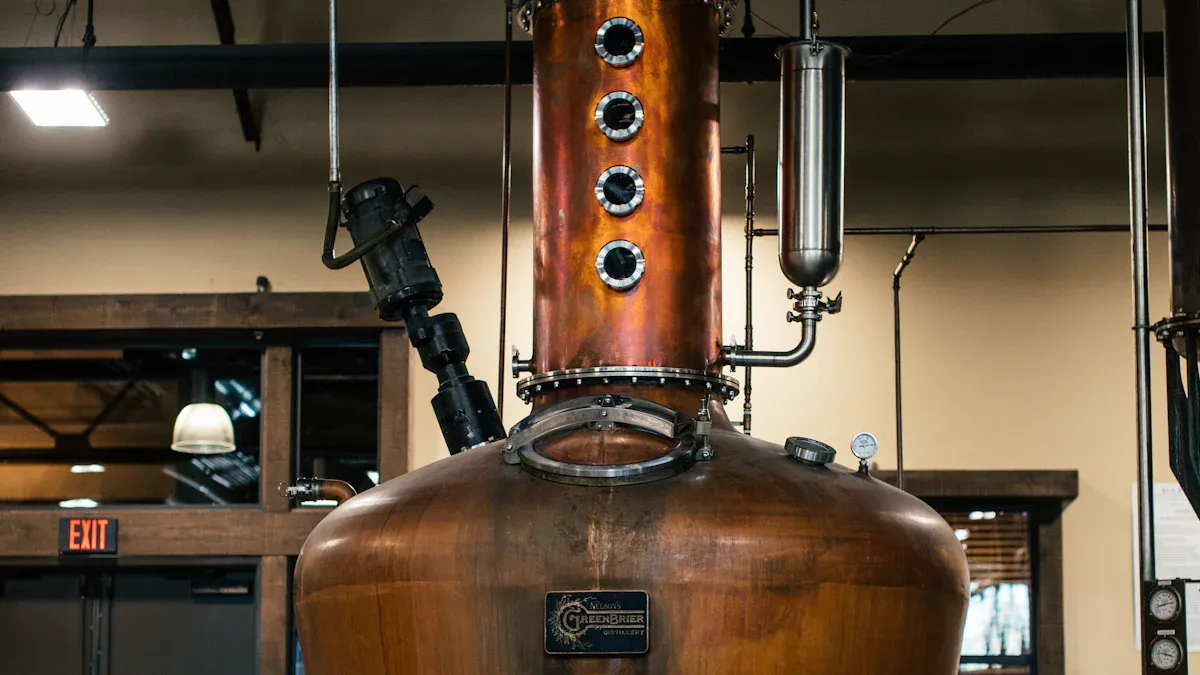
You might wonder why so many people choose beer stills when starting their home distilling journey. One big reason is cost. Commercial distilling equipment can be very expensive. Some pot stills cost over $1,500, and advanced systems can reach $74,000. That’s a huge investment! In contrast, homebrewing and beer stills require much less money upfront. You can find basic fermenters for under $65, and packaging supplies like bottles and cappers for about $50. This makes beer stills a smart choice if you want to try home distilling without spending a lot.
Here’s a quick look at some affordable beer still models:
| Model Name | Key Features | Pros | Cons |
|---|---|---|---|
| OLizee Stainless Steel Water Alcohol Distiller | 8-gallon capacity, built-in thermostat, safety shut-off, includes bottle opener, funnel, strainer | Affordable, easy to use, minimal maintenance | Output may be less than advertised |
| Seeutek Alcohol Still Stainless Steel Alcohol Distiller | 5-gallon capacity, thumper keg, fermenting pot, cooling pot, silicone hose, copper piping | Cheap, beginner-friendly, easy instructions | Not ideal for large batch production |
Beer stills give you creative freedom. You can experiment with recipes, flavors, and techniques. Many home distillers use adjustable columns to control the strength and purity of their spirits. Some choose oil-heated brewhouses for steady temperature control. You might try different grains, fruits, or spices to create something new. Keeping a log of each batch helps you learn what works best. This process lets you explore your creativity and enjoy the hands-on side of distilling.
“Distillers express a profound love for both the process and the product, stating that it gives them a deep satisfaction that many people don’t understand.”
You can even adapt mash techniques or modify your still to improve results. Some home distillers smoke their malt or age spirits in special barrels. These creative choices make every batch unique and exciting.
When you join the world of home distilling, you become part of a community. Online forums and social media groups help you connect with other home distillers. You can share tips, ask questions, and swap stories. These connections make it easier to learn and grow. Many people start with little knowledge, but the community of distillers supports each other. You might find yourself building connections with people from all over the world.
Many stories focus on perseverance and passion. Home distilling traditions often pass down through families. You learn from others, and soon, you share your own experiences. This sense of community keeps the craft alive and helps everyone improve together.
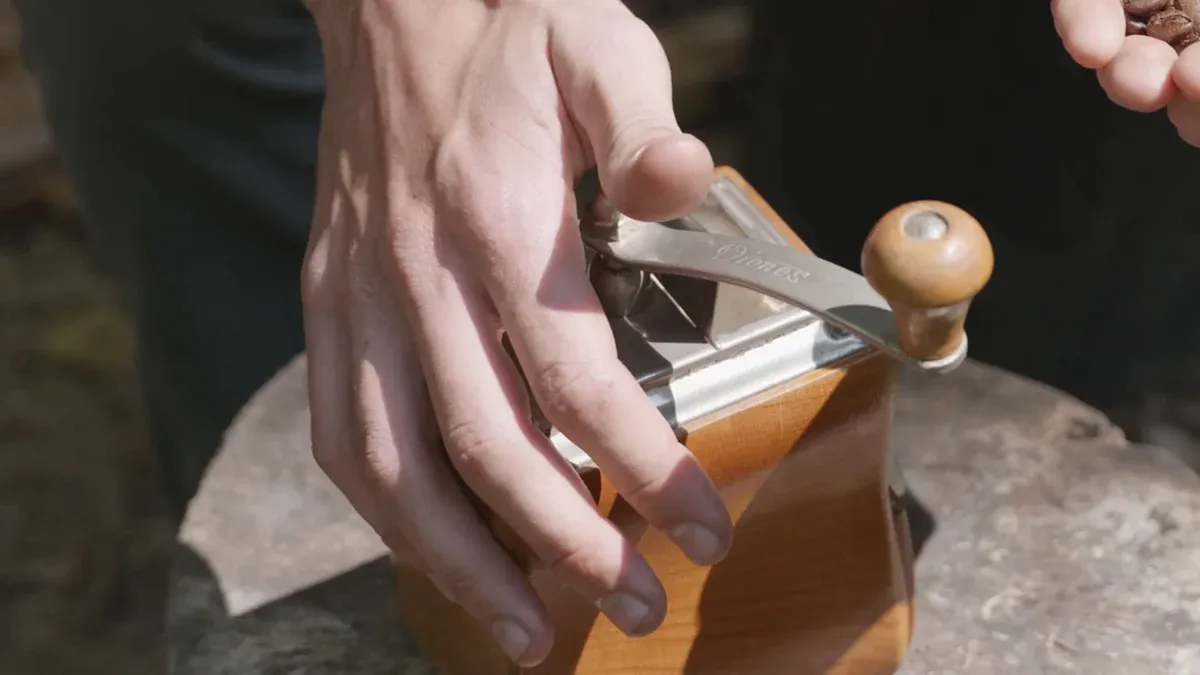
Your first batch with beer stills feels like a big step in your home distilling adventure. Many home distillers remember this moment with pride and excitement. You might feel nervous at first, but that changes when you see your clear spirit for the first time. Here are some ways people celebrate their first success:
Your first batch is more than just a drink. It marks the start of your learning, your passion, and your adventure in home distilling.
You will face challenges during your home distilling journey. Sometimes, things do not go as planned. Maybe your spirit does not taste right, or your equipment needs extra care. Experienced home distillers learn to overcome these obstacles by paying close attention to every step. You use your senses—watching the temperature, listening to the equipment, and tasting the spirit. Patience is key. Distilling takes time, and you need to focus for long hours.
You can follow these steps to avoid common problems:
You learn from each mistake. Every challenge teaches you something new about distilling. Over time, you become more skilled and confident.
Tip: Keep a notebook for each batch. Write down what works and what does not. This helps you improve with every try.
You are not alone in your home distilling adventure. Sharing stories is a big part of building community. When you talk about your journey, you help others learn and avoid mistakes. Many beginners share their problems, like making a first vodka batch that smells like nail polish remover. These stories warn others about dangers, such as toxic byproducts.
Experienced home distillers and mentors often give advice in forums and groups. They help you improve safety and quality. You learn about proper distilling practices and how to avoid unsafe alcohol. Many people say they gained their basic knowledge from these shared experiences. The community helps everyone grow and stay safe.
Your story matters. By sharing it, you help others start their own adventure in home distilling.
When you start home distilling, safety comes first. Many experienced distillers share hands-on tips to help you avoid accidents. Here are some important safety practices you should always follow:
You should also remember these key tips:
Tip: Burns and injuries can happen quickly. Always stay alert and keep your workspace clean and dry.
Everyone makes mistakes when learning home distilling. You can avoid many problems by following these tips:
Many beginners get low-proof spirits because of fermentation issues. Sometimes, people scale recipes wrong or use the wrong yeast. If you skip steps or use poor equipment, your results may suffer. Always keep your process simple and stick to the basics until you gain more experience.
Note: Most injuries in distilling come from burns, slips, and heavy lifting. Take your time and use safe techniques.
Choosing the right equipment makes home distilling easier and safer. Many home distillers like pot stills for their flavor and simple use. Column stills work well if you want higher efficiency and cleaner spirits. Copper parts help remove impurities and improve taste. Stainless steel offers durability and easy cleaning.
Here’s a quick look at popular brands and features:
| Brand | Material Options | Safety Features | Beginner Friendly | Notable Models |
|---|---|---|---|---|
| COFF | Copper, Steel | Yes | Yes | Beginner Kit, Pro Series |
| Brewhaus | Copper, Steel | Yes | Some | Essential Extractor |
| Mile Hi Distilling | Copper, Steel | Yes | Yes | Dual Purpose Still |
| Northern Brewer | Steel | Some | Yes | Small Batch Still |
| Clawhammer Supply | Copper | Some | Yes (DIY) | DIY Still Kit |
COFF stands out for its oil-heated brewhouse, which gives you steady heating and helps prevent burning. Many distillers value equipment that is easy to use, portable, and safe. As you grow in home distilling, you may want to try different beer stills and upgrade your setup.
Sharing hands-on tips with others helps you learn faster and avoid common mistakes.
Before you start home distilling, you need to know the legal status of home distilling in your country. Laws can change from place to place, so always check before you begin. Here’s a quick look at the rules in some major regions:
| Country/Region | Licensing Requirement | Taxation | Penalties for Illegal Distilling | Notes |
|---|---|---|---|---|
| United States | Federal permit needed | Varies by state | Up to 5 years jail or $10,000 fine | Stills allowed for non-alcohol use |
| Canada | Federal license needed | Taxes if selling | Up to 5 years jail, heavy fines | Owning stills legal, home brewing tolerated |
| United Kingdom | License required | Duty taxes | Up to 5 years jail, fines | License needed even for personal use |
| Australia | License required | Taxes on all spirits | Fines or jail | Licenses easy to get |
| New Zealand | No license for personal use | No taxes | No penalties for personal use | Most lenient laws |
Safety matters just as much as legality. You should follow these steps to keep your distilling safe:
Tip: Always distill in a well-ventilated area and never leave your equipment unattended.
Picking the right equipment makes your home distilling journey smoother. You can start with a simple pot still or try a column still for cleaner spirits. COFF offers high-quality stainless steel and copper options. Their oil-heated brewhouse gives you steady heat, which helps prevent burning. Other brands like Brewhaus and Mile Hi Distilling also offer reliable gear. Look for equipment that is easy to clean, safe to use, and fits your space.
You don’t have to distill alone. The home distilling movement has created a supportive community where you can learn, share, and grow. Online forums like Home Distiller and Reddit’s r/Distilling let you ask questions and swap tips. You can join groups like American Home Distillers or Aussie Distiller to meet others who share your passion. When you tell your stories, you help others avoid mistakes and inspire new distillers. Sharing your journey builds trust and makes the experience more meaningful for everyone.
You see that every home distilling journey brings new lessons. Many home distillers find that learning never stops. Here are some things you might notice along the way:
Your journey is about learning and growing. When you join the community, you share stories and help others. Stay safe, keep learning, and enjoy every step of your home distilling journey.
A beer still is a piece of equipment you use to distill fermented liquids. You heat your mash, collect the vapor, and cool it down to get a purified spirit. Beer stills come in different sizes and materials.
Yes, you can use a beer still to make whiskey, vodka, or even gin. You just need to change your recipe and follow the right steps for each spirit. Always check your local laws before you start.
You should rinse your still with warm water after every use. For a deeper clean, run a vinegar solution through the system. Make sure you dry all parts before storing them. Clean equipment helps you get better results.
No, home distilling laws change from place to place. Some countries allow it for personal use, while others require a license. Always check your local rules before you begin. Staying legal keeps your hobby safe and fun.
You need gloves, safety glasses, and a fire extinguisher nearby. Good ventilation is important. Always keep your workspace clean and dry. Safety gear protects you from burns, spills, and other accidents.