

COPYRIGHT © 2022 COFF International Co., ltd. ALL RIGHTS RESERVED


You might find yourself drawn to the world of home distillers because every story has a spark of passion behind it. Many distillers start their journey with beer stills, driven by curiosity and a love for hands-on learning. Home distilling isn’t just about making spirits; it’s about the pride you feel when you master a new craft. These stories often show how distillers invest time and care, turning simple ingredients into something special. When you hear the stories of home distillers, you see creativity, tradition, and friendship come together in unforgettable ways.
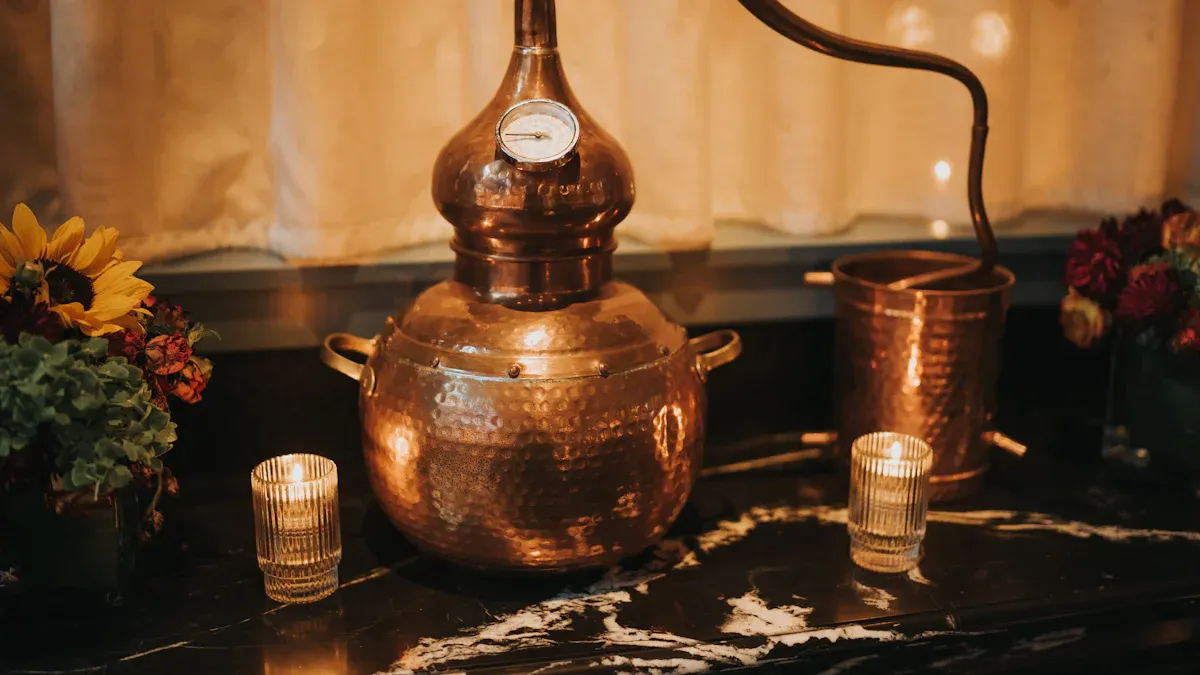
When you start your home distilling journey, you want equipment that feels easy to use. Beer stills stand out because they offer simple designs and clear features. Many beginners choose beer stills because you can set them up quickly and get started without a steep learning curve. You do not need to be an expert to use them. Most beer stills come with built-in thermometers and tight-sealing lids, which help you control the process and feel confident.
Take a look at this table. It shows how some popular beer stills compare in price and beginner-friendliness:
| Still Model | Price (USD) | Materials | Ease of Use for Beginners | Key Features & Notes |
|---|---|---|---|---|
| DONIKS Moonshine Still Kit | 109.99 | Food-grade stainless steel & red copper | Easy to use; includes built-in thermometer; versatile heating options; quick cooling system | Large capacity (9.6 gal), detachable thermometer, tight sealing lid, suitable for novices and experts |
| AIMEE_JL 10L Home Brewing Kit | 95.77 | Food-grade stainless steel & red copper | Beginner-friendly; easy to handle and install; built-in thermometer; double cooling system | Multipurpose use (alcohol, steam, seawater distillation), free steam plate to prevent burnout |
| T500 Turbo Still | N/A | Stainless steel | Safe and easy to operate; designed for beginners; compact and affordable | Advanced fractionating column, fast distillation, countertop size |
| SLSY 1 Gallon Electric Still | 175.99 | 304 stainless steel | Simple and convenient; portable; ideal for beginners | Multipurpose distillation, premium materials, 30-day money-back guarantee |
| ECO-WORTHY 5 Gallon Moonshine Still | 139.99 | Food-grade stainless steel | Easy to install and use; suitable for beginners | Thickened bottom for various heat sources, versatile for different liquors |
| SPEAKEASY 20L Stainless Steel Still | 299.00 | Heavy gauge 304 stainless steel | More complex; robust construction; advanced features | Triple-layer bottom, induction heating compatible, 10-year warranty |
| YUEWO 3 Pots DIY 2 Gallon Still | 89.00 | Food-grade stainless steel & red copper | Easy to handle and install; beginner suitable | Built-in thermometer, multipurpose, thickened fermenter for various heat sources |
| BACOENG 3 Gallon Stainless Steel Still | 104.99 | Food-grade stainless steel & red copper | Portable and easy to handle; suitable for beginners | Built-in thermometer, extra outlet for condenser water circulation, multipurpose |

You can see that beer stills are affordable and beginner-friendly. This makes them a top choice for new home distillers.
Beer stills give you the chance to explore your creativity. You can try new recipes and experiment with different ingredients. Many home distillers like to:
You can make whiskey, rum, gin, brandy, tequila, and even moonshine with beer stills. This freedom is what draws many craft distillers and home distillers into the home distilling movement. You get to be both the scientist and the artist in your own craft distilling adventure.
Beer stills do more than just make spirits. They help you connect with others who share your passion. When you join the world of home distilling, you become part of a larger community. Here’s how beer stills help build these connections:
You will find that joining a home distilling community lets you share tips, learn from others, and get inspired. The friendships and support you gain make your journey even more rewarding.
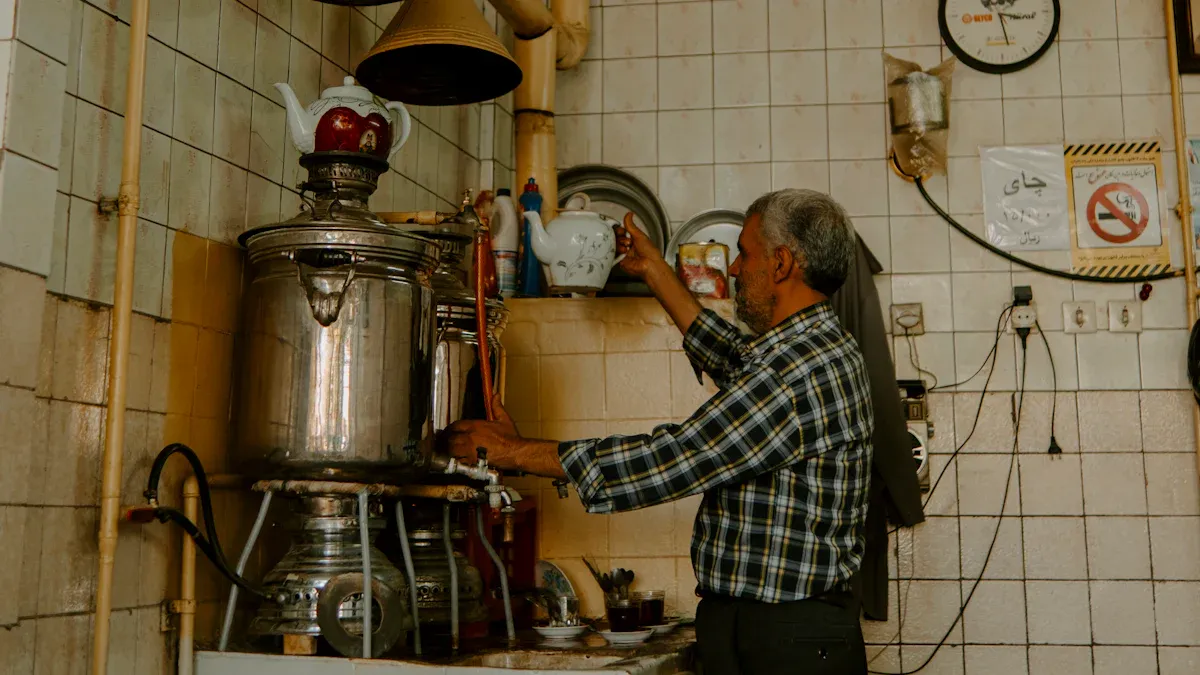
You might remember your first batch like it happened yesterday. Many home distillers feel a rush of excitement when they see their first clear spirit drip from the still. That moment feels like discovering a new world right in your kitchen. Some people in Oregon have shared how proud they felt using their COFF beer still for the first time. They watched the process and realized they could create something special at home.
Here are some ways people celebrate their first wins in home distilling:
You might also notice how easy it is to clean a COFF still. Many users mention this as a big help, especially when you want to try new recipes without leftover flavors.
Every journey in home distilling comes with a few bumps. You might face problems with temperature control, ingredient choices, or even cleaning your equipment. But each challenge teaches you something new. You learn to adjust your process, try different grains, or tweak your recipes until you get the taste you want.
Distillers often measure their success by more than just the final drink. You might set up a system to track your steps and make sure you get the same results every time. Some distillers use quality management ideas, like keeping notes on each batch or checking every step for mistakes. You might even look at taste test results or ask friends for honest feedback. This helps you improve and keeps your spirits consistent.
Here are some ways distillers keep learning and growing:
You will find that every mistake becomes a lesson. Over time, you become more skilled and confident in your craft.
Home distilling is not just about making spirits. It is about sharing stories and building connections. When you use beer stills, you join a group of people who love to create and experiment. You might meet other craft distillers at local events or online. These connections help you learn faster and enjoy the process even more.
You can see how beer stills bring people together:
Tip: Sharing your journey with others makes home distilling more fun and rewarding. You never know who you might inspire with your story.
The best part? You become part of a bigger story, one that mixes tradition, creativity, and friendship. Every batch you make adds to the rich history of home distilling.
You might wonder how home distilling becomes more than just a hobby. The answer often lies in the way families and communities pass down their knowledge, skills, and stories. When you step into the world of home distilling, you join a tradition that stretches back through generations. These traditions shape the way you learn, create, and share your own spirits.
Some families treat home distilling as a treasured ritual. In Connemara, Ireland, distillers have a unique custom. They throw the first drops of spirit, called the fores, over their left shoulder. This act honors the fairies and keeps everyone safe. It’s not just about superstition. It’s a practical step that removes harmful parts of the distillate. You see how a simple action can blend safety, culture, and storytelling.
You can find other examples where families teach each new generation the secrets of their craft. The Charbay Distillery stands out as a great example. For thirteen generations, parents have taught their children how to run a copper alembic pot still. They show them why water quality matters and how to age spirits in barrels. Each lesson builds on the last, creating a unique style that belongs only to that family. You learn that home distilling is not just about the equipment. It’s about the art and skill you develop over time.
In Kentucky, you find families like the Beams, who have been making whiskey since 1795. They keep their yeast strains and recipes safe, passing them down from parent to child. The Van Winkle family, now in its fourth generation, does the same. The Hendersons, Willetts, and others all share this deep connection to their craft. They teach each other, protect their secrets, and keep their stories alive.
When you use beer stills or any other equipment, you become part of this living history. You might start by following a family recipe or listening to stories from older distillers. Over time, you add your own twist, creating new memories and traditions for the next generation.
You don’t need to come from a long line of home distillers to start your own tradition. Every time you share a batch with friends or teach someone how to use a still, you help keep the spirit of home distilling alive. Your stories matter. They connect you to the past and inspire others to join in. That’s how traditions grow—one story, one lesson, and one shared experience at a time.
Starting your home distilling adventure can feel exciting and a little overwhelming. You want to make great spirits and stay safe. Here are some tips that experienced distillers recommend:
Tip: Keeping good notes on each batch helps you learn and improve your process.
Safety should always come first when you use beer stills. You want to protect yourself and your space. Here are some important safety practices:
Even the best distillers make mistakes, especially when starting out. Here are some common errors you can avoid:
1. Skipping the vinegar run, which leaves harmful residue in your still. 2. Ignoring safety valves, risking dangerous pressure buildup. 3. Rushing the cuts, which can lead to bad flavors or headaches. 4. Not managing reflux, which affects the quality of your spirit. 5. Forgetting to maintain your equipment, which can cause corrosion, especially in copper parts.
Learning from these mistakes helps you become a better distiller. Every batch teaches you something new about home distilling.
When you look for the right equipment for home distilling, you want something that makes your journey easier and more enjoyable. COFF beer stills stand out for several reasons. You get a mix of smart design, reliable performance, and helpful support. These features matter whether you are just starting or you have been distilling for years.
Here’s why many distillers choose COFF:
Note: Good equipment helps you avoid common mistakes and makes home distilling safer. You can focus on learning and having fun.
COFF also pays attention to the details. You will notice features like tight-sealing lids, built-in thermometers, and sturdy handles. These small touches make a big difference for home distillers. When you use COFF beer stills, you join a group of distillers who care about quality and tradition. You get the tools you need to create great spirits and enjoy every step of the process.
You want your first steps in home distilling to be safe and legal. Laws can change depending on where you live, so always check before you start. Here’s a quick look at how rules differ:
| Region/State Group | Legal Status of Home Distilling |
|---|---|
| Federal U.S. Law | Home distilling without a permit is illegal nationwide (TTB regulations). |
| States where legal | Alaska, Arizona, Maine, Massachusetts, Michigan, Missouri, Ohio, Rhode Island allow home distilling. |
| States with no explicit laws | Iowa has no specific laws prohibiting home distilling. |
| Restrictions | Homemade spirits must be consumed at the production residence; transport allowed only to contests in 29 states. |
| Licensing | Permits required for legal distillation; ownership of stills allowed for non-consumable products with license. |
If you live outside the U.S., you’ll find even more variety. New Zealand lets you distill at home for personal use, while the UK and Canada require strict licenses. Always follow these steps:
You might think home distilling is a solo hobby, but stories bring everyone together. When you share your journey, you help others learn and grow. Storytelling keeps traditions alive and builds pride in your craft. You can join gatherings, post online, or just swap tales with friends. These stories inspire new distillers and create a sense of belonging. Every time you talk about your successes or challenges, you help shape a supportive community.
You never have to go it alone. Many groups and resources exist to help you on your path. The Society of Spirit offers mentorship, education, and a lively Discord community. You can join events, read whitepapers, and meet other distillers. Moonshine University gives hands-on training and expert advice, making it easier to learn everything from setup to bottling. Online forums like the American Home Distillers Association share guides, legal info, and recipes. Social media groups let you connect, ask questions, and celebrate your progress. These resources make your adventure with beer stills safer, smarter, and more fun.
You see how unforgettable stories shape the home distilling world. When you share your journey, you help others learn and grow. People like Jenny Griffo and the team at Ellers Farm Distillery show that personal stories and strong values build real connections and inspire growth. If you start your own adventure, you join a community that supports you every step of the way.
Your story could be the next one that inspires someone else.
A beer still is a piece of equipment you use to distill fermented liquids, like beer or mash, into spirits. You heat the liquid, collect the vapor, and cool it down to get a clear spirit.
You need to check your local laws before you start. Some places allow home distilling for personal use, but others require permits. Always follow the rules to stay safe and legal.
You should rinse your still with warm water after each use. For a deeper clean, use a mix of vinegar and water. Make sure every part is dry before you store it.
You can make whiskey, rum, gin, brandy, and even moonshine. Your recipe and ingredients decide the final flavor. Try different grains or fruits to create something unique.
Stainless steel lasts a long time and resists rust. It keeps your spirits pure and is easy to clean. Many home distillers prefer it for these reasons.