


COPYRIGHT © 2022 COFF International Co., ltd. ALL RIGHTS RESERVED

Choosing the best equipment is very important for fermentation. People who ferment at home or in small distilleries use tools like glass jars, food-safe buckets, digital scales, fermenter tank setups, and other fermenting stainless steel tank from brands such as Ningbo COFF. The right gear helps keep the temperature steady, protects yeast, and keeps conditions consistent.
Steady temperatures help make better flavor and quality.
Good equipment checks fermentation and keeps yeast strong.
Reliable systems use chillers, heaters, and controllers for good results.
Fermenters see that using the right equipment helps each batch work well and be more fun.COFF also offer milk tank,beer tank,wine tank solution.
Picking the right fermentation equipment makes food taste better. Use things like glass jars and digital scales for good results.
Important tools for fermenting are cutting boards, chef’s knives, and glass jars. These tools help you get food ready and keep it safe.
Weights and airlocks are very important to stop food from spoiling. They keep food under the liquid and let gases out but block outside air.
Clean your tools often and take care of them. This keeps your food safe and makes it taste better.
Begin with starter kits and get better tools as you learn more. This way, you can practice and get better at fermenting food.
Fermenters need the right tools for good results. The best equipment makes fermenting easier and keeps batches the same. Here are the most common essentials:
Big Cutting Board
A big cutting board gives lots of space to chop food. It helps keep your area neat.
Chef’s Knife
A sharp knife cuts cabbage and root veggies fast. It helps you get ingredients ready.
Graters and Peelers
These tools shred carrots and potatoes. They make getting veggies ready simple.
Wooden Spoons
Wooden spoons mix food without scratching bowls or jars. They last a long time.
Large Mixing Bowls
Big bowls hold all your chopped food. They make mixing easy.
Funnels of Varying Sizes
Funnels help pour liquids and veggies into jars. They stop spills.
Glass Jars and Plastic Lids
Wide-mouth glass jars are great for fermenting. They let air out and pack veggies tight.
Kitchen Scale
Digital scales measure salt, spices, and veggies well. They help keep recipes the same.
Swing-Top Bottles
These bottles store drinks like kombucha or kefir. They close tight and do not leak.
Fine Strainers
Strainers separate solids from liquids. They help when you bottle or serve drinks.
Mixing Cups and Spoons
Measuring cups and spoons keep amounts exact.
Fermentation Weights
Weights keep veggies under the brine. They stop mold from growing on top.
Tip: Digital scales use special sensors for quick and exact weighing. Micro scales can weigh very small amounts. This is good for recipes that need just a little salt or spice. Old scales may not weigh less than an ounce. Digital scales are the best equipment for being exact.
Home fermenters have many choices. Some kits and tools are easy and work well. Here are some top picks:
Hard Cider Brewing Kit
This kit has a one-gallon glass carboy, airlock, hydrometer, and sanitizer. It covers every step.
One-Gallon Cider Recipe Kit
The kit has a main fermenter, a second fermenter, and a bottle filler. It is good for people who want a full setup.
Cider House Select Apple Cider Making Kit
Beginners like this kit because it has clear steps and pre-measured ingredients.
Pickle Me Fancy Fermentation Kit
This kit is great for pickles. It comes with a glass jar, weights, and an airlock lid.
Farmhouse Culture Fermentation Kit
The kit has a fermentation vessel, ceramic weights, and a lid. It works for sauerkraut and other veggie ferments.
SauerBoys Fermentation Kit
This kit has a strong glass jar, airlock, weights, and clear steps. It helps beginners start.
Note: Himalayan salt is a favorite for fermenting. It adds minerals and keeps the brine clean. Many people use it for sauerkraut, kimchi, and pickles.
Professional fermenters give even more benefits. Here is a quick look at how they compare to home equipment:
Advantage | Description |
|---|---|
Durability | Stainless steel lasts long and does not scratch. It stops contamination. |
Sanitation | Smooth surfaces are easy to clean. They lower the risk of bad flavors and germs. |
Temperature Control | These fermenters handle high heat. Many have features for exact temperature control. |
Aesthetic and Professionalism | They look nice and have advanced features for serious brewing. |
Fermenters who want the best equipment often pick professional options for strength and control. Home kits and digital scales also help beginners feel sure when starting.
Fermenters use different vessels to get the best results. Each type has its own strengths. Some people like glass jars, while others choose ceramic crocks or food-grade buckets. Picking the right vessel helps keep food safe and tasty.
Glass jars are popular for small batches. They let people see the process and spot changes. Many home fermenters trust glass because it does not react with food. Experts like Sandor Katz say sealing jars well helps carbon dioxide protect the food. Lactobacillus bacteria grow in both low-oxygen and oxygen-rich spaces, so glass jars work for many recipes. Keeping salt levels near 4% helps stop spoilage and supports good bacteria.
Glass jars need proper sealing.
They allow easy monitoring.
Maintaining salinity keeps food safe.
People find glass jars easy to clean. They suit those who want to watch their ferment every day.
Ceramic crocks work well for larger batches. Their thick walls block light, which keeps bacteria healthy. Crocks create an anaerobic space, so air stays out and gases escape. Heavy weights inside keep food under the brine. This stops air from reaching the food and lowers the risk of spoilage.
Crocks keep out light and air.
They use weights to keep food submerged.
No need for daily checks.
Ceramic crocks help fermenters who want less fuss. They offer a steady environment for sauerkraut, kimchi, and pickles.
Food-grade buckets are great for big batches. They cost less and hold more. Safety matters, so people use buckets made from food-grade plastic or glass. If someone uses a non-food-grade bucket, they line it with a clean food-grade bag. Food should never touch regular plastic or garbage bags.
Only food-grade plastic or glass is safe.
Buckets work for large amounts.
Easy to clean and store.
Fermenters like buckets for their size and price. They make it easy to try new recipes or scale up.
Tip: Choosing the best equipment means thinking about vessel material, size, and safety. Each vessel fits different needs.
Here’s how users rate vessel materials:
Material | Durability | Ease of Cleaning | Suitability for Brewing Needs |
|---|---|---|---|
Stainless Steel | High | Very Easy | Excellent |
Plastic | Moderate | Moderate | Good |
Glass | Low | Easy | Good |
Fermenters pick vessels based on their goals. Some want to see the process, others want less work, and some need to make a lot at once.
Fermenters use weights to keep food under the brine. This is important because floating food can spoil or get moldy. Glass and ceramic weights both help, but they are different.
Glass weights do not soak up bacteria. They are smooth and easy to keep clean. Many people like glass because it is simple to wash.
Ceramic weights are good at holding food down. They fit well in jars and crocks. Some people pick ceramic because it looks old-fashioned.
Both weights stop mold by keeping food away from air. This helps make sauerkraut, kimchi, and other ferments better.
Using a weight is a great way to protect food while it ferments.
Ceramic weights can take in bacteria if not cleaned well. Glass weights do not have this problem. Both types help keep food under the brine for good fermentation.
Tip: Always make sure your weights fit your jar or crock. A good fit keeps food down and stops air from getting in.
Airlocks and lids are very important for safe fermentation. They let gas out but keep outside air away. This keeps the food clean and stops it from spoiling.
Here is a quick look at some airlock types:
Airlock Type | Best Use Case | Key Feature |
|---|---|---|
S-shaped bubble | Secondary fermentation | Watches pressure closely |
Simpler designs | Primary fermentation | Lets gas out easily |
Multi-functional | Many projects | Works for different fermenting types |
Transparent materials | Watching inside | Easy to see through |
Airlocks make a wall that keeps oxygen out of the jar. Oxygen can spoil food and stop fermentation. Using an airlock lowers the chance of mold and bad bacteria. This keeps the taste and quality of the food good.
Lids with airlocks make things even easier. They help both new and experienced fermenters get good results. Many people think airlocks and lids are some of the best tools for home fermentation.
Note: Always wash airlocks and lids before you use them. This easy step helps keep every batch safe and tasty.
Fermenters need strong cutting boards and sharp knives to get fruits and vegetables ready. The material of the board is important for safety and cleaning. Many people like wood boards made from hard rock maple or cherry. These woods do not soak up much water and fight off bacteria. Bamboo boards are also good because they stay dry and clean. Some people use plastic boards. Plastic boards can be different colors for different foods. This stops germs from spreading between foods. Glass boards are easy to wash but can make knives dull. Marble and granite look pretty but can stain and hurt knife blades. People often use one board for raw meat and another for foods that are ready to eat. Washing and sanitizing boards and knives after each use keeps things safe, especially for people with allergies.
Tip: Using color-coded cutting boards helps you remember which board is for each food. This makes the kitchen safer and more organized.
Graters and peelers help fermenters get vegetables ready fast. A grater shreds carrots, cabbage, and potatoes into small pieces. This helps the food ferment faster and more evenly. Peelers take the skin off root vegetables and fruits. Stainless steel graters and peelers last a long time and are easy to clean. People pick tools with handles that feel good in their hands. This stops their hands from getting tired. Some fermenters have different sizes of graters for different jobs. Cleaning these tools right after using them keeps food from sticking and makes them ready for next time.
Mixing bowls and spoons are important for getting food ready to ferment. Large stainless steel bowls are strong and easy to clean. Ceramic and glass bowls also work well and do not react with sour foods. Most fermenters do not use plastic bowls because they can keep smells and stains. Wooden spoons mix food gently and do not scratch bowls. These spoons work well with sour foods and last a long time. People always wash their hands and all surfaces before mixing food. Following a good recipe helps keep every batch safe and tasty.
Note: Clean tools and surfaces help stop bad bacteria. Fermenters who do this get better results and safer food.
Craft distillers use special tools to make spirits like whiskey, vodka, rum, and gin. Each spirit needs its own tools, but some equipment works for many kinds. Let’s look at the main things they use.
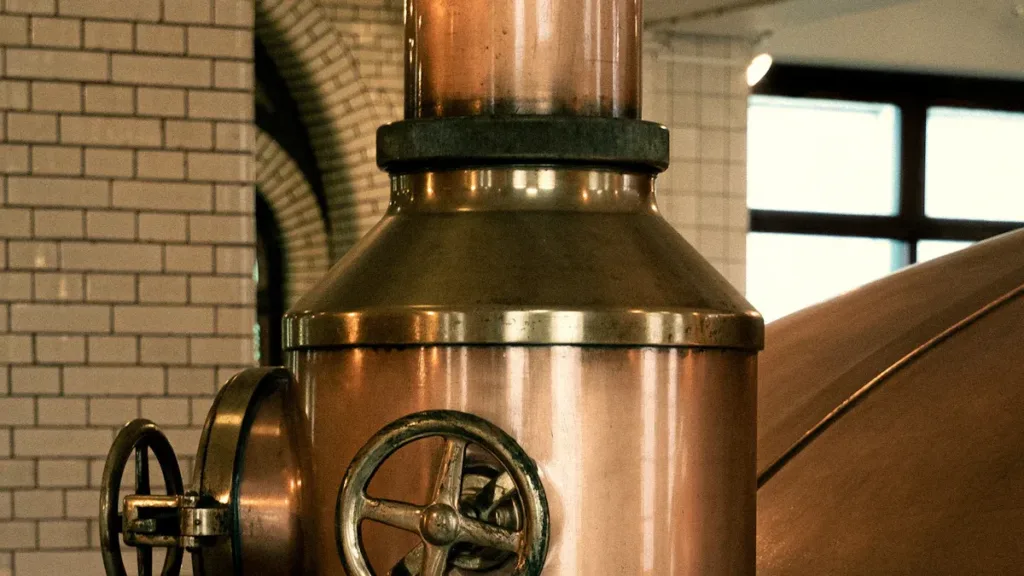
Distillers need stills and mash tuns to begin making spirits. Pot stills keep strong flavors in whiskey and rum. Reflux stills are best for vodka and gin because they make spirits smooth and pure. Hybrid stills let distillers change methods for more choices.
Here is a table about materials for stills and mash tuns:
Material | Benefits |
|---|---|
Copper | Makes whisky taste better. |
Stainless Steel | Lasts long, easy to clean, and does not rust. |
Modern mash tuns have temperature controls, digital screens, and machines that stir. These things help distillers keep the mash warm and mixed well.
The mash tun false bottom holds back the husks. It acts like a strainer so wort does not get stuck with the husks. This makes it easy to separate them and stops clogs.
Fermentation tanks are important for good-tasting spirits. Tanks with digital controls keep the temperature steady. This stops bad flavors and keeps every batch the same. Machines that watch the process help yeast work better, so the alcohol and flavor stay right.
Distillers pick tanks with exact temperature control. This makes sure every batch is just like the last one. It helps avoid problems and keeps customers happy.
After fermentation and distilling, spirits must be filtered and bottled. Filtration units take out things that should not be in the spirit. This makes the spirit clear and smooth. Here is a table of common filtration ways:
Filtration Method | Purpose |
|---|---|
Bag Filtration | Takes out big pieces like burned wood from barrel-aged spirits. |
Depth Filtration | Makes spirits clear, changes color, softens taste, and keeps real colors and smells. |
Chill Filtration | Removes bad esters, oils, and fats at cold temperatures to stop cloudiness. |
Carbon Filtering | Soaks up some fats and can add good flavors. |
Cartridge Filtration | Cleans the spirit by taking out tiny bits before bottling, making it look bright and clean. |
Bottling units help fill bottles fast and safely. These machines keep things clean and make bottles look nice.
Safety is very important in every distillery. Distillers wear safety gear, use fire tools, and make sure air moves well. Pressure relief valves stop tanks from getting too full of pressure. Keeping a logbook helps everyone know what to do.
Distillers who want the best tools look for ones that can do many jobs, have digital controls, and strong safety parts. These things help them make great spirits and keep everyone safe.
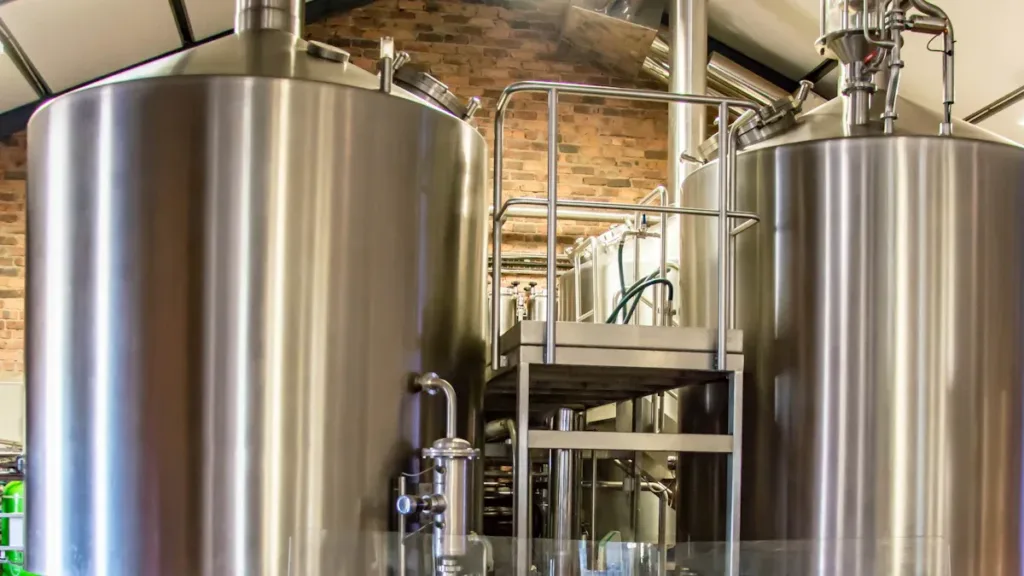
Fermenters want to know which materials are best. Stainless steel is a top choice because it lasts a long time. It can be recycled again and again. People like it since it is easy to clean. It does not need much water or strong cleaners. Stainless steel also heats up and cools down fast. This saves energy and helps the planet.
Aspect | Stainless Steel Benefits |
|---|---|
Durability and Longevity | It lasts through many uses, so there is less waste. |
Recyclability and Reusability | It can be recycled fully, so we use fewer new things. |
Energy Efficiency | It heats and cools well, so it saves energy and cuts pollution. |
Hygienic and Low Maintenance | It is easy to clean, so we use less water and fewer chemicals. |
Resource Efficiency | We do not need as many throw-away items, so we save resources. |
Waste Reduction | It can be recycled forever, so we make less trash. |
Safety is important too. Fermentation vessels and tools often have special safety labels. These labels show they meet safety rules. Here is a table with some common safety labels:
Certification Type | Region/Standard |
|---|---|
AS1210 | Australia |
PED /TUV | European Union |
ASME | US, Canada |
Picking the right size vessel helps fermenters get good results. Home brewers often use vessels that hold 1 to 5 gallons. Bigger tanks are better for businesses because they keep batches the same. The vessel should match the batch size and leave space for foam. Too much empty space can let in air and spoil the batch. Many home brewers use 5-gallon plastic buckets or 6.5-gallon glass carboys.
Home brewers pick vessels from 1 to 5 gallons.
Businesses use bigger tanks for steady batches.
The vessel should fit the batch and leave room for foam.
Clean tools help every batch turn out well. Fermenters start by washing jars and tools with hot soapy water. They clean sinks, fill them with hot soapy water, and scrub all tools. Then they rinse with cold water and let everything air dry. For bottles and carboys, brushes or brewery wash work best. After cleaning, they use a food-safe sanitizer like Star San. They mix it, use it, and let the tools air dry.
Wash jars and tools with hot soapy water.
Scrub, rinse, and let everything air dry.
Use brushes or brewery wash for bottles and carboys.
Sanitize with food-safe sanitizer and let air dry.
Fermenters who use good equipment and keep it clean get better results and safer food.
Fermenters and distillers need the right equipment to get great results. Glass jars, ceramic crocks, digital scales, and micro distillery equipment help them work safely and easily. Quality tools make each batch better and more fun. Beginners can start with basic kits and simple vessels. As skills grow, they can upgrade to professional gear.
Tip: Try new tools one at a time. This helps everyone learn and improve with each batch.
Most beginners choose glass jars. They can see the food inside. Glass jars clean up fast. Wide mouths make packing veggies simple. People like glass because it does not react with food.
Weights help keep food under the brine. Airlocks and tight lids block air. Clean tools stop germs. People always wash hands before touching food. A little salt in the brine helps keep mold away.
Table salt often has additives. These can change the taste. Himalayan salt or sea salt works better. They add minerals and keep the brine clean.
Tip: Always check the salt label. Pure salt gives the best results.
A small distillery needs a still, mash tun, fermentation tank, and bottling unit. Digital controls help keep batches steady. Safety gear protects workers. Each spirit needs special tools.
Equipment | Main Use |
|---|---|
Still | Distillation |
Mash Tun | Mashing grains |
Fermentation Tank | Yeast activity |
Bottling Unit | Filling bottles |