


COPYRIGHT © 2022 COFF International Co., ltd. ALL RIGHTS RESERVED


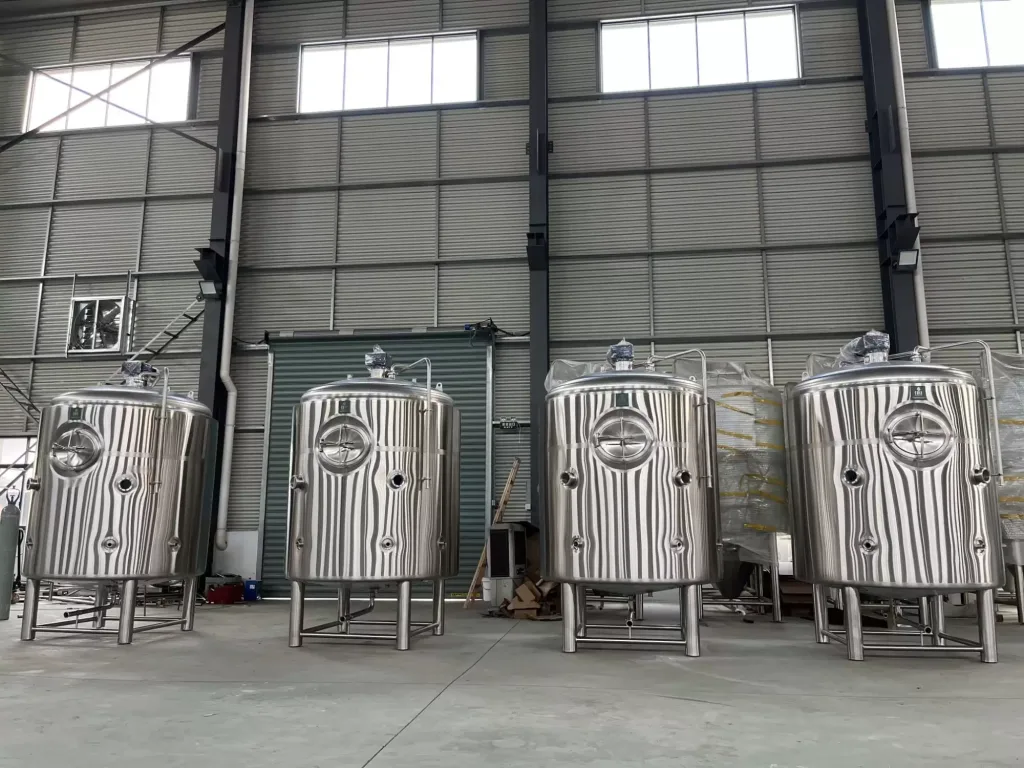
Beer brewing equipment represents a significant investment in stainless steel vessels, temperature control
systems, and processing capabilities that extend far beyond traditional beer production. Modern brewery
equipment’s versatility enables diverse applications including spirits distillation, coffee processing,
fermented food production, non-alcoholic beverages, and specialty fermentation projects. Understanding these
alternative uses helps maximize equipment utilization, diversify revenue streams, and optimize return on
investment. This comprehensive guide explores creative applications for brewing equipment, from repurposing
existing systems to designing multi-purpose facilities that serve various beverage and food production
needs. Whether seeking to expand product lines or maximize facility efficiency, these alternative
applications demonstrate the remarkable flexibility of professional brewing equipment.
Beer brewing equipment provides an excellent foundation for spirits distillation operations, with fermentation
vessels serving as mash tuns and wash preparation systems. Existing fermentation vessels can accommodate
the initial fermentation stages of whiskey, rum, vodka, and other spirits production, maximizing equipment
utilization across multiple beverage categories.
The transition from brewing to distillation requires understanding how brewing equipment components adapt to
spirits production. Mash tuns originally designed for beer production excel at preparing grain mashes for
whiskey production, while fermentation tanks handle wash fermentation with minimal modifications. Distillation equipment integration with
existing brewing infrastructure creates efficient hybrid operations.
| Brewing Equipment | Distillation Application | Modification Required |
|---|---|---|
| Mash Tun | Grain mashing for whiskey | Minimal – temperature control adjustment |
| Fermentation Vessels | Wash fermentation | None required |
| Boil Kettle | Pot still base | Column addition required |
| Heat Exchangers | Condenser systems | Configuration modification |
Brewhouse kettles can serve as pot still bases with the addition of distillation columns and appropriate
condenser systems. Oil-heated
brewing systems provide excellent temperature control for distillation applications, offering precise
heat management essential for quality spirits production.
The CIP systems essential for brewery sanitation translate directly to distillery applications, ensuring thorough
cleaning between different spirit types and maintaining product integrity. Setting up distillation
operations using existing brewing infrastructure reduces initial investment while providing operational
flexibility.
Fermentation control systems designed for beer production adapt well to spirits fermentation, though temperature
profiles may differ. Whiskey mashes often ferment at slightly higher temperatures than beer, while rum
fermentation may require different yeast management approaches. The precise temperature control capabilities of
modern brewing equipment accommodate these variations effectively.
The specialty coffee industry increasingly utilizes brewing equipment for cold brew production, nitro coffee
preparation, and large-scale coffee processing. Professional
cold brew systems share many characteristics with brewing equipment, including stainless steel
construction, temperature control, and filtration capabilities.
Fermentation vessels excel as cold brew extraction tanks, providing controlled environments for extended steeping
processes. The temperature control systems designed for beer fermentation maintain optimal extraction
temperatures for coffee, while built-in agitation systems ensure uniform extraction throughout the steeping
period.
Bright beer tanks serve effectively as cold brew storage and serving vessels, with carbonation systems adapted
for nitro coffee production. The pressure-rated construction of brewing vessels accommodates nitrogen injection
systems, while temperature control maintains optimal serving conditions for cold brew products.
Cold brew coffee equipment requirements align
closely with brewing infrastructure, making breweries natural candidates for coffee production expansion. The
filtration systems used in brewing adapt well to coffee processing, providing clarity and consistency in cold
brew products.
| Coffee Application | Brewing Equipment Used | Key Benefits |
|---|---|---|
| Cold Brew Extraction | Fermentation tanks | Temperature control, large capacity |
| Nitro Coffee | Bright tanks with gas systems | Pressure capability, serving systems |
| Coffee Concentrate | Heat exchangers, vessels | Concentration, temperature control |
| Batch Processing | Mash tuns, kettles | Precise temperature, agitation |
Heat exchangers designed for wort cooling adapt effectively to coffee applications, enabling rapid temperature
adjustment for different extraction profiles. The precise temperature control essential for brewing translates
directly to coffee processing, where extraction temperature significantly impacts flavor development.
Brewing equipment’s sanitary design and fermentation capabilities make it ideal for various fermented food
applications including kombucha, kefir, fermented vegetables, and specialty food products. Fermentation tanks provide controlled
environments for food fermentation with the same precision temperature control used in beer production.
Kombucha production particularly benefits from brewing equipment infrastructure. Fermentation vessels provide
sterile environments for SCOBY (Symbiotic Culture of Bacteria and Yeast) cultivation, while temperature control
systems maintain optimal fermentation conditions. The carbonation systems used for beer adapt effectively to
kombucha finishing processes.
Fermented vegetable production utilizes brewing vessels for large-scale fermentation of sauerkraut, kimchi,
pickles, and other products. The pH monitoring systems essential for beer quality control ensure proper
acidification in vegetable fermentation, while temperature control manages fermentation rates and final product
characteristics.
Dairy fermentation applications include yogurt, kefir, and cheese production using brewing equipment for
temperature-controlled fermentation. The sanitary design principles of brewing equipment meet food safety
requirements for dairy processing, while precise temperature control ensures consistent fermentation results.
Key advantages of brewing equipment for fermented foods:
The growing market for functional beverages, sodas, and specialty non-alcoholic drinks creates opportunities for
brewing equipment utilization beyond traditional beer production. Non-alcoholic
beer brewing demonstrates how brewing equipment adapts to alcohol-free beverage production with minimal
modifications.
Carbonated soft drink production utilizes brewing equipment’s carbonation systems, pressure vessels, and quality
control infrastructure. Bright tanks serve as syrup preparation and carbonation vessels, while filtration
systems ensure product clarity and consistency. The precise carbonation control developed for beer production
translates directly to soft drink applications.
Functional beverage production, including probiotic drinks, botanical extracts, and health beverages, leverages
brewing equipment’s extraction and fermentation capabilities. Mash tuns can extract botanicals and herbs, while
fermentation vessels provide controlled environments for probiotic cultivation.
Sports drinks and electrolyte beverages benefit from brewing equipment’s mixing and blending capabilities. The
precise measurement and control systems used in brewing ensure accurate formulation of functional beverages with
consistent nutritional profiles.
Energy drink production utilizes brewing equipment for ingredient extraction, blending, and carbonation. The
temperature control and mixing capabilities of brewing systems enable effective extraction of caffeine and other
active ingredients while maintaining product stability.
Advanced fermentation applications extend brewing equipment use into biotechnology, pharmaceuticals, and
specialty chemical production. Stainless steel brewing equipment
provides the inert, sanitary environment required for sensitive fermentation processes beyond traditional food
and beverage applications.
Enzyme production utilizes brewing fermentation vessels for cultivating microorganisms that produce industrial
enzymes. The precise environmental control capabilities of brewing equipment ensure optimal conditions for
enzyme-producing organisms while maintaining sterile conditions essential for consistent production.
Biofuel production can utilize brewing equipment for ethanol fermentation from various feedstocks. Mash tuns
accommodate different grain preparations, while fermentation vessels handle the extended fermentation periods
required for maximum alcohol yield. The heat recovery systems in brewing can improve energy efficiency in
biofuel production.
Organic acid production, including acetic acid, lactic acid, and citric acid, benefits from brewing equipment’s
controlled fermentation environment. The pH monitoring and control systems essential for beer quality translate
directly to organic acid production, where pH management significantly impacts yield and product quality.
| Specialty Application | Equipment Requirements | Key Considerations |
|---|---|---|
| Enzyme Production | Sterile fermentation vessels | Contamination control, pH management |
| Biofuel Fermentation | Large fermentation capacity | Extended fermentation, alcohol recovery |
| Organic Acids | pH control systems | Acid resistance, precise control |
| Probiotic Cultivation | Temperature control, aeration | Sterile conditions, viability maintenance |
The pharmaceutical industry increasingly recognizes brewing equipment’s potential for drug production, vaccine
manufacturing, and biotechnology applications. The sanitary design principles and precise process control
capabilities of modern brewing equipment meet many pharmaceutical manufacturing requirements.
Vaccine production utilizes brewing fermentation vessels for cultivating cells and microorganisms used in vaccine
development. The sterile environment and precise environmental control of brewing equipment provide suitable
conditions for biological production processes requiring strict contamination control.
Antibiotic production through fermentation benefits from brewing equipment’s capability to maintain optimal
conditions for antibiotic-producing microorganisms. The monitoring and control systems developed for brewing
translate to pharmaceutical fermentation, ensuring consistent product quality and yield.
Cell culture applications for biotechnology research and production utilize brewing equipment’s controlled
environment capabilities. The temperature, pH, and dissolved oxygen control systems essential for beer
fermentation provide similar benefits for cell culture applications.
Pharmaceutical applications require additional considerations including:
Brewing equipment’s food-grade construction and processing capabilities extend to various food manufacturing
applications beyond fermentation. Food processing
equipment shares many characteristics with brewing systems, including sanitary design, temperature
control, and precise ingredient management.
Soup and sauce production utilizes brewing kettles for large-scale cooking and blending operations. The
temperature control systems designed for beer production provide precise cooking temperature management, while
agitation systems ensure uniform heating and mixing of food products.
Dairy processing applications include milk pasteurization, cheese production, and specialty dairy products. Heat
exchangers designed for beer production adapt to milk processing, while fermentation vessels accommodate cheese
aging and specialty dairy fermentation processes.
Juice production and processing benefit from brewing equipment’s extraction and clarification capabilities. The
filtration systems used in brewing adapt to juice clarification, while temperature control systems manage
pasteurization and concentration processes.
Syrup and concentrate production utilizes brewing equipment’s evaporation and concentration capabilities. The
heat exchangers and evaporation systems in brewing can concentrate fruit juices, maple syrup, and other liquid
food products while maintaining quality and flavor characteristics.
Adapting brewing equipment for alternative uses often requires modifications to optimize performance for specific
applications. Equipment maintenance
considerations become particularly important when using brewing equipment for multiple applications, as
different products may have varying cleaning and sanitation requirements.
Common modifications for alternative applications include:
Cross-contamination prevention becomes critical when using equipment for multiple applications. Thorough cleaning
protocols, dedicated equipment sets, or scheduling systems prevent flavor transfer and ensure product integrity
across different applications.
Regulatory considerations vary significantly between food, beverage, pharmaceutical, and industrial applications.
Understanding applicable regulations and compliance requirements ensures appropriate equipment modifications and
operational procedures for each intended use.
Advanced brewing technology often
incorporates design features that enhance versatility for alternative applications. Modern control systems,
sanitary design improvements, and modular construction facilitate adaptation to various production needs.
Coff’s brewing equipment design philosophy emphasizes versatility and adaptability,
recognizing that modern beverage and food producers benefit from multi-purpose equipment capabilities. Our 6
years of experience in stainless steel fabrication and process equipment manufacturing extends beyond
traditional brewing to support diverse production applications.
Our equipment features that support alternative applications:
For consultation on multi-purpose equipment solutions:
Our vertically integrated manufacturing process enables custom modifications and specialized configurations
for alternative applications. All equipment includes comprehensive documentation, three-year warranty
coverage, and technical support for diverse production requirements.
The versatility of modern brewing equipment extends far beyond traditional beer production, creating
opportunities for diversified production, improved equipment utilization, and enhanced return on investment. Small-scale brewing equipment particularly
benefits from multi-purpose design, enabling small producers to explore various product categories with existing
infrastructure.
Understanding alternative applications for brewing equipment enables producers to maximize facility efficiency,
explore new market opportunities, and adapt to changing consumer demands. The food-grade construction, precise
process control, and sanitary design of professional brewing equipment provide excellent foundations for diverse
production applications.
Success in alternative applications requires careful consideration of equipment modifications, regulatory
requirements, and operational procedures specific to each application. By partnering with experienced equipment
manufacturers like Coff who understand both traditional brewing and alternative applications,
producers can optimize their equipment investments for maximum versatility and productivity.