


COPYRIGHT © 2022 COFF International Co., ltd. ALL RIGHTS RESERVED


Beer stills bring people together. They spark creativity in home distilling and help home distillers form lasting connections. Over the past decade, the rise of craft distilleries shows that more people want to try home distilling. Many home distillers share stories about their first batch or a lesson learned. These stories create strong connections and keep traditions alive. Beer stills do more than make spirits—they build communities and pass down skills from one generation to the next.
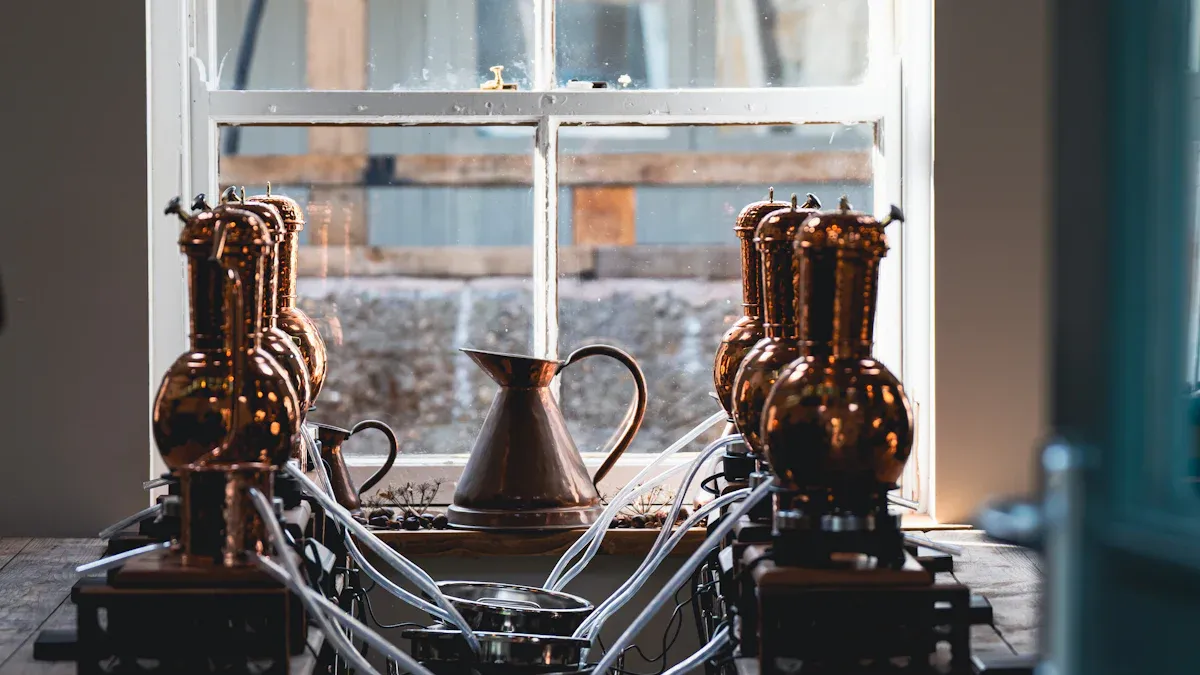
Beer stills open the door to creativity for home distillers. Many people start with a simple recipe, but soon they want to try new things. They experiment with different grains, fruits, and even herbs. This creative freedom helps them make unique spirits that reflect their own tastes.
Home distillers often adapt their equipment to fit their needs. They learn how small changes in the still can change the flavor of the spirit. This hands-on approach encourages learning and growth. Many home distillers feel a sense of pride when they see their first clear spirit. That moment sparks a passion for more experiments and new recipes. Beer stills help people turn their ideas into reality and keep the spirit of innovation alive.
Home distilling is not just about making spirits. It is also about building community and making connections. Home distillers love sharing stories about their first batch or a funny mistake. These stories help others learn and avoid the same errors.
Storytelling builds trust and makes the journey more meaningful. When people share their experiences, they create lasting connections. The act of sharing stories keeps the tradition alive and helps everyone feel like part of something bigger. Community connections make home distilling a rewarding hobby for many.
Beer stills play a big role in family heritage and tradition. Many families treat their recipes and methods as treasured secrets. These recipes often use special yeast or herbs that only the family knows about.
Beer stills help families hold on to their traditions. They give people a way to celebrate their heritage and share it with the next generation. The tradition survives because it means so much to the people who practice it.
Many home distillers remember their first batch with excitement. That first drip of clear spirit from beer stills often marks a turning point. People feel proud and eager to share their results. Some distillers in Oregon talk about the sense of accomplishment they felt when using their COFF beer stills for the first time. They often celebrate by inviting friends and family for tastings or by posting their results online.
“The first time I saw that clear spirit drip, I knew I had done something special,” one distiller shared. These stories show how beer stills help people learn, grow, and connect with others. Each success brings more confidence and sparks new ideas for future batches.
Home distilling is not always easy. Many home distillers face challenges, especially when starting out. Sometimes, a batch does not turn out as planned. Other times, equipment can seem confusing. People often need to adjust recipes or fix small problems with their beer stills.
Home distillers often turn to their community for support. They ask questions in online groups or talk to friends who have more experience. This support helps them solve problems and avoid feeling alone. Over time, these challenges become valuable learning moments. Each mistake teaches something new and helps build skills for the future.
Mentorship plays a big role in home distilling. New home distillers often learn faster when they have someone to guide them. Experienced distillers share tips, answer questions, and offer encouragement. This hands-on learning helps beginners feel more confident and safe.
Tip: Find a mentor or join a local group to get the most out of your home distilling journey. Support for home distillers makes the process more enjoyable and less stressful.
Stories from the community show that support and mentorship can turn a hobby into a lifelong passion. Home distillers often become mentors themselves, passing on what they have learned to others. This cycle of support keeps the tradition of home distilling strong and welcoming for everyone.
Families who practice home distilling often treat their rituals as treasures. These rituals help connect each generation to the past. Many families teach children about the process from a young age. They share not only recipes but also the meaning behind each step. Some families even give their stills special names, often choosing female names. This tradition adds a personal touch and helps everyone feel connected.
These rituals blend folklore, practical knowledge, and a sense of respect for the craft. They help families keep their stories alive and make home distilling a shared experience.
Home distilling looks different around the world. Each region brings its own stories, customs, and ways of learning. Throughout history, people have used alcohol in spiritual and social rituals. Ancient cultures, like those in Mesopotamia and Egypt, included alcohol in their ceremonies. Over time, new distilling methods spread through trade and cultural exchange.
| Country | Cultural Practice and Rituals in Home Distilling and Brewing | Notable Cultural Details |
|---|---|---|
| USA | Families pass down recipes and equipment; legends of bootleggers | Community bonding, adaptation during Prohibition |
| Canada | Family breweries with cross-border traditions | Merging of family histories |
| UK | Generational breweries, blending old and new | Families maintain rituals and knowledge |
| Germany | Early involvement of children; respect for craft | Long generational lines |
| Belgium | Hands-on learning from a young age | Balance of tradition and modernization |
| Australia | Siblings continue family legacy | Scientific and business roles |
| Thailand | Family brewery with global reach | Cultural adaptation |
People often share tips, recipes, and even equipment repairs. Online forums now help distillers connect across regions. These connections help keep traditions strong and allow for learning and growing together.
Stories play a big role in home distilling. They help people remember important lessons and pass down knowledge. When someone shares a story about a mistake or a success, others can learn from it. Storytelling also makes the process more fun and meaningful.
“A good story can teach more than a recipe ever could.”
Distillers often use stories to explain why certain steps matter. They might talk about a time when a ritual protected the family or when a new recipe brought everyone together. These stories help new distillers feel part of a bigger tradition. They also encourage everyone to keep learning and growing.
Home distillers always put safety first. They know that good safety practices protect everyone and make the process more enjoyable. Experts recommend several important steps for safe home distilling:
Tip: Always test new equipment with water before using it for distilling. This helps catch any problems early.
Many home distillers love to experiment. They try new recipes and methods to find what works best. Sometimes, mistakes happen. Distillers like Tony Gugino and Martin Weber learned to add water slowly when proofing spirits. They noticed that adding water too fast caused off-flavors. By making small changes and watching the results, they improved their spirits over time.
Creativity shines when distillers use their senses and experience to make each batch better than the last.
Laws about home distilling are different in each country. It is important to know the rules before starting. Here is a quick look at some major regions:
| Country/Region | Legal Status of Home Distilling | Licensing Requirement | Penalties/Notes |
|---|---|---|---|
| United States | Illegal without federal permit | Federal distilled spirits permit required | Up to 5 years imprisonment or $10,000 fine; state laws may add requirements |
| Canada | Still ownership legal; distilling alcohol requires license | Federal liquor license required | Difficult to obtain; penalties up to 5 years jail and heavy fines |
| United Kingdom | License required for any distilling | License from Revenue and Customs | Up to 5 years jail; heavy fines for illegal distilling |
| Australia | License required but easy to obtain | Free and easy license | Taxes on all spirits made at home; fines up to AUD 85,000 or 2 years jail for illegal distilling |
| New Zealand | Completely legal for personal use | No license required for personal use | Most lenient; unregulated home distilling allowed |
Note: Always check local laws before starting any home distilling project.
Choosing the right beer stills and COFF equipment can shape the future of any home distiller or craft distillery. Many craft distillers look for equipment that matches their unique goals. They want to create high-quality spirits and keep their process smooth and safe.
When picking beer stills, several important factors come into play:
Tip: Craft distillers often choose semi-automatic equipment. This option gives them a balance between hands-on control and efficiency.
The growing popularity of craft distilleries means more people want adaptable and modular beer stills. COFF Machinery offers equipment designed for both beginners and experienced distillers. Their focus on quality, flexibility, and customer support helps distillers create high-quality spirits and build lasting traditions.
Every home distiller needs support on their journey. Many people find help in online groups, local clubs, or even at community events. These places let home distillers ask questions, share tips, and learn from others. A strong community helps everyone feel welcome and safe. People often start with simple equipment and grow their skills with advice from others. Support from experienced home distillers can make the journey less confusing and more fun.
Tip: New home distillers should always check local laws and safety rules before starting. This keeps the journey safe and legal.
The journey into home distilling begins with curiosity and grows with each new batch. Most home distillers start by learning the basics of distillation. They discover that pot distilling keeps flavors, while reflux distilling makes a cleaner spirit. Understanding these methods helps beginners choose the right path. Many find inspiration in family traditions or stories from places like the Appalachian Mountains, where moonshine culture runs deep. Others look to classic techniques, such as French brandy making, for ideas. Mistakes happen, but each one teaches a lesson. Keeping notes on each batch helps home distillers improve over time. They learn to control temperature, measure alcohol strength, and master the mash. The journey is full of small wins and new skills.
Sharing the journey brings people together. Home distillers often invite friends for tastings or post about their experiences online. They create memorable moments by welcoming guests and showing pride in their craft. Some host demonstrations or share tips on social media. These actions help others feel inspired to start their own journey. Personal stories and friendly advice build trust and keep the passion for home distilling alive. Hospitality and support make every journey special.
People find inspiration in the journey of home distilling. They learn new skills, share stories, and connect with others.
A beer still is a piece of equipment that helps people turn fermented liquids, like beer, into spirits. It heats the liquid and collects the alcohol vapor, which then cools and turns back into liquid form.
No, home distilling laws change from place to place. Some countries allow it for personal use, while others require a license. Always check local laws before starting.
Tip: Visit government websites for the most accurate information.
Most people rinse the still with warm water after each use. They may use a mild cleaner for tough spots. Stainless steel and copper parts need regular care to keep spirits tasting great.
Safety always comes first when distilling at home.