


COPYRIGHT © 2022 COFF International Co., ltd. ALL RIGHTS RESERVED


You play a key role in shaping the future of cannabis oil extraction. The global cannabis oil extraction equipment market reached USD 9.6 billion in 2023 and is set to grow fast, driven by rising demand for oils and high-quality extracts.


Choosing the right cannabis oil extraction equipment boosts your efficiency, product quality, and profitability. Advanced extraction equipment helps you deliver consistent, high-quality extracts, meet safety standards, and create premium cannabis oil.
When you use precise extraction equipment, you get better control, higher yields, and safer cannabis oil extraction every time.
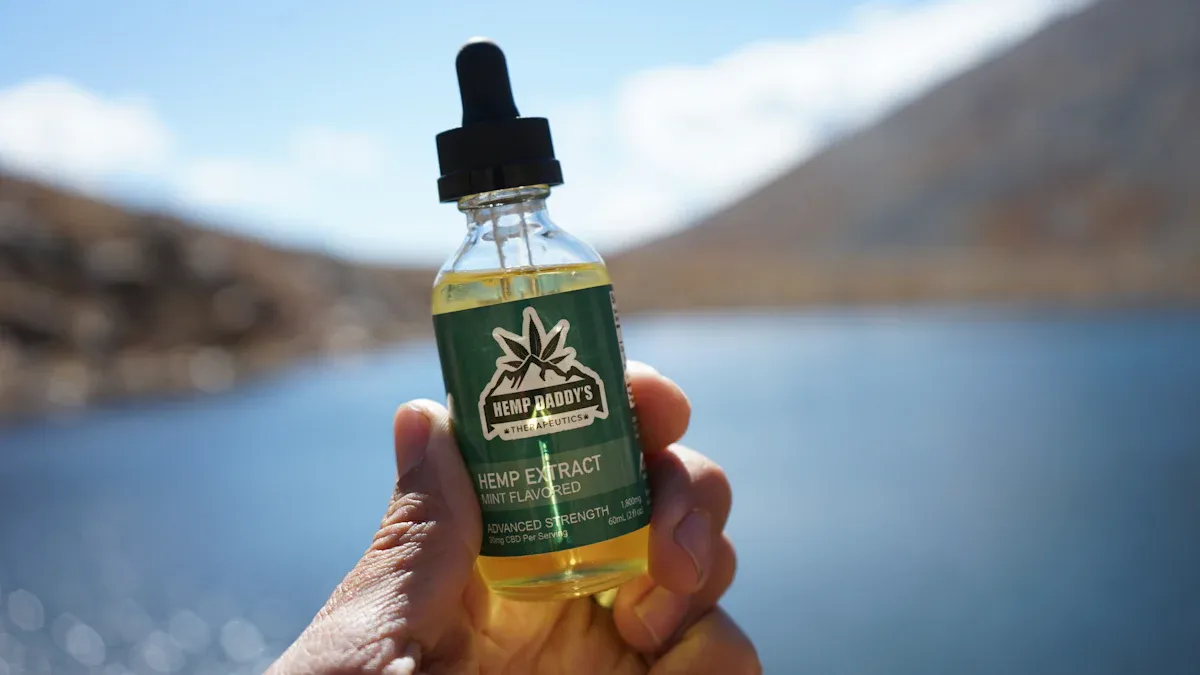
You use cannabis oil extraction equipment to separate valuable oils from cannabis plants. This equipment includes specialized machines and tools that help you collect extracted cannabis oil safely and efficiently. Each part of the system plays a unique role in the cannabis extraction process. The table below shows the main components and their functions:
| Component | Function | Industry Standard / Material |
|---|---|---|
| Automated Screen Monitor | Controls and monitors the operation of the extraction machine | N/A |
| Loading Lids | Air-filled lids that provide secure sealing of the extraction chamber | ASME regulations |
| Carbon Dioxide Cylinder | Supplies CO2 gas used as solvent | N/A |
| Gas Boosters | Liquefy CO2 by increasing pressure | N/A |
| Extraction Cylinders | Hold plant material and solvent during extraction | N/A |
| Reactors | Stainless steel vessels that withstand high pressure for extraction | Stainless steel 316 grade (food & beverage safe) |
| Heat Exchangers | Manage temperature and prevent corrosion during extraction | N/A |
| Liquid CO2 Pumps | Move liquid CO2 under high pressure through the system | N/A |
You rely on these components to ensure the cannabis extraction process meets safety and quality standards. The equipment uses food-grade stainless steel and follows industry regulations, which helps you produce high-quality extracted cannabis oil.
Your choice of cannabis extraction equipment shapes every step of the cannabis oil extraction process. The right equipment lets you control temperature and pressure, which affects how much extracted cannabis oil you get and how pure it is. You can use advanced cannabis extraction equipment to fine-tune your process and target specific cannabinoids in the cannabis plant.
When you select the right cannabis oil extraction equipment, you set yourself up for success in producing top-quality cannabis oil and oils for your customers.
You start the cannabis extraction process by selecting the right plant material. The type of cannabis you use, such as flowers or hash, affects how you prepare it and which equipment you need. Each material needs special steps before extraction. These steps help you get high-quality extracts and improve efficiency.
| Cannabis Material Type | Required Pre-Processing Steps | Impact on Equipment Choice |
|---|---|---|
| Cannabis Flowers | Drying, trimming, grinding to ensure uniformity and optimal moisture content | Necessitates use of buckers, trimmers, drying racks; material packed into extraction columns for solvent-based methods (hydrocarbon, CO2) |
| Hash or Kief | Placed between parchment paper before extraction | Requires rosin press and parchment paper for solventless extraction (rosin pressing) |
Drying and grinding cannabis flowers help solvents interact better with the plant. This step improves extraction efficiency and makes it easier to use equipment like extraction columns and vacuum ovens. If you use hash or kief, you need less processing, but you must use tools like rosin presses and parchment paper. The right pre-processing steps make sure your cannabis extraction equipment works well and gives you the best results.
You must decide what kind of cannabis extract you want to produce. Your goals for potency and product type guide your choice of extraction method and equipment. Each extraction method creates different types of high-quality extracts and affects the final product’s strength and purity.
| Extraction Method | Equipment Characteristics | Potency & Product Specification Impact | Key Considerations |
|---|---|---|---|
| Light Hydrocarbon (Butane, Propane) | Moderate capital cost; requires safe infrastructure | Fast, selective extraction for cannabinoids and terpenes; limited tunability; requires purging to meet solvent residual limits | Purging conditions affect terpene retention; regulatory limits on residual solvents; easier operator learning curve |
| Ethanol Extraction | Low capital cost; food-grade solvent | Less selective; extracts wide range of compounds; often requires post-extraction purification; solvent removal strips volatile aroma compounds | Suitable if aroma retention is less critical; energy-intensive solvent removal; may need additional purification steps |
| Supercritical CO2 Extraction | High capital cost; steep learning curve | Highly tunable via pressure and temperature adjustments; nature-identical extracts; no solvent residues; preserves terpene profiles | No solvent removal needed; allows precise control over extract composition; ideal for high-quality, full-spectrum products |
| Purification Methods | Winterization, Distillation, Chromatography | Winterization removes waxes, increases potency but little effect on color/clarity; Distillation yields high potency, clarity but may degrade bioactives; Chromatography achieves highest purity but removes most other compounds | Choice depends on desired purity, potency, and spectrum; trade-offs between bioactive retention and extract clarity/potency |
You can use closed-loop extraction systems for solvent-based methods. These systems help you recover and recycle solvents. CO2 extraction machines let you control pressure and temperature, so you can fine-tune your extracts. If you want solventless concentrates, you use rosin presses. Filtering equipment, such as vacuum pumps and filter papers, helps you refine your extracts. Storage containers keep your cannabis oil fresh and potent. Your choice of cannabis extraction equipment shapes the quality and potency of your final product.
Tip: Always match your extraction equipment to your desired end product. This step helps you achieve the right potency and purity for your cannabis oil.
You must follow strict rules when you use cannabis extraction equipment. These rules protect you, your staff, and your customers. They also help you produce safe, high-quality extracts. In the United States, Canada, and Europe, you must meet standards for safety, cleanliness, and product quality.
You also need safety gear, such as personal protective equipment, fume hoods, and fire suppression systems. These tools keep your extraction process safe, especially when you use flammable solvents. Following these rules helps you avoid legal problems and keeps your cannabis extraction equipment running smoothly.
When you plan your cannabis extraction operation, you need to think about how much cannabis you want to process. Production scale shapes every decision you make about cannabis extraction equipment. If you run a small business, you might start with a simple solventless machine. These machines can cost around $10,000 and work well for small batches. If you want to process large amounts of cannabis, you need advanced, fully automated equipment. Some commercial supercritical CO2 systems can cost more than $1 million.
Your facility layout also plays a big role. You must make sure your equipment fits into your space. You need to plan for safe movement of cannabis and extracted oil. Good facility design helps you connect your extraction equipment with other steps, like distillation and post-processing. You also need to follow rules for safety and cleanliness.
Here are some important points to consider:
Tip: Always match your cannabis extraction equipment to your production goals, facility space, and budget. Careful planning helps you avoid costly mistakes and keeps your operation running smoothly.
You should also think about future growth. If you plan to expand, choose equipment that can scale up with your business. Some systems let you add more capacity as you grow. This flexibility saves you money and time later.
Budget planning is key. You need to look at the total cost of ownership. This includes the price of the equipment, installation, maintenance, and energy use. High-quality cannabis extraction equipment may cost more at first, but it often lasts longer and works more efficiently.
A well-designed facility with the right equipment helps you produce high-quality cannabis oil. You can meet your production targets, stay safe, and follow all rules. Smart choices now set you up for long-term success in the cannabis industry.
You can use solvent-based extraction methods to separate valuable oils from the cannabis plant. These methods use chemicals or fluids to dissolve cannabinoids and terpenes from the plant material. Common solvents include hydrocarbons like butane and propane, ethanol, and supercritical CO2. Each solvent has its own strengths and weaknesses.
Here is a table showing how different solvents work in cannabis extraction:
| Solvent Type | Typical Use in Cannabis Extraction | Extraction Efficiency and Characteristics |
|---|---|---|
| Hydrocarbons (Butane, Propane) | Used for potent cannabis concentrates and extracts | High efficiency, preserves flavor and aroma, but needs careful purging to remove solvent residues |
| Ethanol | Used for full-spectrum cannabis oil extraction methods | Efficient, extracts many compounds, but may pull unwanted chlorophyll |
| Supercritical CO₂ | Used for clean, selective cannabis extraction | Produces pure extracts, no solvent residue, but needs expensive equipment |
| Methanol & Acetone | Used in research, not for commercial cannabis extraction | Effective for polar compounds, but toxic and not for full-spectrum extracts |
| Water-Based Extraction | Used for solventless extraction methods like ice water hash | Environmentally friendly, but lower yield and not for full-spectrum cannabis extracts |
Solvent-based extraction methods are popular in the cannabis industry because they offer high yields and work well for large-scale production.
Solventless extraction methods do not use chemicals. You use physical actions like heat, pressure, or agitation to separate trichomes from the cannabis plant. Rosin pressing, ice water hash, and dry sift are the main solventless extraction methods. These methods give you pure cannabis concentrates with no solvent residue.
You can use a rosin press to apply heat and pressure to cannabis flowers or hash. Ice water hash uses cold water and agitation to separate trichomes, which you then filter through fine bags. Dry sift involves shaking dried cannabis over screens to collect trichomes. These methods are safe and simple, but they usually produce less cannabis oil than solvent-based extraction methods.
You need to choose the right cannabis oil extraction methods for your goals. Solvent-based extraction methods give you higher yields and work well for large batches. They can produce potent cannabis concentrates, but you must remove all solvent residues for safety. Supercritical CO2 extraction gives you clean, high-quality cannabis extracts, but the equipment costs more.
Solventless extraction methods are safer and better for small-batch or artisanal cannabis concentrates. You get pure products with no chemical residue, but the yield is lower. Water hash and rosin pressing are good for people who want clean, full-spectrum cannabis extracts.
Tip: If you want high output and efficiency, use solvent-based extraction methods. If you value purity and safety, choose solventless extraction methods.
Your choice of extraction methods affects cost, safety, and product quality. You should match your cannabis extraction method to your production needs and the type of cannabis concentrate you want to make.
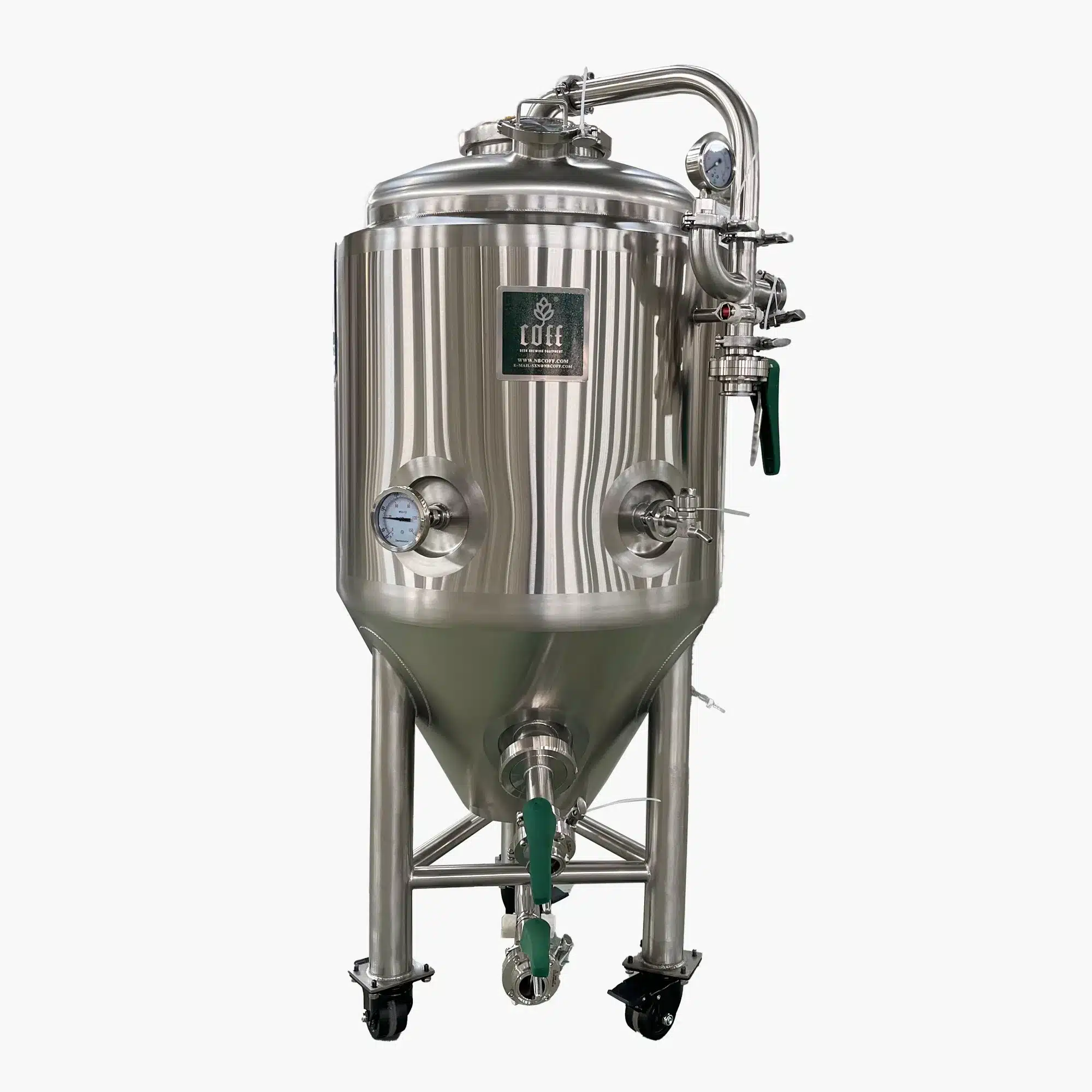
You can use COFF supercritical CO2 extraction systems to produce high-quality cannabis extracts. These systems let you control pressure and temperature, so you can target specific compounds in the cannabis plant. You get pure extracted cannabis oil with no solvent residue. COFF offers models that fit both small and large operations. The equipment uses stainless steel for safety and durability. Built-in safety features, like pressure gauges and safety valves, help protect your staff and facility.
Here is a table showing key technical specifications:
| Component/Specification | Details/Values |
|---|---|
| Extractor Size | Models from 1L up to 200L capacity |
| Working Pressure | Up to 50 MPa (500 bar) |
| CO2 Pump Flow Rate | Up to 1000 L/h at 40 MPa |
| Temperature Control | Up to 75℃; accuracy ±1℃ |
| CO2 Recycling Efficiency | 60% standard; up to 90% with optional pump |
| Safety Features | Safety valves, pressure gauges, UL certified |
| Construction Material | Stainless steel 304 |
You can choose a system that matches your production needs. The high recycling efficiency helps you save on CO2 costs. You get consistent extracted cannabis oil every time.
COFF ethanol extraction equipment gives you fast and efficient cannabis oil extraction. You can recover up to 90% of neutral cannabinoids from cannabis material. This high recovery rate means you get more extracted cannabis oil from each batch. Ethanol extraction works well for large-scale cannabis processing. You may need to refine the crude extract to improve purity, but you can process more cannabis in less time. Hybrid systems that combine CO2 and ethanol can boost your extraction speed and maintain high cannabinoid recovery. You get reliable cannabis oil extraction with this equipment.
Tip: Ethanol extraction equipment is a good choice if you want high throughput and strong cannabinoid recovery.
You can use COFF hydrocarbon extraction units to make potent cannabis extracts. These units work with butane or propane as solvents. Butane gives you a higher yield of cannabinoids, while propane helps preserve more terpenes in the extracted cannabis oil. The equipment includes safety features like automated shutdown and ventilation systems. You must follow strict safety rules because hydrocarbons are flammable. Regular inspections and proper ventilation keep your operation safe.
Here is a quick comparison:
| Feature | Butane | Propane |
|---|---|---|
| Cannabinoid Recovery | Higher yield | Moderate yield |
| Terpene Preservation | Moderate | Excellent |
| Flammability | Flammable | Highly flammable and explosive |
| Safety Mechanisms | Automated shutdown, ventilation | Automated shutdown, ventilation |
You can choose the right hydrocarbon extraction unit based on your product goals. COFF equipment helps you produce high-quality extracted cannabis oil while keeping your facility safe.
You can use COFF solventless extraction machines to produce pure cannabis concentrates without chemicals. These machines use cold water and ice to separate trichomes from cannabis flowers. This process is simple and safe. You do not need to worry about flammable solvents. COFF systems make solventless extraction methods more efficient by adding automation and precise control. You can set the temperature and agitation speed to get the best results every time.
COFF cold water extraction systems use ice water and gentle movement to pull trichomes from the cannabis plant. The machines have features like automated cleaning and filtration with micron bubble bags. You get high-quality cannabis oil extraction that keeps the natural terpene and cannabinoid profiles. These machines work well for both small boutique producers and large commercial operations. You can scale up your production with modular designs. COFF machines also meet safety standards like ASME and CE. You can trust them for safe and reliable cannabis oil extraction.
Note: Solventless extraction methods help you make clean, flavorful cannabis concentrates. You avoid chemical residues and keep your products safe.
You need more than just extraction machines for a smooth cannabis oil extraction process. Ancillary equipment supports every step and helps you get the best results. Here are some key pieces you should consider:
When you connect ancillary equipment with your main extraction system, you improve automation and control. You reduce downtime and keep your process safe. Ancillary equipment also helps you meet quality standards and boost your efficiency. You can make high-purity, potent cannabis oil extraction products that meet industry needs.
When you choose cannabis oil extraction equipment, you need to look for important industry certifications. UL certification is one of the most trusted marks. It shows that your equipment meets strict electrical safety rules. This certification comes from third-party testing and regular checks. If you use equipment with UL, ETL, or CE marks, you can show that your process is safe and reliable. These certifications also help you meet GMP standards, which prove you make high-quality cannabis products every time.
You will also go through several testing phases before you start using your equipment. Here is a table to help you understand these steps:
| Phase | Purpose | Key Activities |
|---|---|---|
| Factory Acceptance Testing (FAT) | Make sure equipment works at the factory | Test performance and design before shipping |
| Site Acceptance Testing (SAT) | Check installation at your facility | Test equipment in real conditions |
| Installation Qualification (IQ) | Confirm correct setup | Check connections and installation |
| Operational Qualification (OQ) | Test how equipment works | Test alarms and safety features |
| Performance Qualification (PQ) | Check performance in real use | Make sure you get the same product quality every time |
You need equipment that is easy to clean and made from safe materials. This helps you keep your cannabis products pure and safe.
You must plan your cannabis facility with care. Think about how much cannabis you want to process now and in the future. If you plan ahead, you can grow your business and avoid problems. Sometimes, supply chain issues can delay your equipment or raise costs. Working with experienced suppliers helps you avoid these risks.
If you do not plan well, you might have to change your production goals or spend more money later. Good planning keeps your cannabis operation running smoothly.
Safety is the most important part of any cannabis extraction process. You need equipment with strong safety features. Look for proper ventilation, gas detectors, and fire suppression systems. These features help prevent accidents and protect your staff.
When you invest in safety, you protect your people, your products, and your business. Regular maintenance and safety checks help you avoid costly problems and keep your cannabis operation safe.
You need well-trained staff to run cannabis oil extraction equipment safely and efficiently. One recommended program is the Cannabis Extraction and Product Development Specialist Certificate from Bergen Community College. This nine-week, online course covers the basics and advanced topics in cannabis extraction, product development, compliance, and operations. The curriculum includes:
Industry experts teach the course, and you receive a certificate recognized by the GF Institute when you finish. This credential helps you stand out in the job market and gives you access to a network of employers. Many students find this training valuable for career growth and expanding their knowledge.
You must keep your equipment clean to ensure product safety and quality. Follow these best practices:
You should also use corrosion-resistant, non-toxic equipment and clean all surfaces daily. Store chemicals properly and keep raw materials in clean, covered containers. Regular maintenance and documentation help you meet safety standards and avoid contamination.
You need strong quality control to produce safe and consistent cannabis oil. Set clear quality standards and create SOPs for every step. Train your staff on these procedures and check their work with regular audits. Use software to track batches, testing data, and equipment maintenance. Keep detailed records, including:
These records help you trace every product, pass audits, and fix problems quickly. Quality control and good record-keeping protect your customers and your business reputation.
You see big changes in cannabis oil extraction as automation becomes more common. Automated process control systems now manage important steps like solvent ratios, temperatures, agitation, filtration, and solvent removal. These systems help you reduce human error and keep each batch consistent. You can use touchscreen controls and real-time monitoring to make your work easier and safer.
Many modern extraction systems, such as closed-loop ethanol units, use automation to maintain ultra-low temperatures and sealed environments. This setup improves purity and safety. You need fewer operators because automated cleaning and solvent recovery steps save time and lower labor costs. With these systems, you can collect better data for process validation and meet strict industry standards. Automation also helps you avoid bottlenecks and makes your operation more efficient.
You benefit from new methods that focus on consistency, yield, and safety. Supercritical CO2 and ethanol extraction systems let you control temperature and pressure with great accuracy. This control helps you get the same cannabinoid profiles and terpene content every time. You can use cryogenic freezers and cryo-ethanol extraction to keep extracts pure and preserve delicate compounds.
Modern filtration systems remove impurities more effectively, giving you cleaner products. Color Remediation Column (CRC) technology filters out waxes and chlorophyll, which improves purity and keeps terpene profiles strong. Closed-loop BHO systems and C1D1 enclosures make your work safer by containing flammable solvents and using emergency shutoffs.
You can now scale up your production without losing quality or safety. These advanced extraction methods help you meet strict regulations and deliver high-quality cannabis oil extraction products to your customers.
Choosing the right cannabis oil extraction equipment shapes your success. See how each aspect matters:
| Aspect | Benefit |
|---|---|
| Product Quality | Pure, consistent oil meets consumer needs and supports premium pricing. |
| Efficiency | Advanced machines reduce waste and lower costs. |
| Safety | Built-in features protect you and your facility. |
| Compliance | Certified equipment helps you follow laws and build trust. |
You should keep your equipment in top shape. Regular training and maintenance lower mistakes and boost reliability. Stay alert to new extraction methods and technology. Automation, AI, and sustainability trends help you stay ahead in a fast-changing market.
You get the safest results with supercritical CO2 extraction. This method uses carbon dioxide instead of flammable solvents. You avoid chemical residues and lower fire risks. Always follow safety rules and use certified equipment.
You should clean your equipment after every batch. Regular cleaning keeps your products safe and high quality. It also helps your equipment last longer. Always follow the cleaning instructions from the manufacturer.
You can use some equipment for different products, but you must clean it well between uses. This prevents cross-contamination. Some machines work best for certain extraction methods or product types.
Look for equipment with UL, CE, or ETL certifications. These show that your equipment meets safety and quality standards. Certified machines help you follow laws and keep your operation safe.