


COPYRIGHT © 2022 COFF International Co., ltd. ALL RIGHTS RESERVED

You want your oil heated brewhouse to run smoothly every day, right? Good upkeep keeps your brewing process safe and efficient. When you follow tips to maintain brewing equipment, you avoid costly breakdowns and keep your product quality high. Here’s what regular maintenance can do for you:
Simple tips and careful attention help breweries stay on track.
Keeping your brewhouse clean is one of the most important things you can do for your brewing equipment maintenance. Clean equipment means better beer, fewer problems, and a safer workspace. Let’s look at some simple routines and tips that help you clean the equipment thoroughly and keep your oil heated brewhouse in top shape.
You want to make daily cleaning a habit. This keeps your brewhouse running smoothly and stops dirt or residue from building up. Here’s a step-by-step routine many breweries follow:
Tip: Don’t skip daily cleaning. Even a small amount of leftover residue can affect your next batch.
Daily cleaning keeps things tidy, but deep cleaning is where you tackle the tough stuff. You should set a regular schedule for deep cleaning, depending on how often you brew. Many breweries do this weekly or after every few batches.
Deep cleaning helps you spot problems early. It also keeps your oil heated brewhouse working at its best. When you clean the equipment thoroughly, you protect your investment and make sure your beer tastes great every time.
Choosing the right cleaning products makes a big difference. For most brewhouse cleaning jobs, caustic solutions like sodium hydroxide (NaOH) or potassium hydroxide (KOH) work well. These break down protein soil and other tough residues. Some breweries add hydrogen peroxide to boost cleaning power, especially before a deep clean.
You can also use caustic cleaners with surfactants and chelators. These additives help the cleaner reach every corner and make rinsing easier. This means you spend less time on acid neutralization.
COFF offers cleaning solutions designed for brewing equipment. These products help you keep your brewhouse spotless and protect your equipment from damage. When you use the right cleaners, you make brewhouse maintenance easier and more effective.
Note: Always follow the manufacturer’s instructions for any cleaning product. This keeps your equipment safe and helps you get the best results.
Oil contamination can ruin your batch and damage your brewing equipment. You want to keep oil where it belongs—inside the heating system, not in your beer. If oil gets into your brewing vessels or fermentation tanks, you could face spoiled flavors, safety risks, and expensive repairs. Let’s talk about how you can stop oil from sneaking into your brewhouse.
Here are some simple ways to prevent oil contamination:
Tip: Always keep a log of your inspections and cleaning routines. This helps you spot patterns and catch problems early.
Common sources of oil contamination in the brewhouse:
| Source | How It Happens | What You Can Do |
|---|---|---|
| Leaky seals | Old or damaged gaskets | Replace seals regularly |
| Faulty connections | Loose or corroded fittings | Tighten and inspect often |
| Overfilled oil tanks | Spills during refilling | Fill slowly and carefully |
| Poor cleaning habits | Oil left after maintenance | Clean up every spill |
You want to prevent contamination in fermentation tanks at all costs. Oil in your fermentation process can ruin the taste and quality of your beer. Always double-check that oil lines and brewing vessels stay separate. If you ever notice an oily smell or film in your tanks, stop brewing and investigate right away.
Note: If you’re unsure about a leak or contamination, call a professional. Quick action saves your equipment and your beer.
Keeping oil out of your brewing process means better beer and safer equipment. Stay alert, follow these steps, and enjoy smooth brewing every time.
You want your brewhouse to work well every day. Routine inspection and maintenance help you catch problems early and keep your brewing equipment in top shape. Let’s break down the steps you should follow to keep your oil heated brewhouse running smoothly.
You can spot many issues just by looking closely at your brewing equipment. Visual checks help you find leaks, corrosion, and wear before they turn into big problems. Here’s a checklist you can use:
Tip: Keep a log of your inspections. Write down what you see and any repairs you make. This helps you track patterns and plan regular maintenance.
Here’s a quick table showing reliable ways to detect leaks and corrosion in your oil heated brewhouse:
| Method | Description |
|---|---|
| Visual Detection | Smoke appears when hot fluid meets air. The amount of smoke changes with leak size and temperature. |
| System Maintenance | Regular checks of flanges and seals prevent leaks. Re-torque and seal as needed. |
| Integrity Testing | Test heat exchangers and other parts to find leaks before they get worse. |
You want to clean the equipment thoroughly during each inspection. Cleaning helps you see problems clearly and keeps your brewhouse safe.
Oil keeps your brewhouse heated and efficient. You need to check oil quality and levels often to avoid breakdowns and keep your brewing process steady. Here are some tips for monitoring oil:
Note: Always use the oil type recommended by your equipment manufacturer. Using the wrong oil can damage your brewhouse.
Regular maintenance of oil quality keeps your brewing equipment working well. Clean oil means better heat transfer and safer brewing.
Filters and pumps help your brewhouse run smoothly. If you take care of these parts, you avoid clogs and keep your brewing process efficient. Here’s how you can maintain them:
Tip: Cleaning filters and pumps regularly saves you time and money. You get better brewing results and fewer surprises.
Breweries that follow these steps enjoy reliable brewhouse performance. Clean equipment, steady oil flow, and strong pumps keep your brewing process on track. Make these checks part of your routine, and you’ll see the benefits in every batch.
Spotting leaks and corrosion in your brewhouse early can save you a lot of trouble. You want to keep your brewing equipment safe and your beer tasting great. Let’s talk about how you can find problems before they get out of hand.
Leaks can show up in different places. You might see a small puddle under a pipe or notice a wet spot near a valve. Sometimes, you smell something odd or see steam where it shouldn’t be. Here are some signs you should watch for:
Tip: If you spot a leak, act fast. Even a tiny leak can turn into a big problem if you ignore it.
Corrosion eats away at metal parts. You might see orange or brown spots on your tanks or pipes. Sometimes, the metal looks rough or flaky. Corrosion can weaken your equipment and cause leaks. Here’s what you should look for:
You can use a flashlight to check hard-to-see areas. Shine the light along pipes and valves. Look for any changes in color or texture.
You want to make inspections part of your routine. Here’s a quick checklist to help you stay on track:
| Area to Inspect | What to Look For | What to Do If You Find a Problem |
|---|---|---|
| Pipes and Valves | Drips, rust, discoloration | Tighten, clean, or replace |
| Tanks | Spots, flakes, dents | Clean and check for weakness |
| Oil Lines | Wet spots, stains | Wipe up and check connections |
| Fittings and Seals | Moisture, loose parts | Replace or reseal |
You can stop leaks and corrosion before they start. Keep your equipment clean and dry. Use high-quality seals and gaskets. Schedule regular checks and write down what you find. If you notice a change, fix it right away.
🚨 Alert: Never ignore a leak or signs of corrosion. Quick action keeps your brewhouse safe and your beer tasting fresh.
If you ever feel unsure about what you see, call a professional. They can help you fix problems and keep your brewing process running smoothly.
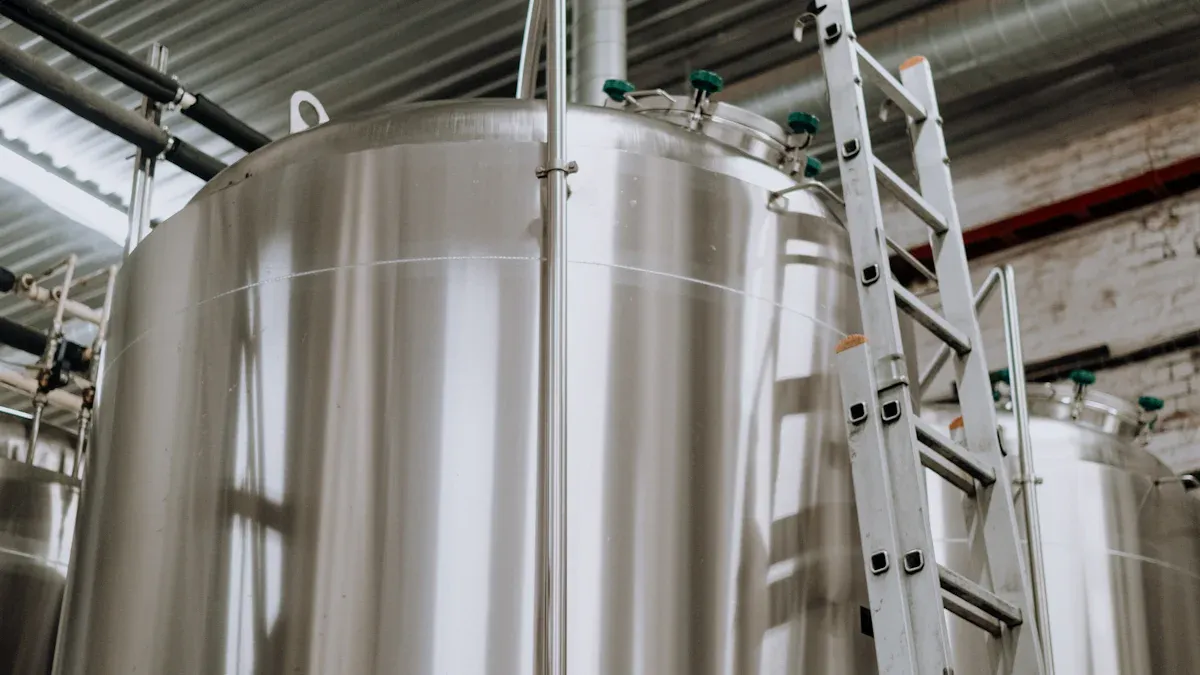
You want your brewery boiler to work hard every day. Regular boiler maintenance keeps your heating source reliable and safe. Here are some simple steps you can follow:
Tip: Write down every maintenance task in a log. This helps you track patterns and plan future repairs.
Valves and pipes keep your oil heated brewhouse safe and efficient. You need to check these parts often. Here’s what you should focus on:
| Valve/Pipe Care Task | Why It Matters |
|---|---|
| Pressure control check | Prevents overheating |
| Relief valve test | Stops dangerous pressure |
| Oil sampling | Detects contamination |
| Lubrication | Reduces wear and tear |
Your heat exchanger needs regular cleaning to stay efficient. Dirty exchangers slow down your brewing process and can cause problems. Here are some ways to keep it clean:
COFF’s equipment helps you maintain these components with high-quality, energy-efficient solutions. Their CIP systems automate cleaning, so you spend less time worrying about hygiene and more time brewing great beer.
🚨 Note: Clean equipment means better beer and fewer breakdowns. Make cleaning part of your regular routine.
You want your brewhouse to last for years, right? COFF gives you the tools to protect every part of your oil heated system. When you use COFF’s products, you keep your brewing equipment safe from wear, corrosion, and contamination.
COFF designs cleaning solutions and protective systems just for craft breweries. You get products that work with stainless steel tanks, pipes, and heat exchangers. These solutions help you clean, sanitize, and shield your equipment from damage.
Here’s how COFF helps you protect your brewhouse components:
Tip: Always follow COFF’s instructions for each product. You get the best results and keep your warranty safe.
Check out this quick table showing how COFF products protect different parts of your brewhouse:
| Component | COFF Solution | Benefit |
|---|---|---|
| Tanks | Cleaning agents | Removes buildup |
| Pipes | CIP systems | Fast, thorough cleaning |
| Heat Exchangers | Anti-corrosion spray | Stops rust |
| Oil System | Filters & seals | Prevents contamination |
You want to keep your brewing process smooth and your beer tasting great. COFF makes it easy to protect your investment. When you use COFF for component protection, you spend less time fixing problems and more time brewing.
🛡️ Note: Regular use of COFF products means fewer breakdowns and longer equipment life. Your brewhouse stays safe, clean, and ready for every batch.
You need to know how to act fast if something goes wrong in your brewhouse. Emergency shutoff procedures keep you and your team safe. First, learn where all shutoff switches and valves are located. If you spot a leak or smell something strange, hit the emergency stop button right away. This cuts power to pumps and heating systems. Next, close the main oil supply valve. This stops oil from flowing and lowers the risk of fire. Always alert your coworkers and follow your workplace safety plan. Quick action can prevent accidents and protect your brewing equipment.
Tip: Practice emergency shutoff drills with your team. This helps everyone stay calm and know what to do during a real emergency.
Fire safety is a top priority in any oil heated brewhouse. You want to keep your workspace safe and avoid dangerous situations. Here are some safety tips you should follow:
If you follow these tips, you lower the chance of fire and keep your brewhouse safe for everyone.
You want your team to know how to handle every situation. Staff training is key for brewhouse safety and smooth maintenance. Training programs teach your staff how to spot problems, use new equipment, and fix issues quickly. Here’s a table showing why staff training matters:
| Training Aspect | Benefit |
|---|---|
| Minimizes Human Error | Reduces accidents caused by human mistakes through refreshed knowledge. |
| Updated Skills | Ensures staff can operate new technology effectively and safely. |
| Increased Boiler Lifespan | Preventive maintenance training extends the operational life of boilers. |
| Faster Repair in Breakdown | Trained staff can quickly identify issues and request timely repairs. |
Regular training keeps your team sharp and ready. You get better results and fewer accidents. When you invest in staff training, you build a culture of safety and care in your brewhouse.
You want to keep yourself and your team safe every time you step into the brewhouse. Personal Protective Equipment, or PPE, helps you do just that. You might wonder what gear you need and how to use it. Let’s break it down so you can follow the best safety tips for your oil heated brewhouse.
First, you should know that PPE protects you from burns, spills, and sharp objects. You need to wear the right gear for every task. Here’s a quick list of PPE you should have ready:
Tip: Always check your PPE before you start work. Look for cracks, tears, or worn-out parts. Replace damaged gear right away.
You want to make sure everyone knows how to use PPE correctly. You can set up a simple training session for your team. Show them how to put on gloves, adjust goggles, and wear boots. Practice makes perfect, and it helps everyone remember the rules.
Here’s a table to help you match PPE to common brewhouse tasks:
| Task | Recommended PPE |
|---|---|
| Handling hot vessels | Heat-resistant gloves |
| Cleaning tanks | Goggles, boots, gloves |
| Working with chemicals | Face shield, apron |
| Moving heavy items | Steel-toe boots, gloves |
You want to keep PPE clean and stored in a dry place. Dirty or wet gear won’t protect you as well. You should wash gloves and aprons after each use. Hang up goggles and face shields so they don’t get scratched.
Brewhouse safety starts with you. When you use PPE every day, you lower the risk of accidents and injuries. You set a good example for your team and help everyone stay safe. Remember, safety is not just a rule—it’s a habit that keeps your brewhouse running smoothly.
You might notice your brewhouse does not heat up as fast as it should. This can slow down your brewing and affect your beer. Heating inefficiencies often come from a few common problems:
To keep your brewery boiler running well, clean and maintain the furnace often. Watch the air-to-fuel ratio. If it is off, your system wastes energy. Insulate the furnace and the area around it. This keeps heat from escaping. These tips help you get the most out of your brewhouse maintenance routine.
Tip: Regular cleaning and checking your equipment can prevent carbon buildup and keep your brewing process smooth.
Strange noises or smells in your brewhouse can signal trouble. If you hear banging, hissing, or whistling, check your brewery boiler and pipes. These sounds might mean you have a leak or steam trap leaks. Sometimes, you need to address steam trap leaks right away to avoid bigger problems.
A burnt smell could point to oil overheating or a problem with your exchanger. If you smell something odd, stop brewing and inspect your system. Look for leaks, loose fittings, or signs of overheating. Quick action keeps your brewhouse safe and your beer tasting great.
Pressure changes in your oil heated system can cause headaches. You want steady pressure for safe brewing. Here’s a simple checklist to help you fix pressure problems:
Note: Fix steam and water leaks as soon as you find them. This keeps your system safe and helps with boiler maintenance.
When you follow these steps, you keep your brewhouse running smoothly and avoid costly repairs.
When something goes wrong in your brewhouse, you might want to fix it fast. Quick fixes can help you keep brewing, but they do not always solve the real problem. You need to know when to use a quick fix and when to plan for a long-term solution.
Quick Fixes
Quick fixes are simple actions you take to keep your brewhouse running. These do not take much time or money. Here are some examples:
⚡ Tip: Quick fixes help you finish your brew day, but you should not rely on them for every problem.
Long-Term Solutions
Long-term solutions fix the root cause. These take more planning, but they keep your equipment safe and reliable. Here are some examples:
| Problem | Quick Fix | Long-Term Solution |
|---|---|---|
| Leaky valve | Tighten fitting | Replace valve and gasket |
| Dirty filter | Rinse filter | Upgrade to better filter |
| Oil contamination | Wipe up spill | Install new seals and filters |
You want to use quick fixes only when you need to keep things moving. For lasting results, invest in long-term solutions. This keeps your brewhouse safe, efficient, and ready for every batch. Remember, a little extra care today saves you big problems tomorrow!
Sometimes, you need to call in an expert for your oil heated brewhouse. You can handle many daily tasks, but some problems need a professional touch. Knowing when to ask for help keeps your brewhouse safe and your beer tasting great.
You might notice small issues, but some signs mean you should stop and call a pro right away. Watch for these warning signs in your brewhouse:
🚨 If you see any of these signs, stop brewing and call a professional. Quick action protects your equipment and your team.
Some repairs go beyond simple fixes. You might need a professional for these jobs:
A professional brings the right tools and experience. You get repairs done right the first time, which saves you time and money.
Regular checkups from a qualified service provider keep your brewhouse running smoothly. You should schedule professional maintenance at least once a year. Here’s what to look for when choosing a service provider:
A pro will check your brewery boiler, test for leaks, inspect your fermentation tanks, and make sure your safety systems work. You get peace of mind and fewer surprises during brewing.
🛠️ Tip: Keep a log of all professional visits and repairs. This helps you track your brewhouse maintenance and spot patterns over time.
You want your oil heated brewhouse to run smoothly, so picking the right service provider matters. Not every company offers the same level of skill or care. You need someone who understands your equipment and values your business.
Here’s how you can spot a qualified service provider:
Check Experience
Look for companies with years of hands-on work in oil heated brewhouses. Ask if they have worked with systems like yours before. Experience means fewer mistakes and faster solutions.
Ask for References
Good providers have happy customers. Ask for references or read online reviews. If other brewers trust them, you probably can too.
Review Certifications
Qualified technicians should have up-to-date certifications. These show they know the latest safety rules and best practices.
Evaluate Communication
You want a provider who answers your questions and explains things clearly. Good communication builds trust and helps you learn more about your own system.
Check Response Time
Fast help matters when you have a problem. Ask how quickly they can respond to emergencies or schedule regular maintenance.
🛠️ Tip: Choose a provider who offers both emergency repairs and scheduled checkups. This keeps your brewhouse safe all year.
Here’s a quick table to help you compare service providers:
| Criteria | What to Look For |
|---|---|
| Experience | Years in the brewing industry |
| Reputation | Positive reviews and references |
| Certifications | Proof of technical training |
| Communication | Clear, friendly, and helpful |
| Response Time | Quick emergency and routine visits |
Many brewers trust COFF for their expertise and customer service. COFF’s team knows oil heated brewhouses inside and out. You get reliable support and peace of mind every time you call.
Choosing the right service provider means fewer headaches and better beer. Take your time, ask questions, and pick a partner who cares about your success.
You want your oil heated brewhouse to run at its best every day. Regular brewhouse maintenance keeps your equipment safe and helps you brew great beer. When you clean, inspect, monitor, train your team, and troubleshoot, you avoid costly repairs and keep your brewhouse working smoothly. Take a look at how these steps help you:
| Evidence Type | Description |
|---|---|
| Cost Prevention | Regular maintenance stops expensive breakdowns in your brewhouse. |
| Safety Hazards | Good brewhouse maintenance lowers the risk of accidents and keeps you safe. |
| Performance Monitoring | Checking gauges helps your brewhouse stay in top shape. |
| Scale Prevention | Weekly cleaning keeps your brewhouse free from buildup. |
Ongoing care brings long-term benefits for your brewhouse:
| Benefit | Description |
|---|---|
| Extended Equipment Lifespan | Your brewhouse lasts longer with regular maintenance. |
| Energy Efficiency | You save money when your brewhouse runs efficiently. |
| Enhanced Indoor Air Quality | Clean brewhouse means a healthier place to work. |
| Compliance | You meet safety rules and avoid trouble. |
| Cost Savings | Fewer repairs mean more money for your brewhouse. |
Stay proactive and keep your brewhouse in top condition. Your hard work pays off with better beer, safer brewing, and a reliable brewhouse.
You should clean your brewhouse every day. Deep cleaning works best once a week or after several batches. Regular cleaning keeps your equipment safe and your beer tasting great.
Look for cracks, strange noises, or oil leaks. If your boiler overheats or you see steam where it shouldn’t be, stop brewing and call an expert. Quick action protects your equipment.
No, you should use brewery-approved cleaners. These products remove tough residues and protect your equipment. Dish soap can leave behind unwanted smells or flavors.
You need heat-resistant gloves, safety goggles, non-slip boots, and flame-retardant aprons. Always check your gear before you start work. Clean and store PPE in a dry place.
Check seals and gaskets often. Clean up spills right away. Use drip trays under oil-heated parts. Keep oil lines and brewing vessels separate. Record inspections in a log for safety.