

COPYRIGHT © 2022 COFF International Co., ltd. ALL RIGHTS RESERVED


Picking professional distilling equipment shapes your business from the start. You want tools that match your long-term goals and the type of spirits you plan to craft. The right choice helps you create better products and run your operations smoothly. When you invest wisely now, you set yourself up for growth and fewer headaches later.
Tip: Think about how your needs might change as your business grows.
Before you pick any equipment, you need a clear vision for your distillery. Ask yourself what you want your business to look like in five or ten years. Do you plan to stay small and local, or do you dream of growing into a well-known brand? Many successful distilleries focus on:
You should also think about where you’ll set up shop. Pick a spot close to your raw materials, like malt or water, to keep quality high and costs low. Make sure your space has good ventilation and enough room for your equipment and storage. Don’t forget about logistics—easy access for deliveries and shipping helps your business run smoothly.
The type of spirits you want to make will shape your equipment choices. Pot stills work best for full-flavored spirits like whiskey or rum. They give you more control over flavor, but you’ll need to clean and refill them after each batch. Column stills, on the other hand, are great for lighter spirits like vodka or gin. They run continuously and are more efficient, but they don’t create as much flavor complexity.
If you want flexibility, hybrid systems combine the best of both worlds. The material matters too—copper is great for removing impurities and adding character, while stainless steel offers durability and easy cleaning.
Every distillery must follow strict rules. You’ll need to check local, state, and federal laws before you buy professional distilling equipment. Make sure your space meets safety standards and has proper ventilation. Plan for workflow efficiency and employee safety. Good planning now helps you avoid costly changes later and keeps your business running smoothly.
Tip: Talk to experts or consultants who know the rules in your area. They can help you design a setup that meets all requirements.
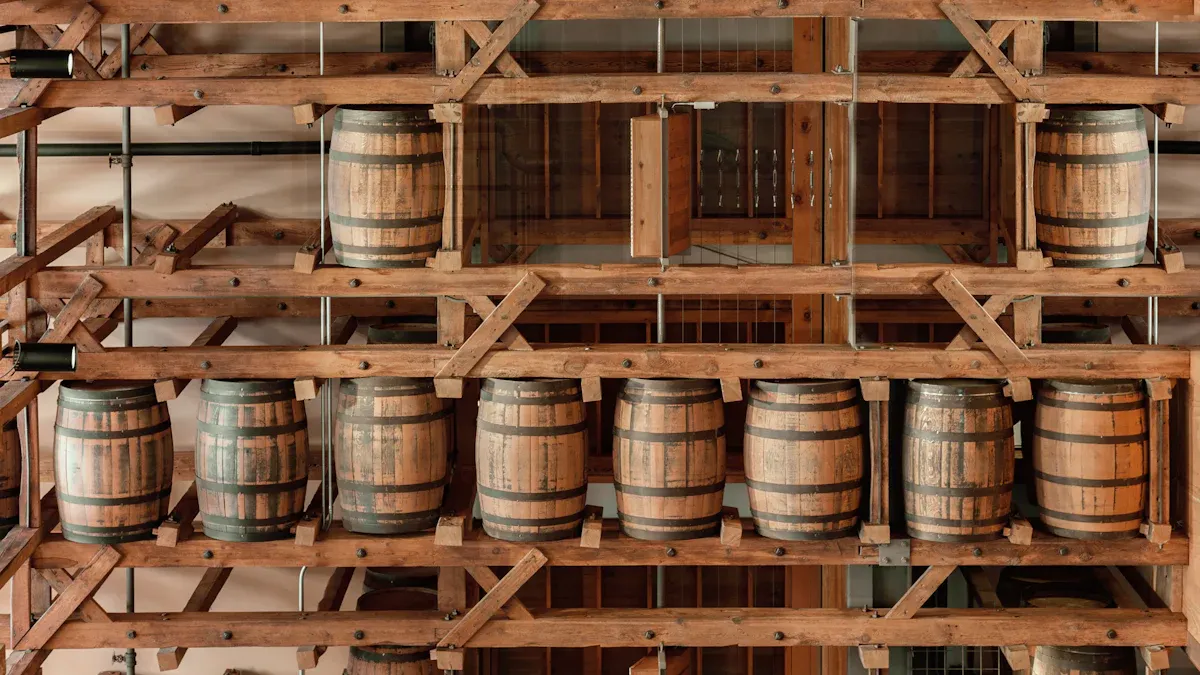
Choosing between pot stills and reflux stills shapes the flavor and style of your spirits. Pot stills work best if you want rich, complex flavors. They keep more of the natural aromas and congeners in your spirit. You often see pot stills used for whiskey, brandy, and some types of rum. These stills usually need more than one run to reach higher alcohol levels, but they give you a smoother, fuller taste.
Reflux stills, also called column stills, focus on purity and efficiency. They strip out most flavors, leaving you with a clean, neutral spirit. This makes them perfect for vodka and gin. Reflux stills can run continuously and use less energy per bottle. You get higher alcohol strength in a single run, which saves time and effort.
Here’s a quick look at how they compare:
| Aspect | Pot Stills | Reflux Stills |
|---|---|---|
| Flavor Profile | Rich, full, keeps flavors and aromas | Neutral, clean, removes most flavors |
| Alcohol Strength | 25-60% ABV after one run | Up to 96.4% ABV possible |
| Distillation Runs | Needs multiple runs for purity | Single run, multiple stages inside the column |
| Efficiency | Less efficient, batch process | More efficient, can run continuously |
| Typical Spirits | Whiskey, brandy, rum | Vodka, gin, fuel ethanol |
| Volume vs Strength | More volume, lower strength | Less volume, higher strength |
| Complexity | Simple design, more hands-on work | More complex, less manual work |
| Flexibility | Best for batch style | Adjustable for different purity levels |
Tip: If you want to make both flavorful and neutral spirits, consider a hybrid still. It combines features from both pot and reflux stills, giving you more options as your business grows.
The material you pick for your still matters just as much as the type. Copper and stainless steel each bring something special to the table.
Copper heats up fast and spreads heat evenly. It reacts with sulfur in your mash, removing bad smells and tastes. This makes your spirit smoother and more pleasant. Many traditional distillers use copper for whiskey, rum, and gin. Copper is easy to shape and repair, but it needs regular cleaning to prevent green-blue buildup. It costs more and can dent or scratch if you’re not careful.
Stainless steel stands out for its strength and easy care. It resists rust and is simple to clean. Stainless steel costs less than copper and lasts longer. It does not remove sulfur, so some distillers add copper mesh inside the column to get the best of both worlds. Stainless steel works well for large tanks and columns, especially if you want a low-maintenance setup.
Here’s a side-by-side comparison:
| Aspect | Copper | Stainless Steel |
|---|---|---|
| Heat Conductivity | Heats up quickly and evenly | Slower to heat, less responsive |
| Sulfur Removal | Removes sulfur, improves flavor | Does not remove sulfur |
| Durability | Softer, needs more care | Tough, resists damage |
| Cost | Higher price | Lower price |
| Workability | Easy to shape and fix | Harder to shape, best for pre-made parts |
| Maintenance | Needs regular cleaning | Easy to clean, less work |
| Flavor Impact | Makes spirits smoother and tastier | May leave harsher notes if used alone |
| Common Use | Pot stills for whiskey, rum, gin | Boilers, columns, or combined with copper mesh |
Note: Many distilleries use a mix of both materials. You might see a stainless steel body with copper parts inside to balance cost, durability, and flavor.
You have many choices when it comes to professional distilling equipment from COFF. If you want to start small or focus on rich, flavorful spirits like whiskey or brandy, COFF offers pot stills that bring out the best in your recipes. These are great for craft distilleries and small batches.
If you plan to make high-proof spirits or need to produce large volumes, COFF’s column stills (including Coffey stills) deliver efficiency and purity. These stills work well for vodka, gin, and other neutral spirits. They save you time and energy, especially if you want to scale up production.
COFF also provides hybrid stills. These combine the benefits of pot and column stills, so you can switch between different spirit styles as your business grows. You can choose from copper, stainless steel, or a mix of both, depending on your needs. COFF’s modular systems let you start with a basic setup and add more features later, like reflux columns or gin baskets. This flexibility helps you match your equipment to your goals and budget.
COFF’s expert team can help you pick the right setup, whether you’re just starting out or ready to expand. You get equipment that fits your spirit type, production scale, and long-term plans.
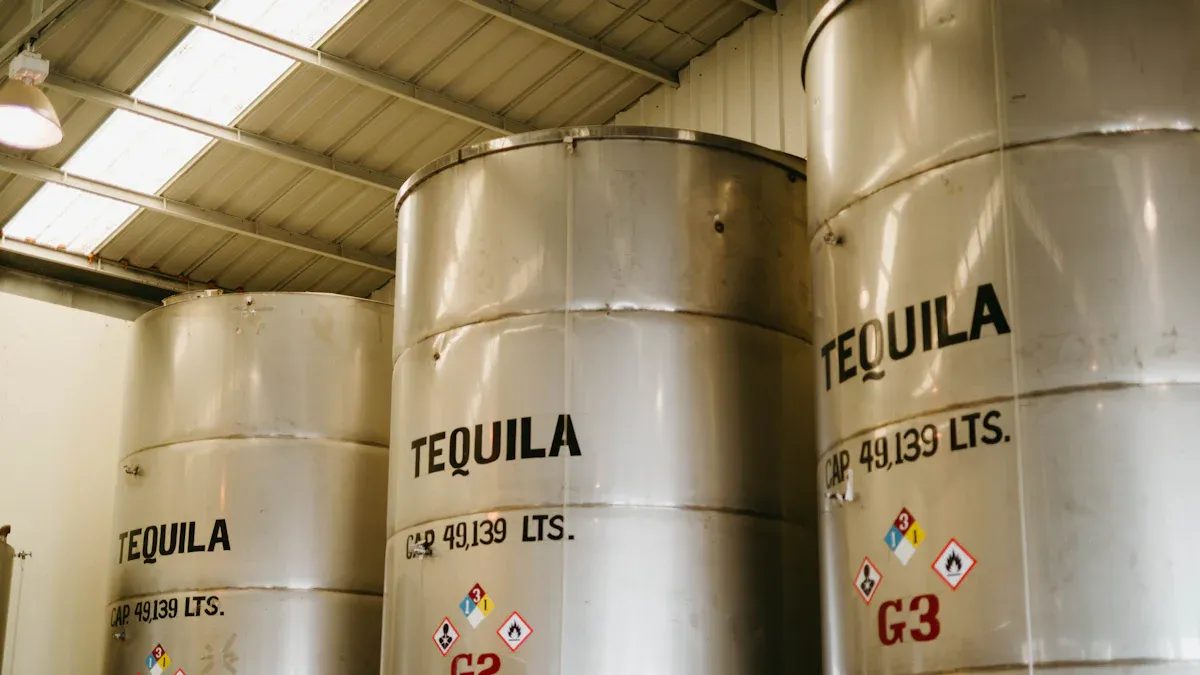
Getting the right size for your distilling equipment starts with knowing how much you want to make now and in the future. You need to look at your current demand and think about how your business might grow. Many distilleries use a simple process to figure this out:
Tip: Do not let your building size limit your dreams. Pick a location that lets you expand when you need to.
You want your distillery to grow without big headaches. Planning for scalability means you can boost production when demand rises. Here are some best practices to help you plan for growth:
A phased approach works well. Start with a readiness check and market research. Next, set up scalable systems and hire key staff. Then, expand your production and team. Finally, focus on making your operations the best they can be.
Note: Good planning keeps your quality high and your business running smoothly, even as you grow.
Sizing mistakes can cost you time and money. Here are some common pitfalls and how to avoid them:
| Mistake | How to Avoid It |
|---|---|
| Too-small equipment | Use a 10-year production forecast |
| Too-large equipment | Match size to real demand projections |
| No room to expand | Pick a site with space for growth |
| Poor workflow | Plan your layout before you buy |
| Compliance issues | Check rules before finalizing plans |
Callout: Always talk to equipment experts before you buy. They can help you pick the right size and avoid costly errors.
Choosing the right sizing and capacity for your professional distilling equipment sets you up for long-term success. When you plan ahead, you can grow your business with confidence.
You want your distillery to run smoothly every day. Easy cleaning and simple maintenance help you save time and keep your spirits tasting great. Many top distillers look for these features:
You should also follow a regular cleaning routine. This often includes emptying, rinsing, degreasing, disinfecting, and rinsing again. Monthly deep cleaning keeps your equipment in top shape. Regular checks and lubrication of moving parts prevent wear and tear. When you keep your equipment clean, you protect your investment and make sure every batch meets your standards.
Modern distilleries use smart control systems to make work easier and more reliable. Automation lets you set recipes and start processes with the push of a button. You get steady results every time because the system controls temperature, timing, and ingredient amounts with high accuracy.
Here are some benefits you can expect:
You can choose from manual controls to fully automated systems, depending on your needs. Many professional distilling equipment options let you scale up as your business grows.
Every distillery is unique. You might want to start small and add more equipment later. Modular systems make this easy. You can add tanks, columns, or special features as your needs change.
Custom options let you pick the right size, shape, and controls for your space and spirit style. Many suppliers offer flexible designs, so you can build a setup that fits your goals. This way, you avoid buying new equipment every time your business grows. You get a system that works for you now and in the future.
When you look at professional distilling equipment, the price tag can seem high. But the real cost goes beyond what you pay on day one. You need to think about how much it will cost to run, clean, and maintain your equipment over the years. Some equipment may need more cleaning or repairs, which can add up. If you choose high-quality materials like stainless steel, you get longer life and fewer problems with corrosion or residue buildup. Regular maintenance, like cleaning heating surfaces and replacing worn parts, helps you avoid big repair bills and keeps your spirits tasting great.
Tip: Plan for scheduled maintenance and quick access for cleaning. This saves you time and money in the long run.
Buying professional distilling equipment is a big step, but you have options to make it easier. Many new distilleries use different ways to pay for their equipment:
These choices help you manage your money, keep your business running, and plan for growth. When you spread out payments, you can invest in better equipment and see a faster return as your production grows.
Picking the right supplier matters as much as picking the right still. You want a partner who stands by their products and supports you as you grow. Here’s what to look for:
COFF stands out for its focus on quality, customer care, and long-term partnerships. You get equipment that lasts and a team ready to help you succeed.
Choosing the right equipment shapes your distillery’s future. You want tools that match your goals, spirit style, and plans to grow. Experts suggest you look for quality, easy maintenance, and strong supplier support. Many distilleries use precision tools and regular checks to keep things running smoothly. If you need a custom quote, just reach out to a trusted supplier like COFF. Their team will guide you through every step.
Start with equipment that matches your current production goals. Think about how much you want to make now. Plan for growth, but don’t buy too big. You can always add more tanks or upgrade later.
You should clean your equipment after every batch. Regular cleaning keeps your spirits tasting great and your equipment running well. Deep cleaning once a month helps prevent buildup and keeps everything in top shape.
Yes, you can use a hybrid still for different spirits. Just make sure you clean it well between batches. This helps you avoid mixing flavors and keeps each spirit tasting its best.
Look for pressure relief valves, temperature sensors, and emergency shut-off switches. These features help keep you and your team safe during every run.