


COPYRIGHT © 2022 COFF International Co., ltd. ALL RIGHTS RESERVED


You want the best for your breweries. When choosing the right heating system, you look for quality, efficiency, and safety. Many breweries prefer an oil heated brewhouse because it offers precise temperature control, strong energy efficiency, and lower maintenance costs. These systems help you keep beer quality high and support growth as your breweries expand. COFF leads the industry with advanced oil heated brewhouse solutions, giving you reliable support and lasting value.
As one of the leading craft brewing equipment manufacturers, Coff can provide nano brewery with high-quality ice water extraction machine 、 stainless brewing equipment and solutions.
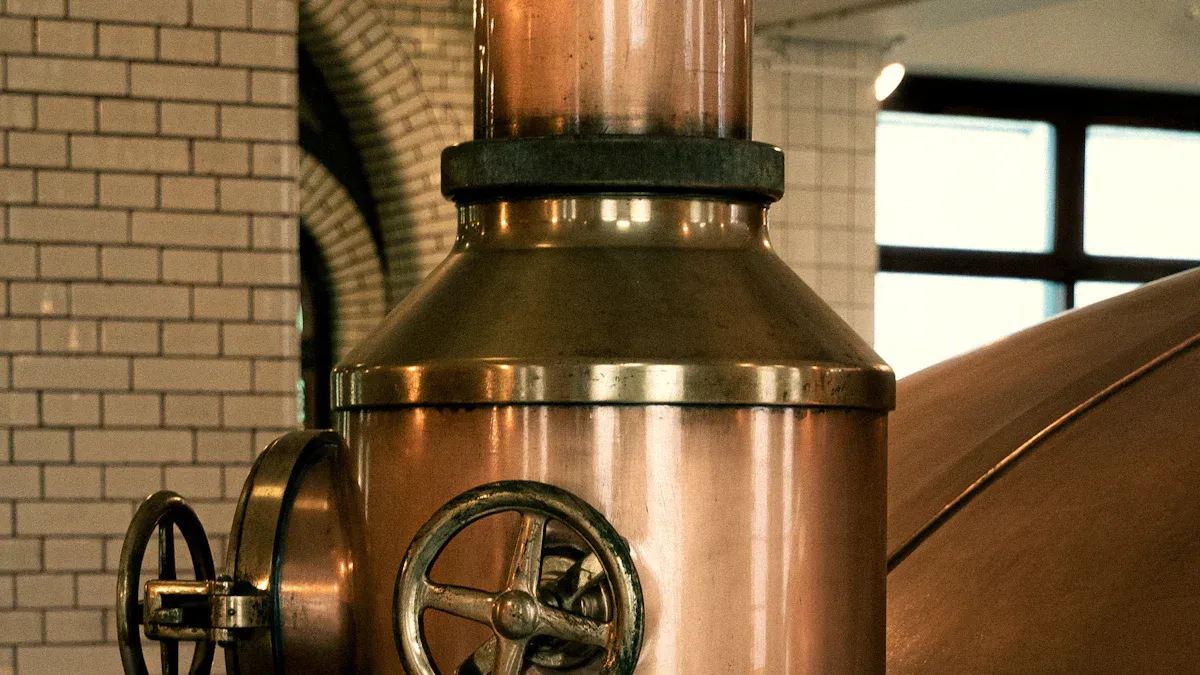
You want to choose the right brewhouse for your small brewery. Oil heated and steam heated brewhouses have important differences. Here are the main points you should know:
Tip: If you want to reduce your energy use and simplify your brewing process, consider an oil heated brewhouse from COFF.
| Aspect | Oil Heated Brewhouse | Steam Heated Brewhouse |
|---|---|---|
| Cost | Lower installation cost; modular and compact design | Higher initial investment due to boilers, piping, and control systems |
| Efficiency | Higher energy efficiency (up to 25% higher); lower power requirements; fast heating | High energy efficiency; even heat distribution; possible heat loss during steam transfer |
| Installation | Skid mounted; easy setup; single electrical, water, and drain connections | Complex setup; needs boiler, piping, and water supply |
| Maintenance | Simple; no boiler or water chemistry management; oil change every three years | Complex; requires licensed operators; regular inspections and water management |
| Safety | No pressurization; safer operation; less supervision needed | Requires licensed boiler operator; higher pressure; more supervision |
| Beer Quality | Consistent results; precise temperature control | Even heating; good for a wide range of beer styles |
| Scalability | Ideal for small breweries; easy to expand with modular units | Suitable for larger breweries; flexible for different batch sizes |
COFF stands as the founder and innovator of oil heated brewhouse technology. You benefit from years of research and a deep understanding of brewing equipment. When you choose an oil heated brewhouse, you gain a system designed for efficiency, safety, and long-term savings.
You want to keep your brewery’s costs low. An oil heated brewhouse helps you achieve this goal. You avoid the high upfront investment that comes with steam systems. You do not need to buy a separate boiler or pay for complex piping. This means you save money from the start. You also see savings in your daily operations. Oil heated brewhouses use energy more efficiently, so you spend less on utilities. You do not need to hire a licensed boiler operator, which saves you on labor costs. Over time, these savings add up and help your brewery grow.
You want brewing equipment that installs quickly and easily. An oil heated brewhouse arrives pre-mounted on a skid with casters. You can roll it into place without heavy lifting or special tools. You only need to connect electricity, water, and a drain. This simple process saves you time and effort. You do not need to bring in pipefitters or boiler specialists. You avoid the long delays that come with steam system installation. If you ever need to move your brewhouse, the skid-mounted design makes relocation easy. You get your brewery up and running faster, so you can focus on brewing great beer.
Tip: You can start brewing sooner and avoid costly delays when you choose an oil heated brewhouse from COFF.
You want to brew beer without waiting for long warm-up times. An oil heated brewhouse heats up quickly. You reach your target temperature faster than with steam systems. This fast startup means you can begin your brewing process sooner. You save time every day, which leads to more batches and higher productivity. The efficient heat transfer also gives you better control over your brewing equipment. You see consistent results and enjoy the reduced risk of scorching your wort. This protects your beer’s flavor and quality.
You also benefit from lower pressure operation. Oil heated brewhouses run at much lower pressures than steam systems. This means you face less risk and enjoy safer brewing conditions. You do not need to worry about high-pressure hazards or extra certifications. Maintenance stays simple, with oil changes needed only every few years. You spend less time on upkeep and more time brewing.
Note: COFF’s oil heated brewhouse technology gives you efficiency, savings, and peace of mind. You get brewing equipment that supports your goals and keeps your beer quality high.
You want your beer to have a consistent taste every time. Heating uniformity plays a big role in this. In an oil heated brewhouse, the heat comes from thermal oil that flows around the kettle. Sometimes, you may notice small differences in temperature across the vessel. These differences can affect how evenly your wort heats up. If the heat does not spread out well, you might see slight changes in your beer’s flavor. You need to watch your process and make sure you stir the wort well. Good stirring helps keep the temperature even and supports a steady flavor profile.
You need to handle thermal oil with care. The oil in your system lasts a long time, but you must check it now and then. When you change the oil, you need to follow safety steps. Spills can happen if you do not pay attention. Always use the right tools and wear gloves. Safe oil handling keeps your equipment running well and protects your beer from unwanted changes in flavor. You also need to store used oil in a safe place until you can dispose of it properly.
Tip: Regular checks and careful oil handling help you avoid problems and keep your brewing process smooth.
You care about the flavor of your beer. The heating method you use can affect this. In an oil heated brewhouse, the gentle heat helps protect the flavor of your wort. You avoid burning or scorching, which can lead to off-flavors. Still, you need to monitor your process. If you do not control the temperature well, you might see a slight flavor impact on beer. Always keep an eye on your system and make small adjustments as needed. This attention helps you keep the flavor clean and true to your recipe. Many brewers find that oil heated systems help them achieve a balanced flavor, batch after batch.
You want your brewing process to deliver consistent results every time. Steam heated brewhouses give you even heating across the entire vessel. Steam surrounds the kettle, so heat spreads smoothly from the bottom and up the sides. This design helps you avoid hot spots that can scorch your wort. You see steady temperatures throughout your brewing equipment, which means your ingredients blend well and your beer develops balanced flavors. Even heating supports high efficiency because you use all the energy you put in. Many brewers choose steam systems for this reason, especially when they want to brew large batches with reliable quality.
Tip: Even heating helps you maintain the same beer quality from batch to batch, making your brewery more dependable.
You need precise temperature control to make great beer. Steam heated brewhouses let you adjust the heat quickly and accurately. You can raise or lower the temperature in your mash tun or kettle with just a small change in steam flow. This level of control is important for brewing different beer styles. You can hit exact mash rests or boiling points, which helps you get the flavors you want. Steam systems use advanced controls to keep your brewing equipment at the right temperature. You get steady results and can repeat your recipes with confidence.
You see the benefits of temperature control in every step of brewing. You can manage evaporation rates, control hop utilization, and avoid off-flavors. This makes your brewing equipment more versatile and your beer more consistent.
You want your brewery to handle many beer styles and brewing processes. Steam heated brewhouses give you unmatched flexibility. You can perform step mashing, which means you raise the mash temperature in stages. This process is key for brewing styles like Hefeweizen and other specialty beers. You can also use your steam system for more than just heating. Steam helps you clean kegs, sterilize compressed air, and even clean barrels. This makes your brewing equipment work harder for you.
Steam heated brewhouses let you heat multiple vessels at once. You can run your mash tun, kettle, and hot water tank together, which boosts your efficiency. The internal calandria in some steam kettles increases evaporation rates, shortens brew days, and improves hop utilization. You get better control over your brewing process and can scale up production as your brewery grows.
Note: If you plan to brew a wide range of beer styles or need your brewing equipment to handle many tasks, steam heated brewhouses offer the flexibility you need.
You will notice that steam heated brewhouses often come with a high price tag. The initial investment includes not only the brewhouse itself but also a certified steam boiler, extensive piping, and advanced control systems. You must budget for professional installation and strict safety inspections. These costs can add up quickly, especially for small breweries. Ongoing expenses, such as regular boiler inspections and higher energy use, also impact your bottom line. If you want to keep your startup costs low, you may find steam systems less attractive than oil heated options.
💡 Tip: Always consider both the upfront and long-term costs when choosing your brewhouse system.
Setting up a steam heated brewhouse involves many steps and strict requirements. You need to use high-quality, certified equipment because steam systems operate under pressure. Local regulations often require you to follow strict safety codes, especially in developed countries. You must hire certified installers for both the boiler and the piping. Different parts of your brewhouse may need different steam pressures, so you have to add special components like reducing stations.
All these factors make steam systems more complex to set up compared to oil heated brewhouses.
Steam heated brewhouses require regular and careful maintenance. You may face issues such as feed tank leaks, boiler leaks, or even boiler misfires. Improper settings can cause your system to run at the wrong pressure, which can lead to breakdowns. Poor maintenance often results in scale, corrosion, and sediment buildup inside the boiler. Mechanical wear and tear can damage important components.
If you want to keep your steam system running smoothly, you must stay on top of these maintenance tasks. Regular attention helps you avoid costly downtime and keeps your brewery safe.
You want your brewery to use less energy and save money. An oil heated brewhouse gives you high energy efficiency. The closed-loop system keeps heat inside, so you lose less energy during brewing. You see better heat transfer efficiency because the thermal oil surrounds the kettle and transfers heat directly to your wort. This design means you use less energy to reach and hold your target temperatures. You also notice lower energy consumption during each batch. The system heats up fast and holds steady, so you do not waste energy on long warm-up times. You get strong performance with every brew. COFF’s oil heated brewhouse technology helps you reach top efficiency and keeps your energy bills low. You can brew more beer with less energy, which boosts your overall performance and supports your business growth.
Tip: Choose COFF for advanced energy efficiency and dependable brewing performance.
Steam heated brewhouses also offer strong energy efficiency, especially in larger breweries. You see even heat distribution, which improves heat transfer efficiency and supports steady performance. The efficiency of steam systems often depends on your brewery’s size and production volume. Larger breweries can match steam output to demand, which reduces energy waste and improves overall efficiency.
Here is how different breweries use steam systems to boost energy efficiency:
| Brewery Name | Production Volume (barrels/year) | Boiler Type & Features | Efficiency Impact |
|---|---|---|---|
| Highland Brewing Company | ~25,000 | Miura LX-100 on-demand steam boiler | Matches steam output to demand, reduces energy waste, increased production by 33%, fuel savings paid for boiler within 1.5 years. |
| Captain Lawrence Brewing Co | ~20,000 | Miura LX-50 compact on-demand boiler | Quick startup, saves fuel, reduces emissions, small footprint, efficient operation. |
| Gambrinus Company Breweries | N/A | Multiple Miura boilers | Switches boilers on/off to meet needs, improves fuel efficiency without sacrificing production. |
You can also find high efficiency brewing systems (HEBS) that help smaller breweries reach top energy efficiency. A 20 hl HEBS can match the output of a 30 barrel system and scale up to 100,000 barrels per year. These systems use 60% less water and achieve 95-98% mash efficiency. Shorter brew times cut gas consumption for steam generation by half. You see lower energy consumption and better performance, even at smaller scales.
Note: Both oil heated and steam systems can deliver high energy efficiency. Your choice depends on your brewery’s size, production goals, and need for performance.
You want precise temperature control in your brewing process. Oil heated brewhouses give you this advantage. You can set the oil temperature between 150°C and 170°C. The system uses four PID controllers to manage the hot liquor tank, mash tun, boil kettle, and oil temperature. This setup lets you achieve precise temperature control at every stage of brewing. The heated oil circulates through jacketed tanks, giving you fast thermal response and even heat distribution. You avoid partial overcooking or scorching, which helps you keep your brewing consistent. You can set the oil temperature as high as 302°F (150°C) and even up to 572°F (300°C) if needed. Each heating stage, from 28°C to 100°C, has a defined time, so you know exactly how long each step takes. This level of precise temperature control means you can manage boil vigor and evaporation rates with confidence. Steam heated brewhouses also offer good temperature control, but oil heated systems give you more precise temperature control and faster adjustments. You see better brewing performance and more reliable results.
Tip: COFF’s oil heated brewhouse technology gives you the precise temperature control you need for top brewing performance.
Precise temperature control shapes every part of your brewing. You need steady heat for mashing, sparging, lautering, boiling, and fermentation. Steam heating gives you even and controlled heat, which helps you avoid scorching and keeps your beer flavor consistent. Oil heating, as an indirect method, offers efficient and consistent heat transfer. This supports refined flavor profiles and helps you avoid off-flavors. Both systems require careful temperature control to prevent overheating, which can harm beer quality. You want to maintain specific temperature-time profiles to stabilize flavor and clarity. Proper temperature control during pasteurization kills unwanted microorganisms without damaging taste. You also keep yeast activity, carbonation, and alcohol content at the right levels by holding steady temperatures during fermentation. Steam heating helps with sanitation and sterilization, protecting your beer from contamination. If you want to avoid spoilage and keep your brewing quality high, you must focus on precise temperature control. COFF’s oil heated brewhouse gives you the tools for precise temperature control, helping you deliver consistent brewing performance and top-quality beer every time.
You want your brewery to create a wide range of beer styles. The heating system you choose affects the brewing process and the final quality of your beer. Oil heated brewhouses give you precise temperature control. This helps you manage brewing steps for lagers, ales, and specialty beers. You can adjust the heat to match the needs of each style. This control helps you protect the flavor of your wort and avoid off-flavors. Steam heated brewhouses also support many beer styles. They provide even heating, which helps you brew complex recipes. You can use step mashing and other advanced brewing techniques. Both systems help you reach high quality in your brewing. COFF’s oil heated brewhouse gives you the flexibility to experiment with new recipes and maintain strong brewing performance. You can trust your equipment to deliver the flavor and quality you want in every batch.
Tip: Choose a system that matches your brewing goals. COFF supports you with equipment that helps you create top-quality beer styles.
You want every batch of beer to taste the same. Consistency is key to building your brand and keeping customers happy. Oil heated brewhouses help you achieve this by giving you steady temperature control. You can repeat your brewing process with confidence. This leads to reliable quality and stable flavor in every batch. Steam heated brewhouses also offer strong consistency. Even heating reduces the risk of hot spots and helps you keep the brewing process under control. Both systems support high brewing quality, but COFF’s oil heated technology stands out for its easy operation and dependable performance. You spend less time worrying about equipment and more time focusing on brewing. Your customers notice the quality and keep coming back for more.
Note: Consistency in brewing quality builds trust and helps your brewery grow.
You want to know how much you will spend at the start. Oil heated brewhouses from COFF give you a lower upfront investment. You do not need to buy a separate boiler or install complex piping. This setup reduces your initial costs. Steam heated systems require a certified boiler, extra piping, and more installation work. These needs increase your starting expenses. You see a faster return on investment with oil heated systems because you spend less at the beginning. COFF designs its equipment to help you save money right away and support your brewery’s growth.
Tip: Always compare the total setup costs before you decide. COFF helps you get the best value for your investment.
You care about how much you spend each month. Oil heated brewhouses use less energy during brewing. This lower energy consumption means you pay less for utilities. You see higher efficiency in every batch, which leads to more savings over time. Steam heated systems often use more energy, especially in smaller breweries. This higher energy use increases your utility costs and affects your bottom line. When you choose COFF, you benefit from advanced technology that keeps your energy consumption low. You enjoy long-term savings because you spend less on maintenance and repairs. The efficiency of oil heated systems helps you reach your return on investment faster. You keep more money in your pocket with every brew.
Note: Choosing the right system affects your energy use, efficiency, and long-term savings. COFF supports your success with reliable, cost-effective solutions.
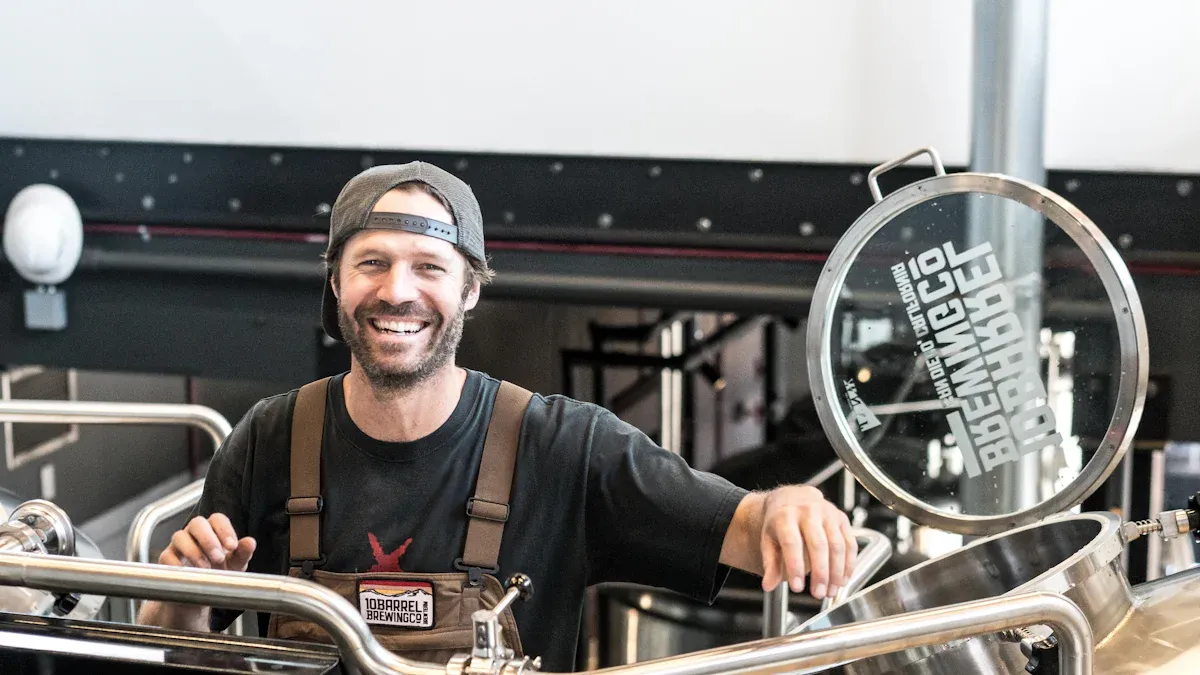
You want to make the most of your brewery’s space. Oil heated brewhouses help you do this. These systems come as compact units with insulated vessels. You only need a single electrical connection, water line, and drain. You do not need a steam boiler or flue. The entire system sits on a skid with casters, so you can move it easily and fit it into tight spaces. This design saves you valuable floor area and keeps your workspace open for brewing tasks. Steam heated brewhouses need more room. You must install a boiler, extra piping, and safety clearances. These parts take up more space and can limit your layout options. You also need a dedicated area for the boiler and flues, which adds to your total footprint. Both systems require safe working space around the equipment, but oil heated brewhouses from COFF give you a clear advantage when you want to save space and keep your brewery efficient.
You may want to grow your brewery in the future. Oil heated brewhouses make expansion simple. Their modular design lets you add more units or upgrade your system as your production increases. You can move or relocate the equipment with ease because of the skid-mounted setup. This flexibility means you can boost your output without major construction or downtime. Steam heated systems make expansion harder. You must add more piping, adjust the boiler, and follow strict safety rules. These steps take time and cost more money. Oil heated brewhouses from COFF let you scale up quickly and keep your energy use efficient. You can focus on brewing more beer instead of worrying about complex upgrades. As your brewery grows, you keep your energy costs low and your workflow smooth. This approach helps you stay competitive and ready for new opportunities.
Tip: Choose a system that grows with you. COFF’s oil heated brewhouses give you the space and energy efficiency you need for long-term success.
You need to understand how pressure affects your brewing system. Oil heated brewhouses operate at low pressure. This makes your brewing process safer and easier to control. You do not need a licensed boiler operator for most oil heated systems. You can focus on brewing instead of worrying about high-pressure hazards. Steam heated brewhouses work under higher pressure. You must follow strict rules and get special certifications. These rules help you keep your system safe and under control. You need regular inspections and must train your staff to handle the equipment. COFF designs oil heated brewhouses to meet top safety standards. You get equipment that is easy to control and safe to use. COFF holds certifications like ASME and AS1210, which show a strong commitment to safety.
Tip: Always check the certification of your brewing equipment before you buy. Certified systems give you peace of mind and help you avoid problems.
You must follow local codes when you install your brewhouse. Each city or region has its own rules for brewing equipment. Oil heated brewhouses often meet local codes more easily because they use low pressure and have simple installation steps. You can control the setup with less paperwork and fewer inspections. Steam heated systems need more permits and must pass more inspections. You may need to upgrade your building to meet fire and safety codes. COFF supports you by providing equipment that meets global standards. You get help with documentation and advice on how to control your installation process. This support makes it easier for you to pass inspections and start brewing sooner.
Note: Always ask your local authorities about the rules before you install new brewing equipment. COFF can guide you through the process and help you stay in control of your project.
You want to know what other breweries think about their brewing systems. Many breweries share positive feedback about oil heated brewhouses. One brewer from Australia says,
“COFF’s oil heated system changed our brewing. We save energy and see better beer quality every batch.”
A small brewery in Canada reports,
“We chose COFF for our new setup. The installation was fast. The brewing process feels safer, and our beer quality improved.”
Breweries using steam heated systems also share their thoughts. A brewery in the UK says,
“Steam gives us even heating. We can brew many styles and keep the quality high.”
You see that breweries value both systems for different reasons. Many breweries choose COFF because they want reliable brewing equipment and strong support. COFF’s team helps breweries reach their goals and maintain high quality.
You can learn from real examples. In Japan, a craft brewery switched to a COFF oil heated brewhouse. The owner noticed lower costs and better brewing control. The brewery now produces more beer with the same staff. The quality of each batch stays consistent.
A brewery in New Zealand uses a steam heated system. They brew many beer styles and need flexibility. The team says the steam system helps them manage brewing steps and keep quality steady.
COFF has a global reputation. Breweries in the U.S., Russia, and Australia trust COFF for their brewing needs. Over 80% of new customers come from recommendations. More than 90% of breweries build long-term partnerships with COFF. You can see that breweries around the world trust COFF to deliver quality and support for every brewing project.
Note: Breweries choose COFF for high quality, strong customer service, and reliable brewing equipment.
You want a partner who understands brewing inside and out. COFF leads the industry with years of experience in designing and building brewing equipment. You benefit from a team of engineers who know how to solve real brewing challenges. COFF holds top certifications like ASME and AS1210. These show you that the equipment meets strict safety and quality standards. You can trust COFF to deliver reliable systems that help you brew with confidence. COFF’s global reach means you find their equipment in breweries across the world. Many breweries choose COFF because they want proven expertise and a partner who supports their growth. You see the results in every batch and enjoy long-term savings as your brewery grows.
Tip: When you choose COFF, you get more than equipment. You get a team that helps you succeed.
You deserve support at every step of your brewing journey. COFF puts your needs first with a customer-oriented approach. You receive help from the first call to the final installation. COFF listens to your goals and offers solutions that fit your brewery. You can count on fast responses and clear answers to your questions. Many breweries build long-term partnerships with COFF because they value this service. Over 80% of new customers come from recommendations. More than 90% of customers choose to work with COFF again. You save time and money with COFF’s reliable service, which leads to long-term savings for your business. You can focus on brewing while COFF handles the details.
You want the best system for your breweries. Oil heated brewhouses work well for small breweries that want lower costs, easy setup, and strong safety. Steam heated brewhouses fit breweries that need flexibility and brew many styles. Many breweries trust COFF for expert advice and reliable equipment. You can contact COFF to find the right solution for your breweries. Next, review your breweries’ needs, compare options, and plan your upgrade. Breweries that choose wisely see better results and steady growth.
You get lower installation costs and easier setup. Oil heated systems from COFF help you save space and energy. You also avoid the need for a licensed boiler operator.
Yes, you can brew a wide range of beer styles. Oil heated brewhouses give you precise temperature control. You can adjust settings for lagers, ales, and specialty beers.
You only need to check the oil and change it every few years. Routine cleaning keeps your system running smoothly. COFF provides support and guidance for easy maintenance.
Yes, steam heated brewhouses work well for larger breweries. You get flexibility for bigger batch sizes and more complex brewing processes. Steam systems suit breweries with higher production needs.
COFF leads the industry with innovative designs and excellent service. You receive expert advice, certified equipment, and long-term support. Many breweries worldwide trust COFF for reliable brewing solutions.