


COPYRIGHT © 2022 COFF International Co., ltd. ALL RIGHTS RESERVED


This comprehensive guide explores the science and craftsmanship behind barley-based brewing, focusing on American ales, non-alcoholic innovations, and yeast fermentation techniques. Discover how modern equipment enhances flavor development in craft beverages while answering key industry questions. Coff Machinery’s vertically integrated manufacturing ensures premium brewing solutions for commercial and home applications.
Barley transforms into alcoholic ale through enzymatic conversion during mashing. The starch-to-sugar process creates fermentable wort, with alcohol from barley typically reaching 4-6% ABV in standard ales. Coff’s custom mash tuns optimize this conversion with dimple-jacket insulation for precise temperature control.
Key variables impacting alcohol barley yield include:
Coff’s automated brewhouses maintain ±0.5°C accuracy throughout saccharification.
Top-fermenting ale yeast strains like Saccharomyces cerevisiae work at warmer temperatures (15-24°C) than lager yeasts. Popular ale yeast names include:
| Strain | Flavor Profile | Attenuation |
|---|---|---|
| Chico (US-05) | Clean, neutral | 73-77% |
| London ESB | Fruity esters | 67-71% |
While ale yeast and brewers yeast share Saccharomyces origins, specialized strains like London Fog produce distinct ester profiles in American pale ales. Coff’s cylindroconical fermenters feature glycol jackets for precise ale yeast fermentation control.
Modern alcohol free craft beer maintains <0.5% ABV through:
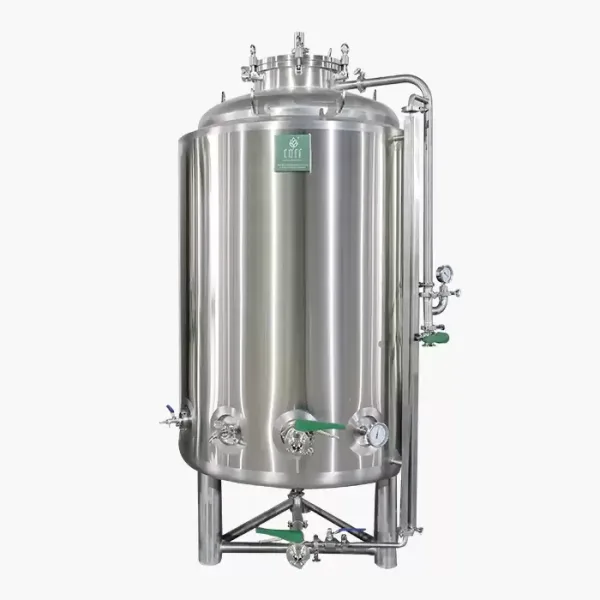
Our non-alcoholic brewing guide details how to preserve hop aromas in ale non alcoholic versions. Coff’s bright beer tanks with carbonation stones ensure perfect mouthfeel without alcohol warmth.
Verify alcohol content of non alcoholic beer using:
American pale ale revolutionized brewing with citrus-forward American hops like Cascade and Citra. Key American pale ale brands pioneered:
Brew ale america style using Coff’s whirlpool vessels for optimal hop extraction. Our American brewing equipment supports dry-hopping during secondary fermentation.
While ciders aren’t beer (lacking cereal grains), they share fermentation equipment. Coff’s apple cider equipment includes:
For artisan soda production, our carbonation systems achieve 2.8-3.2 volumes CO2. Try apple cider with beer blends in unitanks with dual-zone temperature control.
Coff’s American brewing equipment features:
Our 304 stainless steel tanks exceed ASME standards with 2B finish interiors.
Extend equipment life with:
Coff provides technical support for all equipment.

Successful at home beer brewing requires:
Coff’s home brewing systems feature:
With ISO9001-certified manufacturing and 3-year warranties, our brewing solutions serve clients in 18 countries. Contact our engineers for custom projects:
Explore our commercial systems or home brewing units.