COPYRIGHT © 2022 COFF International Co., ltd. ALL RIGHTS RESERVED


Pilsner is the world’s first golden lager originating from Plzeň, Czechia, characterized by brilliant clarity, floral hop aroma, and crisp malt profile. This guide covers its brewing science, distinguishes it from other lagers, analyzes commercial examples, and explores modern brewing techniques using professional equipment.

Pilsner (pronounced PILZ-ner) is a pale lager born in 1842 Plzeň (Pilsen), Czechia. It revolutionized beer when brewer Josef Groll created the world’s first clear, golden beer using:
Key characteristics include:
The term “pilsner” is protected in the EU, with true Czech Pilsner (Pilsner Urquell) using only Plzeň water.
All pilsners are lagers, but not all lagers are pilsners. Comparison:
| Characteristic | Pilsner | Generic Lager |
|---|---|---|
| Origin | Plzeň, Czechia (1842) | Germany (15th century) |
| Color | Straw to golden (2-6 SRM) | Pale to dark (2-20+ SRM) |
| Hops | Noble varieties (Saaz, Hallertau) | Various, often neutral |
| Bitterness | Pronounced (30-45 IBU) | Subtle (8-20 IBU) |
| Malt Profile | Bready, biscuity | Neutral, sometimes sweet |
| Fermentation | Cool (7-13°C), extended lagering | Cool, shorter maturation |
German-style Pilsners (Pils) are drier and more bitter than Czech versions, while American craft interpretations often feature domestic hops like Cascade.

Pilsners use 100% pale malt in a decoction mash:
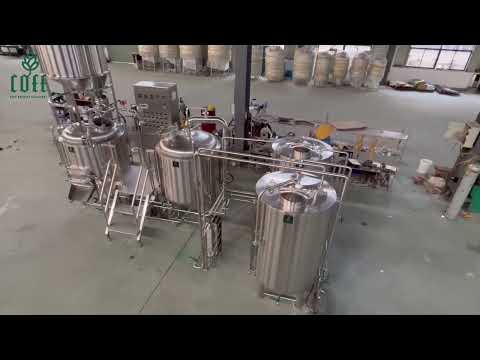
Coff’s direct-fired mash tuns maintain precise temperature control for optimal enzyme activity.
90-minute boil with triple hop additions:
After cooling wort to 7-9°C (45-48°F):
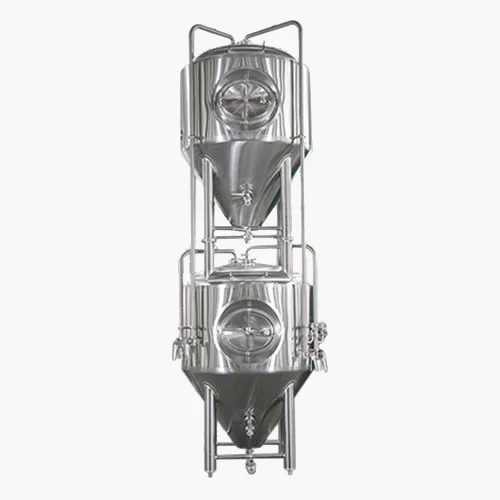
Our glycol-jacketed fermenters maintain ±0.5°C stability during this critical phase.
Typical values per 12oz (355ml) serving:
| Component | Standard Pilsner | Light Pilsner |
|---|---|---|
| Calories | 150-180 | 90-110 |
| Carbs | 12-15g | 3-5g |
| Protein | 1.5-2g | 0.7-1g |
| ABV | 4.8-5.5% | 4.0-4.5% |
Gluten content: 20-100ppm (not gluten-free). Low-gluten options use enzyme treatment during mashing.
| Brand | Actual Style | Why Not Pilsner? |
|---|---|---|
| Bud Light | Light American Lager | Uses rice adjuncts, low bitterness (8 IBU) |
| Stella Artois | Euro Pale Lager | Brewed with maize, 24 IBU (below Pilsner range) |
| Heineken | International Pale Lager | Features “Heineken A-yeast” (non-traditional) |
| Miller Lite | Light American Lager | Ures corn syrup, 10 IBU bitterness |
| Corona | International Pale Lager | Brewed with adjuncts, no noble hop character |
Our bright beer tanks feature dual pressure/temperature sensors for precise carbonation control essential to Pilsner mouthfeel.
ISO9001-certified brewery systems include:
Contact our engineers for Pilsner-specific designs:
Q: How long does Pilsner need to lager?
A: Traditional: 30-90 days at 0-4°C. Modern: 3-4 weeks with advanced filtration.
Q: Is Pilsner gluten-free?
A: No (20-100ppm gluten). Use clarity-ferm enzyme during fermentation to reduce gluten.
Q: Why is Pilsner served in specific glassware?
A: Slender Pilsner glasses (300-400ml) showcase color and maintain head retention.