

COPYRIGHT © 2022 COFF International Co., ltd. ALL RIGHTS RESERVED


Kölsch is a crisp, golden German beer exclusively brewed in Cologne, protected by EU law since 1997. This hybrid ale undergoes warm fermentation like ales but cold-conditioned like lagers, resulting in a bright, balanced profile with subtle fruitiness and delicate hop bitterness. With ABV typically between 4.4-5.2% and just 130-150 calories per 12oz serving, this sessionable beer features unique brewing techniques requiring specialized equipment. This guide explores Kölsch’s history, brewing science, flavor characteristics, and how modern breweries achieve authentic results using professional-grade systems.
Kölsch (pronounced “koolsh”) is a top-fermented beer brewed under strict appellation regulations requiring production within 50km of Cologne’s city center. Legally defined by the Kölsch Konvention, it must be:
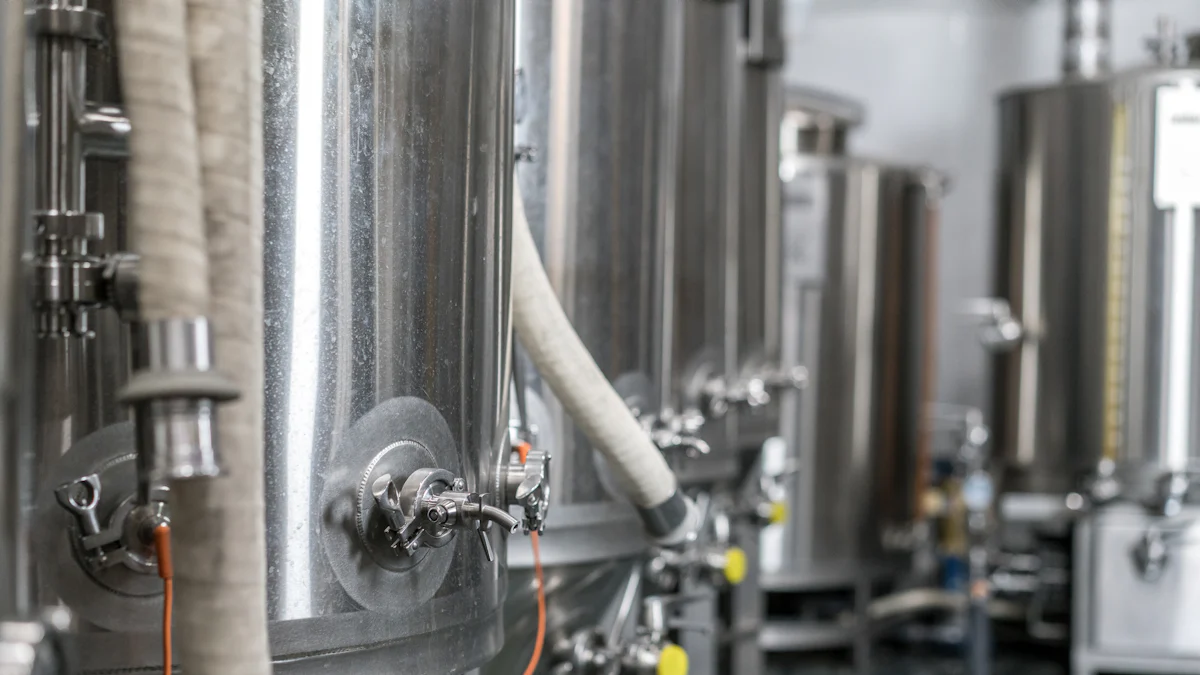
Unlike standard ales, Kölsch undergoes extended cold conditioning (4-6 weeks at near-freezing temperatures) in specialized stainless steel tanks that develop its signature crispness. This dual-process method creates a unique hybrid profile that’s neither fully ale nor lager.
First documented in 1906 by Sünner brewery, Kölsch evolved from Cologne’s “Wiess” beers. Its survival through two world wars is attributed to:
Traditional serving involves Stangen (200ml cylindrical glasses) carried in Kranz (circular trays) by Köbes (blue-aproned servers) – a ritual maintained in Cologne’s historic beer halls.

Authentic Kölsch requires precise temperature control at three critical phases:
| Phase | Temperature | Duration | Equipment Requirement |
|---|---|---|---|
| Primary Fermentation | 13-21°C (55-70°F) | 7-10 days | Temperature-controlled fermentation vessels |
| Diacetyl Rest | 16-18°C (61-64°F) | 48 hours | Precision heating systems |
| Cold Conditioning | -1 to 4°C (30-39°F) | 4-6 weeks | Jacketed bright beer tanks |
Professional breweries like those using Coff’s jacketed tanks maintain consistency through:
A well-crafted Kölsch presents a delicate balance of:
Commercial examples like Früh and Gaffel achieve remarkable consistency using food-grade stainless steel equipment that prevents flavor contamination and oxidation.

Per 12oz (355ml) serving:
Breweries maintain nutritional consistency through precise temperature-controlled fermentation and attenuation monitoring.
To brew authentic Kölsch:
Commercial systems like Coff’s triple-jacketed tanks feature:
Authentic Kölsch requires specialized systems:
Conical stainless steel tanks with:
Horizontal serving tanks featuring:
Glycol systems with:
Coff’s customizable brewing systems include 3-year warranties and technical installation support.
Kölsch is legally classified as an ale due to top-fermentation, though its cold conditioning creates lager-like characteristics.
Expect delicate fruitiness (pear/white grape), subtle herbal hops, and a crisp, dry finish with moderate carbonation.
Approximately 140 calories per 12oz serving, varying by original gravity and attenuation.
No – traditional recipes use barley malt. Gluten-reduced versions require specialized enzyme treatment systems.
Say “koolsh” (rhymes with “cool” + “sh”). The “ö” resembles the “u” in “fur”.
Coff’s German-engineered brewing systems include:
Contact our engineers today:
Phone: +86 13819801855
Email: sxn@nbcoff.com
Visit: nbcoff.com/contact-us
