


COPYRIGHT © 2022 COFF International Co., ltd. ALL RIGHTS RESERVED

You want your brewhouse to run smoothly, right? Regular cleaning and maintenance of your oil heated brewhouse keep things safe and efficient. When you pay attention to brewhouse maintenance, you avoid costly breakdowns and help your brewing process stay on track. Take a look at how proper care can make a big difference:
| Maintenance Status | Typical Efficiency | Fuel Cost Impact |
|---|---|---|
| Regularly Maintained | 88% – 92% | Lowest fuel cost, stable output |
| Poorly Maintained | 70% – 78% | Up to 20% higher fuel expense |
Sticking to a routine keeps your brewhouse in top shape and helps you meet brewing standards. Here’s a quick tip: set up a schedule for cleaning and inspections so you never miss a beat.
Start your day with a quick walk around your oil heated brewhouse. You want to spot any problems before they get bigger. A routine inspection helps you catch issues early and keeps your brewing process safe. When you look at your oil heating system, pay attention to these common trouble spots:
If you notice anything unusual, make a note and take action right away. This habit keeps your brewhouse running smoothly and helps you avoid bigger maintenance headaches later.
Tip: Keep a daily log of your visual checks. This record helps you spot patterns and makes it easier to talk with your team about any changes.
Clean workspaces make your brewhouse safer and more efficient. Oil spills can cause slips, fires, or even damage your equipment. You need a plan for daily cleaning and sanitizing, especially in an oil heated brewhouse. Here’s how you can handle spills and keep surfaces spotless:
Note: Always review your emergency response plan. Make sure your team knows what to do if a spill happens.
Daily cleaning keeps your brewhouse looking good and helps you avoid accidents. It also protects your equipment and supports your overall brewhouse maintenance routine.
You want your oil heated brewhouse to work at its best every day. That means you need to keep an eye on oil levels and temperatures. If you let the oil run low or the temperature get too high, you risk damaging your system or ruining a batch of beer.
Reminder: Write down your readings and any changes you notice. This habit helps you catch small issues before they turn into big repairs.
By making these checks part of your daily routine, you keep your brewhouse safe and efficient. You also make sure your brewing process stays on track and your product quality remains high.
You want your brewhouse to stay safe and run without problems. One of the best ways to do this is by checking for leaks and strange odors every day. Oil leaks and odd smells can signal trouble in your system. If you catch these early, you can fix them before they turn into bigger issues.
Leaks can waste oil and cause fires. Odors might mean you have a gas leak or burning oil. Both can hurt your equipment and put your team at risk. You need to spot these signs fast.
Tip: Use a flashlight to see into dark corners and behind equipment.
If you smell oil, burning, or gas, act right away. These odors can mean a leak or a problem with the burner.
| Problem Detected | Immediate Action | Who to Contact |
|---|---|---|
| Small oil leak | Clean and report | Maintenance team |
| Large oil spill | Shut off oil, evacuate | Supervisor, professionals |
| Strong odor | Ventilate, investigate | Supervisor, professionals |
Alert: Never ignore a leak or strange smell. Quick action keeps your brewhouse safe and protects your beer.
Checking for leaks and odors only takes a few minutes. This simple habit can save you time, money, and stress. Make it part of your daily routine, and you will keep your oil heated brewhouse running strong.
You want your brewhouse to work at its best every week. Cleaning heat exchangers and pipes is a big part of that. When you skip this step, residue can build up and slow down your brewing process. You might even notice changes in your beer’s taste or quality. Here’s what you should do:
This routine keeps your brewhouse running smoothly. It also helps you avoid bigger problems that can come from clogged pipes or dirty equipment. If you keep up with cleaning, you make your brewing equipment maintenance much easier.
Tip: Write down each cleaning session in your maintenance log. This habit helps you spot patterns and keeps your team on track.
COFF oil filters play a key role in your brewhouse maintenance. Clean oil means your equipment works safely and efficiently. You should check your oil filters every three to six months. If you see the oil turning dark or thick, it’s time to replace the filter. Here’s a quick checklist:
When you stay on top of this task, you protect your equipment and keep your brewing process safe.
Moving parts in your brewhouse need regular attention. Lubrication stops wear and tear and keeps everything running quietly. Each week, check all moving parts like pumps, valves, and hinges. Use the right lubricant for each part. If you hear squeaks or see extra friction, add more lubricant. This step is a simple way to extend the life of your equipment and avoid costly repairs.
Remember, weekly maintenance is your best defense against unexpected breakdowns. Make these routines part of your regular brewhouse maintenance plan. Your brewing process will thank you!
You want your brewhouse to stay safe every week. Testing safety controls helps you catch problems before they become serious. When you check these controls, you protect your team, your equipment, and your beer. Let’s walk through what you should do.
Start by setting a regular time each week for safety checks. This habit keeps you on track and makes sure nothing gets missed. You don’t have to do it alone. Sometimes, you need a boiler technician to help with special tests.
Here’s a simple checklist for your weekly safety control routine:
Tip: Keep a notebook or digital log of your safety checks. Write down what you find and what you fix. This record helps you see patterns and makes future checks easier.
If you find something wrong, fix it right away or call a professional. Don’t wait. Safety controls are there to protect you and your brewhouse.
| Safety Control | What to Check | Action if Problem Found |
|---|---|---|
| Boiler Controls | Settings, response | Adjust or call technician |
| Glycol Lines | Leaks, mildew, insulation | Replace or repair |
| Coils & Fans | Cleanliness, airflow | Clean or service |
Testing safety controls each week keeps your brewhouse safe and your beer tasting great. Make it part of your routine, and you’ll brew with confidence every time.
You want your brewhouse to stay clean and ready for every batch. A deep cleaning each month keeps your equipment in top shape and helps you avoid problems with taste or safety. Here’s a step-by-step process many brewhouse operators follow:
Tip: Keep a monthly cleaning log for your brewhouse. This habit helps you track your maintenance and spot any patterns.
Your oil heated brewhouse depends on burners and ignition systems that work well. Each month, take time to check these parts. Start by looking at the ignition components, like electrodes and wires. Make sure they show no signs of wear or damage. Tighten connections and clean away any dirt with a soft brush. Adjust the spark gap if needed. Watch the flame during operation—a bright yellow flame means good combustion. If you notice issues, check the power supply and ignition wires. Clean the flame sensor and inspect electrodes if the flame goes out after starting.
Electrical connections keep your brewhouse running safely. Each month, you should:
Remember: Regular maintenance of your brewhouse electrical systems helps prevent downtime and keeps your brewing process smooth.
You want your oil heated brewhouse to run at its best, right? That means you need to keep an eye on your COFF oil quality. Good oil keeps your system safe, efficient, and long-lasting. Bad oil can cause trouble fast.
COFF oil does more than just heat your brewhouse. It protects your equipment from wear and helps you brew consistent beer. If the oil gets dirty or breaks down, you might see:
Tip: Make oil checks part of your monthly routine. This habit saves you money and stress.
You don’t need fancy tools to spot problems. Use your senses and a few simple steps:
Here’s a quick table to help you decide what to do:
| Oil Condition | What You See/Smell/Feel | What To Do |
|---|---|---|
| Clear, mild scent | Normal | Keep using |
| Dark, burnt smell | Unusual | Plan to replace soon |
| Sludge, gritty | Dirty | Replace right away |
If you spot problems, don’t wait. Change the oil and clean the system. Always use high-quality COFF oil for the best results. Keep a log of oil changes and checks. This record helps you spot patterns and plan ahead.
Remember: Clean oil means a happy brewhouse and better beer. Make oil checks a habit, and your equipment will thank you!
You want your brewhouse to run safely all year. An annual inspection by a professional keeps your oil heating system in top shape. Don’t just pick anyone for this job. Look for someone who knows brewhouse maintenance inside and out. Here’s what you should check before you hire:
A good professional will spot issues you might miss. They can check for hidden leaks, test the burner, and make sure every safety feature works. You get peace of mind, and your equipment stays reliable.
Tip: Schedule your inspection during a slow brewing period. This way, you won’t interrupt your production.
Every year, you should swap out parts that show signs of wear. This step keeps your brewhouse running smoothly and helps you avoid sudden breakdowns. Some parts work hard every day and need extra attention. The most common components you’ll replace include:
You might notice pumps getting noisy or valves sticking. Heat exchangers can build up residue or show signs of corrosion. Regular checks help you spot these problems early. When you replace worn parts, you keep your system efficient and safe. You also protect your beer from unexpected changes in temperature or flow.
Note: Keep a log of all replaced parts. This record helps you plan for future maintenance and budget for new equipment.
Temperature sensors play a big role in your brewing process. If they drift out of calibration, your oil heating system might run too hot or too cold. This can affect your beer’s quality and even damage your equipment. You should calibrate these sensors at least once a year.
Start by comparing your sensor readings to a trusted thermometer. If you see a difference, adjust the sensor or replace it if needed. Accurate sensors help you control every batch and keep your brewhouse safe.
| Task | How Often | Why It Matters |
|---|---|---|
| Professional inspection | Yearly | Catches hidden issues |
| Replace worn components | Yearly | Prevents breakdowns |
| Calibrate temperature sensors | Yearly | Ensures brewing accuracy |
Reminder: Reliable sensors mean better beer and fewer surprises. Make calibration part of your annual checklist.
A comprehensive system flush keeps your oil heated brewhouse running strong year after year. You want to remove old oil, clean out any buildup, and make sure every part works like new. This process helps you avoid problems and keeps your beer tasting great.
Here’s how you can do a full system flush:
Tip: Always wear gloves and safety glasses when you handle oil or clean the system. Safety comes first!
A full system flush might take some time, but it pays off. You get better performance, fewer breakdowns, and a safer brewhouse. Make this part of your annual maintenance routine, and your equipment will thank you.
You want your oil heated brewhouse to stay clean and safe. Choosing the right cleaning agents makes a big difference. Some cleaners work better for certain jobs, and some are safer for your equipment. Here’s a quick look at the most common cleaning agents you can use:
| Cleaning Agent | Description | Brands Available |
|---|---|---|
| Peracetic Acid (PAA) | A strong oxidizing agent effective in killing bacteria and yeast. | Star San, SaniClean |
| Powdered Brewery Wash (PBW) | A blend of sodium percarbonate and other agents for tough stains. | Five Star Chemicals, Brewer’s Best |
| Iodophor | A sanitizer effective in killing bacteria and yeast. | Five Star Chemicals, Brewer’s Best |
| Sodium Percarbonate | A powerful cleaning agent often used with hot water. | N/A |
| Trisodium Phosphate (TSP) | A strong alkaline cleaner for stubborn stains and mineral deposits. | N/A |
| Caustic Soda | Breaks down oils and proteins, ideal for food contact equipment. | N/A |
| Phosphoric/Nitric Acid | Used to passivate stainless steel and remove mineral deposits. | N/A |
You can use peracetic acid as a non-rinse sanitizer. It works well at low concentrations, usually around 0.1%. PBW helps you tackle tough soils and stains. Iodophor is another good choice for sanitizing surfaces. Always follow the instructions on the label. Never mix cleaning agents unless the manufacturer says it is safe.
Tip: Wear gloves and goggles when you handle strong cleaners. Safety comes first in every brewhouse maintenance routine.
A good cleaning process keeps your oil heated brewhouse running smoothly. You want to make sure every part gets clean and stays free from contamination. Here’s a simple step-by-step guide you can follow:
You can use this process for your daily, weekly, or monthly cleaning routines. It helps you keep your brewhouse in top shape and supports your overall maintenance plan.
Note: Always check your equipment after cleaning. A quick look can save you from problems later.
Contamination can ruin a batch of beer and cause big headaches. You want to stop it before it starts. Here are some easy ways to keep your oil heated brewhouse safe from contamination:
🚨 Alert: If you ever notice strange smells, odd colors, or unexpected foam, stop and check for contamination right away.
By following these steps, you protect your brewhouse, your beer, and your reputation. Good cleaning habits and regular maintenance keep contamination out and quality in.
You want to stay safe every time you work in your brewhouse. The right personal protective equipment keeps you protected from spills, heat, and moving parts. Check out this table to see what you need for different hazards:
| Type of Hazard | Required PPE |
|---|---|
| Corrosive Chemicals | Rubber gloves, boots, eye protection, hoods, and chemical-resistant suits that cover the entire body. |
| Wet Surfaces | Rubber boots and footwear with added traction. |
| Moving Parts | Properly fitted safety clothing to prevent snagging. |
| Boiling Liquids | Fire-resistant protective clothing and eye protection to withstand extreme heat. |
Always check your gear before you start. Make sure everything fits well and has no damage. Good PPE is a big part of brewhouse safety.
Emergencies can happen fast in a brewhouse. You need a plan that everyone understands. Quick action and clear communication help keep you and your team safe. If you spot an oil spill or fire, follow these steps:
Make sure your brewhouse has clear evacuation routes. Practice emergency shutdown steps with your team so everyone knows what to do. Good emergency procedures are key for brewhouse safety and workplace safety.
🚨 Tip: Always keep emergency numbers and cleanup contacts posted where everyone can see them.
COFF oil helps your brewhouse run smoothly, but you need to handle it with care. Wear gloves and eye protection when you work with oil. Store COFF oil in labeled containers with tight lids. Clean up spills right away to prevent slips and fires. Never mix old oil with new oil. Keep your work area tidy and free from clutter. These habits protect your equipment and help you avoid accidents.
Remember, safe handling keeps your brewhouse running and your team protected.
Oil leaks can slow down your brewhouse and create safety risks. You might spot shiny spots or puddles under pipes or tanks. Sometimes, you notice a strong oil smell. If you find a leak, act fast. First, turn off the oil supply if it is safe. Use absorbent pads to clean up the spill. Check all connections and seals for cracks or loose fittings. Replace any worn gaskets or tighten fittings as needed. Keep a regular maintenance schedule to catch leaks early. Always record leaks in your maintenance log. This habit helps you track patterns and prevent future problems.
Tip: Clean up oil spills right away to keep your brewhouse safe and tidy.
If your brewhouse takes longer to heat up, you may have a heating inefficiency. This problem can waste fuel and slow your brewing process. Start by checking oil levels and making sure the oil is clean. Dirty oil can block heat transfer. Clean your heat exchangers and pipes as part of your regular cleaning routine. Look for soot buildup on burners or inside the heating chamber. Soot can block heat and lower efficiency. Replace filters and check for blockages in the oil lines. Regular maintenance keeps your system running at its best and helps you save on fuel costs.
Burner problems can stop your brewhouse in its tracks. You might notice strange odors, odd sounds, or the burner turning on and off too often. These signs point to different causes. Use the table below to help you troubleshoot:
| Sign of Malfunction | Potential Cause | Suggested Fixes |
|---|---|---|
| Strange Odors | Oil leak, incomplete combustion | Inspect for leaks, ensure proper combustion |
| Unusual Sounds | Air in lines, burner/blower motor issues | Bleed lines, inspect motor and burners |
| Frequent Cycling | Poorly calibrated thermostat, faulty controls | Calibrate thermostat, inspect controls |
| Increased Fuel Consumption | Inefficient operation, leaks | Check for leaks, service as necessary |
If you hear odd noises, check for air in the oil lines or look at the burner motor. For strong smells, inspect for leaks and make sure the burner is burning cleanly. If the burner cycles on and off too much, check the thermostat and controls. Keep up with regular maintenance and cleaning to avoid these issues. When in doubt, call a professional for help.
🚨 Alert: Never ignore burner problems. Quick action keeps your brewhouse safe and your beer tasting great.
Strange noises or odd smells in your oil heated brewhouse can make you worry. You want to catch these signs early before they turn into bigger problems. When you notice something off, trust your senses. Your ears and nose can help you spot trouble fast.
Start by listening. Do you hear banging, hissing, or grinding? These sounds often mean something needs attention. Maybe a pump is struggling, or a valve is loose. If you hear a new noise, stop and check the area. Sometimes, a quick look can show you what’s wrong.
Now, use your nose. Smells can tell you a lot about your equipment. A burning odor might mean a filter is clogged or old. If you smell oil or exhaust, your HVAC system could have a mechanical issue. Don’t ignore these signs. They can point to problems that need fixing right away.
Here’s a handy table to help you figure out what those smells might mean:
| Odor Type | Possible Cause | Recommended Action |
|---|---|---|
| Burning | Old or clogged filter | Replace filters or call a professional for a checkup. |
| Burning | Overheating of the HVAC system | Ask a professional to check for mechanical efficiency. |
| Oil or Exhaust | Mechanical issue with HVAC system | Contact a commercial HVAC company for an inspection. |
Tip: Always write down what you hear or smell in your maintenance log. This habit helps you track changes and spot patterns over time.
If you ever feel unsure, call a professional. Quick action keeps your brewhouse safe and your beer tasting great. Don’t wait for a small problem to become a big one. Your senses are your best tools—use them every day!
Sometimes, you notice things in your brewhouse that just don’t seem right. Maybe you hear odd noises or feel strange vibrations. You might spot leaks or see changes in pressure during cleaning cycles. These signs can mean your system needs more than a quick fix. Take a look at this table to help you spot when it’s time to call a professional:
| Indicator | Description |
|---|---|
| Leaks | Oil lines show wet spots or puddles. |
| Heating Elements Inspection | Heating elements or control panels look worn or damaged. |
| Oil Quality Check | Oil looks dirty or smells strange. |
| Insulation Check | Insulation on pipes or tanks is missing or damaged. |
| Temperature Sensors Testing | Sensors or safety switches don’t work as they should. |
| Heat Exchanger Inspection | Heat exchanger shows signs of wear or works less efficiently. |
| Odd Noises or Vibrations | You hear banging, hissing, or feel shaking. |
| Changes in Pressure or Flow | Pressure drops or flow slows during cleaning cycles. |
If you spot any of these, don’t wait. Professional help keeps your brewhouse safe and your beer tasting great.
🚨 Tip: Write down what you see or hear. This record helps the technician find the problem faster.
You want your brewhouse to meet all the rules. Sometimes, local or national agencies require inspections. These checks make sure your equipment is safe and your brewing process follows the law. If you get a notice for an inspection, reach out to a certified technician. They know what inspectors look for and can help you fix any issues before the visit. Staying ahead of compliance keeps your business running smoothly.
Brewing equipment changes fast. New technologies can make your brewhouse safer and more efficient. If you want to upgrade your oil heated system, talk to a professional. They can help you choose the best options for your setup. Maybe you want smart sensors or automated cleaning systems. A technician can install these upgrades and train your team. Investing in new tech helps you stay ahead in the brewing world.
💡 Note: Upgrades often improve safety and save money over time.
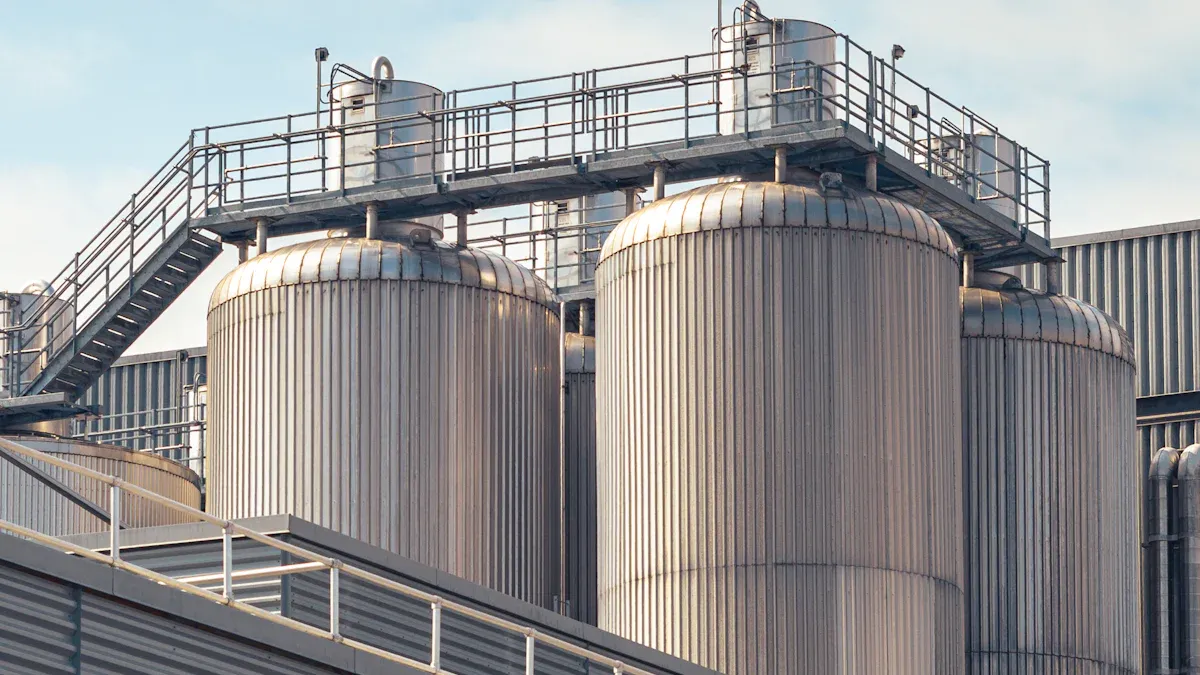
The world of brewing keeps changing. If you want your brewhouse to stay ahead, you need to know what’s new. Let’s look at some of the top trends and technologies for 2025.
You can now use smart monitoring systems to keep an eye on your brewhouse. These systems track things like temperature and pressure in real time. If something goes wrong, you get an alert right away. This means you can fix problems before they get big. Some systems even help you plan when to do maintenance. You save time and money because you avoid surprise breakdowns. Imagine checking your brewing equipment from your phone or computer. That’s the power of smart monitoring.
Tip: Smart systems help you spot small issues before they turn into big repairs.
Many brewhouse operators want to protect the environment. New eco-friendly COFF oil options make this easier. These oils work well and help lower your carbon footprint. Some brewhouses use energy from solar or wind power to heat their oil. Others use efficient boilers and heat recovery systems. When you choose green options, you help the planet and often save on energy costs.
Automation is changing how you clean and care for your brewhouse. Automated cleaning systems can wash tanks and pipes with the push of a button. You get a deep clean every time, and you use less water and chemicals. Some systems even track when cleaning is needed. This makes your brewing process smoother and keeps your equipment in top shape.
Here’s a quick look at some new technologies:
| Trend/Technology | Description |
|---|---|
| Predictive Maintenance | Systems like HoptiAM™ help you plan repairs and reduce downtime. |
| Smart Monitoring Systems | Real-time data tracking for quick problem-solving. |
| Energy Efficiency Improvements | Solar, wind, and heat recovery lower your brewhouse’s carbon footprint. |
| Regulatory Updates | Staying current with rules keeps your brewhouse safe and legal. |
Note: New technology helps you brew better beer and run a safer, cleaner brewhouse.
You want to keep your brewhouse running smoothly every day. A good brewhouse maintenance checklist helps you stay organized and on top of your tasks. You can use this checklist to make sure you never miss an important step. Here’s a simple guide you can follow.
Start your day with these quick checks. They help you spot problems early and keep your equipment safe.
Tip: Doing these tasks every day makes bigger jobs much easier later.
Every week, you need to go a little deeper. These tasks help you catch issues before they grow.
Monthly tasks keep your brewhouse in top shape. These jobs take a little more time, but they protect your equipment and your beer.
You can print this brewhouse maintenance checklist and hang it in your workspace. When you follow it, you make your job easier and your brewhouse safer.
You want your brewhouse to last for years, right? Annual maintenance is your secret weapon. These big tasks only come around once a year, but they make a huge difference. Let’s break down what you need to do every year to keep your oil heated brewhouse running strong.
Here’s your annual maintenance checklist:
Schedule a Professional Inspection
Bring in a certified technician. They will check your oil heating system from top to bottom. You get peace of mind knowing everything works as it should.
Replace Worn Components
Look for pumps, valves, and heat exchangers that show signs of wear. Swap out anything that looks tired. Fresh parts mean fewer breakdowns.
Calibrate Temperature Sensors
Test your sensors against a trusted thermometer. Adjust or replace them if the readings are off. Accurate sensors help you brew better beer.
Flush the Entire System
Drain old oil and clean out any buildup. Use fresh COFF oil when you refill. This step keeps your system clean and efficient.
Review Safety Controls
Test all emergency shutoffs and alarms. Make sure every safety feature works perfectly.
🛠️ Tip: Mark your calendar for annual maintenance. Pick a slow brewing season so you don’t interrupt production.
Annual Tasks Table
| Task | Why It Matters | Who Should Do It |
|---|---|---|
| Professional Inspection | Catches hidden issues | Certified Technician |
| Replace Worn Components | Prevents breakdowns | You/Technician |
| Calibrate Sensors | Ensures brewing accuracy | You/Technician |
| System Flush | Keeps oil and equipment clean | You/Technician |
| Review Safety Controls | Protects your team and product | You/Technician |
Stay on top of these annual tasks. Your brewhouse will thank you with smooth operation and great beer all year long!
You want your oil heated brewhouse to last and work safely. Regular cleaning and brewhouse maintenance help you avoid problems and keep your beer tasting great. Try the routines in this guide to boost safety, save money, and make your job easier. New tools and smart systems can help you work faster. Download the checklist and use it every day for a smooth-running brewhouse.
You want to clean daily for spills and surfaces. Do a deep clean every month. Stick to your checklist for weekly and annual tasks. Regular cleaning keeps your equipment safe and your beer tasting great.
You can use peracetic acid, PBW, or caustic soda. Always check the label before you start. Wear gloves and goggles for safety. These agents help you remove tough stains and keep your brewhouse sanitary.
Look for leaks, strange smells, or odd noises. Watch for changes in temperature or pressure. If you spot any of these, write them down and fix them fast. Quick action helps you avoid bigger problems.
Yes! Automated systems can clean tanks and pipes with one button. You save time and use fewer chemicals. Smart monitoring helps you spot issues early. Automation makes your job easier and your brewhouse safer.
Clean COFF oil helps your system run smoothly. Dirty oil can lower heating efficiency and hurt your equipment. Check oil color, smell, and feel every month. Replace it if you notice problems. Good oil means better beer.