

COPYRIGHT © 2022 COFF International Co., ltd. ALL RIGHTS RESERVED

You need to keep your oil heated brewhouse in top shape with regular maintenance. When you follow the right tips, you help your brewing system run safely and stay reliable. Clean parts and good upkeep let you make great beer every time. Regular checks help you spot problems early and keep your equipment working well.
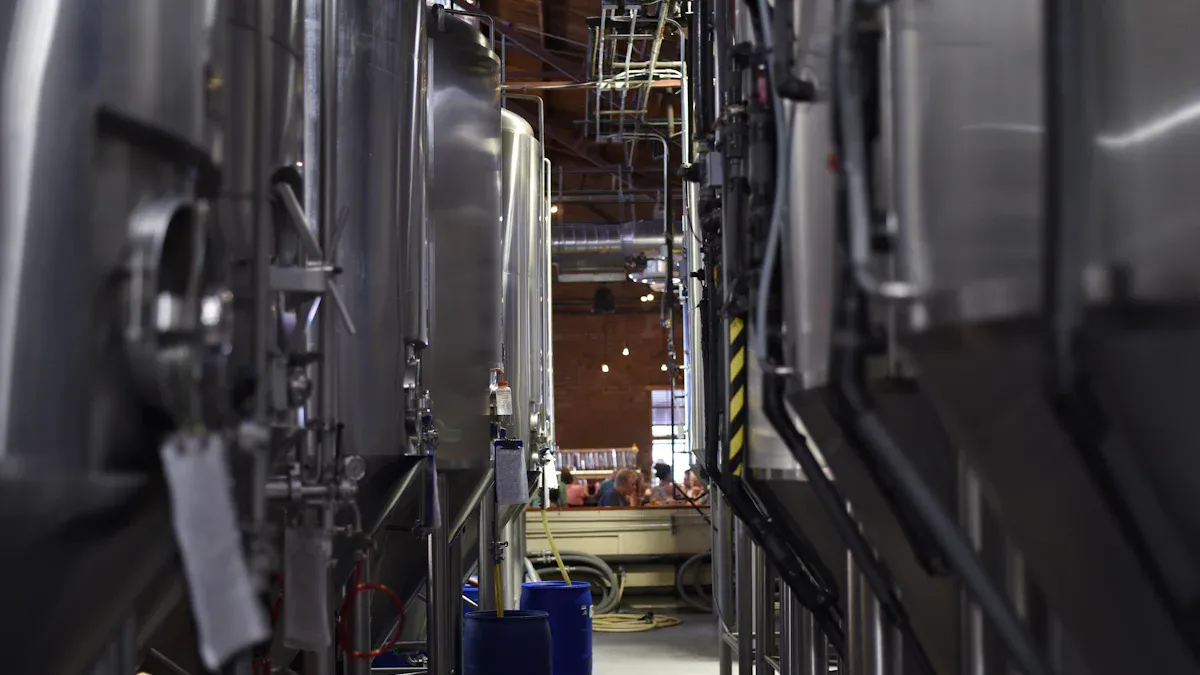
You want your beer to taste great every time. To do this, you must clean the equipment thoroughly before and after each brewing session. The brewing industry sets three main standards for cleanliness: physically clean, chemically clean, and microbiologically clean. Physically clean means you remove all visible dirt or residue. Chemically clean means no leftover cleaning agents remain. Microbiologically clean means you remove all bacteria and other microbes.
Here are some proven methods to help you with brewing equipment maintenance:
Tip: Always clean the equipment thoroughly after each use. This step helps you avoid buildup and keeps your brewhouse maintenance routine simple.
You should set a regular schedule for cleaning and sanitizing your oil heated brewhouse. Daily cleaning keeps your system safe and your beer tasting fresh. Deep cleaning works best once a week or after several batches. This routine helps you spot problems early and keeps your equipment in top shape.
Cleaning frequency has a big impact on your brewhouse maintenance. If you clean the equipment thoroughly and often, you prevent bacteria from growing. This step also stops dirt and residue from affecting temperature control. When you skip cleaning, rust or corrosion can damage your system. Consistent cleaning and sanitizing help your equipment last longer and work better.
Choosing the right cleaning products is key for safe and effective brewhouse maintenance. You should use mild detergents or percarbonate-based cleaners for stainless steel and aluminum parts. These products remove dirt without harming your equipment. For stubborn spots, oxalic acid-based cleansers work well.
Note: COFF recommends using only approved cleaning agents that protect your brewing system and keep your beer safe. Always read the product label and follow the manufacturer’s instructions.
When you clean the equipment thoroughly with the right products, you protect your investment and ensure the best results from your brewing equipment maintenance routine.
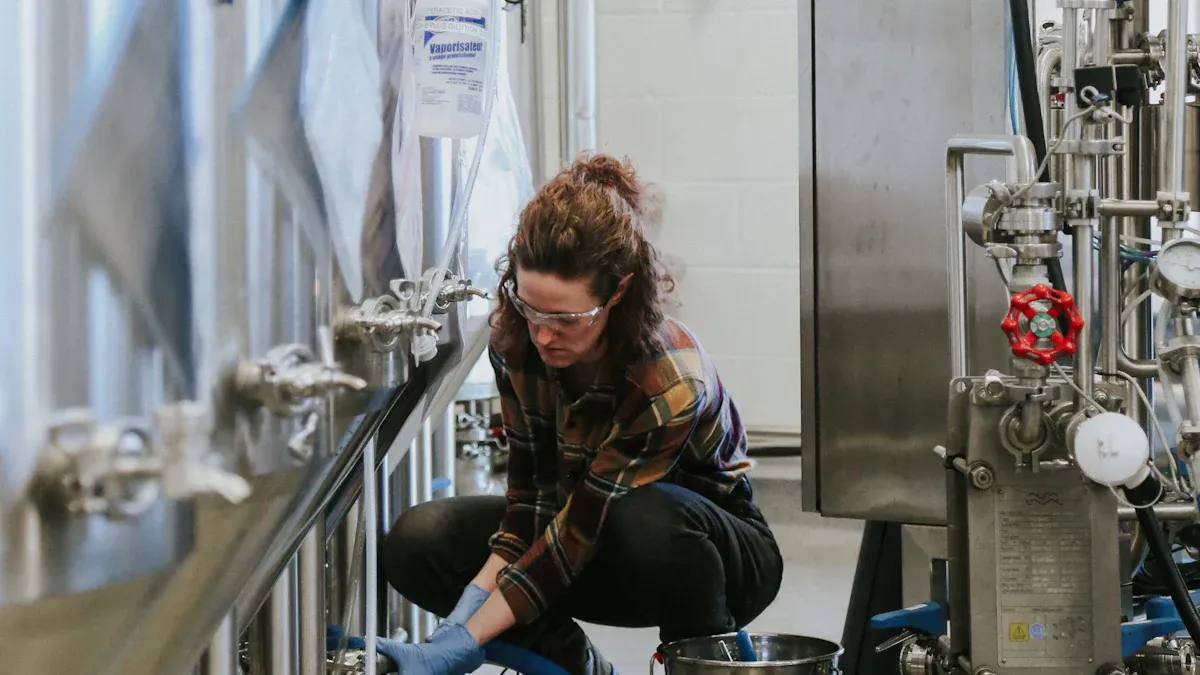
You need to check your heat exchanger regularly to keep your brewhouse running smoothly. When you inspect the exchanger, you look for signs that show how well it works. These signs help you spot problems early and keep your brewing process efficient.
Here is a table that shows the main indicators you should watch during your exchanger checks:
| Indicator | Description |
|---|---|
| Heat Transfer Coefficient | Shows how well the exchanger moves heat. Good numbers mean better performance and energy use. |
| Fouling Factor | Tells you if dirt or scale is building up. High numbers mean you need to clean the exchanger soon. |
| Pressure Drop | Shows if the exchanger needs more power to move fluids. A big drop can mean a blockage or buildup. |
| Heat Transfer Rate | Measures how much heat moves through the exchanger. Low rates can mean a problem. |
| Temperature Distribution | Lets you see if all parts of the exchanger are heating evenly. Uneven temperatures can signal trouble. |
| Boundary Conditions | Shows how well the exchanger is insulated and how fluids move through it. |
| Reynolds Number | Tells you about the flow of fluids. Changes can affect how well the exchanger works. |
| Nusselt Number | Helps you understand how well heat moves by convection. Low numbers can mean poor performance. |
| Residence Time | Shows how long fluids stay in the exchanger. Short times can lower heat transfer. |
You should inspect your heat exchanger twice a year. This schedule helps you find wear or deposits before they cause bigger problems. Early detection saves you time and money. If you notice a drop in performance, check these indicators right away.
Tip: Keep a log of each exchanger inspection. Write down the numbers you find. This record helps you spot changes over time and plan maintenance.
You rely on pumps and valves to move fluids and control flow in your brewhouse. Regular equipment inspections help you catch issues before they stop your brewing process. Pumps can fail for many reasons, and valves can leak or get stuck.
Here is a table that lists common pump failures and their causes:
| Common Pump Failures | Causes |
|---|---|
| Improper Sizing | Leads to inefficiency |
| Cavitation | Causes damage to the pump |
| Mechanical Seal Leaks | Results in fluid loss |
| Corrosion | Deteriorates pump materials |
When you inspect pumps and valves, focus on these areas:
| Inspection Focus | Description |
|---|---|
| Leaking mechanical seals | Watch for leaks, especially during startup. |
| Worn-out bearings | Check for signs of wear over time. |
| Overheating | Look for overheating due to poor installation or blockages. |
| Unusual noise or vibration | Identify any strange noises or vibrations during operation. |
| Leak detection | Inspect pipe joints, valves, seals, and gaskets for leaks. |
You should listen for odd sounds and feel for vibrations when the pumps run. Check for leaks around seals and joints. If you find worn bearings or overheating, fix them right away. These steps keep your brewing equipment safe and reliable.
You must keep electrical parts in good shape to protect your brewhouse and your team. Electrical hazards can cause serious injuries or damage. You need to know the risks and follow safety steps during every inspection.
Here is a table that shows the most common electrical hazards, their risks, and how to prevent them:
| Hazard Type | Risks | Prevention Methods |
|---|---|---|
| Arc Flash Hazards | Severe burns, blindness, hearing loss, fatal injuries | Use proper PPE, do regular maintenance, follow safety rules |
| Electrical Shock Hazards | Muscle contractions, burns, cardiac arrest, death | Insulate wires, use GFCIs, train staff properly |
| Improper Grounding | Electric shocks, equipment malfunctions | Use correct grounding, check systems often |
You should always identify arc flash and shock hazards before you start work. Wear the right personal protective equipment (PPE) every time. Put in place rules and controls to keep everyone safe. Check that all wires have good insulation and that grounding is correct. These steps help you avoid accidents and keep your brewing equipment running safely.
Note: Make electrical inspections part of your regular equipment inspections. Safe electrical systems protect your investment and your team.
You play a key role in keeping your brewhouse safe. Training helps you understand hazards and follow safe practices every day. Many breweries use structured programs to teach workers about brewhouse safety. These programs cover topics like handling equipment, using chemicals, and responding to emergencies. You can see some common training courses in the table below:
| Course Title | Duration | Description |
|---|---|---|
| Brewery Safety | Varies | Focuses on occupational safety and health in the craft brewing industry. |
| Brewery Safety Training Bundle | 6 hours | Offers six hours of safety training for managers and employees. |
| Safety Culture & Training | N/A | Guides you to build safe habits for every task in the brewery. |
| Keg Filling | 25 minutes | Teaches hazard controls for keg filling and using industrial trucks. |
Regular training keeps you and your team ready for any situation. It also builds a strong safety culture in your brewhouse.
You need to test the safety valve of steam heating equipment to keep your system safe. Regular testing helps you spot problems before they become serious. Here are some important tips for safety valve testing:
You must also follow important standards for brewhouse safety. These include ASME standards, National Board Inspection Codes, and military specifications. Testing methods include on-line testing, leak testing, and pressure testing. Always keep records of your tests to show compliance.
You must keep Material Safety Data Sheets (MSDS) for all chemicals in your brewhouse. These sheets tell you how to handle, store, and dispose of chemicals safely. Good documentation helps you respond quickly if an accident happens. Store MSDS sheets in a place where everyone can find them. Update your records when you add new chemicals or change procedures. This practice supports brewhouse safety and keeps your team informed.
You need a strong plan for managing spare parts in your oil heated brewhouse. Good inventory management helps you avoid delays and keeps your brewing equipment running. Use demand forecasting to predict which parts you will need. This method uses sales and accounting data to spot trends. Preventive control lets you track stock and schedule regular upkeep. Safety stock gives you extra parts in case of supply chain problems. Space optimization helps you store parts in the best way.
| Strategy | Description |
|---|---|
| Demand Forecasting | Uses sales and accounting data to predict needs and schedule orders. |
| Preventive Control | Tracks inventory and schedules regular upkeep to avoid shortages. |
| Safety Stock | Keeps extra parts to handle supply delays or sudden needs. |
| Space Optimization | Organizes storage for easy access and efficient flow. |
By following these tips to maintain brewing equipment, you can reduce downtime and keep your system efficient.
Leaks can cause big problems in your brewhouse. You must check for leaks in pipes, tanks, and valves often. Predictive maintenance uses sensors and real-time data to spot leaks before they get worse. This approach helps you fix issues early and avoid costly repairs. You should also look for signs of leaks during cleaning the fermenter and other routine checks. If you find a leak, fix it right away to prevent contamination in fermentation tanks and protect your beer quality.
Predictive maintenance is a proactive approach that uses real-time data to find leaks and other problems before they cause downtime.
You can use these tips to maintain brewing equipment and keep your brewhouse safe.
Proper shutdown procedures help you protect your oil heated brewhouse during maintenance or long breaks. Always follow a step-by-step process. First, turn off the heating source and let the system cool. Next, drain all fluids from tanks and pipes. Inspect for leaks and clean all surfaces. Predictive maintenance can help you decide when to schedule shutdowns by tracking equipment performance. This method reduces downtime and improves reliability.
By prioritizing preventative maintenance in your craft brewery, you can avoid costly downtime, prolong the lifespan of your equipment, and ensure smooth and efficient operations.
You should also review your boiler maintenance checklist during shutdowns. These tips to maintain brewing equipment will help you keep your system in top shape and ready for the next brewing cycle.
You need to pay close attention to unique system checks in your oil heated brewhouse. These checks help you keep your brewing process safe and efficient. Start by inspecting all heating elements and control panels. Look for signs of wear or damage. Make sure the oil lines stay clear and free from leaks. You should also check the insulation on pipes and tanks. Good insulation keeps heat steady during fermentation and helps with energy savings. When you run cip cycles, watch for any changes in pressure or flow. These changes can signal blockages or buildup. Always test the temperature sensors and safety switches. Reliable sensors keep your fermentation at the right temperature. You should also review your energy-efficient cip routines to make sure they work well with your oil heated system.
Oil quality plays a big role in your brewing results. You want precise temperature control for every fermentation batch. Good oil quality gives you even heat and protects your ingredients from scorching. High-quality oil also keeps your equipment safe and strong. To keep your oil in top shape, follow these tips:
These steps help you keep your cip system running smoothly and protect your fermentation process.
Managing your heating source is key for safe and steady brewing. You should schedule annual service for your oil heating system. This keeps your equipment efficient and ready for every fermentation cycle. Here is a table with best practices for heating source management:
| Maintenance Interval | Description |
|---|---|
| Annual Service | Essential for optimal performance and efficiency of heating oil systems. |
| Annual Maintenance | Recommended to ensure the oil furnace operates efficiently and problem-free. |
| Annual Service | Professional maintenance is advised annually, including cleaning and inspections. |
You can use oil tank monitors or sensors for real-time updates. Set up remote monitoring to get alerts when oil runs low. Keep 24/7 monitoring on all tanks. Use a dashboard to track tank data. Review your monitoring data often to improve efficiency and save money. Clean burners and heat exchangers to keep fuel use low and heat transfer high. This helps you keep your fermentation and cip routines on track.
Tip: Good heating source management supports safe fermentation, smooth cip cycles, and reliable brewing results.
Regular maintenance keeps your oil heated brewhouse safe and efficient. You protect your equipment and improve beer quality when you follow a consistent schedule.
Start your maintenance routine today. You will see smoother operations and better results in every batch.
You should clean your oil heated brewhouse every day. Deep cleaning works best once a week. This routine keeps your brewing equipment safe and helps you make great beer. Clean parts help your brewhouse run smoothly and prevent problems.
An oil heated brewhouse uses thermal oil to heat your brewing vessels. This system gives you steady and even heat. You get better control over your brewing process. Many brewhouse owners choose this system for its energy efficiency and reliable results.
Regular inspection helps you find problems early. You can check pumps, valves, and heat exchangers in your brewhouse. This step keeps your brewing process safe. Inspections help you avoid costly repairs and keep your oil heated brewhouse working well.
You should look for leaks, worn parts, and changes in temperature. Check the oil lines in your oil heated brewhouse. Watch for odd noises or vibrations. These signs help you spot issues before they affect your brewing results.
Staff training teaches you how to use your oil heated brewhouse safely. You learn to handle brewing chemicals and equipment. Training helps you follow safety steps and respond to emergencies. Well-trained teams keep the brewhouse safe and the brewing process smooth.