

COPYRIGHT © 2022 COFF International Co., ltd. ALL RIGHTS RESERVED


Taking care of your oil heated brewhouse gives you peace of mind and helps you brew great beer every day. When you stick to regular brewhouse maintenance, you keep your equipment running smoothly and avoid sudden problems. You make sure things like temperature controls and filters work just right, which protects your beer’s quality. If you follow the right steps, you can stop oil contamination and keep your brewhouse in top shape for years.
You want your brewhouse to run smoothly every day. A daily cleaning routine helps you keep things in top shape. When you clean every day, you stop residue from building up. This keeps your beer tasting great and your equipment working well.
Here’s a simple daily cleaning checklist you can follow:
Tip: If you spot any sticky spots or oily residue, clean them right away. Quick action prevents bigger problems later.
Some cleaning jobs need more time and effort. You should set aside time each week and month for deeper cleaning. This helps you tackle tough grime and keeps your brewhouse running at its best.
A monthly deep clean gives you a chance to spot small issues before they turn into big repairs. Regular brewhouse maintenance like this keeps your equipment safe and reliable.
Choosing the right cleaning products makes your job easier. COFF offers a range of cleaners designed for oil heated brewhouse systems. These products help you remove residue without harming your equipment.
| Product Name | Use Case | Benefits |
|---|---|---|
| COFF Tank Cleaner | Daily and deep tank cleaning | Removes residue, safe on steel |
| COFF Pipe Rinse | Pipe and hose cleaning | Fast-acting, easy to flush |
| COFF Oil System Wash | Oil system maintenance | Prevents buildup, non-corrosive |
You can trust COFF’s cleaning products to protect your brewhouse. They work well with stainless steel and help you keep up with your brewhouse maintenance schedule.
Note: Always follow the instructions on the label. Using the right amount of cleaner keeps your equipment safe and your beer tasting great.
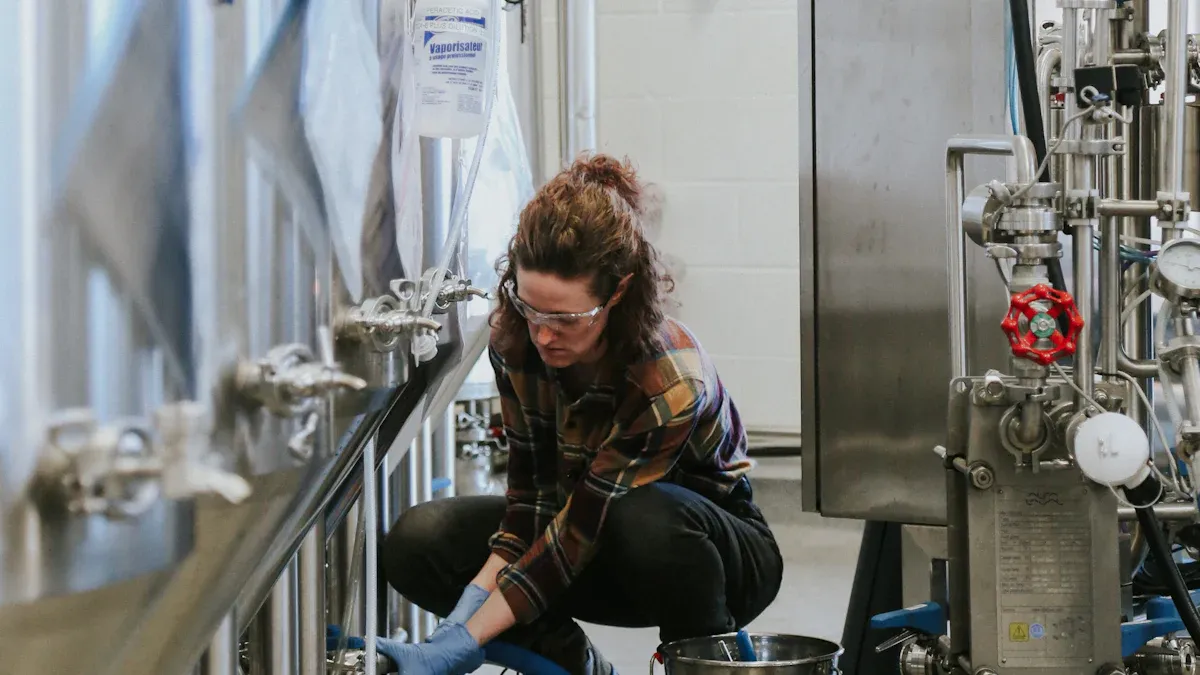
Routine inspection and monitoring keep your brewhouse safe and efficient. When you check your equipment often, you catch small problems before they turn into big ones. Let’s break down what you should look for every day and why it matters for your oil heated brewhouse.
You want your brewhouse to run smoothly, so checking oil levels and oil quality should be part of your daily routine. If you skip these checks, you might face unexpected breakdowns or even risk oil contamination. Here’s how you can stay on top of things:
Tip: Clean oil means better heat transfer and longer equipment life. Don’t ignore changes in oil quality.
Leaks and contamination can cause big headaches in any brewhouse. You can avoid most problems by following a few simple steps. Here’s a quick guide to help you spot leaks and keep your oil clean:
Alert: If you notice any leaks or cloudy oil, stop brewing and fix the issue right away. Quick action protects your beer and your equipment.
Gauges and controls help you keep your brewhouse safe. You need to watch them closely to avoid accidents and keep your brewing process steady. Here’s what you should do:
Note: Keeping an eye on pressure and temperature gauges helps you spot problems early. This habit is a key part of good brewhouse maintenance.
You should also follow industry standards for inspection intervals. Here’s a quick table to help you remember:
| Inspection Type | Frequency |
|---|---|
| Professional Inspections | Every six months |
| Annual Maintenance | Once a year |
Sticking to these schedules helps you keep your brewhouse in top shape and avoid costly repairs. Regular brewhouse maintenance and careful monitoring make your brewing process safer and more reliable.
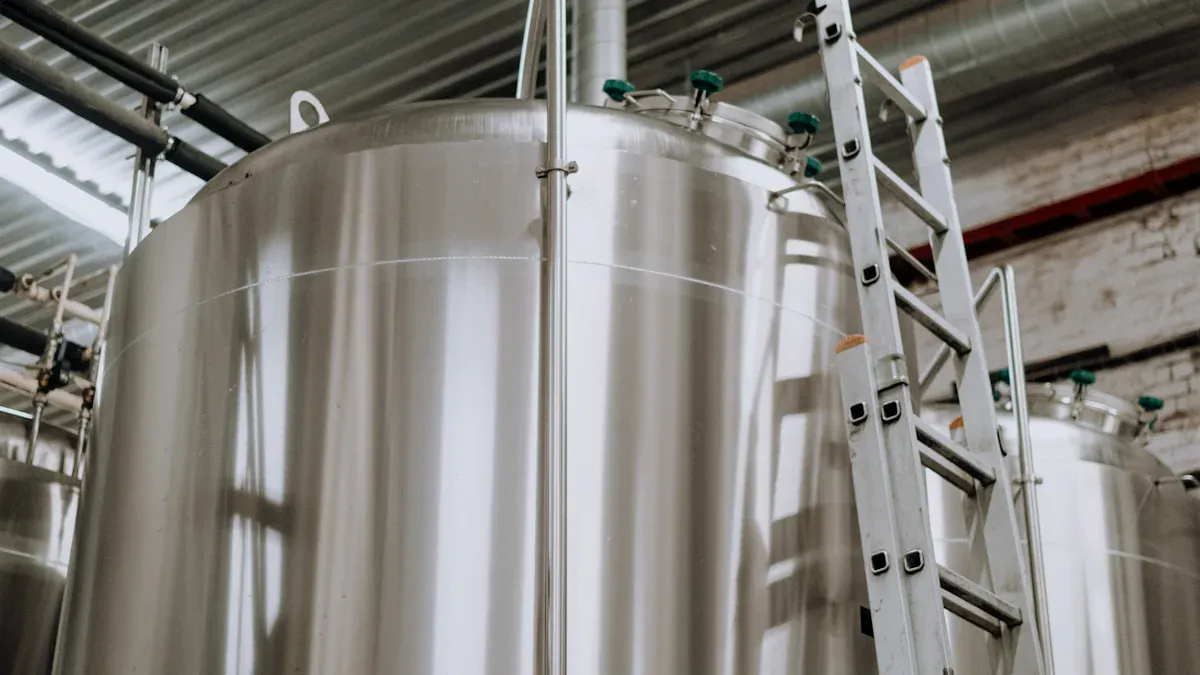
Keeping your brewhouse in top shape means paying close attention to its most important parts. When you focus on regular brewhouse maintenance, you help your oil heated brewhouse run safely and efficiently. Let’s look at how you can care for each key component.
Your boiler works hard every day. If you want it to last, you need to follow a solid boiler care and maintenance routine. Descaling keeps your system clean and helps prevent breakdowns. Here’s a simple step-by-step process you can follow:
Tip: Always check your boiler manufacturer’s guidelines for how often to clean. Regular cleaning removes residue and helps prevent contamination.
Burners and heat exchangers play a big role in your brewhouse. You should inspect them every day. This helps you spot problems early, like poor fuel quality or changes in how your system heats. When you keep these parts clean, you get better heat transfer and save energy.
Keeping the hot oil system at the right temperature helps your brewhouse work safely and efficiently.
Valves, seals, and pumps keep your brewhouse running smoothly. If any of these parts fail, you might see leaks or hear strange noises. Here’s a quick table to help you spot trouble:
| Sign of Wear/Failure | What to Look For |
|---|---|
| Leakage | Drips or puddles near seals or valves |
| Excessive Vibration | Shaking or rattling from pumps |
| Overheating | Hot spots on pumps or valves |
| Unusual Noise | Grinding or squealing sounds |
| Reduced Performance | Slower flow or higher energy use |
| Contamination | Dirty oil or particles in the system |
You should check these parts often. Clean them to prevent contamination. Replace worn seals or parts right away. Good burner and valve upkeep keeps your brewhouse safe and helps you avoid costly repairs.
Regular brewhouse maintenance means fewer surprises and more time brewing great beer!
You want everyone in your brewhouse to stay safe. Good safety procedures help you avoid accidents and keep your team confident. Always post clear instructions near your equipment. Make sure everyone knows where to find emergency stops and fire extinguishers. You should check that all exits and evacuation routes are easy to see and never blocked. Remind your team to wear gloves, goggles, and protective clothing when working with hot oil or cleaning chemicals.
Tip: Review your brewhouse safety rules with your staff every month. This keeps everyone alert and ready.
Sometimes, things go wrong in a brewhouse. You need a plan for quick action. If you see an oil spill, first decide if it is small or a big emergency. Tell your team right away. Call a cleanup company if you need help. Get ready for state officials to check the situation. Always follow your brewhouse maintenance plan for emergencies. Practice these steps so your team knows what to do.
Here is a simple emergency shutdown checklist:
Clear evacuation routes save time and lives. Make sure your team knows the plan and practices it often.
You want your staff to feel confident with brewhouse maintenance. Train new team members before they start work. Show them how to use equipment safely. Teach them how to spot leaks, check oil levels, and follow safety procedures. Hold regular training sessions to refresh everyone’s skills. Encourage your team to ask questions and share tips. When you build a strong safety culture, your brewhouse runs better and safer.
Note: Well-trained staff help prevent accidents and keep your oil heated brewhouse in top shape.
When you run an oil heated brewhouse, you want to keep things running smoothly. Sometimes, problems pop up. Knowing how to spot and fix them helps you avoid downtime and keeps your beer tasting great. Let’s look at some common issues and how you can handle them.
Preventing oil contamination is one of the most important parts of brewhouse maintenance. You want to keep your oil clean so your equipment lasts longer and your beer stays safe. Watch for these signs:
If you notice any of these, act fast. Change the oil if it looks dirty or smells burnt. Check for leaks around seals and joints. Regularly inspect your oil quality before each brew. Addressing oil contamination early keeps your system healthy and your brewing process safe.
Pressure problems can slow down your brewhouse or even stop it from working. You might see low pressure on the gauges or notice the burner shutting off. Here’s a quick table to help you troubleshoot:
| Cause | What You Can Do |
|---|---|
| Expansion tank issues | Make sure the tank works and isn’t damaged |
| Incorrect thermostat setting | Adjust the thermostat to the right level |
| Malfunctioning relief valve | Inspect and replace if needed |
| Blocked heat exchanger | Clean it to keep water flowing |
| Trapped air | Use bleed valves to release air |
| Leaks | Find and fix leaks quickly |
Check your gauges before brewing. If you spot sudden changes, investigate right away. Regular maintenance helps you avoid most pressure issues.
Strange sounds in your brewhouse can mean trouble. Listen for knocking, clattering, or whistling. Each noise tells you something different:
If you hear something odd, don’t ignore it. Quick action keeps your brewhouse safe and running well. Troubleshooting common issues like these makes your maintenance routine much easier.
Sometimes, you run into problems in your brewhouse that just won’t go away. You might try your regular maintenance steps, but the issue keeps coming back. That’s when you need to think about calling a professional. Here are some signs you should watch for:
If you see any of these, don’t wait. A professional can find the root of the problem and fix it before it gets worse.
Here’s a quick table to help you spot when expert help is needed:
| Indicator Type | Description |
|---|---|
| Discolored spots | Orange or brown spots on tanks or pipes |
| Flaking or scaling | Surfaces that peel or have scale buildup |
| Weakness in metal | Areas that bend or dent easily |
| Unusual odors | Strange smells from metal parts |
Tip: If you notice more than one of these signs at the same time, call a professional right away. This keeps your brewhouse safe and helps you avoid bigger repairs.
You want your brewhouse in good hands. When you look for a service provider, check their experience with oil heated systems. Ask if they know your equipment and have worked with similar setups. Look for companies that offer clear reports and explain what they find. Good providers use the right tools and follow safety rules.
Here’s what you should look for:
You can ask other brewers for recommendations or check online for trusted names. Choosing the right professional means your brewhouse gets the care it needs and stays in top shape.
Remember, regular brewhouse maintenance keeps your brewing smooth, but sometimes you need an expert to step in. Don’t hesitate to call for help when you spot complex or persistent issues.
You want your brewhouse to run smoothly every day. Keeping good records helps you spot problems early and plan ahead. When you write down what you see and do, you make it easier to keep your equipment in top shape. Here are some best practices you can follow:
Tip: Accurate logs help you remember when you last checked or fixed something in your brewhouse.
You do not have to remember every task by yourself. Today, you can use smart tools to help you stay on track. These tools make it easy to set reminders and keep your brewhouse running well. Take a look at some options:
| Tool/Technology | Description |
|---|---|
| Condition Monitoring | Watches your equipment for changes. Helps you spot problems before they grow. |
| IIoT Solutions | Gives you real-time updates. Lets you plan repairs before trouble starts. |
| Mobile Apps | Sends alerts to your phone. Helps you act fast if something needs attention. |
You can pick the tool that fits your brewhouse best. Set up reminders for daily, weekly, and monthly checks. This way, you never miss an important step.
Note: A good schedule keeps your brewhouse safe and helps you avoid costly surprises.
You keep your oil heated brewhouse running safely and efficiently when you stick to regular maintenance. Simple routines—like checking valves, cleaning tanks, and inspecting for leaks—help you avoid costly downtime and keep your equipment working longer. Using COFF-recommended products gives you steady temperature control and expert support. When you train your team and call professionals for tough problems, your brewhouse stays reliable and ready for every batch.
You should check your oil every day. If it looks dark or smells burnt, change it right away. Most brewers change oil every three to six months, but always follow your equipment’s manual.
Look for leaks, strange noises, or changes in pressure. If your oil looks cloudy or your equipment heats unevenly, it’s time for maintenance. Quick checks help you catch problems early.
No, you should use cleaners made for brewing equipment. COFF offers products that protect your stainless steel and keep your system safe. Always read the label before using any cleaner.
Trained staff spot problems faster and use equipment safely. They know how to handle emergencies and follow cleaning routines. Good training keeps your brewhouse running smoothly and safely.
Stop brewing right away. Clean up the spill and check where the leak started. If you can’t fix it, call a professional. Quick action protects your equipment and your beer.