


COPYRIGHT © 2022 COFF International Co., ltd. ALL RIGHTS RESERVED


Cider makers often wonder how long cider can be stored in fermentation tanks. Most experts believe the primary fermentation should last 7 to 14 days. If completely oxygen-free, it can be stored for 4 to 6 months. The length of storage affects the cider’s taste, clarity, and safety. Many home cider makers prefer to wait longer, believing that extended storage improves the quality.
| Source | Primary Fermentation | Secondary Fermentation |
|---|---|---|
| Cider Chat | 3 days to 2 weeks | N/A |
| SD Chenma | 7-14 days | 2-4 weeks |
| Storage Guide | 1-3 weeks | 2-6 months |
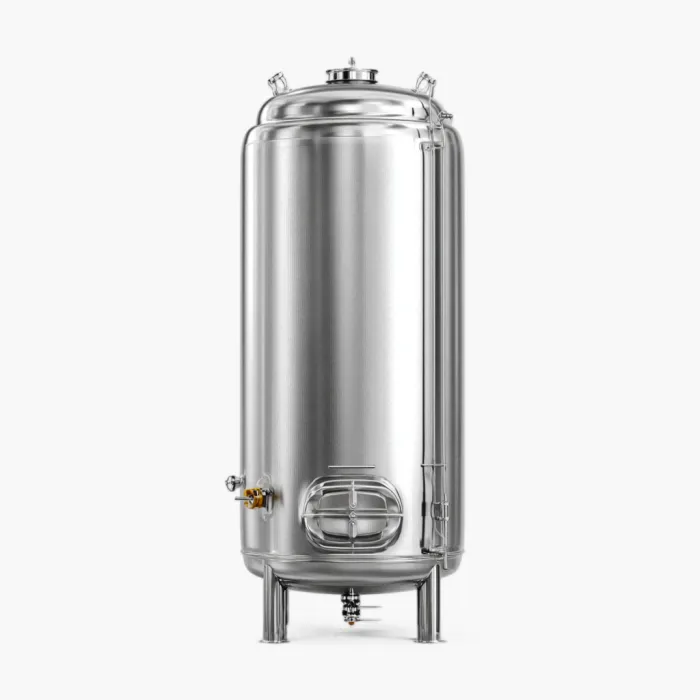
Using high-quality equipment such as COFF fermentation tanks or cider tanks helps ensure each batch of cider remains at its best.

Primary fermentation is the first step in making cider. At this stage, yeast converts sugar into alcohol and carbon dioxide. Most people store cider in fermentation tanks for about 7 to 14 days. This time allows the yeast to complete fermentation and prevents the development of undesirable flavors.
Temperature is crucial for fermentation. The optimal temperature is between 60 and 72°F (16 to 22°C). Too low a temperature will cause fermentation to stop, while too high a temperature will result in an off-flavor for the cider. Using COFF fermentation tanks helps maintain a stable temperature. These tanks are made of stainless steel and equipped with a special cooling system that provides an ideal environment for yeast activity.
After primary fermentation, the cider is transferred to another container for secondary fermentation and aging. This step can last from 1 week to 6 months. Some people age it for only a few weeks, while others wait for several months to achieve better flavor.
Extending the aging time of cider helps sediment settle to the bottom, resulting in a clearer and better-tasting cider. Most of the sediment will remain in the container, thus improving the purity of the cider. Aging also makes the cider more stable and reduces the likelihood of off-flavors.
Many factors determine the aging time of cider in the fermentation tank, including temperature, yeast strain, and sugar content. The table below lists the main factors to consider:
| Factor | Details |
|---|---|
| Temperature | Ideal range: 18-27°C (64-80°F); below 10°C may stop fermentation; above 32°C risks off-flavors. |
| Yeast Strain Selection | Different strains ferment at varying speeds: Champagne (5-7 days), Cider (7-14 days), Wild (14-30+ days). |
| Sugar Content | Higher Brix levels (18-24°) can extend fermentation time. |
COFF fermentation tanks are better than regular barrels. They are made of durable stainless steel and will not rust. This effectively prevents bacterial growth and ensures the quality of the cider. Their cooling systems maintain the temperature within an ideal range. Digital tools help winemakers monitor the fermentation process. The sealed lids isolate oxygen, thus preserving the cider’s taste and quality.
Tip: Check the cider every few days during fermentation. This helps you identify problems early and achieve optimal results.
People often ask, “How long can cider be left in fermentation tanks?” The answer depends on the type of yeast, temperature, and the equipment you use. Most cider is ready to drink after 7 to 14 days of primary fermentation and 2 to 4 weeks of secondary aging. Some cider can be aged up to 6 months if completely isolated from oxygen. High-quality equipment like COFF tanks can help you control these factors and produce premium cider.

Problems arise if cider stays in the fermentation tank for too long. Cider oxidizes easily, especially in plastic fermentation tanks. Oxygen slowly enters the tank over time, causing the cider to spoil and turn into vinegar. Spoilage occurs when wild yeast or bacteria enter the fermentation tank. Unpasteurized cider contains more wild yeast. If left unchecked, wild yeast can cause off-flavors and spoilage.
Some chemicals can cause these off-flavors:
Bottling and aging cider in the bottle instead of in the fermentation tank can help. This reduces the risk of wild yeast contamination.
Removing cider from the fermentation tank too early can cause problems. Cider may taste too sweet or develop an off-flavor similar to diacetyl. The risks of oxidation and bacterial contamination are also greater. Sometimes, wild yeasts and bacteria can make cider taste sour or vinegar-like.
If fermentation is incomplete, the sugars and yeast remain active. This can cause the bottle to gush out or even explode. The table below shows the risk levels:
| Pressure Level (volumes of CO₂) | Risk of Gushing/Shattering |
|---|---|
| 2.0–2.5 | Safe |
| 3.5 | Risk of gushing |
| 4.0+ | High risk of shattering |
Decanting refers to removing the cider from the sediment at the bottom. Timing is important.
Generally, decanting is best done 1-2 weeks after fermentation is complete. This helps prevent harmful microorganisms from developing undesirable flavors.
Some experts believe that allowing the cider to rest on the lees for a period of time is also helpful. The lees can slow oxidation and impart nutty or toasty flavors to the cider. As cider ages, tannins and flavors change, resulting in a smoother body and more complex taste.
Winemakers observe several signs to determine if fermentation is complete. When fermentation is active, foam forms on the surface of the cider. Sometimes, as the cider ages, a layer of white or brown foam appears on the surface. Crystallization on the surface may indicate that oxygen has entered. These changes affect the taste of the cider.
Another sign is the cessation of airlock bubbling. If there is no bubbling within a minute or two, it may indicate that fermentation is complete. A yeast film may also form at this time. However, airlock bubbling is not always a reliable indicator.
“Airlock bubbling is not the best way to judge the quality of cider. I’ve seen healthy cider with almost no bubbles, and I’ve seen inferior cider with lots of bubbles. Specific gravity, aroma, and clarity are better indicators.” — Dr. Sarah Lin, Fermentation Microbiologist, Cornell University Cooperative Extension Center
A hydrometer provides a more accurate reading. Cider makers use a hydrometer to measure the specific gravity of their cider. If the reading remains constant for two consecutive days, fermentation may be complete. The final specific gravity should be between 0.996 and 1.001. This range helps ensure the cider has the right flavor—neither too sweet nor too dry.
Many home cider makers misread the hydrometer reading. Cider can cause the digital hydrometer reading to be 0.003 to 0.007 higher. This error can result in a nearly 1% change in alcohol content, leading to premature bottling. Tasting the cider at this stage helps determine if fermentation is complete.
Errors during fermentation can affect the taste and safety of cider. Some common problems include:
Other problems include slow or stopped fermentation, airlock issues, excessive bubbles, loss of bubbles, bottle leakage, and improper storage. These errors can all affect the taste of the cider and even make it unsafe. Tasting the cider before bottling helps avoid many of these problems.
Cider brewers need to regularly check their cider. They monitor nutrient levels to help the yeast function better. Free amino nitrogen is crucial for yeast. Adding nitrogen at the right time helps the yeast complete fermentation. Conductivity measurements indicate whether nutrients are sufficient. Brewers can adjust as needed.
Temperature control is critical for cider fermentation. Each yeast strain reaches its optimal state at a specific temperature. This helps balance the fermentation rate and flavor of the cider. If the temperature is too high, off-flavors may develop in the cider. The table below shows how temperature affects fermentation:
| Aspect | Effect on Fermentation |
|---|---|
| Yeast Activity | Each yeast strain has an ideal temperature range for good fermentation and flavor. |
| Fermentation Speed | Higher temperatures speed up fermentation but may cause bad flavors in hard cider. |
| Flavor Production | The right temperature helps yeast clean up off-flavors and mature the cider well. |
COFF fermentation tanks maintain a stable temperature. Cooling jackets and stainless steel construction help protect the quality of the cider.
Decanting and bottling ensure the cleanliness and safety of the cider. After the primary fermentation, winemakers transfer the cider to glass fermentation tanks. They try to avoid introducing yeast and sediment to the bottom of the tank. Food-grade plastic tubing helps to isolate oxygen.
Before starting, they sterilize all equipment. They fill the fermentation tanks to almost full to minimize air space. When bottling, they use clean bottles and add sugar to create bubbles. Each bottle is capped and left to stand for six months. These steps help maintain the cider’s excellent flavor.
The fermentation tank you choose will affect the quality and shelf life of your cider. Stainless steel tanks are durable and rust-free. They maintain a stable temperature, allowing the cider to mature better. Fermentation tanks with cooling jackets provide better temperature control, thus maintaining a stable and high-quality cider.
A conical bottom makes cider production easier. The conical bottom of these fermentation tanks allows sediment such as yeast to settle to the bottom. This allows for easy separation of impurities from the cider, resulting in a purer, clearer product.
COFF fermentation tanks and cider tanks possess these characteristics, helping winemakers age their cider in barrels for the appropriate time, ensuring each batch has a mature, full-bodied flavor and exceptional quality.
Cider makers need to follow expert advice for good cider.
| Recommendation | Timeframe |
|---|---|
| Bottling/Kegging | By Friday |
| Aging in Bottles | After bottling, allows yeast to dominate wild yeast |
Winemakers should check the temperature frequently. Transferring to new barrels after fermentation is crucial. Using a high-quality fermentation tank like COFF is highly beneficial. To avoid problems, experts recommend the following:
Follow these steps to produce clear and delicious cider every time.
Primary fermentation takes about 7 to 14 days. Yeast works during this time to turn sugar into alcohol. The cider becomes less sweet as time passes. Most cider makers check the cider at this time to see if it is ready.
Cider can stay in the fermenter for up to 6 months if oxygen does not enter. Over time, the flavor can improve. If cider stays too long, off-flavors may develop. Makers should check the cider from time to time.
Temperature changes the speed of fermentation. Warmer temperatures make yeast work faster, so fermentation takes less time. Cooler temperatures slow the process, so cider needs more time. Makers should keep the temperature steady during this time.
The best time to rack cider is 1 to 2 weeks after fermentation ends. This time helps prevent off-flavors. Racking at the right time keeps the cider clear and fresh. Makers should not wait too much time before racking.
Cider making can take a long time from start to finish. Primary fermentation takes some time, and aging takes more time. Some people age cider for a long time to get better flavor. The whole process uses time to improve the drink.
Tip: Check the cider from time to time for clarity, taste, and smell. This helps avoid problems and makes the best cider.
| Step | Typical Time Needed |
|---|---|
| Primary Fermentation | 7-14 days |
| Secondary Aging | 2-6 months |
| Bottling | After aging |