

COPYRIGHT © 2022 COFF International Co., ltd. ALL RIGHTS RESERVED


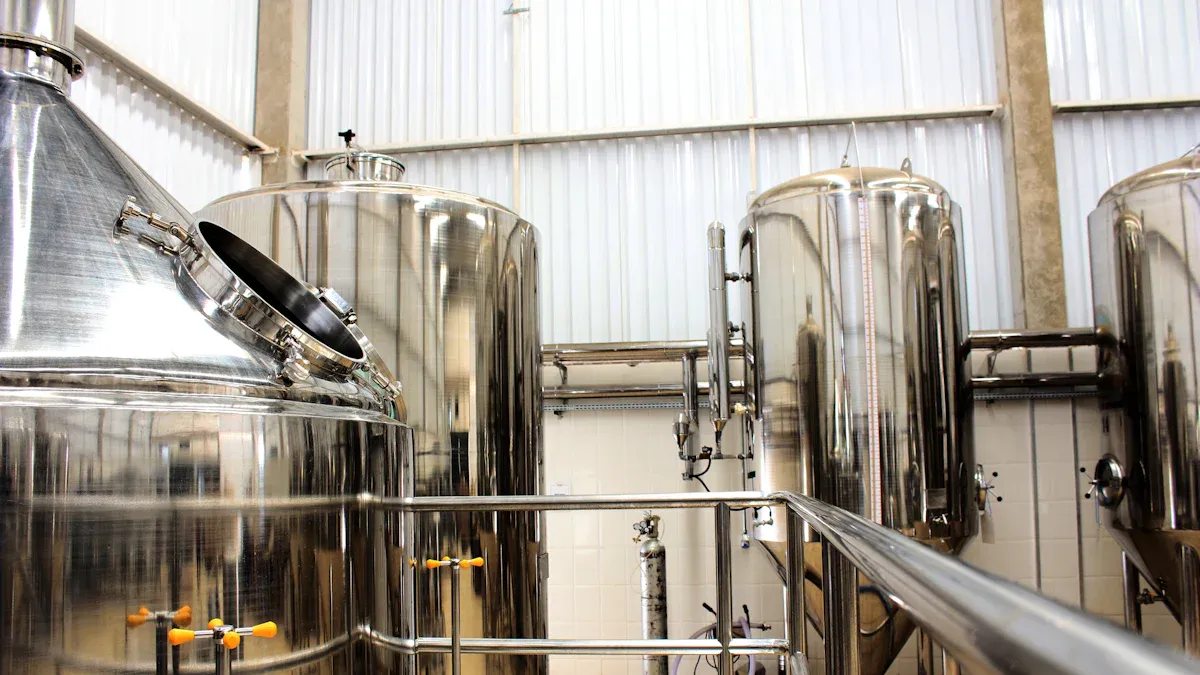
Milk storage tanks are used to store fresh milk collected from cows. This equipment maintains the milk at a low temperature and ensures its safety. Dairy farmers rely on these tanks to prevent milk spoilage. The tanks utilize cooling and agitation to maintain milk quality. Sensors and control systems help monitor temperature. A clean storage environment ensures the milk remains fresh before transportation. Milk storage tanks play a crucial role in the operation of dairy farms.

Milk storage tanks consist of many components. These components work together to ensure the safety and freshness of the milk. Each component contributes to protecting the quality of the milk.
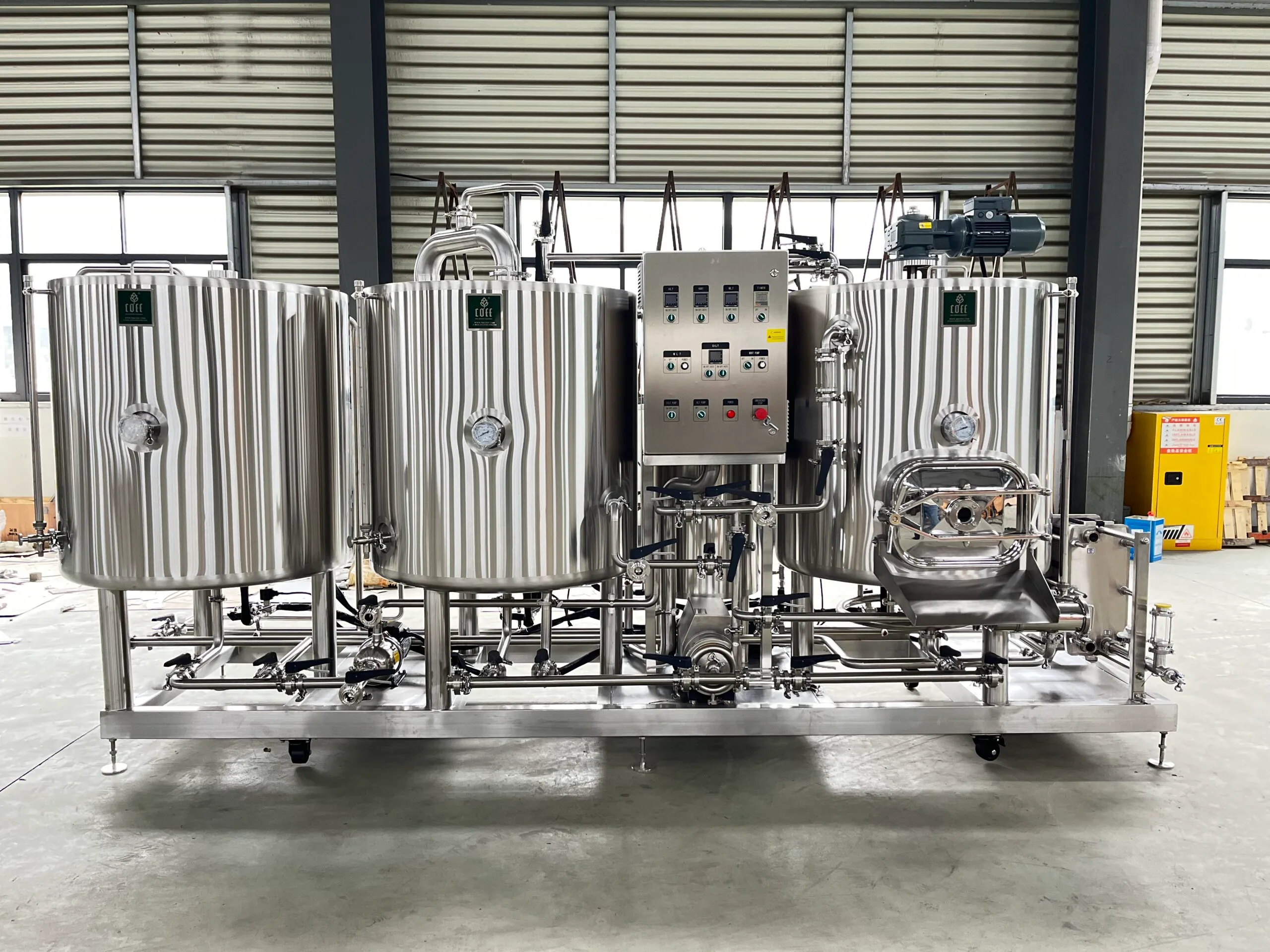
The stainless steel tank is the main component of the milk storage tank. It is made of stainless steel both inside and out. Stainless steel does not rust and is easy to clean. The tank has a thick insulation layer inside. This insulation layer is usually made of polyurethane foam or mineral wool. It keeps cold air inside the tank. The insulation layer helps keep the milk at a low temperature, thus slowing bacterial growth and ensuring the safety of the milk during storage.
| Component | Material |
|---|---|
| Inner shell | SS 304 |
| Inner Top & Bottom | SS 304 |
| Insulation | 70 mm |
| Outer shell | SS 304 |
| Outer Top | SS 304 |
The agitator is a mechanical component inside the tank. It gently agitates the milk, keeping it fluid. This prevents cream from rising to the top and maintains a uniform temperature throughout the tank.
The agitator keeps milk smooth and even while it is stored.
The cooling system keeps the milk at a low temperature. Most storage tanks employ either direct expansion cooling or ice storage. Direct expansion cooling uses an evaporator at the bottom of the tank for rapid cooling of milk. Ice storage stores cold energy in ice and uses the ice to cool the milk when needed. Both systems use compressors, condensers, and evaporators, which are responsible for absorbing heat from the milk.
Control panels allow workers to set and monitor the temperature. Sensors inside the tank monitor the milk temperature, ensuring it remains between 2°C and 4°C. The system issues a warning if the temperature fluctuates too much. Some tanks are equipped with intelligent control systems that display real-time data and aid in cleaning and agitation.
Dispensing valves are located at the bottom of the tank, facilitating workers’ transfer of milk from the tank to trucks. Newer dispensing valves help reduce waste and prevent the spread of bacteria. Interfaces on the tank allow workers to safely add or remove milk.
A good outlet valve makes milk storage clean and easy.
The journey of milk begins in the milking parlor. Workers guide the cows into clean pens. Each cow stands in its own pen. Milkers clean the udder and apply a pre-dip solution, usually an iodine solution, to each teat. This step helps remove bacteria and dirt. After drying the teats, milkers milk by hand, allowing milk to flow. The milking machine’s suction tube is attached to the teat. The machine gently sucks out the milk. After milking, the machine automatically disengages. Workers sterilize the teats after milking to protect them from bacterial infection. The cows leave the milking parlor, and the above process is repeated for the next batch of cows.
Cleanliness in the milking area and equipment helps keep milk safe from the start.
Milk is transported from the milking machine to storage tanks via stainless steel pipes. During this process, the milk passes through special filters. These filters remove solid particles such as dirt, hair, and straw. Farms typically use sleeve or double-walled filters for pipe milking.
Hygiene is paramount at this stage. Workers keep the storage area clean and maintain all equipment. They wear clean clothes and wash their hands before handling milk. After each use, they clean and sterilize the milking equipment. The milk is rapidly cooled in the storage tanks to maintain its freshness and ensure safe storage.
The milk enters the storage tank warm. The tank uses a refrigeration system to rapidly cool the milk. Most tanks are equipped with compressors, condensers, evaporators, and sometimes a water circulation system or ice storage. The compressor delivers refrigerant to the condenser, which then releases heat.
Farmers need to rapidly cool the milk to 4°C or lower. Cooling times are as follows:
Rapid cooling of milk slows bacterial growth and maintains milk quality. The table below shows how higher temperatures accelerate bacterial growth in stored milk.

| Temperature (°C) | Time to reach 105 cfu mL−1 (min) |
|---|---|
| 10 | No increase |
| 14 | 1020 |
| 16 | 600 |
| 20 | 480 |
Cooling milk fast in the bulk tank stops bacteria from growing and keeps milk safe.
After cooling, the milk tanks will maintain the milk at a low temperature. The refrigeration system operates continuously to ensure milk safety. Sensors and controllers monitor the milk temperature. If the milk temperature rises, the system cools it again. Most storage tanks maintain the milk temperature between 33°F and 38°F. This keeps the milk fresh and prevents spoilage.
Temperature control is crucial for milk quality. If the temperature changes, the system must react quickly. Refrigeration inhibits bacterial growth. Farmers rely on refrigeration to protect their milk.
Good temperature control keeps milk fresh until it is moved.
Agitation is essential for milk storage. Agitators inside the tank gently agitate the milk. This prevents fat separation and rising to the top. The tightly spaced impellers agitate the milk without damaging it. Agitation also keeps the temperature inside the tank uniform.
Agitation and refrigeration work together to ensure milk safety. Milk storage tanks utilize these systems to provide a stable supply of high-quality milk.
Agitation and refrigeration prevent milk spoilage and ensure consistent quality.

Before transporting milk, workers check the milk level in the storage tanks. They use specialized measuring rods or sensors to measure the milk volume. Next, they take a small sample of milk from the tank. This sample undergoes temperature, bacterial, and somatic cell count testing. These tests ensure the milk is safe and of good quality. Careful measurement and testing help ensure buyer safety and compliance with dairy industry regulations.
Checking and testing milk helps stop problems during transport.
Specialized tools are used to transfer the milk from the storage tanks to the trucks. Workers connect clean hoses to the discharge valves. Pumps deliver the milk quickly and safely. They operate strictly according to procedures to keep the milk cold and clean. The trucks must maintain the milk temperature between 2°C and 4°C during loading.
| Procedure | Description |
|---|---|
| Temperature Control | The milk is cooled to 2-4°C before loading. Insulation ensures the milk remains cold during transport. |
| Sanitary Design | Smooth tank surfaces and a CIP system prevent bacterial growth. |
| Inspection | Trucks undergo cleanliness and sealing checks. |
| Cleaning Process | Trucks are cleaned using a CIP system after delivery. |
The cleaning system ensures the safety of both the milk bulk tanks and the trucks. Workers check the water quality and select appropriate cleaning agents. They first use alkaline or chlorine-based cleaners. Then, they use acidic cleaners to break down milk fat and prevent the formation of an oil film. After cleaning, they flush the pipes with acid. Cleaning is performed before sterilization to remove all dirt. Cleaning is mandatory after each use.
Improper cleaning can lead to excessively high somatic cell counts in the milk or mastitis. These problems affect the quality and safety of the milk.
A good cleaning system ensures that the milk is safe and meets relevant regulations.
Milk bulk tanks are crucial in dairy farms. It ensures the safety and freshness of milk. Milk storage tanks quickly cool milk after collection and store it at the appropriate temperature. They also agitate the milk to keep it homogeneous. From collection to cleaning, every step helps prevent bacterial growth and milk spoilage. Farms benefit greatly from using milk storage tanks:
All of these contribute to farms producing high-quality milk and operating efficiently.
Workers clean the milk tanks after each milk collection. Cleaning prevents bacterial growth and ensures milk safety. The farm strictly follows procedures to comply with safety regulations.
Milk is safe between 33°F and 38°F. Sensors monitor the tank temperature to maintain the milk at a low temperature. This temperature inhibits bacterial growth and maintains milk quality.
Agitators agitate the milk to prevent fat separation. Agitation ensures the milk remains stable. Agitation also helps maintain a uniform temperature in the tanks.
The farm uses specialized measuring rods or sensors to measure the milk. Workers record the measurement results before moving the milk. Measurement aids in sampling and quality checks.