


COPYRIGHT © 2022 COFF International Co., ltd. ALL RIGHTS RESERVED


The best fermentation vessels for making cider are stainless steel conical fermenters. Brands like COFF, BrewBuilt, and Speidel are known for their excellent quality. These stainless steel conical fermenters are durable, offer excellent temperature control, and are quick and easy to clean. They help cider makers maintain pure flavors and ensure consistent and reliable batches of cider. Every cider maker should consider their brewing volume and taste preferences.

Stainless steel conical tanks are the preferred choice for cider brewing. Many cider makers choose these tanks because they are incredibly clean and durable. They also offer excellent temperature control. The smooth surface of stainless steel is easy to clean, preventing bacterial growth and ensuring the safety and consistent quality of each batch of cider. Stainless steel does not rust and will not impart any off-flavors to the cider.
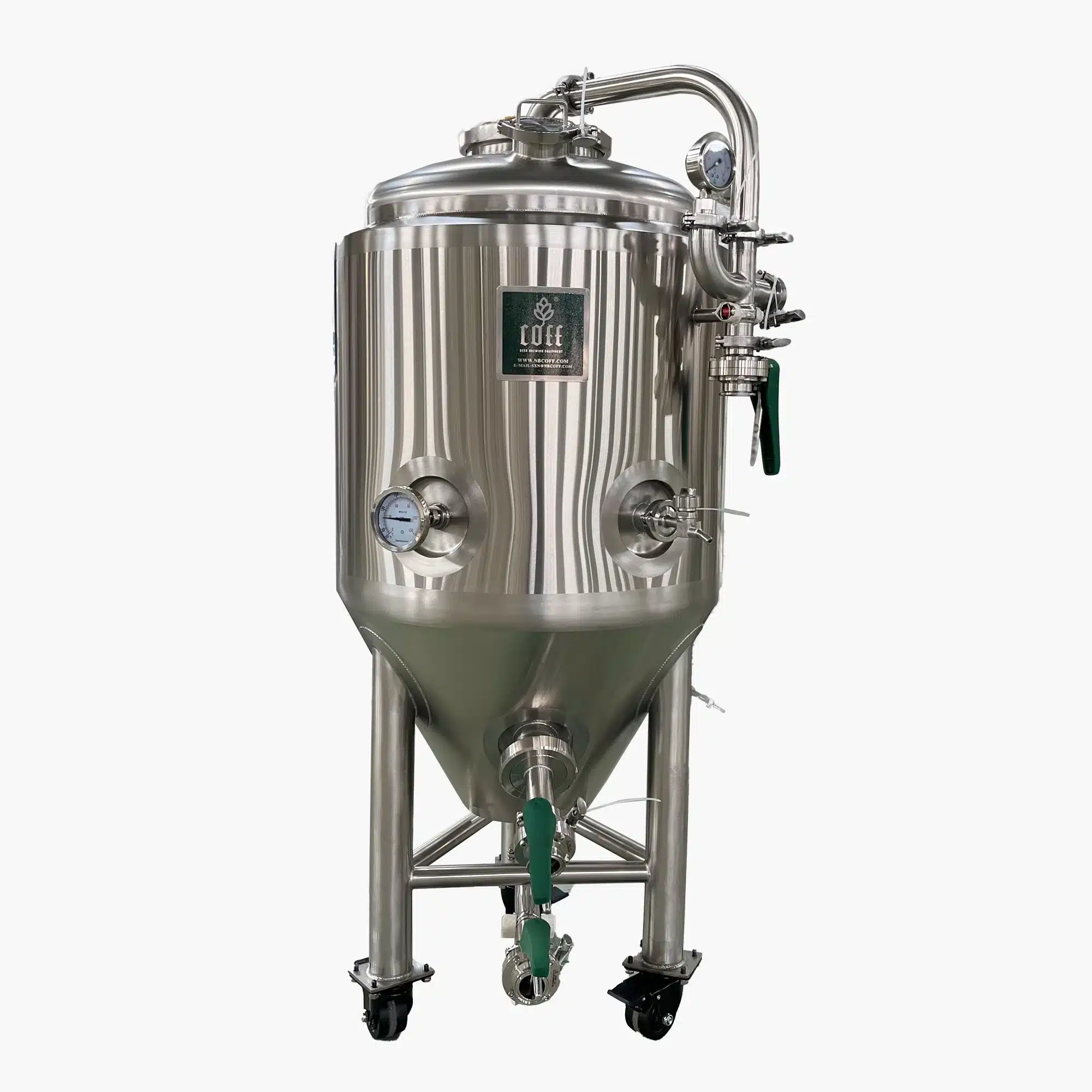
Temperature control is crucial for cider brewing. The cooling jackets on these tanks help maintain a stable temperature, resulting in better-tasting, clearer cider with a longer shelf life. The conical design allows sediment to settle at the bottom, making it easy to remove the clear cider. These tanks are available in a variety of sizes, suitable for both home brewers and large-scale cider producers.
| Advantage | Description |
|---|---|
| Hygienic Properties | The smooth surface is easy to clean and sanitize, preventing bacterial growth and ensuring consistent batch quality. |
| Durability | Rust-proof, corrosion-resistant, and long-lasting, without producing any off-flavors. |
| Temperature Management | Cooling jackets help control temperature, which is essential for brewing high-quality cider. |
Cider makers using stainless steel conical tanks have better control over the fermentation process, resulting in superior taste and appearance. Maintaining a stable temperature is crucial for yeast activity and flavor development. Many stainless steel tanks are designed to keep the cider at the optimal temperature, a necessary condition for brewing high-quality cider.
COFF fermentation tanks have special features designed specifically for cider brewing. These tanks are equipped with one-way valves that prevent air from entering. The valves allow carbon dioxide to escape but prevent oxygen from entering, protecting the cider from off-flavors. COFF tanks also release excess pressure, preventing the tank from bursting.
COFF tanks have internal control panels and sensors, allowing cider makers to monitor and adjust temperature and pH levels. They also feature stirring mechanisms to agitate the cider for even fermentation. These tanks can also store data for reviewing the brewing process of each batch.
COFF tanks maintain stable temperatures, ensuring the cider consistently maintains optimal quality. These tanks have self-cleaning features, maintaining hygiene and preventing off-flavors. The robust stainless steel construction makes COFF tanks durable and long-lasting. These features make COFF tanks an ideal choice for small or large-scale cider producers.
Tip: COFF fermentation tanks help cider producers achieve a safe, clean, and convenient fermentation process. This means better-tasting cider and less risk of bacterial contamination.
Other brands also produce high-quality cider fermentation tanks. BrewBuilt uses stainless steel and has a conical shape. This shape helps remove yeast and is easy to clean. BrewBuilt fermenters are generally considered durable and perform well. These fermenters are suitable for experienced brewers and large-scale brewing.
Speidel and Fermzilla, on the other hand, use plastic materials. Their fermenters are lightweight and easy to move. Speidel is popular for its suitability for small-batch cider brewing. However, some people worry that plastic fermenters are prone to scratches and bacterial growth. Fermzilla is a more affordable option, made from sturdy PET material. It has a smooth surface, is easy to clean, and features a large lid for easy access to the interior. Fermzilla is suitable for pressurized fermentation and adding other ingredients.
| Fermenter | Material | Design Features | User Feedback |
|---|---|---|---|
| BrewBuilt | Stainless Steel | Conical design facilitates yeast sedimentation and is easy to clean | Durable, produces high-quality cider, easy to control the fermentation process |
| Speidel | Plastic | Lightweight and easy to move | Concerns about scratches and bacterial growth, suitable for small-batch brewing |
| Fermzilla | Plastic | Lightweight and easy to move | Same concerns as Speidel, cheaper, but more difficult to clean |
| Feature | FermZilla All Rounder |
|---|---|
| Price | The cheapest pressure-rated fermenter |
| Durability | Made from sturdy PET material, easy to clean |
| Cleaning Ease | Very smooth surface with no crevices where dirt can accumulate |
| Pressure Rating | Same as FermZilla Conical, good pressure resistance |
| Lid Opening | 4.75 inches wide, convenient for cleaning |
| Accessory Installation | Easy to add thermometer sleeves or cooling coils |
BrewBuilt is best suited for users who prioritize durability and control over the fermentation process. Speidel and Fermzilla are suitable for beginners or small-batch brewing. Each brand has different characteristics. Cider brewers should choose the appropriate fermenter based on their goals and brewing volume.

Many cider brewers initially use plastic buckets. These buckets are cheaper than other options. They are lightweight and easy to carry. They are also easy to clean, making them popular with beginners. However, plastic buckets are not as durable as containers made of other materials. Air can permeate the plastic and affect the taste of the cider. The table below lists the main advantages and disadvantages:
Advantages:
Economical
Lightweight
Easy to Clean
Disadvantages:
Plastic buckets are suitable for small-batch cider making. Those looking to save money will choose this method. They need to be careful to check the bucket for scratches. Scratches can easily harbor bacteria and affect the quality of the cider.
Glass fermentation vessels allow brewers to observe the process during fermentation. Glass clearly shows bubbles and color changes. Glass is not easily scratched and does not retain odors. This helps maintain the freshness of the cider. Brewers can use glass fermentation vessels for many years. Glass effectively blocks bacteria, ensuring the safety of the cider.
Glass fermentation vessels require careful handling. They are heavier than plastic buckets. They may break if dropped. Cleaning narrow-necked bottles requires special tools. Adding fruit or spices is also more difficult.
Stainless steel conical fermenters are ideal for cider making. Brewers can easily clean these tanks. The smooth surface prevents bacterial growth. Stainless steel is resistant to scratches and damage. This means less effort is required for maintenance. Rinsing with warm water removes most dirt. Using a mild detergent ensures the fermenter is safe and harmless for cider.
Stainless steel conical fermenters help control temperature. They ensure the quality of cider batches. The conical design allows sediment to settle at the bottom. This results in clearer cider.
PET fermenters and other types of fermenters are lightweight and easy to move. Brewers find PET containers easy to clean. However, plastic fermenters may harbor bacteria over time. This can affect the taste and shelf life of the cider. Stainless steel is more durable than plastic. Brewers who want a longer shelf life for their cider will choose stainless steel fermenters.
Tip: Brewers should choose a fermenter that suits their cider-making plan, batch size, and desired strength.
Plastic buckets are a basic tool for starting cider making. Many novice brewers choose them because they are inexpensive and lightweight. You can easily move them around. Cleaning is quick and easy. However, plastic buckets are not as durable as containers made of other materials. Air can penetrate the plastic, altering the taste of the cider. Scratches on the bucket can harbor bacteria, affecting the quality of the cider.
Pros:
Cons:
Tip: Regularly inspect your plastic buckets to ensure they are safe and harmless for your cider.
Glass fermenters remain a popular choice for cider making. You can observe the cider bubbling and changing color inside the jar. The glass is scratch-resistant and prevents air from entering. This helps keep the cider fresh. With proper care, glass fermentation jars can last for many years. They are heavy and can shatter if dropped. The small opening makes it difficult to add fruit or spices.
| Pros | Cons |
|---|---|
| Good sealing keeps the cider fresh. | Heavy and difficult to move. |
| Easy to clean and scratch-resistant. | Fragile and easily broken if dropped. |
| Can last a long time with proper care. | Small opening makes adding ingredients difficult. |
Note: Glass fermentation jars are ideal for small-batch cider making if handled carefully.
Stainless steel fermenters are ideal for making cider. They are durable and resistant to damage. Winemakers say that stainless steel fermenters are easy to clean, which helps ensure the hygiene and safety of the cider. These fermenters allow for excellent temperature control, resulting in better-tasting and better-looking cider. Stainless steel fermenters are also aesthetically pleasing and suitable for any location. The main drawbacks are their higher price and heavier weight.
Pros:
Cons:
| Advantages | Limitations |
|---|---|
| Super durable | Higher cost |
| Easy to clean | Difficult to move |
| Good temperature control | High initial price |
Tip: Stainless steel fermenters help brewers consistently produce high-quality cider.
PET fermenters and other plastic fermenters are lightweight and easy to use. They are inexpensive and easy to move. Cleaning a PET fermenter is also simple. However, they are not as durable as stainless steel fermenters. Over time, air can enter the fermenter, altering the taste of the cider. Brewers who want their cider to last longer usually choose stainless steel fermenters.
Pros:
Cons:
Tip: PET fermenters are best suited for small batches and short-term storage.
Choosing the right size fermenter is crucial. Homebrewers typically brew small batches of cider. These batches range from 1.5 to 2.5 gallons. This capacity is suitable for most kitchens. It helps beginners learn how to brew cider. A 5-gallon batch can produce approximately 50 bottles of cider. You need to consider how often you plan to brew.
| Batch Size | Yield (Bottles) |
|---|---|
| 1.5-2.5 gal | 15-25 |
| 5 gal | 50 |
| 100 gal | 1,000 |
Clean equipment is crucial for ensuring safe and delicious cider. Plastic fermenters should be cleaned with a soft sponge to avoid scratching. Rinse the fermenter immediately after use to prevent sticky residue buildup. Clean with a cleaning agent such as PBW or B-Brite. Always follow the cleaning agent’s instructions. COFF and other brands of 304 stainless steel fermenters utilize a CIP (Clean-in-Place) cleaning system. Sanitize before brewing cider to prevent bacterial contamination from affecting fermentation.
Airlock systems and temperature control are very important. Stainless steel fermenters can isolate oxygen, preventing the cider from spoiling. Cooling jackets and control panels help maintain stable temperatures. A one-way airlock valve allows carbon dioxide to escape while preventing air from entering, keeping the cider fresh and safe during fermentation.
| Feature | Description |
|---|---|
| Oxygen Seal | Stainless steel isolates oxygen, preventing spoilage. |
| Temperature Control | Built-in systems keep the cider at the optimal temperature. |
| Airlock Mechanism | A one-way valve releases carbon dioxide and blocks oxygen, maintaining cider quality. |
Brewing cider requires safe and durable materials. COFF’s stainless steel fermenters are made of food-grade stainless steel. These fermenters comply with ISO9001 and EU CE standards. This means they are safe, reliable, and perform exceptionally well. Stainless steel does not rust and is highly durable. The smooth inner walls and good welding make cleaning easier and prevent bacterial growth. Brewers who want a long-lasting fermenter will choose stainless steel.
| Certification/Rating | Description |
|---|---|
| ISO9001 | Makes sure products and services are always good. |
| EU CE | Meets health, safety, and environment rules. |
Tip: Choose a fermenter with the right features. This will help ensure successful brewing of every batch of cider.
First-time cider brewers want simple and inexpensive equipment. The Northern Brewer 5-gallon plastic fermenting bucket is ideal for beginners. These buckets are lightweight and easy to carry, and come with a lid and airlock for quick setup. Cleaning is also simple, ensuring the safety of the cider. Flat-bottom fermenters made of plastic or glass are less expensive than conical fermenters. However, you will need to transfer the cider to another container to remove the sediment.
| Fermenter Type | Key Features | Suitability for Beginners |
|---|---|---|
| Plastic Fermenters | Lightweight, inexpensive, and easy to use | Excellent for beginners |
| Northern Brewer Bucket | Simple design, includes lid and airlock, easy to clean | Suitable for first-time users |
| Flat-bottomed Fermenters | Lower cost, requires extra steps to remove sediment | Suitable for those on a budget |
Tip: Beginners should choose a fermenter that is easy to clean and use. This will help them learn how to brew cider.
Homebrewers of cider want better control over the brewing process. They might choose moderately priced stainless steel or PET fermenters. Stainless steel helps control temperature and is more durable. PET fermenters are lightweight and easy to handle. Both types of fermenters can help homebrewers make better cider at a lower cost.
Homebrewers should choose fermenters made from food-grade materials. Fermenters with smooth inner walls and removable parts are easier to clean. Good temperature control ensures consistent cider quality with every batch.
| Feature | Description |
|---|---|
| Food-grade contact materials | All parts should be safe and non-toxic, and should not affect the taste of the cider. |
| Temperature control accuracy | The fermenter should maintain a stable temperature for better cider brewing. |
| Sanitation Accessibility | Smooth surfaces and removable parts help prevent bacterial growth and make cleaning easier. |
Note: Homebrewers can make better cider by choosing fermenters that are easy to clean and control.
Experienced cider brewers strive for optimal brewing results. They choose high-quality stainless steel fermenters from brands like COFF and BrewBuilt. These fermenters offer excellent temperature control and are easy to clean. COFF fermenters feature cooling jackets and smooth welded joints. These features ensure the safety and good taste of the cider.
Experienced brewers typically brew larger batches of cider, requiring robust and durable equipment. COFF and BrewBuilt stainless steel fermenters meet the needs of every stage, from fermentation to storage.
Experienced cider brewers can use stainless steel fermenters with special features to produce high-quality cider.
Small batch fermenters are suitable for brewing a few gallons of cider. Many people use them at home because they can fit on a countertop and don’t take up much space. Common types include stainless steel conical fermenters, glass fermenters, and plastic buckets. Each type has its advantages and disadvantages.
| Fermenter Type | Advantages | Disadvantages |
|---|---|---|
| Stainless Steel Conical | Simple to clean, strong, holds high pressure | Costs more than others |
| Glass Carboys | You can see inside, does not react with cider | Heavy and can break |
| Plastic Fermenters/Buckets | Cheap, easy for beginners | Does not last long, must be food safe |
Many people use kits like the Brew Demon Hard Cider Kit Pro. This kit includes a conical fermenter and reusable tools. Beginner brewers will find these kits very easy to use.
Tip: Choose a fermenter that suits your space and experience level.
Medium-sized fermenters are suitable for those who want to brew more cider. These fermenters have a capacity of five to fifteen gallons. Stainless steel conical tanks are durable and easy to clean. Glass fermenters can also be used, but they are heavy and difficult to move. Some people use PET fermenters because they are lightweight and portable.
Medium-sized fermenters should be equipped with airtight lids and airlocks. These devices prevent bacteria from entering the cider. Stainless steel tanks are often equipped with cooling jackets to help control the temperature. PET fermenters are inexpensive and can be used for a considerable amount of time.
Note: Medium-sized fermenters can help you brew more cider while maintaining taste and quality.
Large fermenters are suitable for large-scale cider producers or users with higher production volumes. These fermenters have a capacity of over fifteen gallons. Stainless steel conical fermenters are durable and easy to clean. COFF fermenters feature smooth welds and cooling jackets. These help ensure the safety of the cider and consistency between batches.
Large fermenters must be sturdy, durable, and easy to clean. Stainless steel tanks do not rust and can be used for many years. Large cider producers often choose COFF fermenters because the size and features can be customized as needed. Large fermenters also help control temperature and pressure during the fermentation process.
Tip: Large fermenters are best suited for those who want to brew large quantities of cider.
Cider brewers looking for the best fermenter should consider stainless steel conical tanks. COFF is known for its good functionality and superior performance. The best fermenter choice depends on your cider production volume and brewing experience. The table below lists factors to consider:
| Factor | Description |
|---|---|
| Batch Size | Choose a fermenter that suits your usual batch size. |
| Budget | Plastic fermenters are less expensive; stainless steel fermenters are more expensive. |
| Brewing Frequency | A durable fermenter is more suitable for those who brew frequently. |
| Space | Ensure you have enough space for a larger fermenter. |
| Experience Level | Beginners prefer simple fermenters; experts require more advanced equipment. |
When making cider, consider the following:
Choosing the right fermenter is crucial for brewing delicious cider. COFF and other top brands offer a variety of options for all cider makers. Explore these options and take your cider brewing to the next level.
Most experts agree that stainless steel conical fermenters are the best option. These fermenters help maintain a stable temperature and ensure that each batch of hard cider is clean and sanitary. Stainless steel does not rust and does not alter the taste of the cider. Brewers use these fermenters to brew both small and large batches of hard cider.
Fermentation vessels should be cleaned after each fermentation. Cleaning removes yeast, sugars, and bacteria. Frequent cleaning prevents bacterial growth. Stainless steel fermenters are easier to clean than plastic or glass fermenters.
Plastic buckets are suitable for beginners. They are inexpensive and easy to use. However, plastic is easily scratched and can harbor bacteria. The bucket should be inspected for damage before use.
Temperature control helps the yeast function properly. Maintaining a stable temperature results in a tastier and clearer hard cider. Stainless steel fermenters are often equipped with cooling jackets for better temperature control.
Home brewers typically choose fermentation vessels with a capacity of 1.5 to 5 gallons. This size fits most kitchens and is easy to use. Larger fermenters can be used if more hard cider needs to be brewed.