


COPYRIGHT © 2022 COFF International Co., ltd. ALL RIGHTS RESERVED

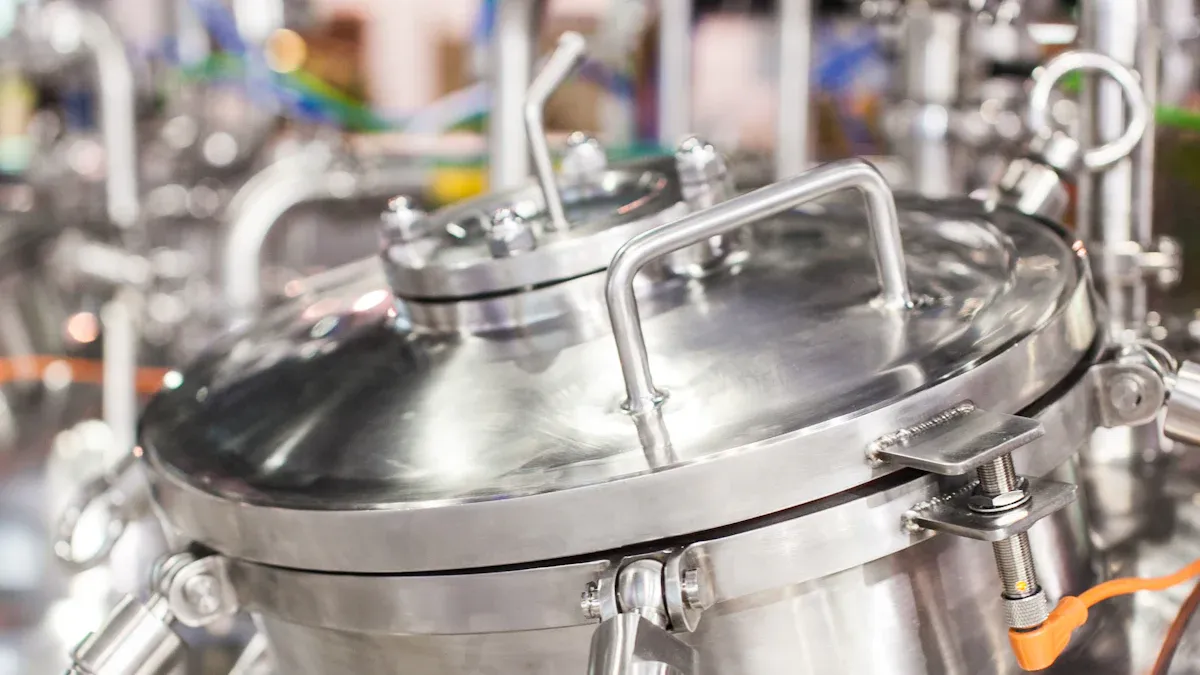
Yes, stainless steel tank works very well for storing milk. This material keeps milk safe and good to drink. Many dairy producers use stainless steel milk tanks. These tanks stop contamination and keep milk fresh. People often worry about milk storage because of:
Chemicals and contamination from bad containers
Waste and safety problems from wrong labels
Leaks from containers that are too full
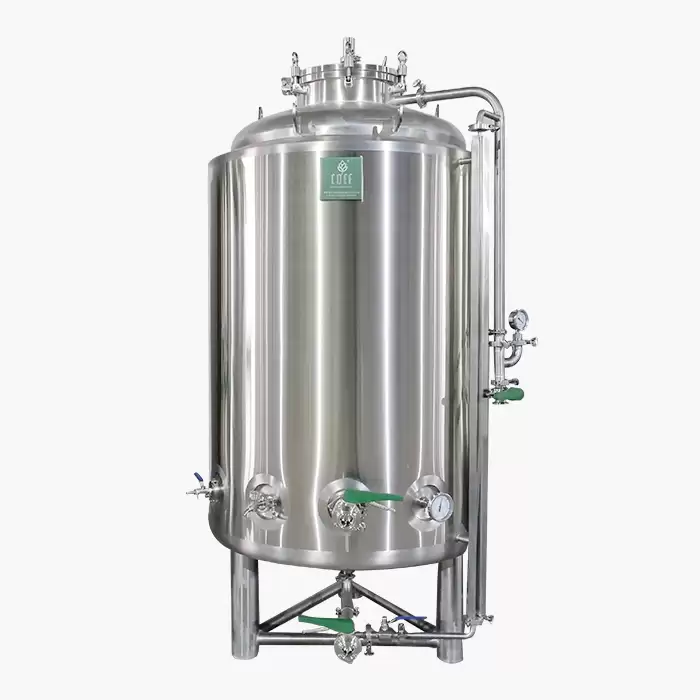
Stainless steel milk tanks fix these problems and help keep milk safe and high-quality.COFF is your reliable china milk tank manufacturer partner.
Stainless steel milk tanks keep milk safe and fresh. They stop germs and chemical changes from happening. Food-grade certification means these tanks follow strict safety rules for milk. The smooth surface of stainless steel is easy to clean. This helps stop bacteria from growing. Stainless steel tanks are strong and last 10 to 20 years. This makes them a good choice for dairy farms. Stainless steel keeps the taste and quality of milk the same. It does not react with the milk.
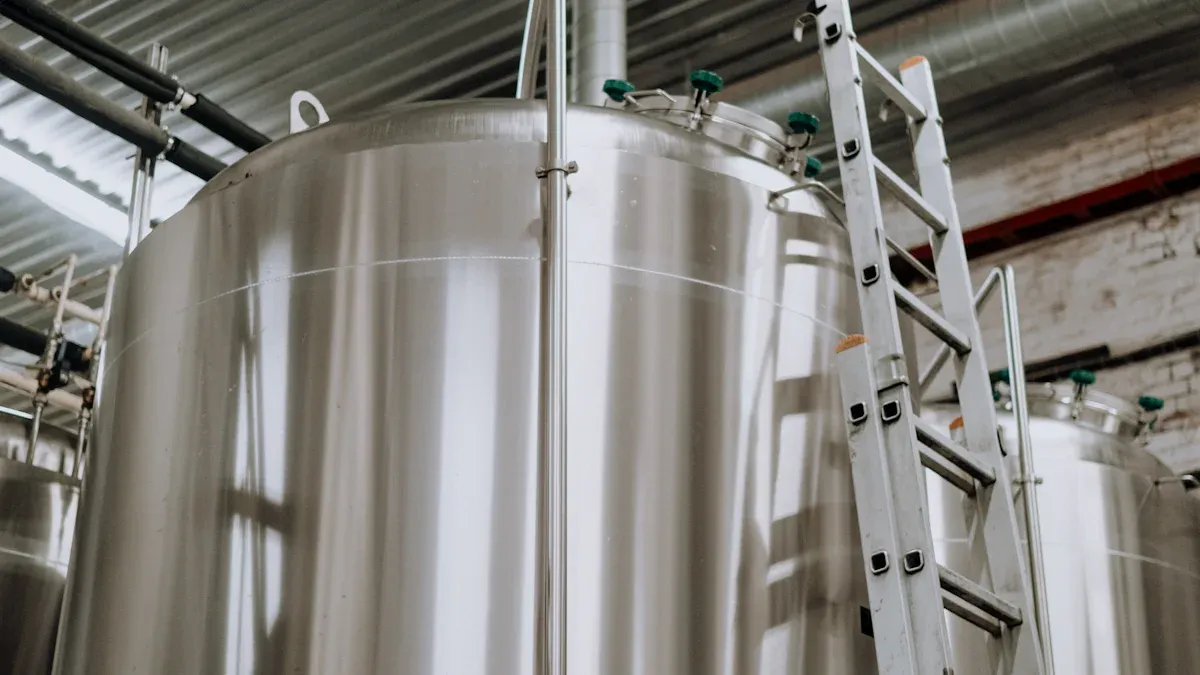
COFF makes milk tanks with food safety in mind. They use food-grade stainless steel for every tank. These certifications prove the tanks meet strict rules for storing milk safely. The table below lists important standards for stainless steel milk tanks:
Certification Standard | Description |
|---|---|
ISO 9001 | This standard checks that products and services are always good quality. |
NSF/ANSI 61 | This standard makes sure parts that touch food are safe. |
AWWA D103-09 | This standard checks that tanks are strong and safe for storing water. |
COFF also follows ASME rules when making milk tanks. These rules help make tanks strong and safe. ASME-certified tanks can be made in different sizes and shapes. They can have special fittings and coatings inside. These choices help dairy farms get tanks that fit their needs and keep milk safe.
Milk has acids like lactic acid. These acids can react with some materials. COFF’s stainless steel tanks do not react with milk. This keeps milk safe and fresh. Stainless steel does not rust or let bad stuff into the milk.
Tests show that grades like AISI 316 L and LDX 2101 do not corrode much. They do not release metals above safe limits. The table below shows how different stainless steel grades act in milk tanks:
Stainless Steel Grade | Corrosion Behavior in Simulated Milk | Metal Release in Whey Protein Solution |
|---|---|---|
AISI 316 L | Very little corrosion, no active rust | More metal release than SMS |
AISI 430 | Shows pitting corrosion in SMS | Much higher metal release |
LDX 2101 | Least likely to corrode | Lower metal release over time |
Stainless steel surfaces do not react with milk. This keeps milk pure while it is stored. Stainless steel resists rust better than aluminum. Aluminum can let harmful things into milk. The smooth surface of stainless steel tanks makes cleaning easy. This helps keep milk safe and clean.
COFF’s stainless steel milk tanks do not have harmful chemicals. Some plastics and metals have chemicals that can hurt people. These chemicals can cause health problems. Stainless steel tanks keep milk safe from these risks.
Stainless steel tanks do not soak up bad stuff or let tiny plastics into milk. The surface stops contamination and helps keep things clean. Special cleaning agents can remove almost all harmful germs from the tank. This lowers the chance of milk getting dirty. The tank protects milk from bacteria and keeps it safe to drink.
COFF’s stainless steel milk tanks are very safe for storing milk. Food-grade certification, chemical resistance, and non-toxic storage all help keep milk fresh and safe for dairy farms.
Stainless steel milk tanks help keep milk tasting fresh. They do not react with milk, so the flavor stays the same. Other materials, like plastic or aluminum, can change the taste. They can also make milk spoil faster. Stainless steel keeps milk at its best by stopping these changes.
Stainless steel does not change how milk tastes.
It keeps milk fresh and stops it from spoiling, unlike plastic and aluminum.
Stainless steel does not react with milk, so it helps keep the nutrients.
COFF uses stainless steel in their milk tanks to protect taste and nutrition. The smooth inside of the tank helps milk stay fresh longer. Insulated tanks keep the temperature steady, which is important for milk quality.
Bacteria can spoil milk fast if not stopped. Stainless steel milk tanks help stop bacteria from growing. The smooth surface makes it hard for germs to stick and multiply. This means milk stays safer and cleaner while stored.
Milk in plastic containers had a contamination rate of 12.16%.
Milk in stainless steel containers had a contamination rate of 7.35%.
The difference in contamination was not big enough to matter (p>0.05).
The study shows that using stainless steel with three types of milk with different fat levels lowers the amount of Staphylococcus aureus that sticks. The results show that milk changes the surface of stainless steel, which affects how bacteria attach. When milk has more fat, stainless steel becomes less sticky for bacteria. This means stainless steel works well to stop bacteria from sticking to milk tanks.
COFF’s stainless steel milk tanks are made to lower the risk of contamination. The tanks are easy to clean, so bacteria have less chance to grow. This keeps milk safe and good for everyone.
Keeping the right temperature is important for milk quality. COFF’s stainless steel milk tanks have built-in temperature sensors. These sensors check the temperature all the time. They help keep milk between 3 and 8 °C, which is best for freshness and safety. The sensors work fast and even during cleaning, so milk always stays cold.
Modern milk tanks use these sensors to make sure milk does not get too warm or too cold. This keeps milk fresh and safe. The sensors also help save energy and make work easier. When milk stays at the right temperature, it keeps its taste and nutrients.
COFF’s stainless steel milk tanks use insulation to keep milk cold longer. This helps stop spoilage and keeps milk quality high. Fast cooling, insulation, and good sensors make these tanks a great choice for keeping milk fresh.
Stainless steel tanks have smooth surfaces. These surfaces are shiny and easy to clean. They do not soak up liquids or smells. This helps keep milk fresh. Experts like stainless steel for food because it does not rust. It also stops milk from sticking to the tank. The shiny finish makes wiping up milk easy.
The surface stays smooth and does not soak up anything.
Shiny finishes help keep tanks clean.
Stainless steel does not rust, so it lasts longer.
Stainless steel tanks help stop bacteria from growing. Chromium in stainless steel makes a shield. This shield helps fix scratches and keeps bacteria away. Plastic can crack and hold milk. Stainless steel does not chip or keep flavors. Glass is easier to clean than plastic. But glass is not as strong or self-fixing as stainless steel.
A study looked at different tank surfaces. Electropolished stainless steel stopped the most bacteria and biofilm.
Treatment Type | Bacterial Attachment Reduction | Biofilm Formation Reduction |
|---|---|---|
Sand-blasted | Moderate | Low |
Sanded | Low | Moderate |
Electropolished | High | Very High |
This makes stainless steel tanks great for keeping milk safe and clean.
Modern milk tanks often use Clean-in-Place (CIP) systems. These systems clean the tank inside by themselves. This saves time and makes cleaning better. Stainless steel tanks work well with CIP systems. They do not rust and can handle strong cleaners.
Feature | Benefit |
|---|---|
Automated Cleaning | Saves time and money, makes work faster. |
Increased Hygiene | Lowers contamination more than cleaning by hand. |
Corrosion Resistance | Makes tanks last longer. |
Production Integration | Fits easily into dairy production lines. |
Checking seals and cleaning filters helps CIP systems work well. This keeps the milk tank clean and makes sure milk is safe for everyone.
Stainless steel milk tanks last a long time. Many dairy farms use them because they last longer than plastic tanks. Most stainless steel tanks work for 10 to 20 years. This means farms do not need to replace them often. Less replacement means less waste. The table below shows how long each material lasts:
Material | Average Lifespan |
|---|---|
Stainless Steel | 10 to 20 years |
Glass-Lined | 10 to 20 years |
Plastic | Shorter than steel or glass |
Stainless steel is strong in dairy farms for many reasons. It does not rust and keeps milk safe. It is easy to clean and does not react with milk. Stainless steel can handle hot and cold temperatures. The table below explains why stainless steel works well:
Characteristic | Explanation |
|---|---|
Hygiene and Cleanliness | Smooth surface is easy to clean and keep safe. |
Corrosion Resistance | Does not get damaged by acids in milk or cleaners. |
Durability | Handles cleaning and temperature changes, so it needs less fixing. |
Non-reactivity | Does not change how milk tastes. |
Regulatory Compliance | Follows food safety rules. |
Versatility and Adaptability | Can be made to fit different dairy needs. |
Environmental Considerations | Can be recycled and helps the environment. |
Dairy farmers like stainless steel tanks for daily work. These tanks are simple to clean and keep safe. They do not rust, so milk stays good. Farmers trust these tanks because they do not break easily.
Advantage | Description |
|---|---|
Durability | Lasts a long time, so farms do not replace them often. |
Hygiene | Easy to clean, which keeps milk safe. |
Resistance to Corrosion | Does not rust, so milk stays fresh. |
Farmers have some problems with tanks every day. They need to keep milk cold and stop it from spoiling. They must check that equipment works well. Farms also need more space when milk production goes up. Stainless steel tanks help with these problems because they are strong.
Changes in temperature can hurt milk quality.
Keeping tanks clean stops contamination.
Milk does not last forever, so it must be processed quickly.
Farms may need bigger tanks at some times of the year.
Good equipment helps farms run smoothly.
Buying a stainless steel milk tank saves money over time. These tanks do not need much fixing or replacing. They are strong and do not break from cleaning or temperature changes. This makes them a smart choice for dairy farms that want tanks to last.
Tip: Picking a stainless steel milk tank helps farms save money and cut down on waste for many years.
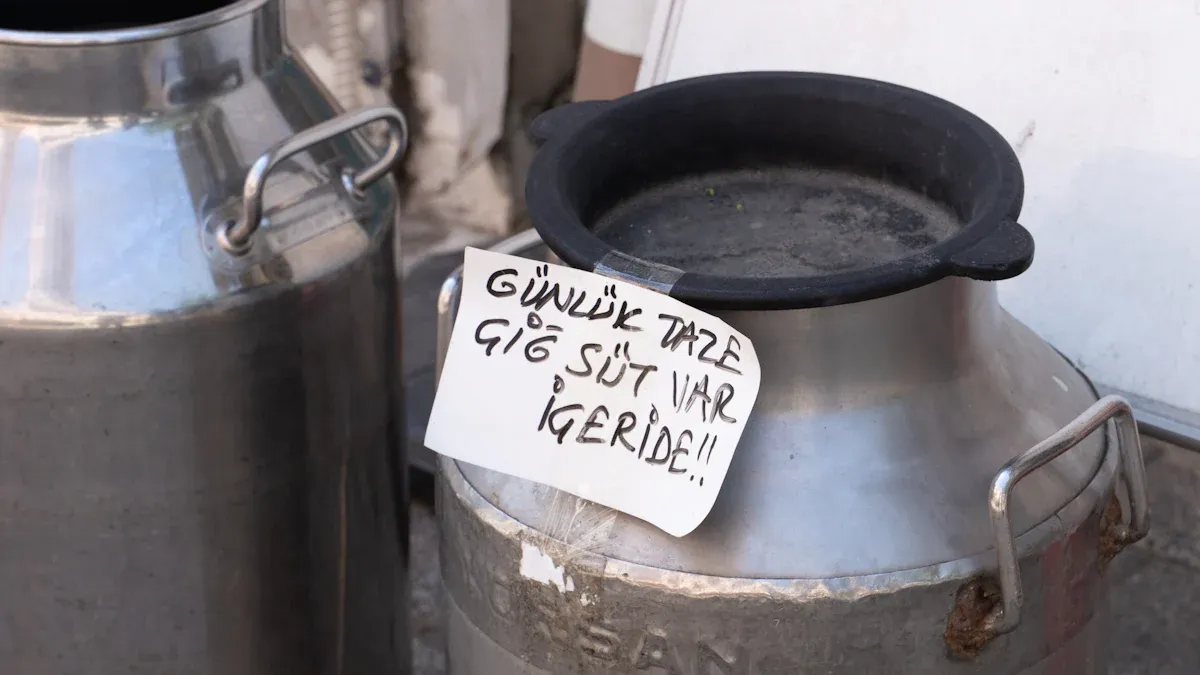
Stainless steel and glass are both used for storing milk. Stainless steel tanks do not rust. They are strong and handle cleaning well. These tanks keep milk safe from germs. Glass tanks also protect milk from bad chemicals. Glass does not soak up smells or flavors. Many people like glass because it is pure and easy to clean. But glass tanks can break more easily than stainless steel. Stainless steel tanks do not scratch much and last longer. Glass tanks are heavy and can shatter if dropped. This can cause spills and hurt people.
Plastic tanks are cheaper and lighter than stainless steel. But plastic tanks may have chemicals like BPA or PVC. These chemicals can get into milk and be unsafe. Stainless steel tanks do not have these chemicals. They keep milk safe to drink. Stainless steel tanks do not rust or melt in heat. Plastic tanks can break or leak more often. This can spoil milk and waste it. Stainless steel tanks last longer and keep milk good better than plastic.
Tip: Dairy farms pick stainless steel tanks because they do not rust and are safe. These tanks help keep milk fresh and lower health risks.
The table below shows the good and bad sides of milk tank materials:
Material | Pros | Cons |
|---|---|---|
Stainless Steel | Strong, does not rust, keeps milk safe, easy to clean | Costs more at first |
Aluminum | Light, not expensive | Can change milk taste, not as strong |
Plastic | Light, cheap | Spoils and leaks more |
Stainless steel tanks are best because they do not rust and last long. These tanks keep milk safe and fresh for years. Stainless steel tanks are easy to clean and stop milk from spoiling. Glass tanks are pure but break easily. Plastic tanks cost less but do not protect milk as well.
Stainless steel in dairy production offers many benefits of stainless steel for storing milk. A milk tank stainless steel keeps milk fresh and sterilized. COFF’s milk tank provides enhanced hygiene and reliability. Quality stays high when milk is stored in a clean, safe tank. Dairy farms trust stainless steel for its strength and easy cleaning. Choosing certified tanks helps keep milk safe for everyone.
COFF’s tanks support better milk quality.
Stainless steel tanks help farms deliver fresh milk.
Dairy farms pick stainless steel tanks because they keep milk safe. Stainless steel does not rust. It helps milk stay good. Workers can clean these tanks easily. These tanks last longer than other types.
Stainless steel tanks do not change how milk tastes. Dairy producers trust stainless steel because it does not react with milk. The smooth surface keeps milk fresh. Experts say stainless steel is best for keeping flavor.
Dairy workers use water and cleaning agents to wash tanks. The smooth surface makes cleaning easy. Many places use CIP systems. These systems clean tanks by themselves. Cleaning routines keep tanks safe for milk.
Stainless steel tanks help save money over time. These tanks last for many years. Farms spend less on fixing and replacing tanks. Stainless steel is strong and supports dairy work. Managers see these tanks as a good investment.
Stainless steel tanks do not have harmful chemicals. Dairy producers avoid plastic because chemicals can get into milk. Stainless steel does not rust. Farms use stainless steel for safe milk storage. These tanks are strong and help dairy production.
Dairy farms can order tanks in different sizes. COFF lets farms pick features they need. Managers choose things like sensors and insulation. Custom tanks help farms meet their needs. Producers get tanks made just for them.
Stainless steel tanks have insulation and sensors. Workers can check milk temperature easily. These tanks keep milk cold. Temperature control stops milk from spoiling. Stainless steel helps keep cooling steady.
Stainless steel tanks store many dairy products safely. Processors use them for milk, cream, and yogurt. The surface does not react with dairy items. Stainless steel meets food safety rules. Producers trust these tanks for many dairy goods.
Dairy farms clean tanks often. Stainless steel stops bacteria from growing. Workers use cleaning agents and CIP systems. Regular cleaning keeps tanks safe. Good hygiene protects dairy products from getting dirty.
Dairy producers pick COFF tanks for quality and reliability. COFF tanks meet food safety standards. Managers like that these tanks last long. COFF lets farms customize tanks. Many farms use COFF tanks for safe milk storage.