

COPYRIGHT © 2022 COFF International Co., ltd. ALL RIGHTS RESERVED


Getting the right whisky distillery equipment can feel overwhelming, especially when you want to balance your budget with your production goals. You might see costs range from a few million to tens of millions of dollars, depending on how big you want to go and your market plans.
Before you start shopping for craft distillery equipment, you need to figure out how much whisky you want to produce. Your target output shapes every decision you make. If you plan to bottle a few hundred liters each month, you will need smaller stills and fermenters. If you dream of filling thousands of bottles, you will need bigger tanks and more powerful systems.
Take a look at some common production goals for new distilleries:
| Production Goal | Description |
|---|---|
| Proper Equipment Sizing | Make sure your still is big enough for future growth. Small equipment can slow you down later. |
| Strategic Production Planning | Plan for the time whisky needs to mature. Quality takes patience, so think ahead about market needs. |
| Detailed Forecasting | Use forecasting to manage costs and stay ready for changes in demand. This helps you stay profitable. |
You want equipment that matches your goals. If you buy a system that is too small, you might struggle to keep up with demand. If you go too big, you could waste money and space. Most small distilleries start with fermenters around 500 gallons. Larger operations need thousands of gallons. Modular systems can help you grow over time.
Tip: Think about your future plans. If you want to expand, choose equipment that lets you add more capacity later.
Now, decide if you want to focus on small-batch or large-scale production. Each model has its own benefits and costs.
Here’s a quick look at how each model affects your business:
Your target output decides the type and size of equipment you need. Pot stills, column stills, or hybrid systems all work differently. Pick the one that fits your goals and helps you reach your market.
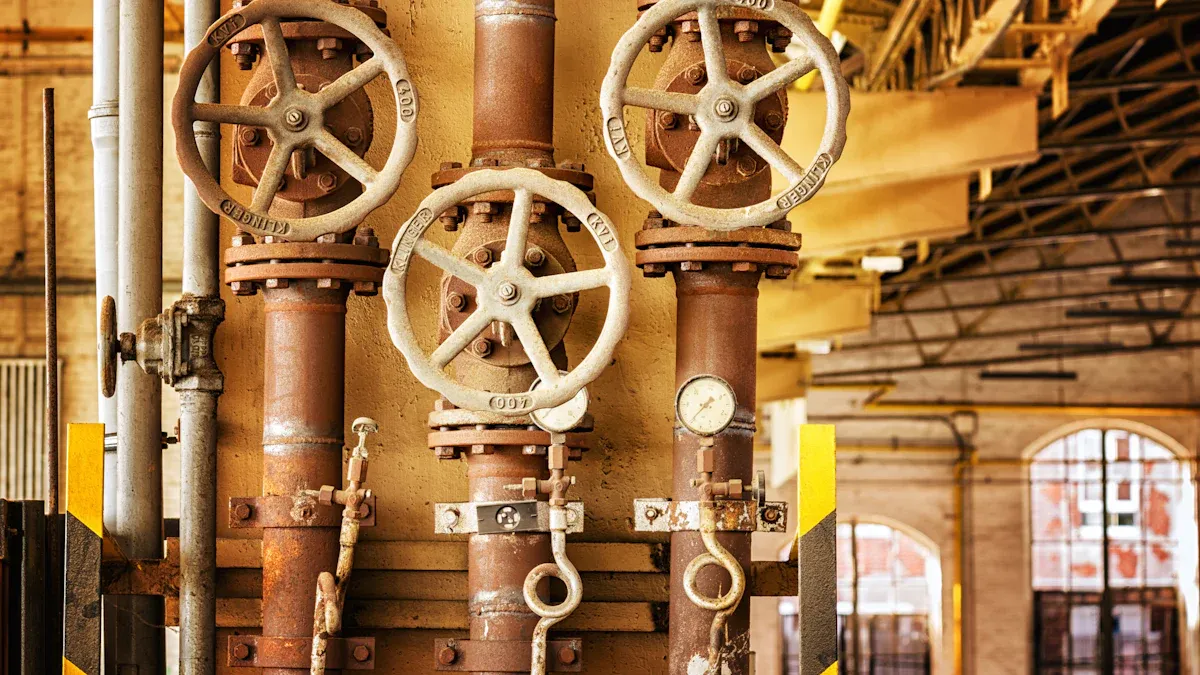
When you set up your distillery, you need to know the main pieces of whisky distillery equipment. Each part plays a special role in making great whisky. Here’s what you should look for:
Tip: Investing in high-quality distilling equipment helps you make better whisky and keeps your operation running smoothly.
The cost of whisky distillery equipment can change a lot based on your choices. You need to think about your budget, your production goals, and the size of your operation. Here’s a look at what you might spend:
| Equipment Type | Small Distillery Cost | Medium Distillery Cost | Large Distillery Cost |
|---|---|---|---|
| Mash tun | $5,000 – $20,000 | $50,000 – $200,000 | $20,000 – $100,000 |
| Boiling pot | $3,000 – $15,000 | $30,000 – $150,000 | $15,000 – $80,000 |
| Fermentation tank | $400 – $2,500 | $4,000 – $25,000 | $25,000 – $150,000 |
You also need to look at the bigger picture. Here’s a table that shows the range for different types of distillation equipment:
| Equipment Type | Cost Range |
|---|---|
| Pot Still | $10,000 – $500,000+ |
| Column Still | $30,000 – $1,000,000+ |
| Basic Craft Distillery Setup | $150,000 – $1,000,000 |
| Fermentation Tanks | $5,000 – $50,000+ |
| Filtration and Bottling | $8,000 – $200,000 |
| Support Equipment | $20,000 – $250,000 |
| Distillation Equipment | $250,000 – $750,000 |
Your choices affect your startup costs. You need to buy or lease stills, fermenters, and other machinery. Don’t forget about barrels and storage for aging your whisky. High-quality distillation equipment can make your production more efficient and help you save money in the long run.
Other important cost factors include:
Note: Balancing your budget with the right technology and maintenance is key. The right choices help you make great whisky and keep your business running strong.
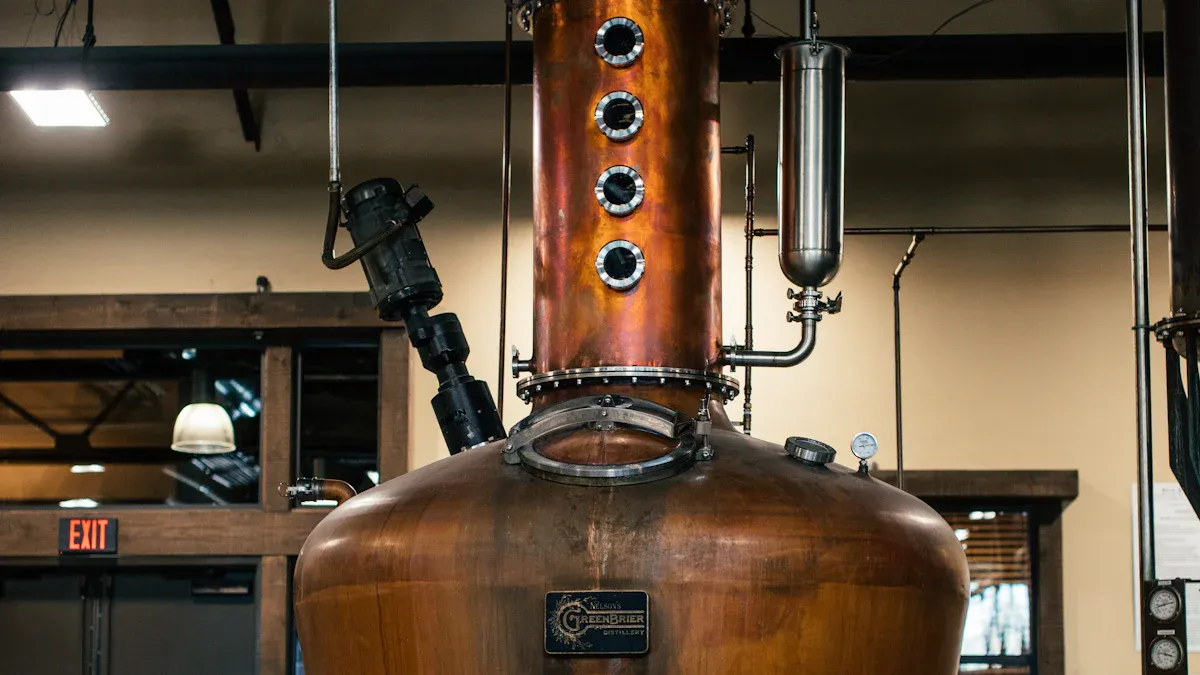
When you choose between pot stills and column stills, you need to think about your distillery’s size and your goals. Each type of still works best for different situations.
Here’s a quick look at how each still fits different operations:
| Aspect | Pot Still | Column Still |
|---|---|---|
| Distillation Process | Batch, needs refilling | Continuous, no refilling |
| Speed | Slower | Faster |
| Efficiency | Lower | Higher |
| Best For | Small-scale, craft | Large-scale, high output |
Tip: If you want to focus on handcrafted spirits and small runs, pot stills are a great choice. If you plan to grow fast or serve a big market, column stills can help you scale up.
The type of still you pick changes the taste, cost, and speed of your whisky production. Pot stills keep more of the heavy flavors and give your whisky a rich body. You get bold, complex spirits that stand out. These stills work in batches, so you spend more time and labor on each run.
Column stills, on the other hand, make lighter, cleaner spirits. They can run all day, making them much more efficient. You save on labor and lower your production costs. These stills are great if you want to make blended whiskies or need a neutral spirit for cocktails.
| Aspect | Pot Still | Column Still |
|---|---|---|
| Efficiency | Less efficient, batch-by-batch | More efficient, continuous |
| Production Cost | Higher, more labor | Lower, more automated |
The shape of your still also matters. An onion-shaped pot still gives you bold flavors, while a bulb-shaped still makes a lighter spirit. If you want to create a signature taste, pot stills give you more options. If you want to maximize output and keep costs down, column stills are the way to go.
When you talk to a supplier about distilling equipment, think about your flavor goals, your budget, and how much whisky you want to make. The right choice helps you balance quality, efficiency, and cost.
When you start planning your craft distillery equipment budget, you need to focus on the features that matter most. You want equipment that lasts, fits your space, and makes your job easier. Here are some things you should look for:
You also want to look at a few key criteria before you buy. The table below can help you decide what’s most important for your distillation setup:
| Criteria | Description |
|---|---|
| Production scale | Figure out if you need equipment for personal use or a large commercial operation. |
| Equipment budget | Look at both the upfront cost and what you’ll spend to keep things running. |
| Material selection | Stainless steel and copper are strong choices for safety and quality. |
| Automation level | Decide how much automation you want. More automation can save time and money. |
| Supplier support | Check if your supplier offers training and technical help. |
Tip: Always ask your supplier about support and training. Good help can make your operation smoother.
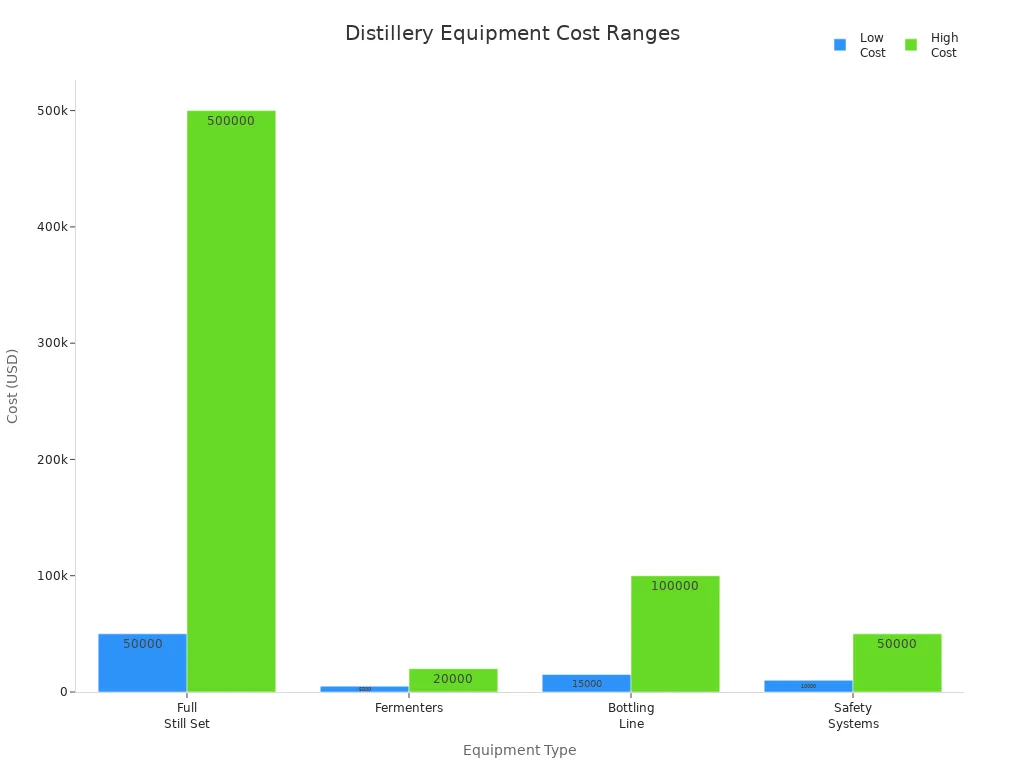
You need a budget that fits your goals and your scale. Start by listing the main pieces of whisky distillery equipment you need. Look at the price range and how long each item will last. Here’s a table to help you plan:
| Equipment | Low Cost | High Cost | Life Span |
|---|---|---|---|
| Full Still Set | $50k | $500k | 20+ years |
| Fermenters | $5k | $20k | 15+ years |
| Bottling Line | $15k | $100k | 10+ years |
| Safety Systems | $10k | $50k | 10+ years |
Don’t forget the small things. You need water cleaning systems, rule papers, and floor drains. These items help keep your distillery safe and clean.
If you want to save money, you can look at used equipment. New gear often comes with better warranties and support from the supplier. Used equipment can help you start with a lower budget. Always check the condition and ask your supplier about service options.
Note: Plan for the future. Buy equipment that lets you grow your business. A smart budget helps you avoid surprises and keeps your distillery running smoothly.
Finding a supplier you trust is one of the most important steps when you buy craft distillery equipment. You want to make sure your supplier offers reliable products and stands by their promises. Start by checking their reputation. Look for suppliers who have a strong history in the industry and who provide excellent support after the sale. You should always evaluate their customer service before making a decision.
Here’s a table to help you compare suppliers:
| Criteria | Description |
|---|---|
| Production Capacity | Make sure the supplier can meet your output needs. |
| Material Preferences | Ask about stainless steel or copper for durability and flavor. |
| Automation Levels | See if they offer equipment with the right automation for your operation. |
| Compliance with Safety Regulations | Confirm their equipment meets all safety and environmental rules. |
| Energy Efficiency | Choose equipment that helps you save on energy costs. |
| Supplier Reputation | Check their reputation for reliability and service. |
| After-sales Support | Ask about training, maintenance, and technical help. |
Tip: Talk to your supplier about your goals and needs. Good communication helps you get the right equipment and support.
When you shop for distillery equipment, you can choose new or used. New equipment gives you the latest technology and usually comes with warranties. Used equipment costs less and is often available right away. You might save money, but you could face maintenance issues if the previous owner did not take good care of it.
Here’s a quick look at the pros and cons:
| Advantages | Disadvantages |
|---|---|
| Cheap price | Uncertain quality |
| Quick acquisition | Lack of after-sales service |
You also have several ways to pay for your equipment. Asset finance lets you spread payments over time, which helps with cash flow. Hire purchase means you use the equipment while you pay for it. Leasing works like renting, so you can upgrade when you need to. Seed funding or angel investment can help new distilleries get started. Development real estate finance is useful if you want to expand or renovate your space.
Note: Always ask your supplier about financing options. The right plan can make your project more affordable and help you grow your business.
You can find the right whisky distillery equipment by following a few key steps. First, set clear production goals. Next, compare equipment types and costs. Then, create a budget that matches your scale. Finally, research suppliers and explore buying options.
Tip: Take your time. Ask questions before you buy. This helps you make a smart decision and sets your distillery up for success.
Pot stills make whisky in batches. You get bold flavors. Column stills work all the time. You get cleaner spirits. Choose the one that matches your style and production goals.
Start with your target output. If you want small batches, pick smaller tanks and stills. If you plan to grow, choose equipment that lets you add more capacity later.
Yes, you can use used equipment. It costs less and helps you start faster. Always check the condition and ask about support before you buy.
Stainless steel and copper are top choices. Stainless steel lasts long and is easy to clean. Copper helps create great flavors in your whisky.
You need permits to run a distillery. Check local rules before you buy equipment. This keeps your business safe and legal.