


COPYRIGHT © 2022 COFF International Co., ltd. ALL RIGHTS RESERVED


Yes, stainless steel wine tanks can be repurposed for beer brewing and cider production, but their suitability depends on the tank’s pressure rating, temperature control design, and interior finish. Atmospheric wine tanks work well for low-pressure open-fermentation batches, while pressure-rated models can support carbonation and closed transfers. Purpose-built beer fermenters have design features optimized for brewing workflows, but wine tanks can be a practical, cost-effective option for many producers when matched to the right styles and processes.

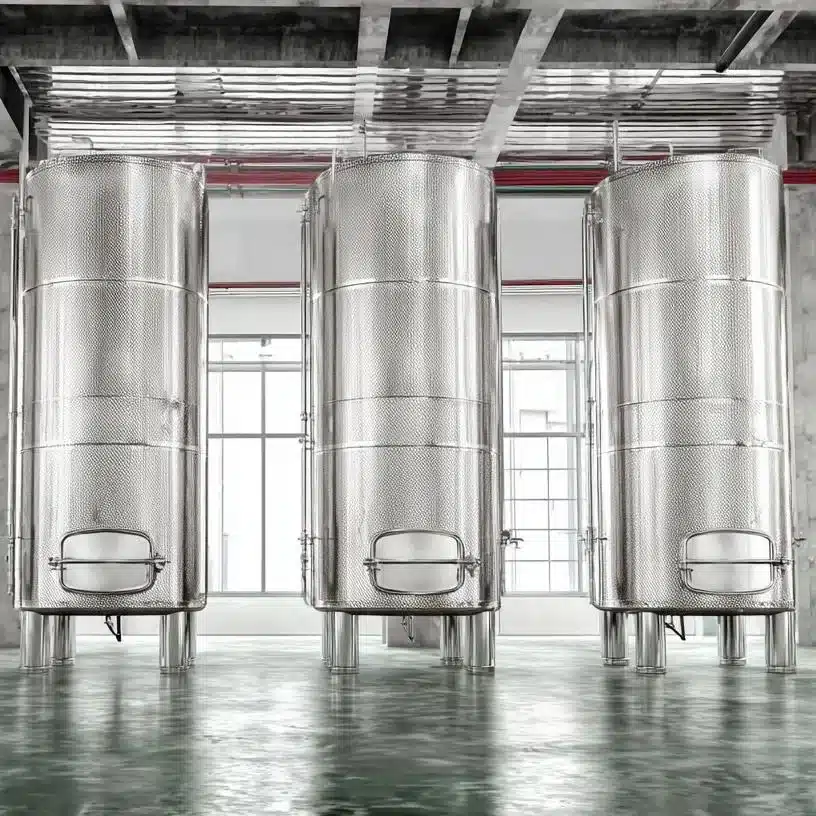
While both are typically built from food-grade stainless steel, wine tanks and purpose-built brewing fermenters have key design distinctions that impact daily workflow and process capabilities.
For cider production, variable-capacity wine tanks with floating lids are often a better fit than fixed-top beer fermenters. The lid drops as batch volume shrinks, minimizing headspace and reducing oxidation risk — a major benefit for cider and small-batch craft beverages.
COFF offers a full range of stainless steel beverage tanks, including variable-capacity wine tanks, jacketed temperature-controlled models, and purpose-built conical fermenters, so producers can select the shape matched to their process.
Pressure capability is the most critical functional distinction between the two tank types:
You can use an atmospheric wine tank for open-fermentation beer styles or cider, but it must never be pressurized for carbonation or closed transfers. Always verify ratings via the tank’s data plate and official certification documents.
| Feature | Standard Wine Tank | Pressure-Rated Beer Fermenter |
|---|---|---|
| Typical bottom design | Flat / dished | Conical |
| Pressure rating | Atmospheric only | Rated for working head pressure |
| Best for | Open fermentation, cider, storage | Carbonation, closed transfers, all beer styles |
| Core workflow benefit | Simple, low-cost, flexible volume | Yeast harvesting, trub dumping, low oxygen handling |
Repurposing a wine tank successfully depends on whether it can meet these core brewing process requirements.
Oxygen exposure is the biggest flavor risk when brewing beer in a wine tank, especially for hop-forward styles. Oxygen breaks down delicate hop aroma compounds, leading to flat, stale-tasting beer. Open-vented wine tanks allow constant air contact with the batch, so additional process controls are needed:
For cider production, mirror-polished interior surfaces are non-negotiable for sanitation. A smooth, polished finish eliminates micro-gaps where bacteria and wild yeast can hide, and high-quality wine tanks already meet this standard. Document all cleaning cycles and inspect welds and ports regularly for residue buildup.
Racking (transferring liquid off sediment) is standard practice for both wine and beer. Always siphon gently to avoid disturbing lees, and rack under inert gas for oxygen-sensitive styles.
Consistent fermentation temperature is critical for clean flavor and yeast health. Different yeast strains have very different temperature requirements: lager yeast needs cool, steady temperatures, ale yeast runs warmer, and cider fermentation typically runs cooler than most ale strains.
Track and log temperature daily. Sudden spikes stress yeast and produce off-flavors; gradual cooling at the end of fermentation helps yeast settle and clean up byproducts. For closed tanks, always use a properly rated pressure relief valve to prevent overpressurization during active fermentation.

Only if the tank carries an official pressure vessel rating. Standard atmospheric wine tanks are not built to hold pressure and must never be used for carbonation or pressurized transfers. Always confirm ratings via the tank data plate and certification documents.
Use closed transfer procedures and purge all lines and receiving vessels with inert gas. Hoppy beer styles are most sensitive, as oxygen rapidly degrades hop aroma. For consistent low-oxygen handling, a sealed pressure-rated tank is recommended.
Standard single-wall wine tanks cannot control temperature on their own. Jacketed wine tanks paired with a chiller system can hold precise, consistent fermentation set points for both beer and cider.
It depends on the modifications needed. For open fermentation and cider use, a wine tank is very cost-effective with little to no modification. Adding jackets, pressure fittings, and cooling systems often costs more than purchasing a purpose-built fermenter.