


COPYRIGHT © 2022 COFF International Co., ltd. ALL RIGHTS RESERVED


A bright beer tank, often called a brite tank, plays a key role in beer brewing. Many breweries choose brite tanks to improve beer clarity and boost carbonation levels. Brite tanks help streamline packaging and create a consistent beer flavor. Some of the most common benefits include efficient production, hygienic storage, and better beer shelf life. However, brite tanks may require higher equipment costs and more cleaning work. Careful planning allows breweries to decide if a bright beer tank fits their brewing needs.
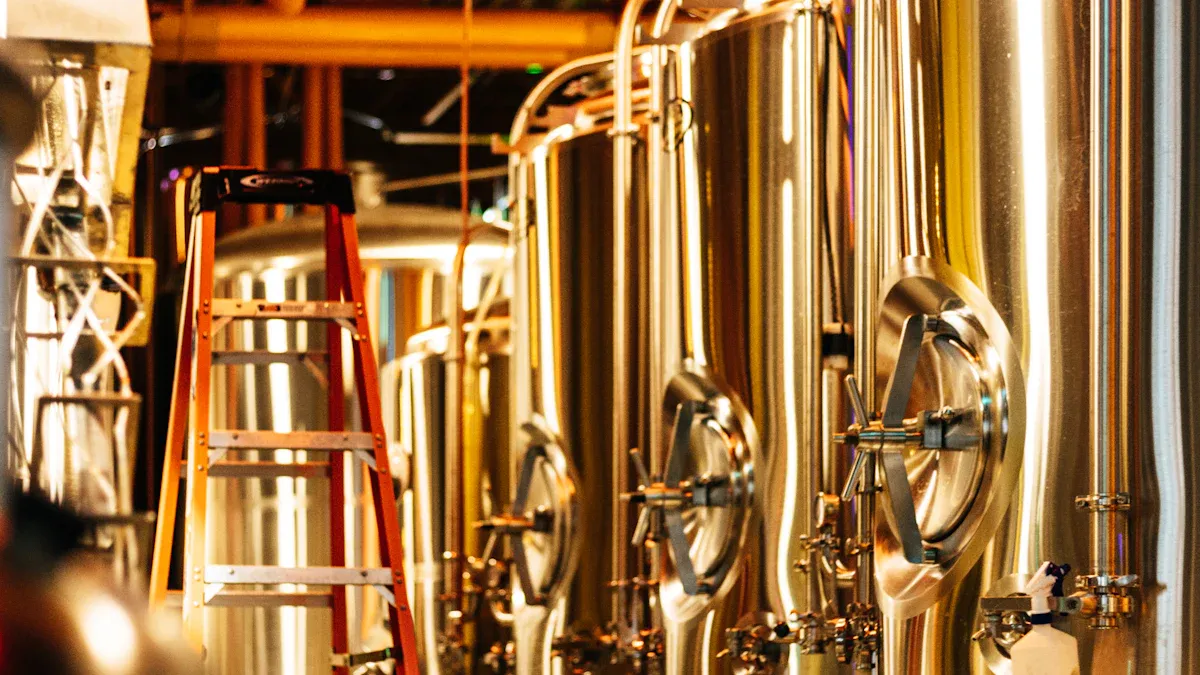
A brite tank helps breweries achieve clear and sparkling beer. This tank uses forced carbonation, which means carbon dioxide is added directly to the beer under controlled pressure and temperature. Most breweries reach carbonation levels between 2.5 and 2.8 volumes of CO2 in a brite tank. Some beer styles, like German wheat beers, need even higher carbonation, up to 4.5 volumes. The process in a bright beer tank takes only one to two days, while natural carbonation in bottles or fermenters can take weeks.
A brite tank also helps reduce sediment and haze. The beer sits in the tank, allowing particles to settle. This step gives the beer a bright, clear look that customers expect.
Brite tanks make packaging faster and more efficient for breweries. When beer moves from fermenters to a brite tank, it frees up fermenters for new batches. This change increases the number of brews a brewery can make each month. The tank’s design allows for quick cleaning and easy access, which saves time and labor.
Tip: Placing bright tanks near packaging stations reduces hose length and lowers the risk of oxygen pickup, which keeps beer fresh.
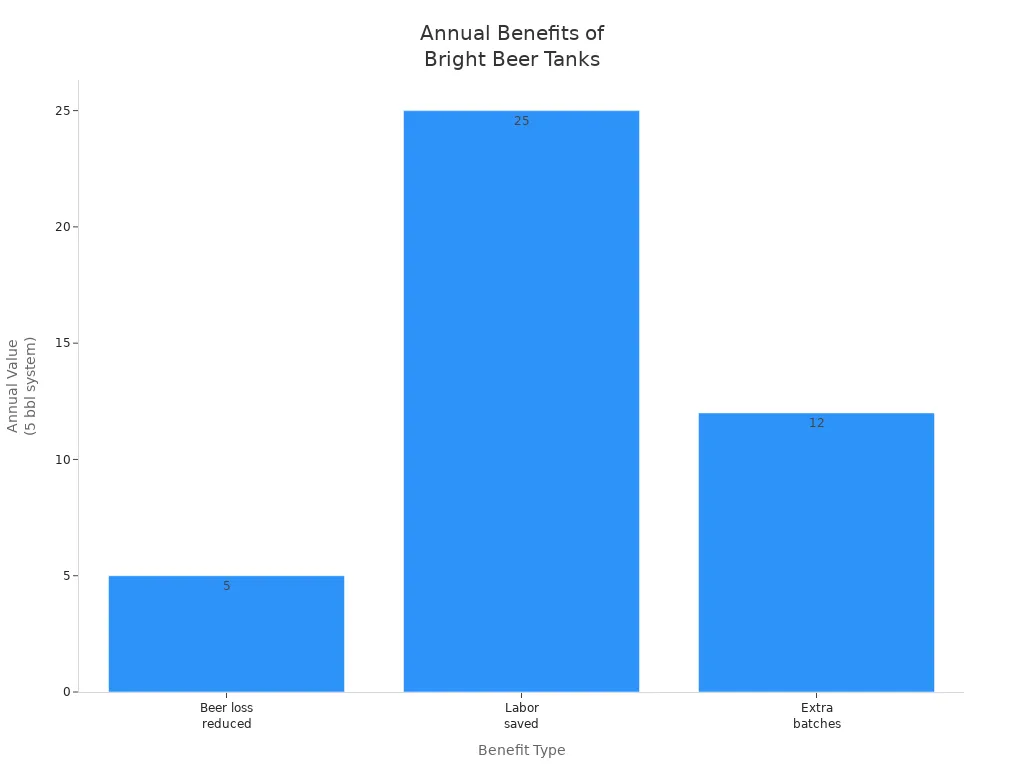
The following table shows how bright tanks improve packaging operations:
| Factor | Example Impact | Annual Benefit (5 bbl system) |
|---|---|---|
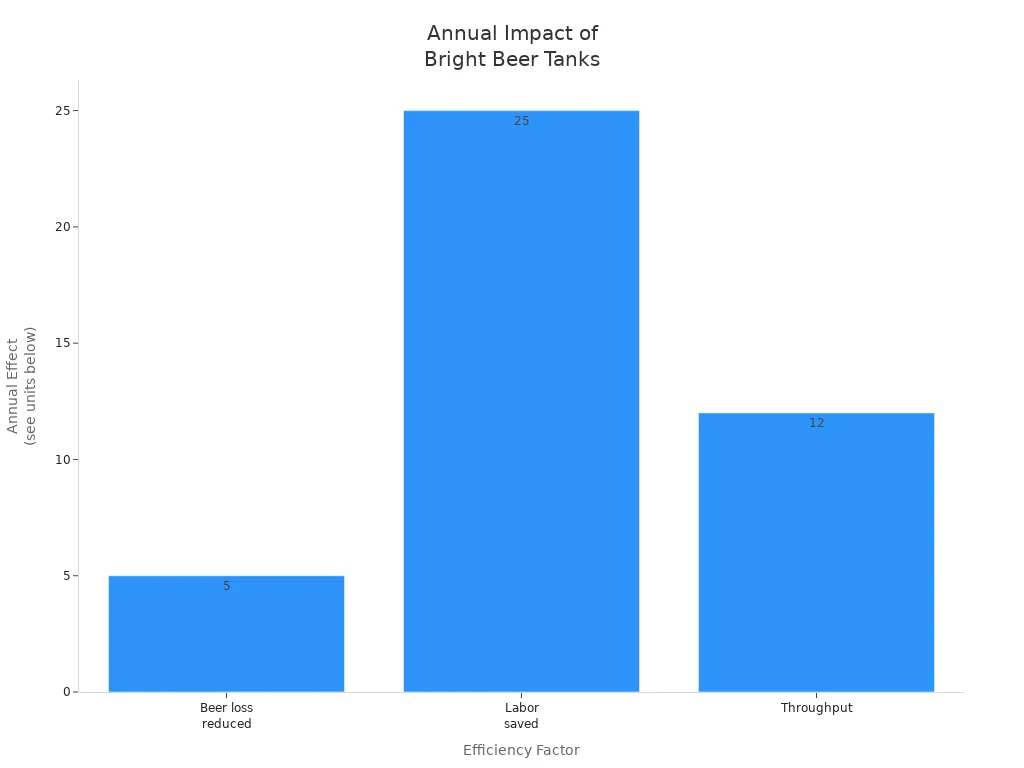
| Beer loss reduced | ~2% per batch × 50 batches | About 5 bbl saved per year |
| Labor saved | 0.5 hours CIP per batch × 50 | 25 hours saved per year |
| Extra batches | 1 additional batch per month | 12 more batches per year |
Bright tanks also help breweries adjust carbonation and gravity quickly before packaging. This control means less manual work and fewer delays. The result is a faster turnaround and more consistent beer brewing.
A brite tank supports consistent beer quality from batch to batch. The tank uses advanced temperature sensors and thick insulation to keep beer at the right temperature for conditioning. This control helps develop the best flavor and keeps carbonation steady. Integrated cleaning systems inside the tank prevent contamination and off-flavors.
| Parameter | Measurement / Improvement | Impact on Product Consistency |
|---|---|---|
| Beer Clarity | Turbidity reduced to less than 1 NTU after 7 days | Clearer beer appearance, visual consistency |
| Carbonation Levels | Consistent carbonation at 2.6 volumes of CO2 | Uniform carbonation across batches |
| Oxygen Pickup | Reduced oxygen pickup during transfers | Improved flavor stability and shelf life |
| Sediment Reduction | 85% sediment reduction efficiency | Cleaner final product, less off-flavors |
| Production Efficiency | 25% boost in production efficiency | Faster turnaround, consistent batch processing |
| Shelf Life | 20% longer shelf life at pH 4.2 | Extended freshness and product reliability |
| CO2 Pressure Management | Maintaining 12-15 PSI reduces CO2 waste by 18% | Stable carbonation and cost efficiency |
A brite tank ensures that every batch of beer meets the same high standards for clarity, carbonation, and taste. This consistency builds trust with customers and helps breweries grow.
A brite tank offers many benefits, but breweries must consider the higher equipment cost. The price of a new brite tank depends on its size and features. Small breweries may pay between $5,000 and $10,000 for a tank that holds 3 to 5 barrels. Medium-sized breweries often need larger tanks, which can cost $10,000 to $35,000. Large breweries may invest $35,000 to $55,000 or more for tanks with greater capacity. Features like carbonation stones and sight gauges can increase the price.
| Brewery Size | Bright Tank Capacity (Barrels) | Approximate New Tank Cost (USD) |
|---|---|---|
| Small | 3-5 | $5,000 – $10,000 |
| Medium | 5-10 and 10-20 | $10,000 – $35,000 |
| Large | 20-30 and 30+ | $35,000 – $55,000+ |
Installation costs usually come as part of the total equipment budget. While a brite tank costs less than a full packaging line, it still represents a major investment for many breweries. Some breweries choose to invest in premium stainless steel tanks and energy-efficient systems. These choices can improve efficiency and reduce maintenance needs over time. Automation in brite tanks can also lower labor costs by up to 50% and help maintain quality. Preventive maintenance programs can extend the life of the tank and reduce equipment failure rates.
Note: A brite tank is optional for very small breweries, but it becomes essential for medium and large operations that want consistent beer quality.
A brite tank requires careful cleaning and regular maintenance to keep beer safe and fresh. Breweries face several challenges when cleaning these tanks. Microorganisms can form biofilms on tank surfaces, making them hard to remove. Residual yeast and bacteria may stay on tank walls and fittings, leading to contamination and off-flavors in the beer. Mineral deposits, known as beer stone, can build up and create places for microbes to hide.
Some breweries use advanced CIP (clean-in-place) systems to improve cleaning efficiency. However, outdated or poorly designed systems may leave residues behind. The cost of cleaning includes chemicals, water, energy, labor, and downtime. Preventive maintenance helps reduce these costs, but breweries must plan for them.
Tip: Regular inspection and maintenance of the brite tank help prevent contamination and protect beer quality.
Breweries must consider their size and production goals before investing in a brite tank. Small breweries often choose flexible, smaller tanks for craft or experimental batches. Large breweries benefit from bigger tanks that improve efficiency and handle high volumes. The following table shows important factors to review:
| Factor | Explanation |
|---|---|
| Size and Capacity | Larger tanks suit high-volume breweries for efficiency; smaller tanks offer flexibility for craft and experimental batches. |
| Material | Stainless steel is durable, easy to clean, and non-reactive. |
| Temperature Control | Tanks with jacketed or glycol cooling systems allow precise temperature regulation, critical for beer quality. |
| Sanitary Design | Smooth, crevice-free surfaces and sanitary fittings reduce contamination risk and facilitate cleaning. |
Production goals also shape the decision. Breweries focused on quality use bright tanks for carbonation, clarity, and storage. These tanks help reduce beer loss and save labor, which supports higher output and efficiency. Some breweries prefer unitanks for flexibility, but brite tanks offer clear advantages for yield and speed.
A brite tank requires an upfront investment, but the benefits can outweigh the costs. Bright tanks improve beer clarity, carbonation control, and packaging speed. Advanced features like automation and smart sensors help reduce labor and downtime. Many breweries see improved consistency and faster packaging, which can lead to better brand reputation. The following chart shows how bright tanks can save beer, labor, and increase batch numbers each year:
Bright tanks also support quality control, which helps breweries build trust with customers. Many breweries find that the long-term value justifies the initial cost.
COFF equipment plays a key role in integrating brite tanks into brewery workflows. Their carbonation systems infuse CO2, which is essential for proper beer carbonation. Filtration systems remove impurities and clarify beer before packaging. Blending tanks help manage flavor consistency. The integration of COFF equipment with brite tanks supports important steps like carbonation, oxygen control, filtration, and flavor management. This setup streamlines the brewing process and ensures product quality before packaging.
Selecting the right bright beer tank depends on several factors. Breweries often match the tank size to their primary fermenters or choose a slightly larger vessel. This approach allows for secondary fermentation, blending, and future growth. Production volume, batch size, and brewing frequency all play a role in sizing decisions. Seasonal demand can change, so flexible tank sizing helps manage different beer styles and production schedules. Maintaining 20-30% excess capacity prevents bottlenecks and supports experimentation with new recipes.
Key features to consider include:
Certifications such as NSF, ASME, and 3-A sanitary standards ensure the tank meets food safety and cleanability requirements. Many bright tanks can also serve as a fermentation vessel or a serving tank, improving operational efficiency.
Breweries can optimize bright beer tank use by following best practices. They should establish a standard operating procedure for purging tanks with CO2. Automation tools, like mobile oxygen sensors, help monitor oxygen levels and prevent waste. Filling the tank slowly from the bottom forces oxygen out and blankets the beer with CO2, which protects flavor and clarity. Breweries should regularly inspect pressure relief valves to ensure safety during carbonation and conditioning.
Bright beer tanks feature a 5-degree bottom slope that keeps yeast sediment separate from the final beer. Stainless steel construction, pressure control, and temperature regulation all support conditioning and flavor enhancement. These design elements help with enhancing flavor profiles and maintaining beer quality.
Proper cleaning and maintenance keep bright beer tanks in top condition. Breweries should clean tanks after each batch to prevent contamination. A deep cleaning once a month ensures optimal performance. The cleaning process involves rinsing with warm water, circulating caustic and acid solutions through a CIP system, and sanitizing the tank. Avoiding abrasive materials prevents scratches that can harbor bacteria. Regular cleaning and sanitation protect flavor, clarity, and conditioning, ensuring each batch meets high standards.
Tip: Consistent cleaning routines help maintain beer quality and prevent unwanted flavors.
Bright beer tanks give breweries a way to protect beer from oxygen and light, which keeps flavor and quality high. These tanks help control temperature and pressure, making beer clear and consistent. Many breweries use bright beer tanks to scale up production and meet market demand. Careful planning helps balance the higher cost and added complexity. Choosing the right fermentation vessel supports long-term growth and a strong reputation for quality beer.
A bright beer tank helps breweries clarify beer and add carbonation. It stores beer after fermentation and before packaging. This tank ensures the beer looks clear and tastes fresh.
A bright beer tank holds finished beer for conditioning and packaging. A fermentation vessel is where yeast turns sugars into alcohol. Each tank serves a unique step in the brewing process.
Most beer styles benefit from a bright beer tank. It works well for lagers, ales, and wheat beers. Some specialty beers may skip this step, depending on the desired flavor and clarity.
Breweries should clean the tank after every batch. Regular cleaning prevents contamination and keeps beer quality high. Monthly deep cleaning helps maintain the tank’s performance.
A bright beer tank reduces oxygen exposure and removes sediment. This process helps extend the shelf life of the beer. Proper use keeps beer fresh longer.