


COPYRIGHT © 2022 COFF International Co., ltd. ALL RIGHTS RESERVED


Choosing the right fermentation vessel is crucial, especially when considering the fermentation feed. It significantly impacts the fermentation results. Many people prefer stainless steel fermenters and conical fermenters because these containers are easy to clean and help control temperature effectively. However, the best vessel depends on the feed you want to ferment and your specific needs. Some containers mix the feed better, while others maintain a stable temperature or handle gases differently. All these factors affect the success of fermentation.
NIZO fermentation expert Patrick Janssen says, “You can refer to the fermentation processes of large companies to avoid these problems. Understand their limitations. If you follow these limitations when fermenting small batches, you can make better choices. This will help you apply the same process to larger batches.”

Choosing the right container is crucial for fermenting foods. Each container has its own advantages. Here is a brief overview of some fermentation containers commonly used in homes and businesses:
| Type of Fermentation Vessel | Advantages | Disadvantages |
|---|---|---|
| Glass carboys | Easy to see inside, keeps flavors pure | Breaks easily, heavy, hard to clean |
| Food-grade plastic buckets | Light, cheap, easy to use | Scratches, can smell bad |
| Stainless steel fermenters | Strong, easy to clean, blocks light | Costs more money |
| Ceramic fermentation crocks | Keeps temperature steady, does not react | Heavy, can break |
| Conical fermenters | Removes sediment easily, keeps liquid clear | Expensive, needs space |
| Pressure fermenters | Makes bubbles, boosts flavors | Harder to use, costs more |
Glass fermentation jars and bottles are classic choices for vegetable fermentation. You can observe the cooking process through the glass. Glass does not alter the taste of the food. Many people use glass jars to hold small amounts of food. These jars are ideal for cucumbers, carrots, and peppers. Glass is heavy and fragile, so handle with care.
Plastic buckets are common in homes and large kitchens. They are lightweight, inexpensive, and easy to move. Many people use plastic buckets to store large quantities of vegetables. These buckets are easy to clean, but scratches can harbor bacteria. In the US and Europe, plastic products must meet strict safety regulations.
In the EU, any item that comes into contact with food must comply with Regulation (EC) No 1935/2004. This regulation aims to prevent chemicals from entering food in unsafe doses.
Plastic jars and buckets are great for beginners. They are also great for making sauerkraut or pickles.
Stainless steel fermentation tanks are common in breweries and large kitchens. Stainless steel is durable, rust-resistant, and easy to clean. COFF’s stainless steel fermentation tanks are durable. Their equipment is made of safe stainless steel and meets top safety standards such as ASME and AS1210. These containers are expertly welded and have a special coating to prevent rust. Many people say that COFF fermentation tanks keep beer fresh and are easy to maintain. Stainless steel fermentation tanks are available in a variety of shapes and sizes.
Conical fermentation jars are special stainless steel containers. The conical design allows yeast and sediment to settle to the bottom for easy removal and keeps the liquid clear. Cleaning is also simple. Conical fermentation jars are ideal for vegetables and other foods that require a clean environment.
Ceramic jars have long been used for fermenting vegetables such as sauerkraut and kimchi. These jars maintain a stable temperature and do not react with the food. The thick walls of earthenware jars help maintain a low internal temperature, making them ideal for long-term fermentation of vegetables. Ceramic jars impart a rich, full-bodied flavor to fermented foods. Although they are heavier and more fragile, many people enjoy the delicious flavor they produce.

Choosing the right container is crucial for fermentation. People often ask which container is best for fermenting vegetables or beverages. Let’s look at the advantages and disadvantages of several common fermentation containers.
Many households use glass fermentation jars. They can observe the process inside, which is very helpful for vegetable fermentation. Glass will not alter the taste of the food. Food-grade glass ensures the liquid is safe, even if it contains acidic substances. However, some glasses may leach harmful metals, so it’s essential to use food-grade glass.
Pros:
Cons:
Tip: Always check for food-grade labels when purchasing glassware.
| Material | Cleaning Ease |
|---|---|
| Stainless Steel | Very easy to clean, smooth surface, no leftover bits, can use cleaning chemicals |
| Glass | Needs special brushes for narrow necks, harder to clean |
Plastic buckets are popular with beginners. They are lightweight and inexpensive. Many people use them to store large quantities of vegetables. Plastic is easy to move and not easily broken even if dropped. However, plastic is easily scratched, and bacteria can hide in the scratches. Some plastics can allow air to pass through, causing food spoilage.
Pros:
Cons:
Stainless steel fermentation tanks are commonly used in breweries and mass production. Stainless steel is durable, opaque, rust-resistant, and easy to clean. COFF’s stainless steel fermentation tanks feature special functions such as temperature control, insulation, and digital control. These tanks help maintain suitable fermentation temperatures and can be connected to applications for real-time monitoring.
Pros:
Cons:
| Feature | Stainless Steel Fermenters | Other Vessel Types |
|---|---|---|
| Corrosion Resistance | High | Changes (low for plastic) |
| Surface Smoothness | Smooth, easy to clean | Rough, can hold germs |
| Maintenance Requirements | Needs little care | Needs more work (like oak barrels) |
| Cleaning Efficiency | Fast and easy | Takes more time |
COFF’s fermentation tanks are known for their reliability and advanced features. Many businesses choose stainless steel fermentation tanks to ensure safety and ease of use.
Ceramic jars have long been used for vegetable fermentation. Ancient people also used them to brew wine, beer, and prepare food. The thick walls help maintain a stable temperature. The surface allows for slow air circulation, which promotes the growth of beneficial bacteria and prevents mold. Ceramic jars impart a rich, full-bodied flavor to vegetables.
Pros:
Cons:
Note: Ceramic jars play an important role in traditional fermentation processes in China and Europe.
The special shape of conical fermentation tanks helps collect yeast and sediment. The conical bottom collects yeast and sediment, making cleaning easier. This keeps the liquid clear and enhances flavor. Conical fermentation tanks are not only easier to clean but also reduce the risk of bacterial growth. Many breweries use conical fermenters to brew beer, cider, and vegetables.
| Feature | Conical Fermenters | Flat-Bottom Fermenters |
|---|---|---|
| Sediment Collection | Works well because of cone shape, collects yeast and trub | Sediment spreads across the bottom |
| Yeast Harvesting | Easy to remove with valve, does not disturb beer | Needs racking, which lets in more air |
| Risk of Contamination | Lower risk, sediment can be removed without moving liquid | Higher risk because you need to move the liquid |
Many people find that conical fermenters result in clearer, more stable fermented vegetables and beverages with a longer shelf life.
| Type of Fermentation Vessel | Pros | Cons | Best For |
|---|---|---|---|
| Glass carboys | Does not hold smells, clear, no flavor change | Heavy, can break, hard to clean | Wine, beer, mead |
| Stainless steel | Strong, easy to clean, controls temperature | Expensive, can’t see inside | Commercial brewing, beer, cider |
| Food-grade plastic | Light, cheap, will not break | Scratches, can smell, air can get in | Beginners, short ferments |
| Ceramic crock | Great for vegetables, blocks light, traditional | Heavy, hard to move, may crack | Kimchi, sauerkraut |
| Conical fermenters | Removes sediment easily, keeps liquid clear | Expensive, needs space | Beer, vegetables, clear ferments |
| Pressure fermenters | Makes bubbles, boosts flavors | Harder to use, costs more | Sparkling drinks, advanced users |
Those seeking the best fermentation results usually choose stainless steel fermentation tanks or conical fermentation tanks. These fermentation containers are safe, easy to clean, and allow for easy control of the fermentation process. For vegetable fermentation, ceramic jars and glass fermentation bottles are also good choices, but each container has its own advantages.
Many people are concerned about the safety of containers. The material of the container can affect the taste and safety of food. Glass jars and earthenware jars do not react with food, helping to preserve the pure flavor of vegetables during fermentation. Earthenware jars can thicken dairy products, resulting in a better texture. Glass jars help acidic substances accumulate more quickly, which is beneficial for pickling.
Keeping the equipment clean is crucial. Stainless steel is easy to clean and does not easily harbor bacteria. Plastic containers are lightweight and easy to clean, but scratches on plastic can easily trap dirt. Dirt is clearly visible on the surface of glass jars, making it easy to determine when cleaning is needed. Here are the steps to clean a stainless steel fermentation tank:
| Cleaning Step | Description |
|---|---|
| Immediate Rinse | Remove product residue within 2 hours |
| Pre-rinse | Rinse away loose dirt with water |
| Detergent Wash | Use a cleaner according to the type of dirt |
| Rinse | Remove all cleaner residue |
| Inspect | Check cleanliness |
| Sanitize | Apply disinfectant before next use |
People should inspect the containers regularly. Replace worn parts and keep cleaning records.
Durability is important for frequent fermenters. Stainless steel containers are durable and easy to clean. Plastic buckets are cheaper but scratch easily. Glass jars are fragile and break easily if dropped. Here is a comparison of advantages and disadvantages:
| Type | Advantages | Limitations |
|---|---|---|
| Plastic buckets | Cheap, light, easy to handle | Scratches, can hold bacteria |
| Glass jars | Non-reactive, clear | Fragile, heavy |
| Stainless steel | Durable, professional, easy to clean | Expensive, heavy |
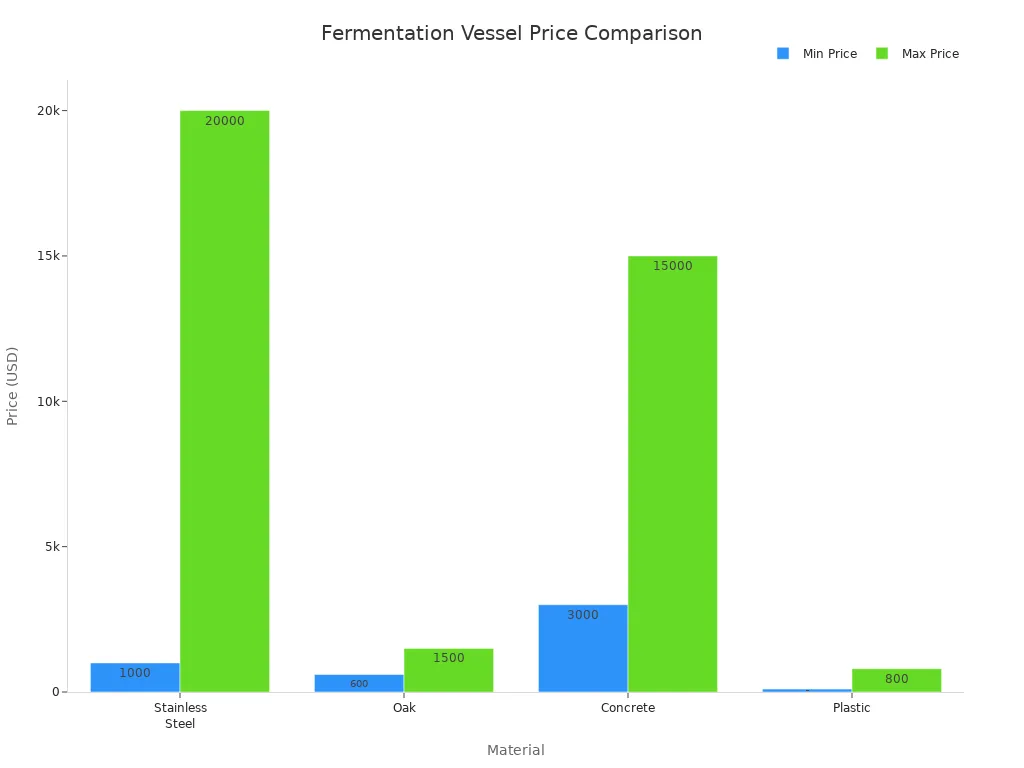
Stainless steel fermentation jars have a higher initial cost, but are more cost-effective in the long run due to their longer lifespan.
The right container depends on the amount of food you want to ferment. Small jars are suitable for home use or small-batch fermentation. Large stainless steel jars are suitable for large-scale fermentation, such as making large quantities of sauerkraut. The following chart shows recommended jar sizes:
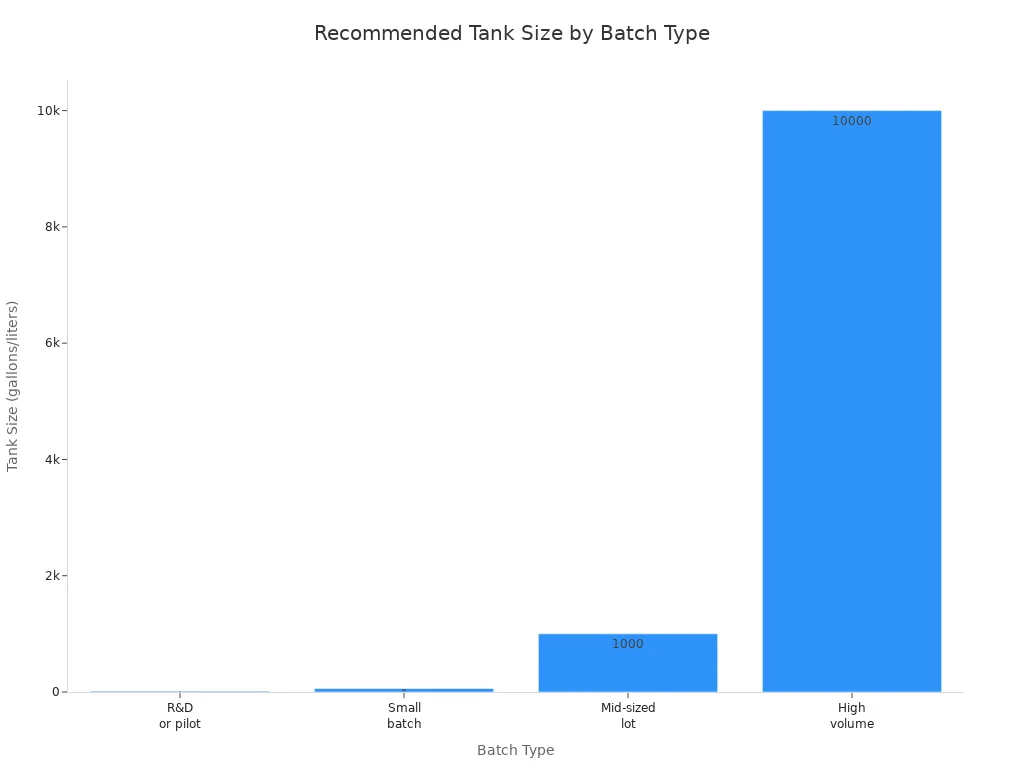
Some foods require special fermentation containers. Glass jars are great for beginners. They help to submerge vegetables in liquid and allow gases to escape. For larger batches of fermentation, conical fermentation jars or large fermentation tanks are used. These help control temperature and maintain food quality.
Tip: Be sure to choose the appropriate container size and type based on the type and quantity of food you are fermenting. This helps ensure the vegetables are safe and delicious.
For those trying home fermentation for the first time, choosing a simple and easy-to-use container is essential. They seek safe, simple, and affordable options. Many opt for plastic fermentation jars or buckets because they are lightweight, portable, easy to clean, and ideal for beginners, as well as small-batch fermentations. With experience, some switch to glass jars. Glass fermentation jars allow you to observe the fermentation process, maintain the pure flavor of the vegetables, and help control the temperature. Cooling kits can also be helpful.
If you want to take fermentation seriously, stainless steel fermentation jars are ideal. COFF’s stainless steel fermentation jars are durable, easy to clean, and provide light protection and freshness. Experts and users alike agree that stainless steel fermentation jars are the best choice for high-quality home fermentation.
Here are some high-quality fermentation jars suitable for home use:
Tip: Start with small jars or buckets. Experiment with different containers to find one you like.
Large-scale fermentation of vegetables requires sturdy containers. Commercial kitchens and breweries use conical fermentation tanks. These tanks help separate sediment and keep the liquid clear. Conical tanks are also suitable for a variety of fermentations. They facilitate different steps, ensuring the fermentation process proceeds smoothly.
Some places use flat-bottomed tanks for winemaking. Others use open-top tanks for brewing specialty drinks. Sealed tanks prevent bacteria from entering and maintain a stable fermentation process. Stainless steel tanks, such as those from the COFF brand, are popular. They are durable and easy to clean. They are available in various sizes, allowing you to choose the right size for your needs.
Specialty fermented foods like kimchi, miso, or fruit fermentation require suitable containers. One must consider the number of natural microorganisms in the vegetables, which contribute to natural fermentation. Moisture is also important. Vegetables with higher water content may require more salt to make a suitable brine. The sugar content in fruits can affect the fermentation speed. Firmer vegetables retain their crispness more easily than softer ones.
Many people use ceramic or glass jars to make these specialty fermented foods. These containers help maintain the right texture and flavor. Some people use food-grade plastic buckets for large-scale fermentation. Stainless steel fermentation jars are also suitable for some special recipes; they help control temperature and keep clean.
Note: Be sure to choose a container that matches the type of vegetables and the style you want.
Many people wonder which container is best for fermentation. Stainless steel jars and conical fermentation jars are sturdy, durable, and easy to clean. These containers are long-lasting and help ensure food safety. People who cook at home also prefer glass and ceramic containers. For large-scale fermentation, conical fermentation jars are very practical and easier to handle. It’s wise to try different containers to find the one that suits you best. Choosing the right container can make fermentation simple and fun.
Most beginners choose food-grade plastic buckets or glass jars. These containers are inexpensive and easy to use, helping people learn the basics of fermentation without spending too much money.
Stainless steel does not react with food, preserving its pure and fresh flavor. Many breweries and commercial kitchens use stainless steel because it better protects the taste of beer, wine, and vegetables.
Rinse the containers immediately after each use. Use warm water and a mild detergent. For stainless steel, a soft-bristled brush is a good choice. Before starting a new batch of fermentation, always check the container for food residue or stains.
Food-grade plastic containers are suitable for short-term fermentation. People should avoid using scratched or old plastic products. Scratches can easily harbor bacteria. When using plastic containers, always check for food safety labels.