


COPYRIGHT © 2022 COFF International Co., ltd. ALL RIGHTS RESERVED


A vacuum emulsifying mixer is a versatile industrial machine designed to process even the most viscous materials into uniform, stable mixtures. It integrates mixing, emulsification, homogenization, and degassing into a single vacuum-sealed process. Widely used in cosmetics, pharmaceuticals, food, and chemical industries, it delivers fast, consistent results by reducing particle size and eliminating air bubbles, resulting in superior product texture and long-term stability.
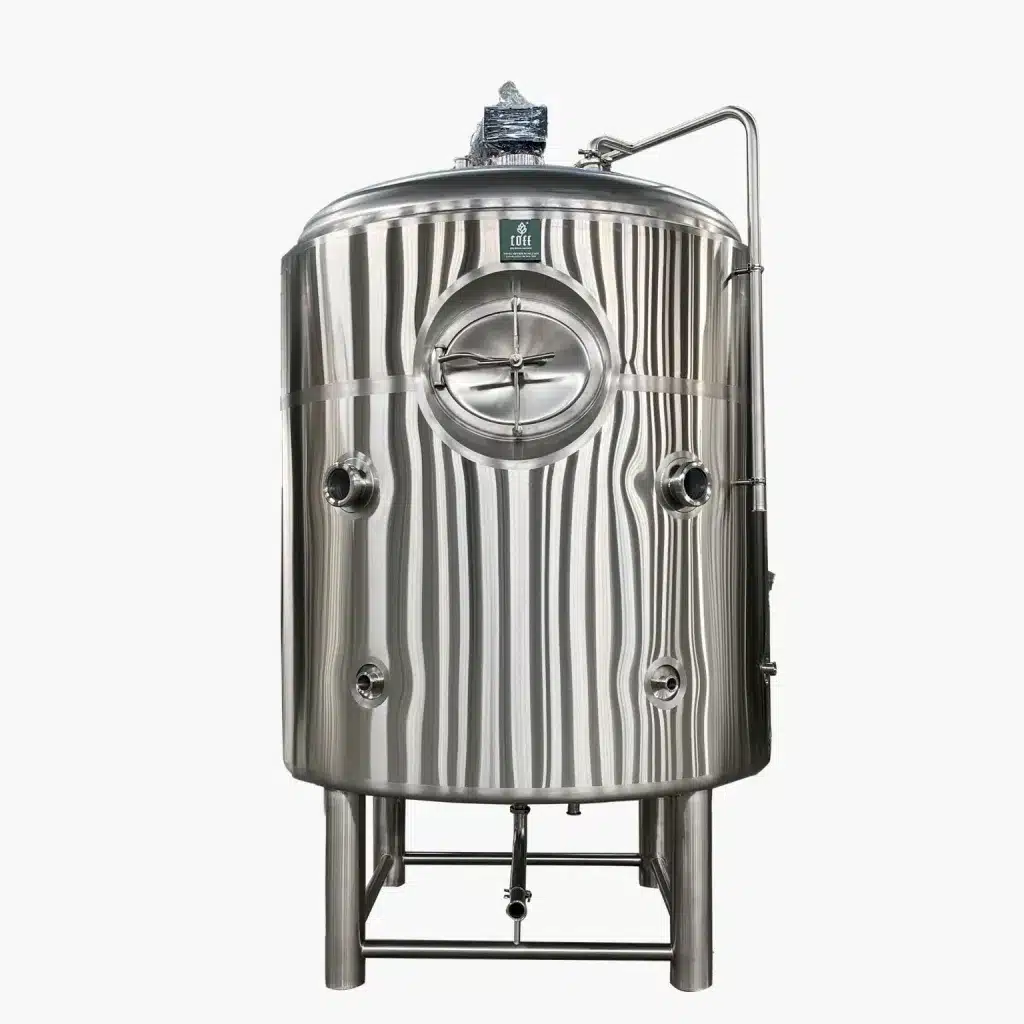
The mixing vessel is the core component of a vacuum emulsifying mixer. It is typically constructed from 316L or 304 stainless steel, ensuring excellent corrosion resistance, hygiene, and compliance with GMP standards.
Most vessels are equipped with CIP/SIP cleaning systems, allowing efficient cleaning and sterilization without disassembly. This reduces downtime and minimizes contamination risks.
| Feature | Description |
|---|---|
| Material | 316L/304 food- and pharma-grade stainless steel |
| Compliance | Meets GMP, FDA, and CE standards |
| Cleaning | Automated CIP/SIP systems for efficient cleaning |
The vessel also features a jacketed design for precise heating and cooling, using either electric or steam systems. This ensures accurate temperature control during processing. Customizable vessel sizes and configurations allow seamless integration into different production lines.
Note: Proper vessel design is essential for maintaining hygiene and consistent product quality.
The vacuum system distinguishes vacuum emulsifying mixers from conventional mixing equipment. By removing air during the mixing process, it eliminates bubbles, reduces foaming, and prevents oxidation.
This results in smoother textures, improved product stability, and extended shelf life.
| Benefit | Explanation |
|---|---|
| Prevents Oxidation | Reduces air exposure to maintain ingredient stability |
| Reduces Foaming | Minimizes bubble formation for a uniform product |
| Improves Stability | Prevents phase separation and enhances shelf life |
This feature is particularly important in industries such as cosmetics, pharmaceuticals, and food processing, where product quality and consistency are critical.
The emulsifying system uses a high-speed rotor-stator structure to generate strong shear forces, breaking down particles into fine, uniform sizes.
This system is essential for producing stable emulsions such as creams, lotions, and serums.
Modern vacuum emulsifying mixers are equipped with touchscreen control systems that allow real-time monitoring and adjustment of key parameters, including speed, temperature, vacuum level, and mixing time.
Customizable control systems enable easy integration into automated production lines and improve overall operational efficiency.

The vacuum emulsifying mixer operates through a sequential process that ensures uniform, high-quality results:
Throughout the process, the vacuum system maintains a sealed environment, ensuring no air or contaminants enter the mixture. This closed-loop design is what delivers the superior consistency and quality that vacuum emulsifying mixers are known for.
Vacuum emulsifying mixers are widely used across multiple industries to produce stable, high-quality products with consistent texture and performance.
| Industry | Common Products |
|---|---|
| Cosmetics & Personal Care | Creams, lotions, serums, gels, conditioners, sunscreens, facial masks |
| Pharmaceuticals | Ointments, creams, gels, nano-emulsions, topical medications |
| Food & Beverage | Sauces, dressings, mayonnaise, jams, dairy products |
| Chemicals | Coatings, adhesives, inks, cleaning agents, industrial emulsions |
Vacuum emulsifying mixers are essential in cosmetic manufacturing, where product texture and appearance are critical. They produce smooth, stable, and bubble-free creams, lotions, and gels.
The vacuum system removes air during processing, ensuring a refined texture and extended shelf life, while stainless steel construction meets strict hygiene standards.
Tip: Even small air bubbles can affect the appearance and quality of high-end cosmetic products, making vacuum processing essential.
In pharmaceutical production, precision, consistency, and sterility are crucial. Vacuum emulsifying mixers ensure uniform particle size and stable formulations, improving product effectiveness and dosing accuracy.
The closed system minimizes contamination risk and supports compliance with GMP requirements.
Food manufacturers use vacuum emulsifying mixers to produce smooth and uniform products such as sauces, dressings, and spreads.
The vacuum environment reduces oxidation, helping maintain freshness, while high-shear mixing ensures even ingredient distribution and consistent flavor.
In chemical processing, these mixers are used to produce stable emulsions for coatings, adhesives, and cleaning products.
Their ability to handle viscous materials and maintain uniform dispersion improves product performance and production efficiency.
Unlike traditional mixers, vacuum emulsifying mixers deliver uniform results batch after batch. The high-shear emulsification ensures all ingredients are evenly distributed, while the vacuum system eliminates air bubbles that can cause phase separation.
| Feature | Vacuum Emulsifying Mixers | Traditional Mixers |
|---|---|---|
| Degassing | Complete air bubble elimination | Limited or no degassing |
| Dispersion | High shear for uniform particle size | Lower shear, inconsistent mixing |
| Efficiency | Single-step process, reduced time/energy | Multiple steps, higher energy use |
The all-in-one design combines mixing, heating, cooling, and degassing into a single process, significantly reducing production time. This eliminates the need for multiple machines and reduces labor costs, while the closed system minimizes waste and product loss.
The closed vacuum system prevents dust, bacteria, and other contaminants from entering the mixture. Combined with the stainless steel construction and CIP systems, this ensures the highest levels of hygiene, making these mixers ideal for food, pharmaceutical, and cosmetic applications.
By eliminating air bubbles and preventing oxidation, vacuum emulsifying mixers significantly extend the shelf life of products. This reduces spoilage and waste, saving manufacturers money and improving customer satisfaction.
When selecting a vacuum emulsifying mixer, consider these key factors:
NingBo COFF Machinery offers a wide range of customizable vacuum emulsifying mixers designed to meet the unique needs of each industry.
A vacuum emulsifying mixer is an essential piece of equipment for any industry that requires high-quality, stable emulsions. Its unique combination of high-shear mixing and vacuum degassing delivers superior product texture, consistency, and shelf life that cannot be achieved with traditional mixers.
By investing in a high-quality vacuum emulsifying mixer, companies can increase production efficiency, reduce waste, improve product quality, and ensure compliance with industry regulations. COFF mixing systems are designed in accordance with GMP principles, featuring durable stainless steel construction and advanced control systems to ensure reliable performance in modern production environments.
The main purpose is to mix, emulsify, homogenize, and degass materials in a single vacuum-sealed process. This produces smooth, uniform, and stable products with extended shelf life.
They are widely used in cosmetics, pharmaceuticals, food and beverage, and chemical industries to make creams, lotions, ointments, sauces, gels, and emulsions.
The vacuum system removes air bubbles, prevents oxidation, and reduces foaming. This results in smoother textures, better stability, and longer shelf life for the final product.
Yes. Most high-quality mixers are made from food/pharma-grade stainless steel and feature automated Clean-in-Place (CIP) systems that allow thorough cleaning and sterilization without disassembly.
Regular mixers only perform basic mixing, while vacuum emulsifying mixers integrate mixing, emulsification, homogenization, and degassing. They produce much finer, more stable emulsions and prevent oxidation and contamination.