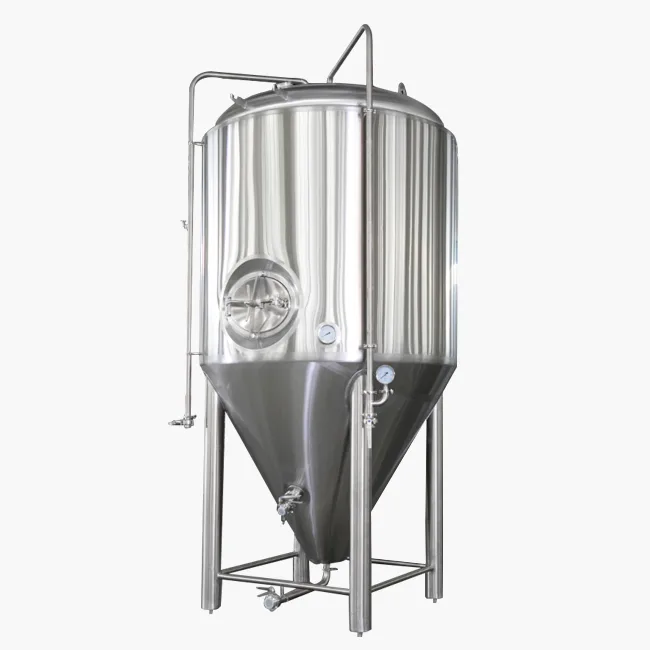


COPYRIGHT © 2022 COFF International Co., ltd. ALL RIGHTS RESERVED


You want your home brewing to taste great every time. Stainless steel brewing equipment helps you achieve that. This equipment keeps your brewing clean and safe. It does not hold on to old flavors or smells. When you use stainless steel, you get strong equipment that lasts for years. Your home setup will feel more professional, and your results will impress friends and family.
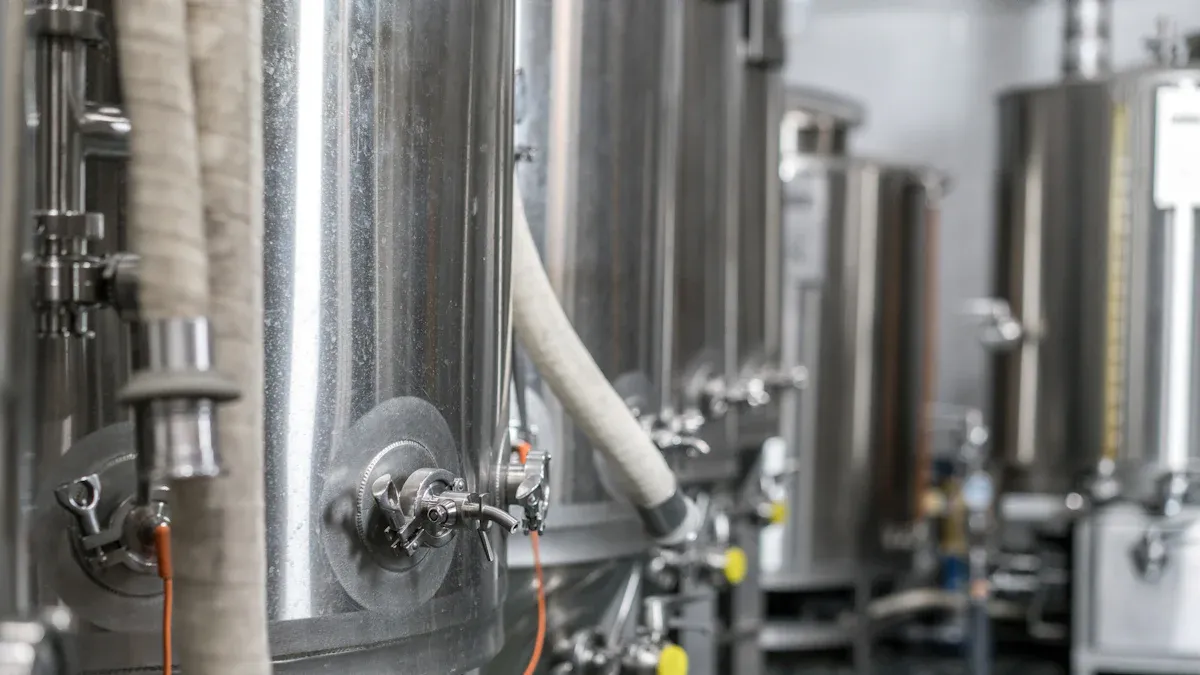
When you choose stainless steel brewing tanks, you pick equipment that stands the test of time. You do not have to worry about cracks or chips like you might with glass or plastic. Stainless steel brewing tanks can handle bumps, drops, and heavy use. They do not rust or wear out quickly. You can brew batch after batch without seeing much change in your tanks.
Take a look at how long different materials last:
| Material | Average Lifespan |
|---|---|
| Stainless Steel | 30 – 50 years |
| Plastics | Shorter lifespan |
| Glass | Shorter lifespan |
You get more value from stainless steel brewing tanks because you do not need to replace them often. They keep working year after year. This means you can focus on brewing great beer instead of shopping for new tanks.
Many problems in home brewing come from equipment failure. Here are some common issues:
Stainless steel brewing tanks help you avoid these headaches. Their durability and corrosion resistance keep your brewing setup running smoothly. You spend less time fixing things and more time enjoying your beer.
Cleanliness is key in brewing. You want every batch to taste fresh and pure. Stainless steel brewing tanks make cleaning easy. Their smooth surfaces do not trap dirt or bacteria. You can wash them with simple cleaners and get great results.
Scientific studies show that stainless steel is easier to sanitize than plastic or glass. Here is what researchers found:
| Study | Findings |
|---|---|
| Schmidt et al. (2012) | Stainless steel surfaces showed good cleanability when cleaned with alkaline detergent. |
| Frank and Chmielewski (2001) | Electropolished stainless steel is known for its low roughness values, enhancing sanitation. |
| Flint et al. (2000) | Maximum bacterial adhesion was found at a Ra value of 0.9 µm, indicating that lower roughness improves cleanability. |
Stainless steel brewing tanks resist scratches. This matters because scratches in plastic can hide bacteria. Even with strong cleaners, those germs can stick around and spoil your beer. Stainless steel does not have this problem. You get a safer, cleaner brewing process every time.
Tip: Always rinse your stainless steel brewing tanks after each use. This keeps them spotless and ready for your next brew.
You want your beer to taste just the way you planned. Stainless steel brewing tanks help you keep flavors true and fresh. They do not react with your brew or add strange tastes. Your beer stays pure from start to finish.
Studies show that beer stored in stainless steel tanks keeps its color and taste longer than beer in plastic or aluminum. Here is what happens:
You work hard to craft the perfect brew. Stainless steel brewing tanks protect your efforts. They lock in flavor and keep out unwanted tastes. You get the best results every time you brew at home.
Getting the right temperature during brewing makes a huge difference in your final beer. You want your yeast to work at its best, and that only happens when you keep things steady. Stainless steel brewing tanks help you do just that. These tanks give you more control over the brewing process than glass or plastic ever could.
Here’s why you’ll notice better results with stainless steel brewing tanks:
When you use stainless steel brewing tanks, you get more than just a strong container. You get a tool that helps you create the exact flavors you want. These tanks are designed to create the best conditions for yeast and other microbes. You can even find tanks with built-in temperature control options, making it easy to adjust and monitor your brew.
Note: If your temperature drops too low, your yeast might slow down or stop working. If it gets too high, you could end up with strange flavors. Stainless steel brewing tanks help you avoid these problems by keeping things steady.
You can trust stainless steel brewing tanks to give you consistent and predictable results. That means every batch tastes just how you planned.
You want your brewing equipment to last a long time and stay looking new. Stainless steel brewing tanks make that possible. These tanks stand out because they resist corrosion and stains, even after years of use.
Let’s look at what makes stainless steel brewing tanks so reliable:
Here’s a quick comparison:
| Attribute | Description |
|---|---|
| Durability | Stainless steel is very strong and can withstand high temperatures and acidic environments. |
| Longevity | Unlike plastic, stainless steel does not deteriorate over time, reducing the need for replacements. |
| Investment Value | Stainless steel is a smart investment for long-term home brewing due to its durability. |
Stainless steel brewing tanks also have high tensile strength. That means they can handle the pressure and force that come with brewing, without bending or breaking. You can clean them easily, and they won’t stain from hops, malt, or other ingredients.
Tip: Rinse your tanks after each use to keep them looking shiny and new. Stainless steel makes this easy because it doesn’t hold onto stains or smells.
With stainless steel brewing tanks, you get equipment that stays strong, clean, and reliable for years. You can focus on brewing great beer, not on fixing or replacing your tanks.
When you look at your options for brewing at home, you might wonder if plastic equipment can do the job. Plastic is light and cheap, but it comes with some big drawbacks. Stainless steel brewing equipment gives you a much better experience.
Here’s a quick look at how stainless steel and plastic compare:
| Feature | Stainless Steel | Plastic |
|---|---|---|
| Durability | Long-lasting, scratch-resistant | Prone to scratches, less robust |
| Sanitation | Easy to clean, non-porous | Difficult to sanitize, porous |
| Temperature Control | Better heat resistance, precise control | Limited heat tolerance, less precise |
| Cost | More expensive | Cost-effective |
| Weight | Heavier | Lightweight |
You get a tank that lasts for years when you choose stainless steel. Plastic scratches easily, and those scratches can hide bacteria. That means you spend more time cleaning and worrying about contamination. Stainless steel brewing equipment has a smooth surface, so you can clean it quickly and keep your brewing safe.
If you want to brew great beer every time, stainless steel brewing equipment is the way to go. You get peace of mind and better results.
Tip: If you use plastic, check for scratches often. If you see any, it’s time to replace your equipment.
Glass brewing equipment looks nice and lets you watch your beer ferment. You might like seeing the bubbles and color changes. Glass has some good points, but it also has risks.
Let’s compare glass and stainless steel:
| Equipment Type | Advantages | Disadvantages |
|---|---|---|
| Glass Fermenters | – Narrow neck reduces oxygen exposure. | – Break easily and can be dangerous. |
| – Complete protection from oxygen. | – Heavy and difficult to move. | |
| – Best for long-term aging. | – Susceptible to skunking from light exposure. | |
| – Scratch resistant, easier to clean. | ||
| – Clear, allows observation of fermentation. | ||
| Stainless Steel Fermenters | – Strong and resistant to damage, longest lasting option. | – Generally the most expensive option. |
| – Easy to clean, resistant to scratches. | ||
| – Impermeable to oxygen, good for long-term aging. | ||
| – Complete protection from light exposure. | ||
| – Easiest and safest for temperature-controlled fermentation. |
Glass lets you see your brewing in action, but it breaks easily. If you drop a glass fermenter, you could lose your batch and even get hurt. Glass is heavy, so moving it can be tough. Light can also get through glass and spoil your beer.
Stainless steel brewing equipment keeps your beer safe from light and oxygen. You don’t have to worry about breaking a tank or hurting yourself. You get strong, reliable equipment that makes brewing easier and safer.
Note: If you want to watch your fermentation, try using a clear airlock or a sight glass with your stainless steel tank.
Aluminum is another choice for brewing. It’s light and heats up fast, but it has some problems you should know about.
Here’s how aluminum and stainless steel stack up:
| Property | Aluminum | Stainless Steel |
|---|---|---|
| Heat Conductivity | High thermal conductivity, ideal for rapid heat dissipation | Lower thermal conductivity compared to aluminum |
| Heat Resistance | Melting point around 660°C | Can withstand temperatures up to 750-1550°C |
| Reactivity | Can react with certain chemicals, may leach into brew | Non-reactive with acids, does not alter flavors |
| Corrosion Resistance | Less corrosion resistant | High corrosion resistance, suitable for high-temperature applications |
Aluminum heats up quickly, so you can boil your wort fast. But it can react with acids and chemicals in your brewing. This reaction might change the taste of your beer. Aluminum can also discolor and corrode over time.
Stainless steel brewing equipment handles high temperatures and does not react with acids. Your beer keeps its true flavor. You get equipment that lasts longer and stays clean.
If you want the best results, stainless steel brewing equipment is your top choice. You get strong, reliable tanks that protect your beer and make brewing easier.
Callout: Stainless steel brewing equipment helps you brew with confidence. You get better control, cleaner batches, and equipment that lasts for years.
When you switch to stainless steel brewing equipment, you notice the difference right away. Many home brewers say it feels like moving from a basic kitchen to a chef’s workspace. You get more control, less hassle, and better results every time you brew.
Let’s break down the practical advantages you’ll enjoy:
| Advantage | What It Means for You |
|---|---|
| Durability | Your equipment lasts for years, even with heavy use. |
| Hygiene | Cleaning is quick and easy, so your beer stays pure and safe. |
| Temperature Control | You can keep your brew at the perfect temperature for great flavor. |
| Leak-proof | No more worrying about spills or wasted beer during brewing. |
| Chemical Absorption | Your beer keeps its true taste, with no strange flavors sneaking in. |
You’ll find that stainless steel brewing equipment stands up to daily use. It doesn’t rust or break down, so you don’t have to replace it often. You can focus on brewing instead of fixing or buying new gear.
Here are some things you’ll love about using stainless steel for brewing:
Tip: Many brewers say that switching to stainless steel makes brewing feel easier and more fun. You spend less time cleaning and more time enjoying your beer.
People who use stainless steel brewing equipment also report higher satisfaction. They like knowing their setup will last for years. They trust that their beer will taste just how they planned. The equipment’s durability and easy cleaning make it a smart choice for anyone serious about brewing at home.
If you want to take your brewing to the next level, stainless steel gives you the tools you need. You get peace of mind, better control, and a setup that helps you brew your best beer every time.
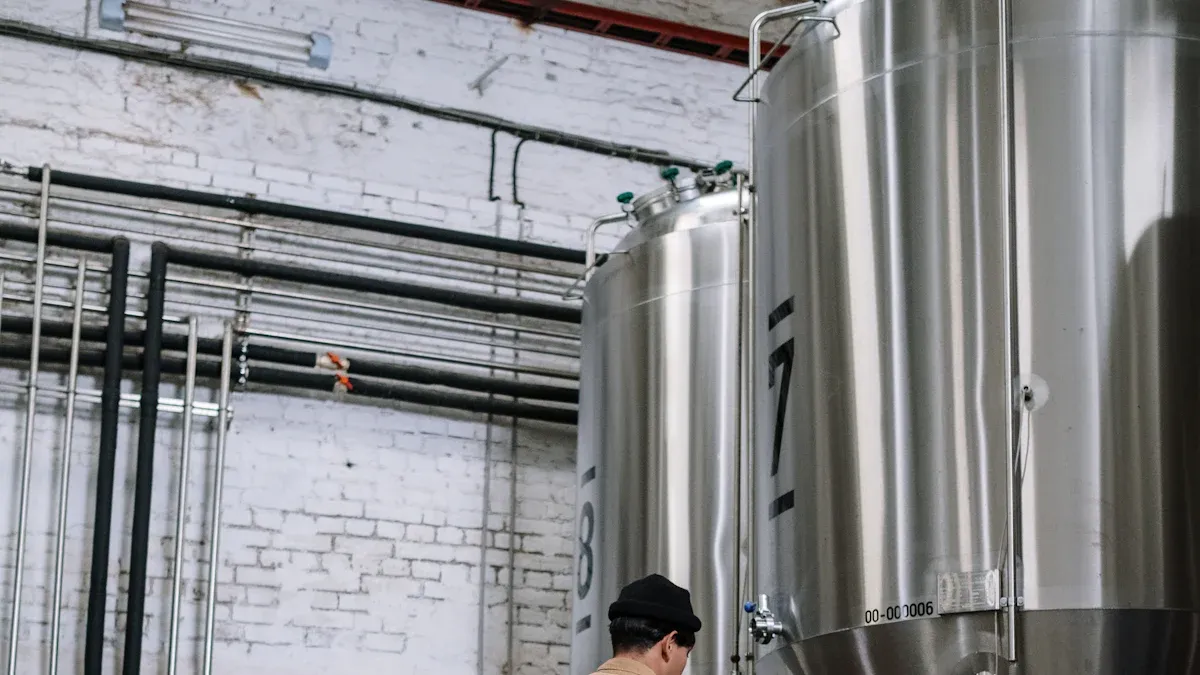
When you pick stainless steel brewing tanks, you want to know what kind of steel you are getting. Not all stainless steel is the same. Some types work better for brewing than others. The most common grades are SS304 and SS316. These grades keep your beer safe and tasting great.
Here’s a quick look at the main types:
| Stainless Steel Grade | Corrosion Resistance | Hygienic Properties | Versatility | Cost-Effectiveness |
|---|---|---|---|---|
| SS304 | Excellent | Non-porous | High | Reasonable price |
| SS316 | Superior | Non-porous | High | Higher price |
| SS430 | Moderate | Porous | Moderate | Lower price |
SS304 is the most popular for stainless steel brewing tanks. It gives you great corrosion resistance and is easy to clean. SS316 is even tougher and works well if you brew in harsh conditions. SS430 costs less but does not last as long or clean as easily.
Tip: If you want your brewing setup to last, choose tanks made from SS304 or SS316.
You will see two main types of fittings on stainless steel brewing tanks: welded and weldless. Welded fittings are attached right to the tank. They do not leak and last a long time. Weldless fittings can be taken apart for cleaning, which is handy if you want to keep things spotless.
Here’s a quick comparison:
Most home brewers like welded fittings because they do not have to worry about leaks. If you want to clean every part, weldless fittings make that easy. Both types work well, so you can pick what fits your style.
You want your stainless steel brewing tanks to stay clean and safe. The smooth, non-porous surface of these tanks makes cleaning simple. Dirt and bacteria cannot hide, so you get a fresh start every time you brew. This helps you avoid off-flavors and keeps your beer tasting just how you want.
Stainless steel brewing tanks resist stains and do not hold on to old smells. You can wash them with basic cleaners and rinse them out fast. The easy-to-clean design means you spend less time scrubbing and more time brewing.
Note: Clean tanks help you make better beer. Always rinse your tanks after each use to keep them in top shape.
When you brew at home, you want to keep things simple and accurate. Integrated thermometers and valves in stainless steel brewing tanks help you do just that. You can check the temperature with a quick glance. You can control the flow of your brew with a turn of a valve. This makes your brewing process smoother and more fun.
Here’s a quick look at how these features help you:
| Feature | Contribution to Brewing Process |
|---|---|
| Advanced cooling systems | Keeps temperatures steady, which is key for fermentation and conditioning |
| Full temperature automation | Holds the perfect temperature for yeast to work well |
| Smart device app | Lets you watch and control your brew from anywhere |
You get more control over your beer. You can keep the temperature just right, which helps your yeast do its job. This means your beer tastes better and has the flavors you want.
Tip: Use the built-in thermometer to check your brew often. This helps you catch any problems early and keeps your beer on track.
Insulation in your brewing tank works like a cozy blanket for your beer. It keeps the heat in and the cold out. This helps you hold the right temperature for as long as you need. You don’t have to worry about losing heat during mashing or fermentation.
Check out some common insulation methods and what they offer:
| Insulation Method | Pros | Cons |
|---|---|---|
| Stock BREWER’S EDGE® MASH & BOIL | No extra work needed | May not keep heat as well |
| Duck brand, cotton enhanced | Cheap and easy to find | Can be messy when cutting |
| Sleeping Bag | Fast and easy to use | Might upset your family if you cut it |
| 3 Layers of Reflectix | Looks neat, easy to fit | Needs a custom fit |
| Reflectix with 2 cm gap | Great heat retention | None listed |
| Reflectix “Dome” | Wraps the kettle for best heat retention | None listed |
During tests, brewers checked how well each insulation kept the kettle warm. They watched the temperature as the water cooled to 155°F. The best insulation kept the heat in longer, which means your mash stays at the right temperature. This helps your enzymes work better and gives you a better brew.
Note: Good insulation saves energy and helps you make better beer. Try different methods to see what works best for your setup.
When you want to brew great beer at home, you need a reliable brew kettle. COFF stainless steel brew kettles give you a solid start. These kettles have a sturdy build and a smooth finish. You can count on them to handle high temperatures and heavy use. The design makes cleaning easy, so you spend less time scrubbing and more time brewing.
Many home brewers look for kettles that offer both quality and features. Here’s how some popular brands compare, based on user feedback:
| Kettle Brand | User Feedback |
|---|---|
| Brewbuilt | Users praise the quality and features, saying they are worth the investment. |
| Ss Brewtech | Built-in recirculation port makes adding equipment simple. |
| Concord | Some prefer Brewbuilt for its superior quality and features. |
| Ss Brewing Tech | Heavy-duty and competitively priced compared to other high-end brands. |
COFF kettles stand out because they use food-grade stainless steel. You get a kettle that keeps your brew safe and pure. The handles stay cool, so you can move your kettle without worry. If you want to upgrade your brewing setup, COFF kettles make a smart choice.
You want your beer to ferment in the best environment. COFF stainless steel brewing tanks and fermenters give you that peace of mind. These tanks resist corrosion and stains, so your beer stays clean and fresh. The smooth surface means bacteria have nowhere to hide.
COFF tanks come in different sizes to fit your brewing needs. Whether you brew small batches or want more capacity, you can find a tank that works for you. The tanks have welded fittings, which help prevent leaks. You can trust these tanks to last for years, even with regular use.
Temperature control is easy with COFF tanks. Many models include built-in thermometers and valves. You can check your brew at a glance and make quick adjustments. This helps you keep your fermentation on track and your flavors just right.
Tip: Always rinse your tanks after each use. This simple step keeps your equipment in top shape and your beer tasting great.
A good mash tun helps you get the most from your grains. COFF mash tuns use high-quality stainless steel, so you get even heating and easy cleaning. The insulated walls help hold the right temperature during mashing. This means your enzymes work better, and you get more sugar from your grains.
COFF mash tuns come with sturdy lids and strong handles. You can move them without trouble. The design makes it easy to drain your wort and clean up after brewing. If you want to improve your brewing results, a COFF mash tun gives you the control you need.
With COFF brewing equipment, you get reliable tanks, kettles, and mash tuns. Each piece helps you brew better beer at home.
If you want to step up your home brewing, you might look at the SS Brewtech Brew Bucket and Chronical BME. These stainless steel fermenters give you a professional feel right in your kitchen or garage. You get a solid design that keeps your beer safe and fresh. The Brew Bucket has a conical bottom, so yeast and sediment settle out easily. This makes your beer clearer and tastier.
The Chronical BME takes things even further. It comes with advanced features like a rotating racking arm and a built-in thermometer. You can check your brew’s temperature without opening the lid. That means less risk of contamination. Both tanks are easy to clean, and you can move them around without much trouble.
Tip: If you want to brew bigger batches, check the capacity before you buy. The Chronical BME offers more room for larger brews.
Spike Brewing makes tanks that many home brewers love. The CF10 and Flex Fermenters stand out because they are tough and easy to use. You get a sturdy build that handles pressure and keeps your beer safe. The CF10 has a cone-shaped bottom, which helps you collect yeast and clean up faster.
Flex Fermenters give you options. You can add extra parts like a pressure kit or a heating pad. This lets you control your brewing process even more. Both tanks have strong handles, so you can lift and move them with ease. You will notice how much easier brewing feels with these tanks.
After you finish boiling your wort, you need to cool it down fast. Stainless steel wort chillers help you do this quickly and safely. They fit right into your brewing tanks and lower the temperature in minutes. This step keeps your beer clean and stops unwanted flavors.
When your beer is ready, you want to store it in something strong. Stainless steel kegs are perfect for this. They keep your beer fresh and make serving easy. You can use the same tanks for fermenting and storing if you like. This saves space and time.
Note: Stainless steel wort chillers and kegs last for years. You get reliable tools that make your brewing setup complete.
You want your brewing setup to last and always deliver great results. Cleaning plays a huge role in that. Start by rinsing your equipment with warm water right after each use. This step removes leftover grains and sugars before they dry up. Next, use a degreasing agent to break down any oils or sticky residue. After cleaning, sanitize everything before you brew again. This keeps unwanted bacteria away from your next batch.
Here’s a simple cleaning routine you can follow:
Tip: Passivate your stainless steel once a year or whenever you notice stains. This process helps your equipment resist rust and keeps it looking shiny.
Scratches can trap bacteria and make cleaning harder. You want to keep your tanks smooth and safe. Always use soft sponges or cloths when you clean. Avoid steel wool or harsh scrubbers. If you need to scrape off something stuck, try a plastic scraper instead of metal tools.
Here are some ways to protect your brewing equipment:
A little care goes a long way. Your brewing equipment will stay in top shape and keep giving you great results.
Regular checks help you catch problems early. Look over your brewing setup before and after each use. Pay close attention to seals, valves, and hoses. These parts can wear out faster than others. Run a test cycle with water to check for leaks. If you spot any issues, fix them right away.
Here’s a quick table to guide your routine:
| Maintenance Task | What to Do |
|---|---|
| Inspect Seals | Look for cracks or signs of wear |
| Check Valves | Make sure they open and close smoothly |
| Test for Leaks | Run water through the system and watch closely |
| Lubricate Moving Parts | Use food-safe lubricant for smooth operation |
Note: Consistent care keeps your brewing equipment running smoothly and helps you avoid surprises during your next batch.
You want your stainless steel brewing equipment to stay in top shape. Safe storage helps you protect your investment and keep your gear ready for the next batch. Let’s talk about how you can store your tanks, kettles, and accessories the right way.
First, always clean and dry your equipment before you put it away. Moisture can lead to spots or unwanted smells. You don’t want to find stains or residue when you pull out your gear. Wipe everything down with a soft cloth. Make sure every surface feels dry.
Next, pick a storage spot that stays cool and dry. Avoid places with lots of humidity or direct sunlight. Basements and garages work well if they don’t get damp. Shelves or racks help you keep things organized. You can use padded mats or towels to prevent scratches.
Here’s a quick checklist for safe storage:
Tip: If you stack your tanks or kettles, place the heaviest items on the bottom. This keeps everything stable and prevents dents.
You might want to cover your equipment with a breathable cloth. This keeps dust away but lets air move around. Avoid plastic covers because they can trap moisture.
Here’s a simple table to help you choose the best storage spot:
| Storage Location | Pros | Cons |
|---|---|---|
| Pantry | Easy access | May be humid |
| Garage | Lots of space | Can get damp |
| Basement | Cool temperature | Risk of moisture |
| Kitchen Cabinet | Clean environment | Limited space |
Safe storage means your stainless steel brewing equipment stays clean, shiny, and ready for action. You spend less time fixing problems and more time brewing great beer.
When you choose stainless steel brewing equipment, you set yourself up for success. You get cleaner, tastier beer and equipment that lasts for years. Take a look at the savings:
| Description | Cost Calculation |
|---|---|
| Initial Equipment Cost | $700 |
| Number of Brews Over 3 Years | 10 |
| Cost Per Brew | $23.33 |
| Cost Per Litre | $1.23 |
| Cost Per Pint | $0.61 |
| Amortized Cost After 3 Years | $0 in equipment costs |
Upgrade your home brewing setup and enjoy reliable, high-quality results every time.
Stainless steel does not scratch easily. You can clean it fast. Plastic can hold on to smells and germs. Your beer tastes fresher with stainless steel. You also get equipment that lasts much longer.
You just rinse with warm water after each use. Use a food-safe cleaner if needed. Dry with a soft cloth. Stainless steel does not hold stains or smells, so cleaning stays simple.
No, stainless steel keeps your beer’s flavor pure. It does not react with your brew. You get the taste you want every time. Many pro brewers trust stainless steel for this reason.
You do not need to worry. Stainless steel resists rust, even after years of use. Just keep your tanks clean and dry. If you see spots, a quick wipe with a soft cloth keeps them shiny.
Look for food-grade steel, welded fittings, and easy-to-clean surfaces.
Tanks with built-in thermometers and insulated walls help you control your brew.
Choose the size that fits your brewing style.