


COPYRIGHT © 2022 COFF International Co., ltd. ALL RIGHTS RESERVED


A Fermenter Tank and a Bright Beer Tank each play distinct roles of craft brewery equipment in the brewing process. The Fermenter Tank is where yeast transforms maltose into alcohol and carbon dioxide, initiating the essential fermentation stage. Following this, the Bright Beer Tank is used to clarify and carbonate the beer, ensuring it achieves the desired clarity and effervescence. Brewers who understand the unique functions of the Fermenter Tank and Bright Beer Tank can produce higher-quality beer and streamline their operations. Together, the Fermenter Tank and Bright Beer Tank are essential for both craft and large breweries to consistently create exceptional beer. Coff is your reliable craft brewety equipment manufacture partner.
Fermenter Tanks are very important for fermentation. In these tanks, yeast changes sugars into alcohol and carbon dioxide. Bright Beer Tanks help make beer clear and bubbly. They make sure the beer is clear and fizzy before it gets packed. Using both tanks makes beer better. Each tank has its own job in making beer. Brewers should think about tank size, what it is made of, and how much pressure it can handle when picking equipment. Unitanks can make brewing easier. They let fermentation and conditioning happen in one tank. This lowers the chance of germs getting in.
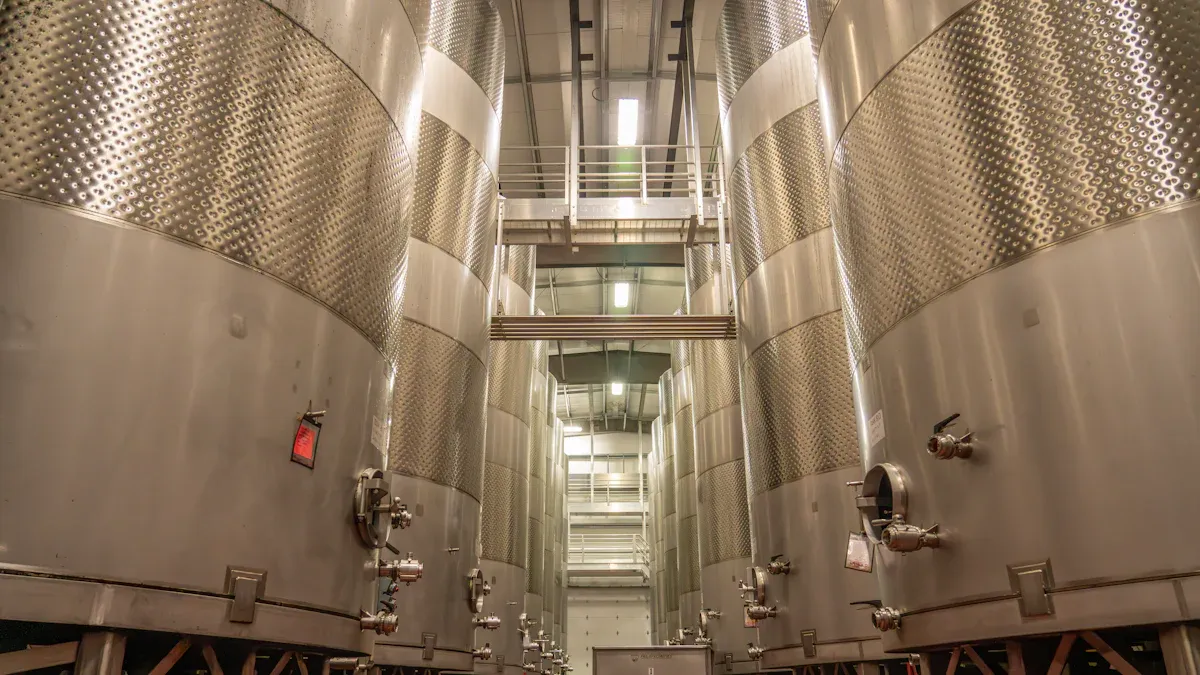
A Fermenter Tank is a special container used in brewing. It helps turn wort into beer. Inside, yeast changes sugars into alcohol and carbon dioxide. Brewers use the Fermenter Tank to keep the right temperature and pressure. They also make sure the tank stays clean. This stops germs from getting in and keeps the beer tasting the same every time. The tank is made to keep out oxygen. This helps yeast work better. Some tanks have open tops for old-style brewing. Most new tanks are closed and strong for safety and better beer.
Brewers pick Fermenter Tanks because they help control the process. These tanks are important for making beer with the right taste, smell, and strength.
Fermenter Tanks have many features that help with brewing. The table below shows some common features and why they matter:
Feature | Benefit |
|---|---|
60° sloped bottom | Yeast/trub collection |
Jacketed walls | Precise temperature control |
Closed design | Oxygen exclusion |
The materials and shape of the tank are important too. Most Fermenter Tanks are made from stainless steel. This makes them strong and easy to clean. Some tanks use glass or plastic. These are easy to clean and help control temperature. The next table shows what materials and shapes are used:
Material | Design Features |
|---|---|
Stainless Steel | Conical bottoms, cylindrical shapes |
Glass | Temperature control, gas release |
Food-grade Plastic | Easy cleaning, precise conditions |
Many tanks have systems that check and change settings automatically. A clean design helps stop germs from getting in.
Brewing has many steps where the Fermenter Tank is important:
Wort Transfer and Yeast Pitching: Brewers move cooled wort into the Fermenter Tank. Then they add yeast.
Lag Phase: Yeast gets used to its new home.
Primary Fermentation: Yeast eats sugars and makes alcohol and carbon dioxide. This takes a few days.
Secondary Fermentation (Conditioning): Beer gets older and flavors grow.
Carbonation: Carbon dioxide from fermentation can make the beer fizzy.
The Fermenter Tank lets brewers control temperature and pressure. Warmer temperatures make yeast work faster. More pressure can slow yeast down and stop bad flavors. Keeping the tank closed helps keep good smells in the beer. Brewers use different temperatures for ales and lagers. This makes each beer taste different.
The Fermenter Tank works with the Bright Beer Tank to finish brewing. The Fermenter Tank does the fermentation. The Bright Beer Tank makes the beer clear and fizzy.
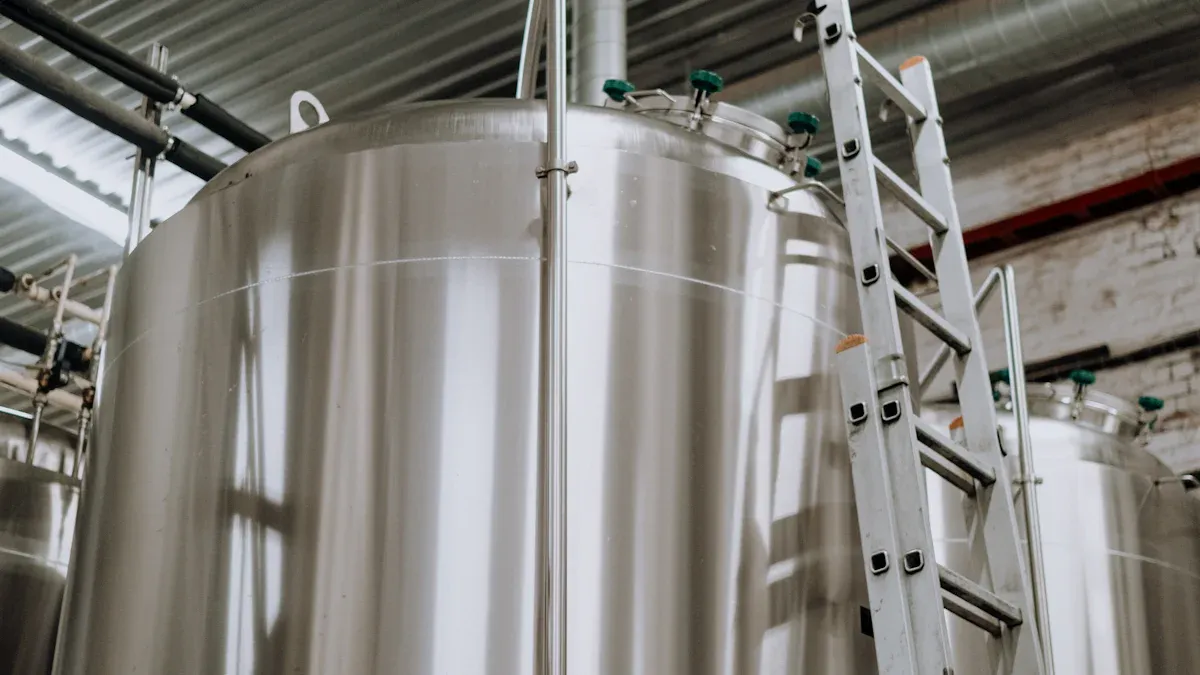
A bright beer tank is a vessel that helps brewers finish their beer before packaging. This tank makes sure the beer is clear and has the right amount of bubbles. Brewers use the bright beer tank as the last step in the brewing process. The tank filters the beer and adds carbonation, so the beer looks and tastes great. Many breweries rely on the bright beer tank to create a crisp, clean product that is ready for bottles, cans, or kegs.
The bright beer tank acts as a finishing vessel. It ensures clarity, carbonation, and maturity of the beer. Brewers use it as the last stop before packaging for consumption.
Bright beer tanks have special features that help brewers make high-quality beer. These tanks can handle high pressure, which lets brewers add carbonation quickly and evenly. The tanks also use filtration systems to remove any leftover yeast or hops. This process gives the beer a clear look and smooth taste. The table below shows how bright beer tanks compare to fermenter tanks:
Feature | Bright Beer Tanks | Fermenter Tanks |
|---|---|---|
Pressure Ratings | Designed to withstand higher pressures | Lower pressure tolerance |
Carbonation Capabilities | Built for carbonation, can inject CO2 evenly | Relies on yeast activity for carbonation |
Bright beer tanks also have valves for easy transfer and packaging. Brewers can use these tanks to serve beer directly or move it into containers for sale.
Brewers move beer from the fermenter tank to the bright beer tank after fermentation. The bright beer tank helps with several important steps:
Post-Fermentation: The beer enters the bright beer tank after primary fermentation.
Carbonation: Brewers add CO2 to the beer, making it fizzy and refreshing.
Clarification: The tank removes yeast, hops, and other particles, giving the beer a clear look.
Maturation: The beer sits in the tank, allowing flavors to develop and mellow.
Packaging: Brewers fill bottles, cans, or kegs directly from the bright beer tank.
The bright beer tank plays a key role in the final stages of beer production. It ensures the beer is ready for customers and meets quality standards. Brewers use both the fermenter tank and bright beer tank to create beer that tastes great and looks appealing.
Fermenter Tank and Bright Beer Tank do different jobs in brewing. Fermenter Tank gives yeast a safe place to turn sugars into alcohol. Bright Beer Tank gets beer ready for packaging by making it clear, fizzy, and storing it. Brewers need both tanks to make good beer.
Feature | Fermenter Tank | Bright Beer Tank |
|---|---|---|
Purpose | Main fermentation of sugars to alcohol | Conditioning, clarification, carbonation, storage |
Function | Controlled space for yeast activity | Prepares beer for packaging |
Brewers use Fermenter Tank for the first fermentation step. Bright Beer Tank finishes the beer and gets it ready for customers.
Fermenter Tank and Bright Beer Tank look different. Fermenter Tank has a cone-shaped bottom. This helps collect yeast and solids. Bright Beer Tank has a dish-shaped bottom. This makes cleaning and storing easier.
Feature | Fermenter Tank | Bright Beer Tank |
|---|---|---|
Bottom Type | Cone-shaped bottom | Dish-shaped bottom |
Pressure Rating | Safe valve, Prv 2 Bar | Pressure and anti-vacuum valve |
Cooling Jacket | Dimple plate on bottom and sides | Dish-shaped bottom |
Insulation | Thick polyurethane foam | Thick polyurethane foam |
Capacity | 100L – 20000L, 1 BBL – 200 BBL | Custom, extra headspace +20% |
Construction Material | Food-grade steel | Food-grade steel |
Additional Features | Dry hopping port, glycol water ports | Carbonation port, level gauge |
Fermenter Tank uses a rotating racking arm and butterfly valve. Bright Beer Tank has a carbonation port and level gauge. Both tanks are easy to clean because of their smooth finishes.
Fermenter Tank and Bright Beer Tank work together in brewing. Fermenter Tank starts the process. Yeast grows and turns sugars into alcohol. Bright Beer Tank finishes the process. It makes the beer clear, fizzy, and stores it.
Step in Brewing | Fermenter Tank Role | Bright Beer Tank Role |
|---|---|---|
Fermentation | Yeast changes sugars to alcohol | Not used |
Clarification | Collects yeast and solids | Removes leftover yeast and hops |
Carbonation | Natural from fermentation | Adds CO2 for fizz |
Storage | Short-term during fermentation | Longer before packaging |
Packaging | Moves beer to next tank | Fills bottles, cans, or kegs directly |
Brewers pick Fermenter Tank for good yeast collection and temperature control. Bright Beer Tank gives clear, fizzy beer ready for packaging. Big breweries use Bright Beer Tank for storage and aging. Small breweries may use unitanks that do both jobs.
Brewers make better beer by using both tanks in order. Each tank helps with a different part of brewing.
Professional brewers like the Fermenter Tank for many reasons.
Conical fermenters let brewers do two steps in one tank. This means they do not have to move the beer. It saves time and lowers the chance of germs getting in.
The cone shape makes it easy to collect yeast and sediment. Brewers can use the yeast again, which saves money.
Gravity helps move the beer, so brewers do not need a siphon.
Stainless steel tanks are simple to clean and take care of.
These tanks keep the best conditions for yeast to work. Brewers can set the temperature and pressure just right.
Good control helps breweries make the same beer every time.
Tanks come in different sizes, so breweries can make more beer as they grow.
When beer ferments well in these tanks, it lasts longer and stays fresh for shipping.
Brewers pick conical fermenters because they save money, give control, and work fast.
Fermenter Tanks also have some problems.
Big tanks cost a lot, especially for large breweries.
Large tanks need lots of room, which is hard for small breweries.
Tanks need cleaning and care often. This takes time and special skills.
Fancy features like temperature and pressure controls make things harder to use.
Bright Beer Tank gives many good things for beer quality.
These tanks help make beer clear by letting yeast and bits settle.
Filters take out things that should not be in the beer, so it looks nice.
Clear beer shows customers it is good, which matters for big breweries.
The tank adds bubbles, making beer taste crisp and fresh.
Bright Beer Tanks help breweries give customers beer that looks and tastes great.
Bright Beer Tanks have some downsides.
They need more tools and space in the brewery.
Brewers must move beer from the fermenter, which adds more steps.
Cleaning and taking care of these tanks takes work and time.
Filters and carbonation systems can make the tanks cost more.
Brewers need to think about a few things when picking a fermenter tank or a bright beer tank. The best choice depends on how big the brewery is, what they want to make, and how much room they have. Many breweries use unitanks because these tanks do both maturing and fermenting. This makes brewing easier and lowers the chance of germs getting in. The table below shows why unitanks are helpful:
Factor | Unitank Advantages |
|---|---|
Simplicity | Does both maturing and fermenting, so there are fewer steps. |
Reduced Risk of Contamination | Keeps air out, so beer is less likely to taste bad. |
Custom tanks help breweries match their tools to what they want to make. Stainless steel tanks are strong and can be used for many brewing jobs. Good planning lets breweries add more tanks as they get bigger. This helps them have the right tools now and later.
Home and craft brewers should follow some simple rules when picking tanks:
Make sure tanks seal tight to keep air out and stop spoilage.
Clean tanks often to keep out bad germs.
Watch pressure so beer does not get too fizzy.
Use unitanks to save space and make brewing easier.
Bright tanks help beer look clear and nice.
Pick tank sizes that fit your space and ceiling.
Start small and plan to add more tanks later.
Teach workers how to stay safe and handle emergencies.
Many craft brewers like unitanks because they can try new beer styles and flavors. They do not need lots of different tanks to do this.
Brewers sometimes make mistakes when picking tanks. They might not think about how much beer they will need later. Some forget to plan for growth in the next few years. Others do not pick tanks that can grow with the business. Brewers should pick tanks that keep out oxygen and are easy to clean. Keeping tanks clean and at the right temperature helps make good beer.
Picking the right tank helps breweries grow and make great beer every time.
Fermenter tanks and bright beer tanks do not have the same job. Fermenter tanks help yeast make alcohol. Bright beer tanks make beer clear and fizzy before it is packed. Brewers should pick tanks that fit what they want to do. The table below shows important things to think about:
Factor | Importance |
|---|---|
Tank Size and Capacity | Handles batch sizes and future growth. |
Material and Construction | Stainless steel boosts durability. |
Temperature Control | Ensures proper fermentation. |
Pressure Rating | Matches brewing stage needs. |
Cleaning and Maintenance | Maintains beer quality. |
Talking to brewing experts helps breweries pick the right equipment for their needs.
A fermenter tank keeps yeast safe. Yeast changes sugars into alcohol and carbon dioxide inside. The tank lets brewers set the temperature and pressure. This helps them make beer that tastes good and is strong.
Bright beer tanks make beer clear and fizzy. They take out extra yeast and hops. This helps the beer look nice and have bubbles. Brewers use these tanks before they pack the beer.
Some breweries use unitanks for brewing. These tanks do both fermenting and conditioning. Unitanks save space and help stop germs from getting in.
Feature | Fermenter Tank | Bright Beer Tank |
|---|---|---|
Bottom Shape | Conical | Dish |
Pressure Rated | Lower | Higher |
Main Purpose | Fermentation | Clarification |
Tip: Picking the right tank helps brewers make better beer. It also makes brewing easier.