


COPYRIGHT © 2022 COFF International Co., ltd. ALL RIGHTS RESERVED


Steel tanks are widely used across industries for storing, processing and managing liquids, gases and bulk materials. From municipal water systems and chemical plants to food production facilities and agricultural operations, steel tanks provide a durable and reliable storage solution.
Their high mechanical strength, corrosion resistance, long service life and customization options make them suitable for demanding applications where safety, hygiene and performance are critical. Depending on the application, manufacturers use different materials such as carbon steel, stainless steel 304, stainless steel 316L and specialized alloys to meet specific process requirements.
Steel tanks play an essential role in water infrastructure by providing safe, durable storage for clean water, fire protection systems and wastewater treatment processes.
Steel water tanks are widely used for municipal water supplies, commercial buildings, rural communities and emergency water reserves.
Stainless steel 304 and 316L tanks provide excellent corrosion resistance, easy cleaning and hygienic performance, while coated carbon steel tanks offer a cost-effective option for large-scale water storage.
Common standards include:
Steel fire water tanks provide dedicated water reserves for commercial, industrial and residential fire protection systems.
Designed according to standards such as NFPA 22, these tanks ensure reliable water availability during emergencies and are engineered for structural strength, durability and long-term outdoor operation.
Steel tanks are used for wastewater collection, sludge storage and treated water holding.
Their strong construction and customizable coatings allow them to handle demanding industrial and municipal wastewater environments while supporting regular cleaning and maintenance.

Chemical and industrial facilities rely on steel tanks for storing, mixing and processing various liquids. Material selection is critical because different chemicals require different levels of corrosion resistance.
Stainless steel tanks are commonly selected for chemical storage because they provide better resistance to acids, salts and aggressive media compared with standard materials.
Typical material choices include:
| Material | Common Applications |
|---|---|
| 304 Stainless Steel | General chemical, water and low-corrosion applications |
| 316/316L Stainless Steel | Chloride environments, chemical processing and marine applications |
| Duplex Stainless Steel | High-strength and highly corrosive environments |
| Carbon Steel | General industrial and bulk storage applications |
Custom steel mixing tanks support batch processing in industries such as chemicals, coatings, cosmetics and manufacturing.
Depending on the process, steel tank manufacturers can integrate:
Steel tanks are widely used for storing petroleum products, diesel, gasoline and other energy-related materials due to their strength, impact resistance and fire performance.
Carbon steel tanks are commonly used for fuel storage because they provide excellent structural durability and cost efficiency.
Compared with plastic tanks, steel tanks offer:
Specialized steel tanks designed according to API and ASME requirements are used for demanding energy applications.
These tanks may include additional safety features such as:

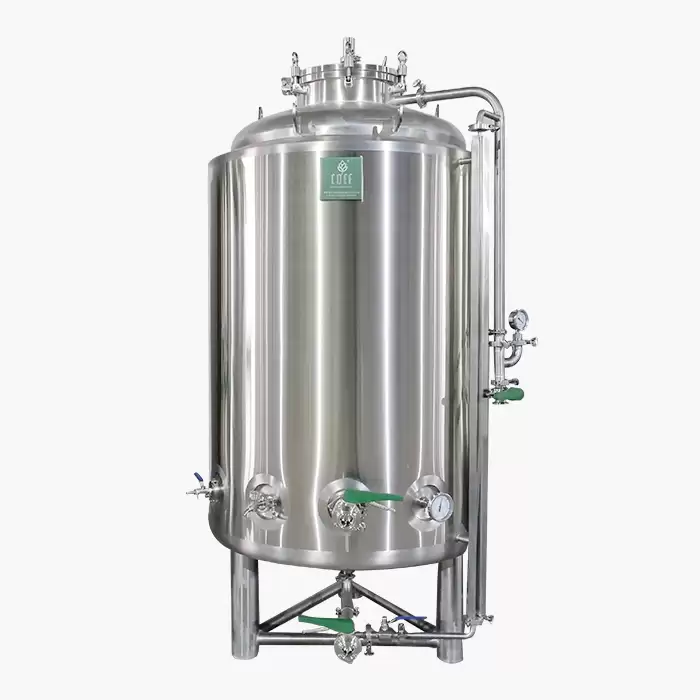
Stainless steel tanks are the preferred choice for food and beverage processing because they provide hygienic surfaces, corrosion resistance and easy sanitation.
Stainless steel 304 and 316L tanks are widely used for storing ingredients such as:
Smooth polished surfaces help reduce contamination risks and simplify cleaning.
Stainless steel fermentation tanks are widely used in breweries, wineries and food processing facilities.
They provide:
Dairy tanks use food-grade stainless steel construction with features such as cooling systems, agitators and CIP cleaning to maintain product quality and hygiene.
Agricultural operations use steel tanks for storing water, fertilizers, feed and other bulk materials.
Corrosion-resistant steel tanks safely store liquid fertilizers while reducing leakage risks and improving farm operation efficiency.
Large steel water tanks help farms collect and store water for irrigation during dry seasons.
Galvanized steel silos provide durable storage for grain and animal feed while protecting materials from pests, moisture and environmental damage.
Beyond traditional industries, custom steel tanks are widely used in manufacturing facilities for process storage, chemical handling, cooling systems and production operations.
Steel tank manufacturers can customize:
Steel tanks are used across a wide range of industries, including water treatment, chemical processing, oil and gas, food production, agriculture and manufacturing.
Carbon steel tanks provide a durable and economical solution for large-volume storage, while stainless steel tanks deliver superior corrosion resistance and hygiene for demanding applications.
With customizable designs, long service life and compliance with industry standards, steel tanks remain one of the most reliable solutions for industrial storage and processing needs.
Steel tanks are used for water storage, chemical processing, fuel storage, food and beverage production, agriculture and industrial applications.
Carbon steel tanks are cost-effective for bulk storage, while stainless steel tanks provide better corrosion resistance and hygiene for food, chemical and sensitive applications.
Steel tanks offer higher strength, longer service life and better resistance to heat and impact, while plastic tanks may be more suitable for lightweight and low-cost applications.
With proper material selection and maintenance, steel tanks can typically last 20–30 years or longer depending on the operating environment.
Yes. Steel tank manufacturers can customize capacity, materials, insulation, jackets, agitators and other features to meet specific process requirements.
Stainless steel tanks are widely used in food and beverage, dairy, chemical processing, pharmaceutical and other industries requiring corrosion resistance and hygienic performance.