


COPYRIGHT © 2022 COFF International Co., ltd. ALL RIGHTS RESERVED


A Clean-In-Place (CIP) system is an automated cleaning technology that cleans dairy equipment, pipes and tanks without disassembly. It removes milk residues, bacteria and contaminants using a controlled sequence of water, heat and chemical solutions.
CIP systems are mandatory in modern dairy plants to ensure food safety, meet regulatory requirements and maintain consistent product quality. The COFF ミルクタンク is specifically engineered to optimize CIP performance, delivering faster, more thorough cleaning with less water and energy.
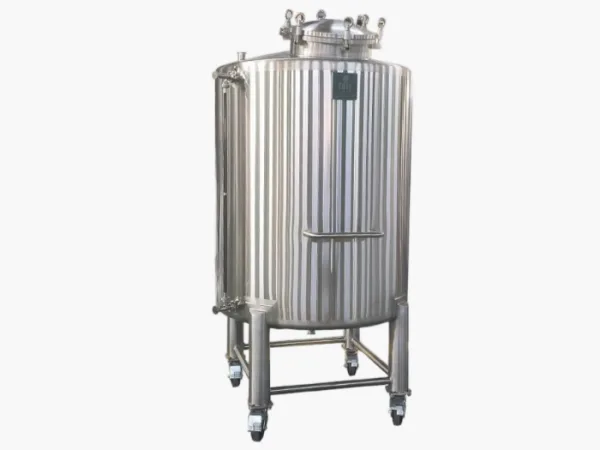
CIP systems circulate cleaning solutions through the entire milk processing line, including tanks, pipes, valves and pumps. The high-velocity flow removes residues from all surfaces, while heat and chemicals break down organic matter and kill bacteria.
The standard 5-step CIP cleaning cycle for milk tanks:
Most dairy plants run CIP cycles every 24-48 hours to prevent bacterial growth and cross-contamination.
Dairy products are highly susceptible to bacterial contamination, making proper sanitation essential. CIP systems provide consistent, verifiable cleaning that manual cleaning cannot match.
CIP systems help dairy plants meet global food safety standards:
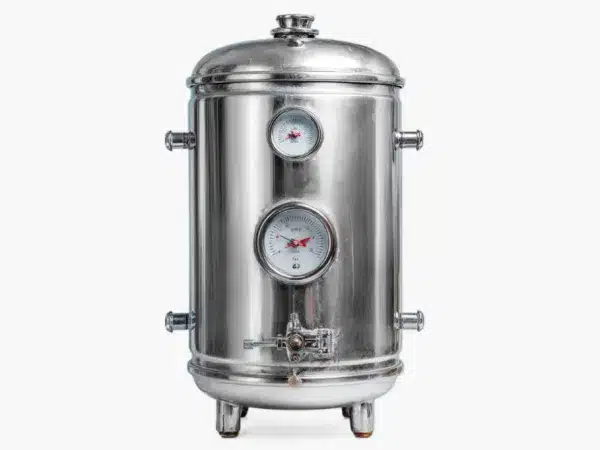
について COFF Milk Tank is designed from the ground up to maximize CIP cleaning efficiency and hygiene. Every feature is optimized to ensure complete coverage and residue removal:
The COFF Milk Tank’s superior CIP design ensures thorough cleaning every time, reducing the risk of contamination and ensuring compliance with the strictest dairy industry standards.
CIP systems are the cornerstone of safe, efficient modern dairy processing. As a professional dairy equipment manufacturer, we engineer the COFF Milk Tank with industry-leading CIP-optimized design to deliver thorough, reliable cleaning, reduce contamination risks and boost your plant’s operational efficiency.
Contact our team today to learn how the COFF Milk Tank can elevate your dairy plant’s sanitation and productivity.
CIP stands for Clean-In-Place. It is an automated system that cleans dairy equipment, tanks and pipes without the need for disassembly.
Most dairy plants run CIP cycles every 24-48 hours. Tanks used for raw milk should be cleaned daily, while tanks used for pasteurized milk can be cleaned every 48 hours.
Dairy CIP systems typically use sodium hydroxide (caustic soda) for removing fats and proteins, nitric or phosphoric acid for removing mineral deposits, and peracetic acid for sanitizing.
Modern CIP systems use approximately 1-2 liters of water per liter of tank capacity per cycle. The COFF Milk Tank’s efficient design reduces water usage by up to 20% compared to standard tanks.
Verify CIP performance through visual inspections, ATP testing (to detect organic residues) and microbiological swabbing.