Xストア

ステンレス製ミルクタンクの洗浄方法は?

93523e08

5月 27, 2026

The standard 5-step process to clean a stainless steel milk tank is: product residue recovery → warm water pre-rinse → alkaline detergent cleaning → acid rinse → sanitization and air drying. Following this procedure ensures food safety, prevents bacterial growth and maintains milk quality.

Proper cleaning is critical for dairy operations. Improperly cleaned tanks can lead to milk spoilage, bacterial contamination and regulatory violations. This guide provides a step-by-step procedure for cleaning both manual and CIP-equipped stainless steel milk tanks.

要点

  • Clean the milk tank immediately after every use to prevent residue from drying and hardening
  • Use warm water below 55°C (131°F) for pre-rinsing to avoid protein coagulation
  • Alkaline detergents remove fats and proteins; acid rinses dissolve milkstone and mineral deposits
  • Always sanitize the tank after cleaning and allow it to air dry completely
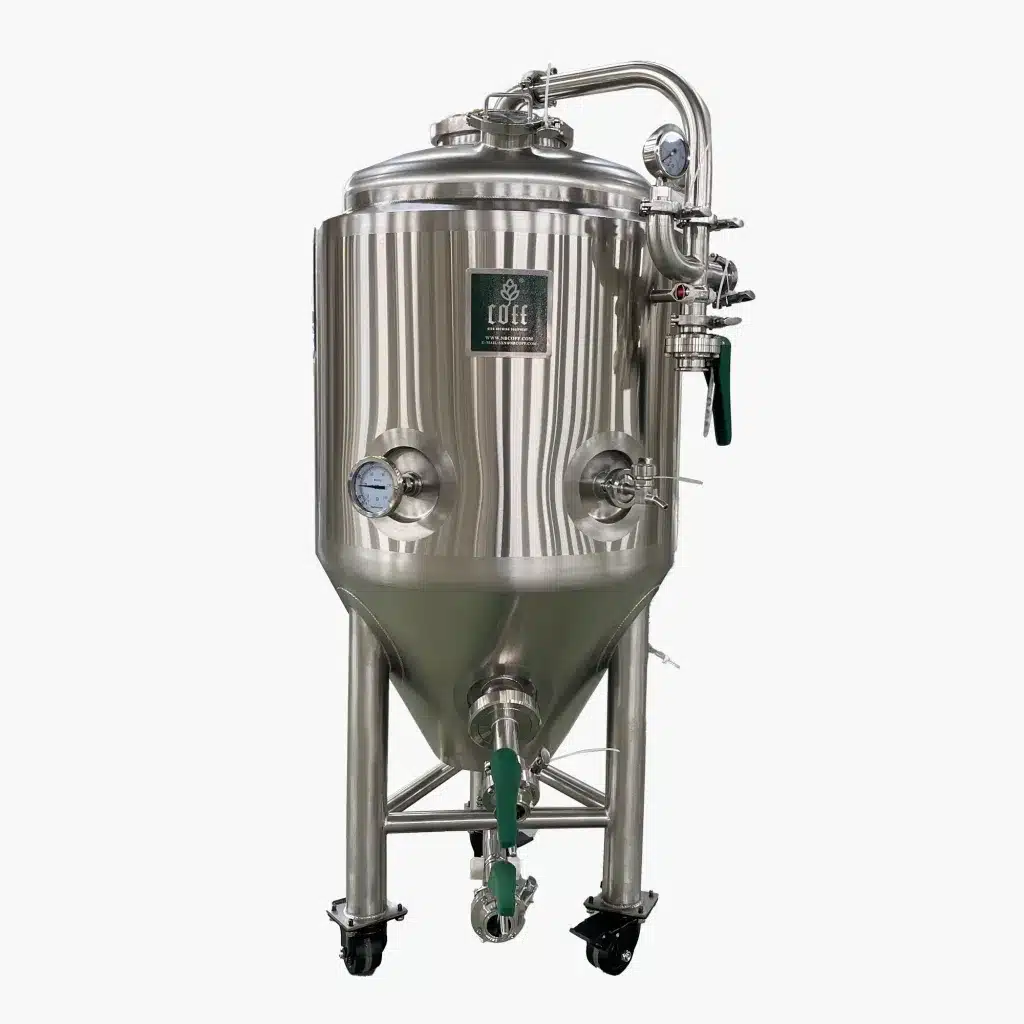
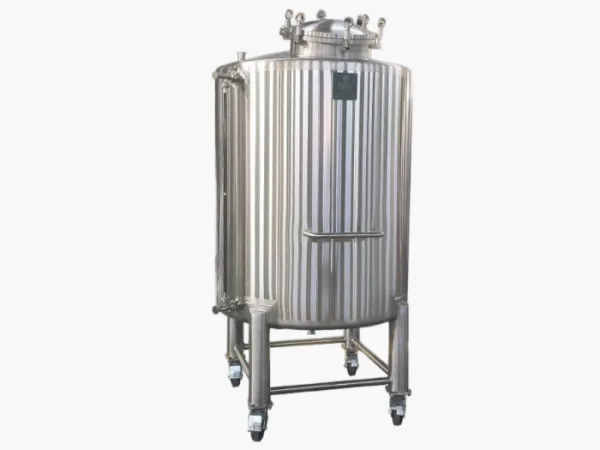
  • COFF stainless steel milk tanks with electropolished surfaces reduce residue adhesion and simplify cleaning

Preparation Before Cleaning a Stainless Steel Milk Tank

Gather Required Supplies

Ensure you have the following food-safe cleaning supplies ready:

Cleaning Supply目的
Alkaline detergentBreaks down fats, proteins and organic milk residue
Acid-based detergent (nitric/phosphoric acid)Dissolves milkstone and mineral deposits
Food-grade sanitizer (chlorine/PAA/iodophor)Kills remaining bacteria and pathogens
Soft-bristle brushesFor manual scrubbing of stubborn spots
Personal protective equipment (PPE)Gloves, goggles and chemical-resistant aprons

安全上のご注意

  • Never mix alkaline and acid cleaners – this can produce dangerous toxic gases
  • Ensure the cleaning area is well-ventilated
  • Always follow the manufacturer’s instructions for chemical dilution and use
  • Lock out and tag out the tank power supply before manual cleaning

Pre-Cleaning Inspection

  • Drain all remaining milk and residue from the tank
  • Visually inspect the interior for heavy buildup, scratches or damage
  • Check all valves, pipes and fittings for leaks or blockages

💡 プロからのアドバイス: COFF milk tanks feature smooth, electropolished 304/316 stainless steel surfaces that make inspection easier and prevent bacteria from hiding in scratches.

Step-by-Step Procedure to Clean a Stainless Steel Milk Tank

1. Warm Water Pre-Rinse

  • Fill the tank with warm water at 40-55°C (104-131°F)
  • Circulate the water for 5-10 minutes to remove loose milk residue
  • Drain the water completely
  • Critical: Never use water hotter than 55°C – high heat will cause milk proteins to coagulate and stick permanently to the tank surface

2. Alkaline Detergent Cleaning

  • Prepare an alkaline detergent solution according to the manufacturer’s instructions
  • Circulate the solution through the tank and all connected pipes for 15-20 minutes
  • For manual cleaning, use a soft-bristle brush to scrub any stubborn spots
  • Drain the detergent solution completely

3. Acid Rinse (Milkstone Removal)

Milkstone is a hard mineral deposit that builds up over time and harbors bacteria. This step is essential for long-term tank hygiene:

  • Prepare an acid solution with a pH of 3.0-4.0
  • Circulate for 5-10 minutes to dissolve mineral deposits
  • Drain the acid solution completely
Acid TypeRecommended pHCirculation Time
Nitric Acid3.0 – 4.05 – 10 minutes
リン酸3.0 – 4.05 – 10 minutes

4. Final Water Rinse

  • Rinse the tank thoroughly with clean, potable water
  • Continue rinsing until the runoff water is neutral (pH 6.5-7.5)
  • This step removes all remaining cleaning chemicals that could affect milk taste and safety

5. Sanitizing and Air Drying the Milk Tank

After cleaning, apply a food-grade sanitizer to all interior surfaces of the stainless steel milk tank. Follow the manufacturer’s recommended concentration and contact time to ensure effective bacterial control.

除菌タイプ推奨濃度連絡時間
塩素50-200 ppm5~10分
過酢酸(PAA)80-150 ppm1~2分
ヨードホール12.5~25ppm1~2分

After sanitizing, fully drain the solution. Do not rinse unless the sanitizer instructions specifically require it.

Leave the tank open and allow it to air dry completely before the next use. Proper air drying helps prevent moisture buildup, water spots, and bacterial growth inside the tank.

CIP System Operation for Stainless Steel Milk Tanks

Most modern commercial milk tanks are equipped with automatic CIP systems that perform the entire cleaning process without manual intervention:

  1. Program the CIP controller with the correct temperature, time and chemical concentrations
  2. The system automatically executes the pre-rinse, detergent wash, acid rinse and sanitization steps
  3. Monitor the process to ensure proper temperature and pressure levels
  4. Perform a visual inspection after the cycle is complete

COFF milk tanks are fully compatible with standard CIP systems and feature optimized spray ball designs that ensure complete coverage of all interior surfaces, eliminating dead spots.

Best Practices for Long-Term Tank Maintenance

  • Perform a deep clean with a stronger acid solution every 2-4 weeks to remove stubborn milkstone
  • Inspect and replace spray balls and gaskets regularly to ensure proper cleaning
  • Keep detailed cleaning records for regulatory compliance
  • Never use abrasive scrubbers, steel wool or scouring pads – these will scratch the stainless steel surface
  • Test the tank for bacterial contamination monthly to verify cleaning effectiveness

結論

Proper cleaning of stainless steel milk tanks is essential for maintaining milk quality and food safety. Following the standard 5-step procedure will ensure your tank remains clean, sanitary and compliant with all dairy regulations.

For high-quality stainless steel milk tanks designed for easy cleaning and long-term reliability, trust COFF. Our tanks feature smooth electropolished surfaces, CIP compatibility and durable food-grade construction. Contact us today to learn more about our dairy storage solutions.

よくあるご質問

ステンレス製ミルクタンクはどのくらいの頻度で洗浄すればよいですか?

You must clean and sanitize the tank immediately after every use. Even a small amount of leftover milk can lead to rapid bacterial growth and spoil future batches.

酸リンスをスキップするとどうなりますか?

Skipping the acid rinse will allow milkstone and mineral deposits to build up over time. This hard layer traps bacteria, reduces heat transfer efficiency and can cause off-flavors in milk.

Can I use bleach to sanitize my milk tank?

Yes, household chlorine bleach can be used as a sanitizer when properly diluted (1 tablespoon of bleach per gallon of water). Always rinse thoroughly with clean water after using bleach.

Why are COFF milk tanks easier to clean?

COFF milk tanks are constructed with food-grade 316 stainless steel and feature electropolished surfaces. This smooth, non-porous finish prevents residue from sticking and makes both manual and CIP cleaning faster and more effective.

How long does the entire cleaning process take?

A complete manual cleaning cycle takes approximately 45-60 minutes. Automatic CIP systems can complete the process in 30-45 minutes with minimal operator intervention.