


COPYRIGHT © 2022 COFF International Co., ltd. ALL RIGHTS RESERVED

Yes, fermenting cider should ideally be kept away from direct light, especially sunlight and strong UV exposure. Excessive light can contribute to off-flavors, temperature fluctuations, and reduced fermentation consistency, all of which can affect the final taste and aroma of the cider. Whether you’re fermenting at home or in a commercial cidery, maintaining a dark, temperature-stable environment helps preserve the fresh apple character and supports healthy yeast activity.
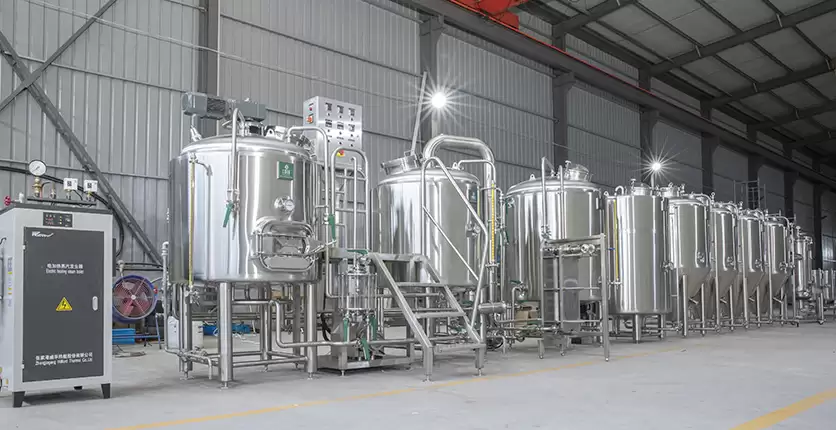
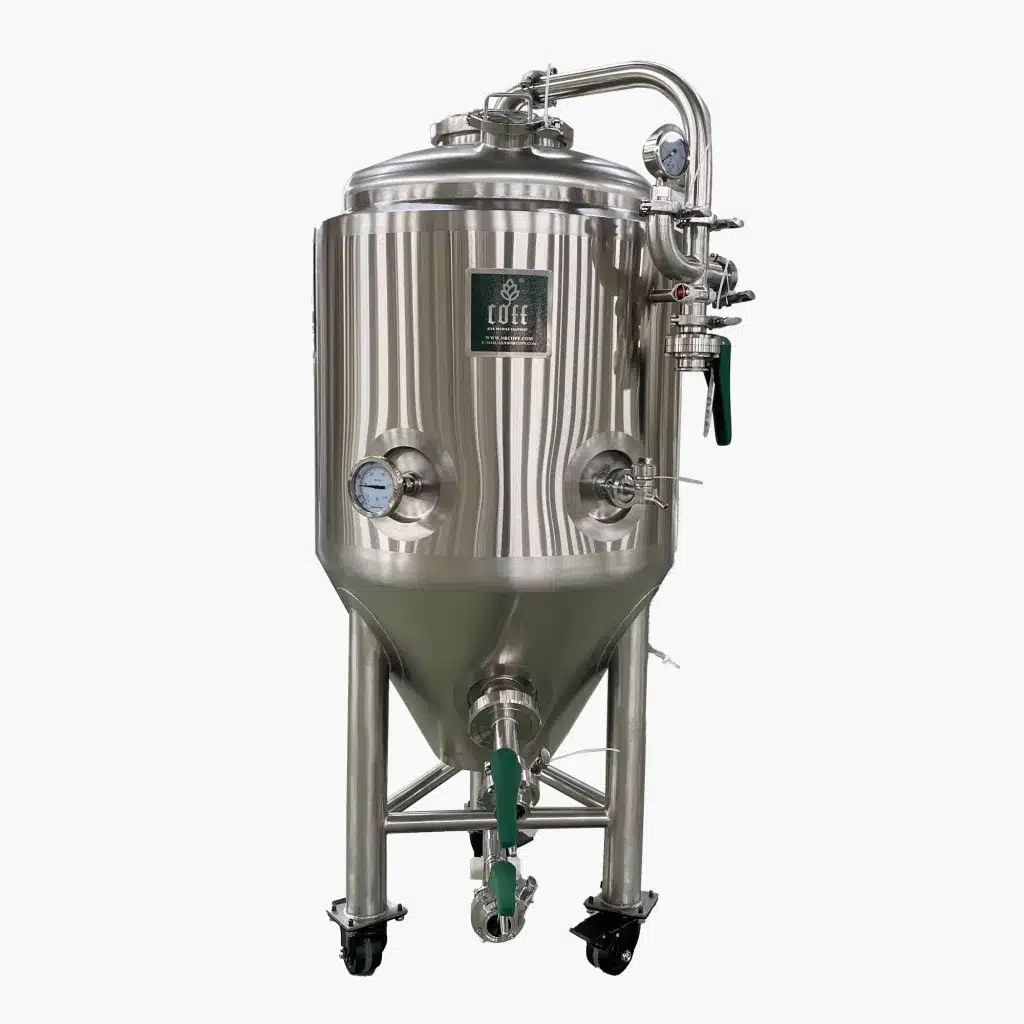
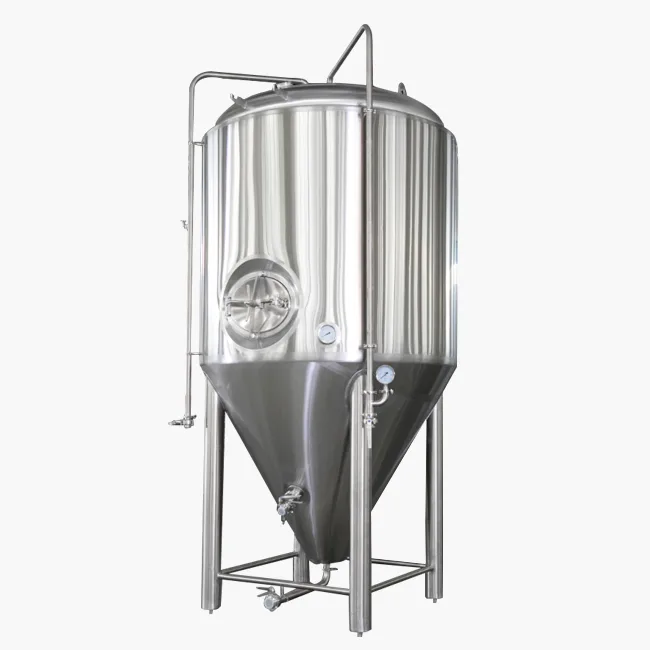
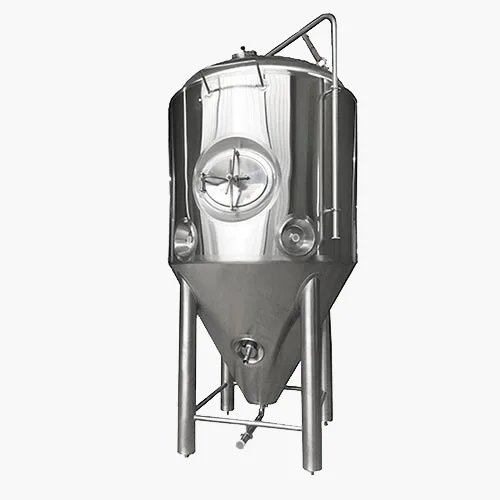
Many commercial producers use stainless steel cider fermentation tanks, which naturally block light while providing precise temperature control throughout the fermentation process. Combined with proper light management, these tanks help ensure consistent cider quality from batch to batch.
Light damages cider in four key ways, all of which hurt final flavor and fermentation consistency.
Light (especially UV wavelengths) causes chemical reactions in cider’s phenolic compounds and organic acids. This breaks down delicate apple aromas and creates unpleasant, musty, or skunky off-flavors — similar to the “light struck” flaw in beer, but caused by different compounds since cider contains no hop acids.
Even short periods of direct sunlight can dull cider’s bright fruit character and replace it with flat, stale notes. Commercial cideries use amber bottles and opaque tanks specifically to block UV rays and preserve flavor.
UV light damages yeast cell structure and slows metabolic activity. Stressed yeast ferments more slowly, less predictably, and produces more unwanted byproducts like fusel alcohols and sour off-notes.
In consistent dark conditions, yeast converts sugar to alcohol steadily and cleanly, resulting in a smoother, more balanced cider with true apple flavor.
Direct sunlight or bright overhead lights can quickly raise the temperature of a fermentation vessel. Yeast has a narrow ideal temperature range (55–72°F / 13–22°C for most cider strains), and even small spikes can cause stress, off-flavors, or even stuck fermentation.
Dark locations naturally have more stable temperatures, which is one of the biggest hidden benefits of fermenting away from light.
UV light catalyzes oxidation reactions in cider, which darkens the color, flattens flavor, and creates stale, paper-like notes. While oxygen exposure is the main driver of oxidation, light speeds up the process dramatically, even in sealed vessels.
Fermenting in the dark slows oxidation and helps cider retain its fresh, bright character through fermentation and conditioning.
No — complete pitch-black darkness is not required for cider fermentation. The real risk comes from direct sunlight and strong UV-emitting artificial lights. Normal low-level indoor room light will not cause noticeable flavor damage.
For best results:
Choose a spot naturally protected from direct light and temperature swings. Basements, interior closets, and pantries are ideal — they stay dark, cool, and have consistent temperatures year-round.
Avoid locations near windows, heating vents, or appliances that generate heat, as these cause temperature fluctuations that stress yeast.
Your container choice has a huge impact on light protection:
Aim for a steady 55–72°F (13–22°C), depending on your yeast strain. Dark locations naturally help with temperature stability, but you can also use cooling jackets or temperature controllers for more precision. Stable temperature is just as important as darkness for clean, consistent cider.
If you can’t ferment in a naturally dark room, these simple low-cost solutions work for almost every homebrew setup:
While you don’t need pitch-black conditions, keeping fermenting cider out of direct light is a simple, zero-cost step that makes a huge difference in final flavor and consistency. It protects yeast health, prevents off-flavors, and helps preserve the bright, fresh apple character that makes great cider stand out.
For homebrewers, even a basic towel or closet setup is enough to see results. For commercial operations, opaque stainless steel tanks are a standard investment for consistent, high-quality cider batch after batch.
Light causes chemical reactions that break down apple flavors and create off-notes, damages yeast cells to slow or disrupt fermentation, causes temperature swings that stress yeast, and speeds up oxidation that dulls cider flavor.
Yes. Normal low-level room light will not damage cider. Only direct sunlight and strong UV light cause noticeable flavor problems. If your vessel is near a window, cover it or move it out of direct sun.
Stainless steel tanks are the best option, as they are completely opaque, temperature-controllable, and easy to clean. For homebrewers, amber glass carboys are a great balance of light protection and visibility.
No. Simple household items work perfectly. Thick towels, cardboard boxes, black trash bags, and closet storage all provide enough light protection for good results.
Yes. Finished cider is still sensitive to light-induced off-flavors and oxidation. Store bottled cider in a cool, dark place, and use amber or opaque bottles for long-term storage.