


COPYRIGHT © 2022 COFF International Co., ltd. ALL RIGHTS RESERVED


正しい選択 water tank directly impacts water safety, long-term maintenance costs, and service life. For residential, commercial, and agricultural use, galvanized steel and stainless steel are the two most common options — each with distinct strengths, ideal use cases, and tradeoffs.
This guide breaks down their differences in durability, hygiene, cost, and maintenance to help you pick the best tank for your needs.
Both tank types are built from steel and offer solid structural strength, but their material composition creates major differences in performance. The table below summarizes their core differences:
| 属性 | Galvanized Steel Water Tank | Stainless Steel Water Tank |
|---|---|---|
| 素材 | Steel sheets coated with a zinc corrosion barrier | Food-grade steel alloy (typically 304 or 316 grade) with inherent corrosion resistance |
| 平均寿命 | 20 – 35 years (with regular maintenance) | 30 – 50+ years (with minimal upkeep) |
| Hygiene & Potability | May leach zinc or iron over time; not recommended for drinking water | Non-porous, chemically stable; meets NSF/ANSI 61 standards for potable water |
| 耐食性 | Moderate; zinc coating wears down over time, leading to rust | Excellent; naturally forms a protective oxide layer, even in harsh environments |
| 初期費用 | Lower initial purchase and installation cost | Higher upfront investment |
| メンテナンスの必要性 | High; requires regular inspections and zinc layer repairs to prevent rust spread | Low; only routine cleaning is needed |
| 最適 | Farms, construction sites, industrial non-potable water storage | Residential drinking water, food & beverage facilities, healthcare |
Galvanized tanks rely on a sacrificial zinc coating to protect the underlying steel from rust. Once the zinc layer wears away from exposure to water, weather, or abrasion, the base steel will corrode.
Stainless steel uses chromium and nickel alloys to form a self-healing protective oxide layer. It resists rust naturally, without needing additional coatings, and holds up better in coastal areas with salty air, variable weather, or chemically treated water.

Stainless steel outperforms galvanized steel in nearly all corrosive environments. Its passive oxide layer repairs itself when scratched, preventing rust from spreading even with minor surface damage. This makes it suitable for outdoor installation, coastal regions, and applications with variable water chemistry.
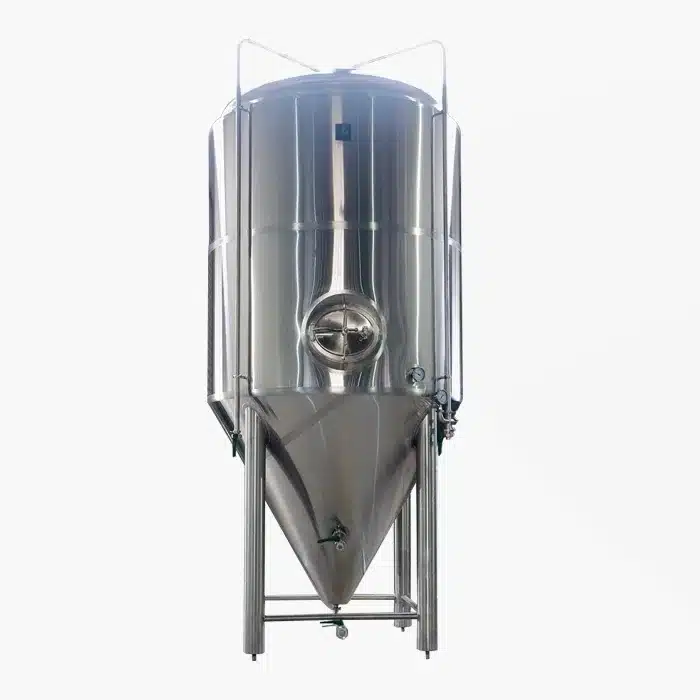
High-quality ステンレスタンク are built with precision welding (such as TIG or plasma welding) for leak-free joints, and often feature electro-polished interior surfaces. This smooth finish reduces bacterial adhesion and simplifies cleaning, supporting consistent water quality.
With minimal maintenance, a well-built stainless steel tank can last 30 to 50 years or longer. It does not depend on a wearing coating for protection, so its performance remains consistent across decades of use. Factors like proper installation and water quality will affect exact lifespan, but stainless steel consistently outlasts galvanized alternatives in most environments.
For potable water storage, stainless steel is the clear safer option. It is chemically inert, meaning it will not leach metals, chemicals, or off-flavors into stored water. Its smooth, non-porous interior resists biofilm and bacterial growth, helping to keep water fresh and clean over long storage periods.
Reputable tanks are certified to NSF/ANSI 61 and other food-contact safety standards, confirming they are safe for residential drinking water, food processing, and healthcare applications.
While stainless steel has a higher sticker price, it requires almost no ongoing maintenance beyond periodic interior cleaning. There is no coating to inspect, repair, or reapply, and rust-related repairs are extremely rare. Over a 20+ year lifecycle, it often costs less overall than a galvanized tank that requires repeated upkeep and earlier replacement.
Galvanized tanks are the more budget-friendly choice for initial purchase and installation. For projects with tight upfront budgets, or temporary water storage needs, they deliver reliable structural performance at a lower price point.
This makes them a common choice for construction sites, temporary farm storage, and industrial applications where long-term water purity is not a priority.
Galvanized tanks work well for water that will not be used for drinking or food preparation. Common uses include:
For these use cases, the lower initial cost often outweighs the higher long-term maintenance needs. Keep in mind that the zinc coating will degrade over time, especially with constant water exposure, so plan for regular inspections to catch rust early.

For homes storing drinking, cooking, or bathing water, a stainless steel tank is the recommended choice. It preserves water taste and purity, requires almost no upkeep, and will last through decades of household use. Galvanized tanks are only suitable for outdoor non-potable uses like garden irrigation at residential properties.
For food and beverage production, pharmaceuticals, hospitals, or any facility handling potable water, stainless steel is required to meet health and safety codes. For heavy industrial non-potable use, galvanized tanks can be a cost-effective option when paired with a regular maintenance schedule.
For irrigation, general farm water, and livestock non-drinking water, galvanized tanks offer good upfront value. For operations that store drinking water for animals or need long-term, low-maintenance storage, stainless steel tanks reduce long-term repair and replacement costs.
When selecting any tank, also consider your local climate, installation location (above or below ground), water demand, and environmental conditions to match the material to your environment.
Stainless steel water tanks are the superior choice for most long-term and potable water applications, offering better durability, safer water quality, and lower lifetime costs. Galvanized tanks remain a practical, budget-friendly option for temporary or non-drinking water storage where upfront cost is the top priority.
For premium, food-grade stainless steel water tanks built with precision welding and corrosion-resistant construction, options from trusted manufacturers like COFF provide reliable performance for residential, commercial, and agricultural use.
Stainless steel has a chemically stable, non-porous surface that does not leach metals or chemicals into water. It also resists bacterial biofilm growth, helping to maintain consistent water quality over time. Most food-grade stainless steel tanks meet potable water safety certifications like NSF/ANSI 61.
A properly installed and maintained stainless steel water tank typically lasts 30 to 50 years. In mild environments with good water quality, many tanks can last even longer with only routine cleaning.
Galvanized tanks are not recommended for long-term drinking water storage. Over time, the zinc coating can leach into the water, altering taste and potentially exceeding safe metal levels. Stainless steel is the standard choice for potable water storage.
Yes. The smooth, non-porous interior of stainless steel tanks does not trap dirt, sediment, or bacteria. Most tanks can be cleaned with mild soap and water with minimal effort.
For non-drinking water uses like irrigation, galvanized tanks are a cost-effective choice. For drinking water for livestock, or for farms seeking a low-maintenance, long-lasting solution, stainless steel tanks deliver better long-term value.